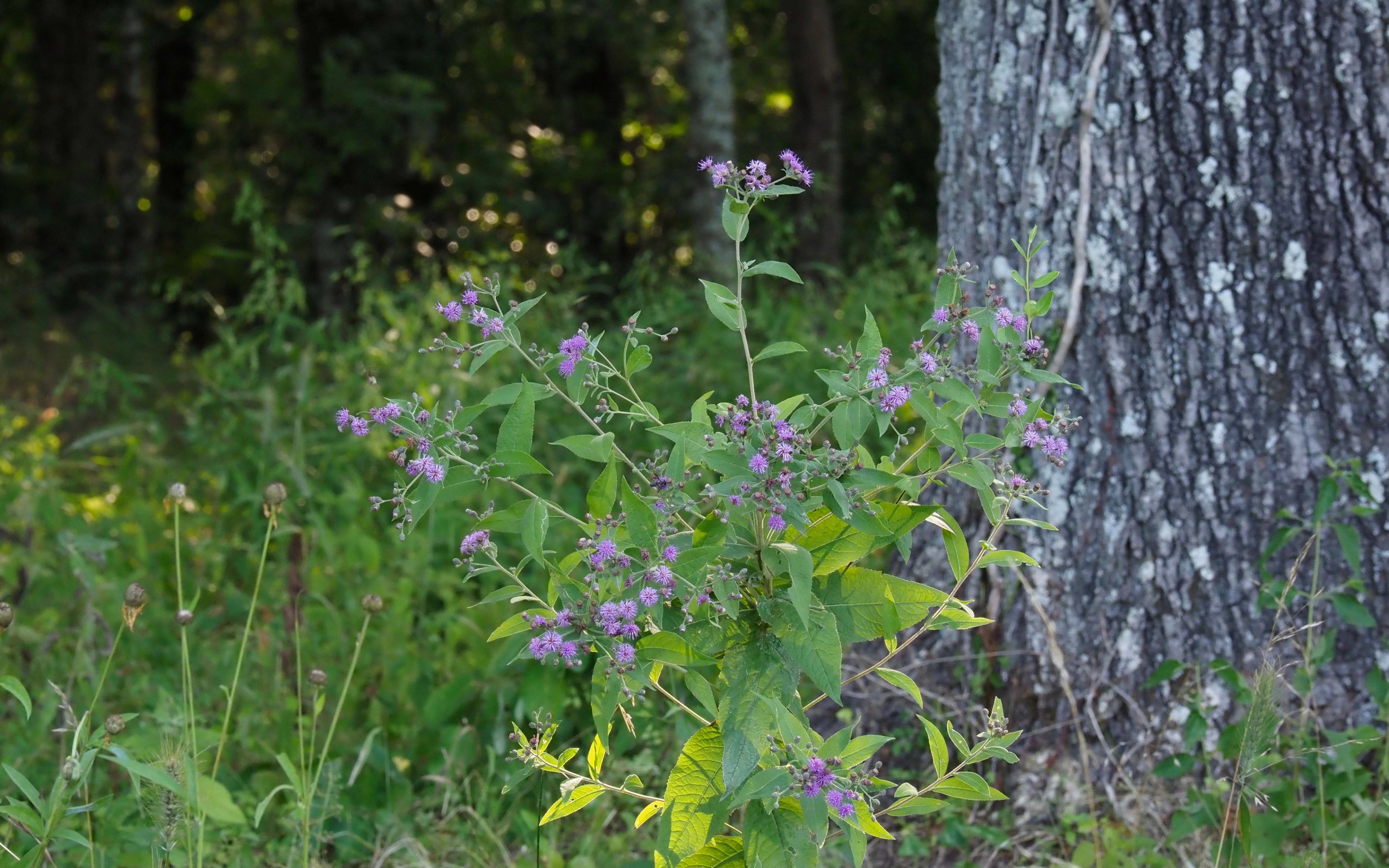
PLANT NAME
The genus name, Vernonia, was named for William Vernon, an English botanist traveling and collecting plants in Maryland during 1698. The specific epithet (baldwinii) honors William Baldwin who was an American physician and botanist credited with the first collection of the plant.
Vernonia baldwinii is in the Asteraceae family.
BLOOM
Bright, purplish flower heads occur in loose clusters toward the top of the plant, with each flower head being composed of 15-30 florets. Individual florets have 5 spreading lobes. The style is prominently exserted beyond the corolla so that the white pollen is readily available to pollinating insects. There are 5 stamens with fused anthers. The anthers form an attractive ring-like structure at the tip of each flower.
The bracts (at the base of each flower) occur in overlapping layers. The tips of the bracts curl outward (recurved).
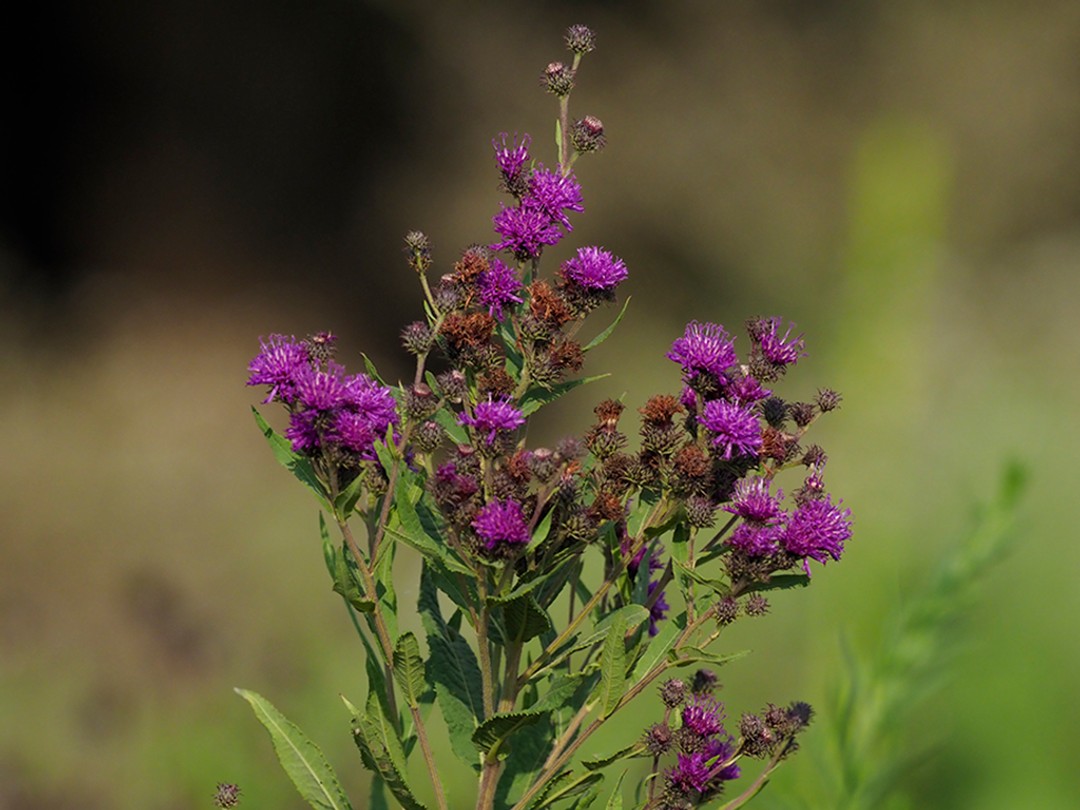
Flowers at top of plant 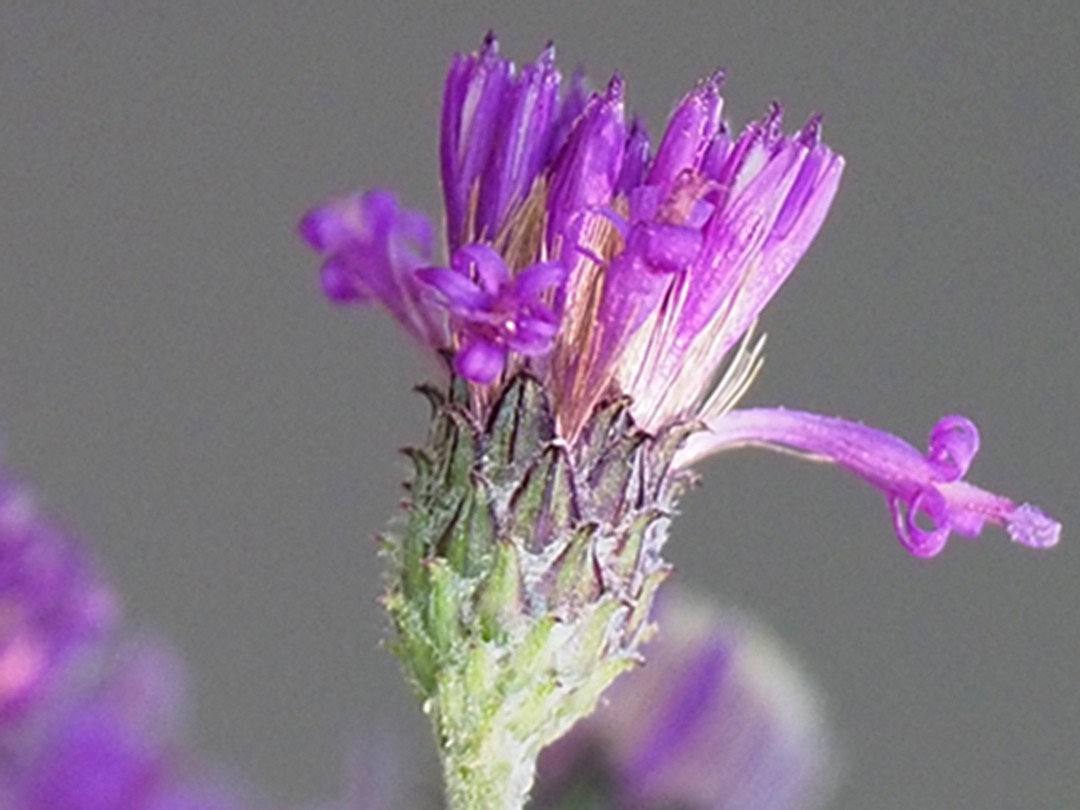
Recurved tips of bracts 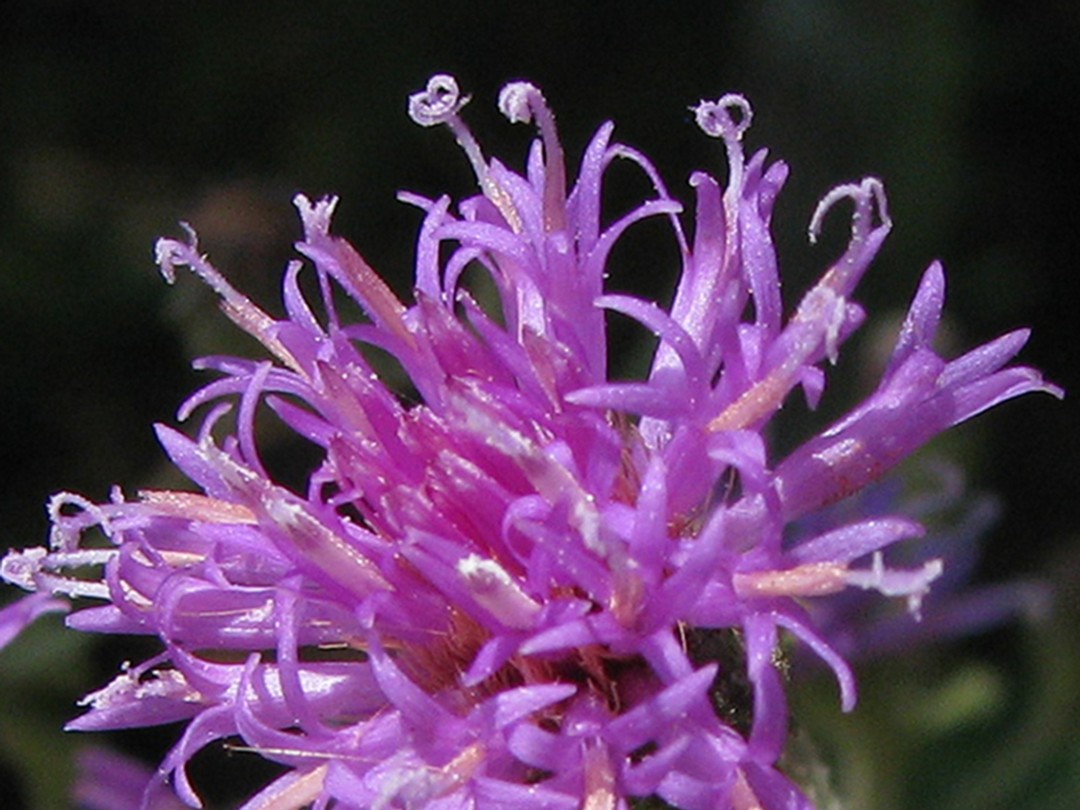
'Ring-like' anthers 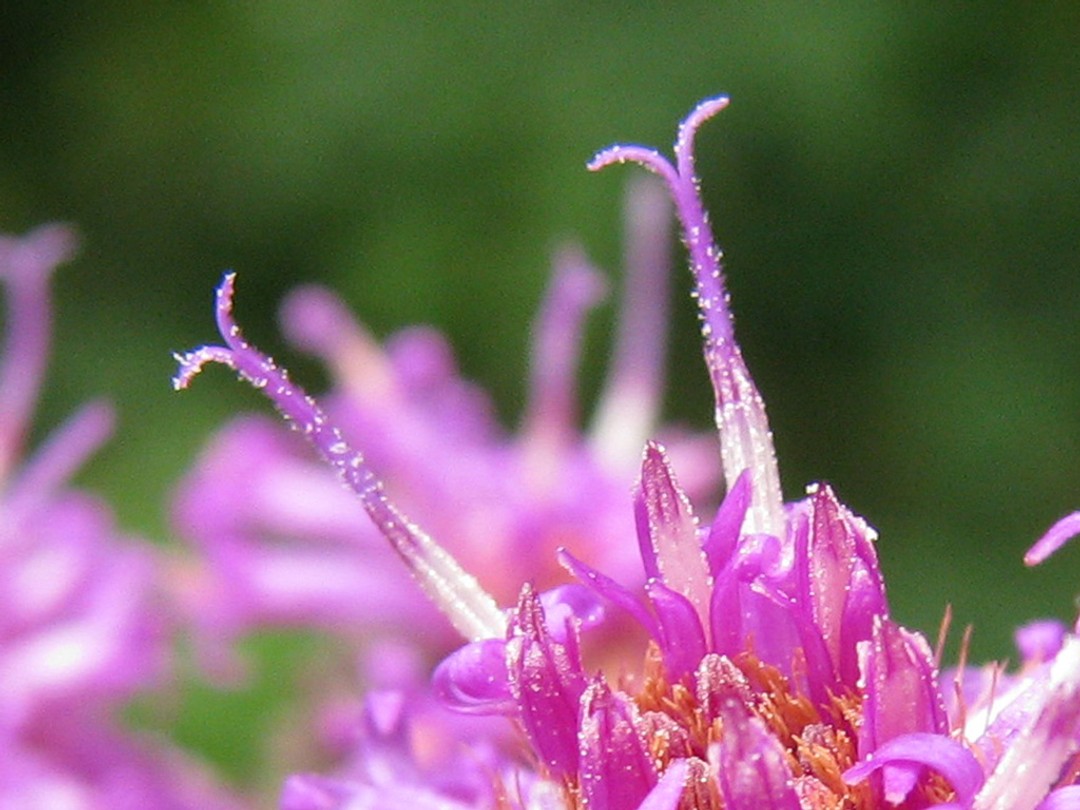
White pollen grains
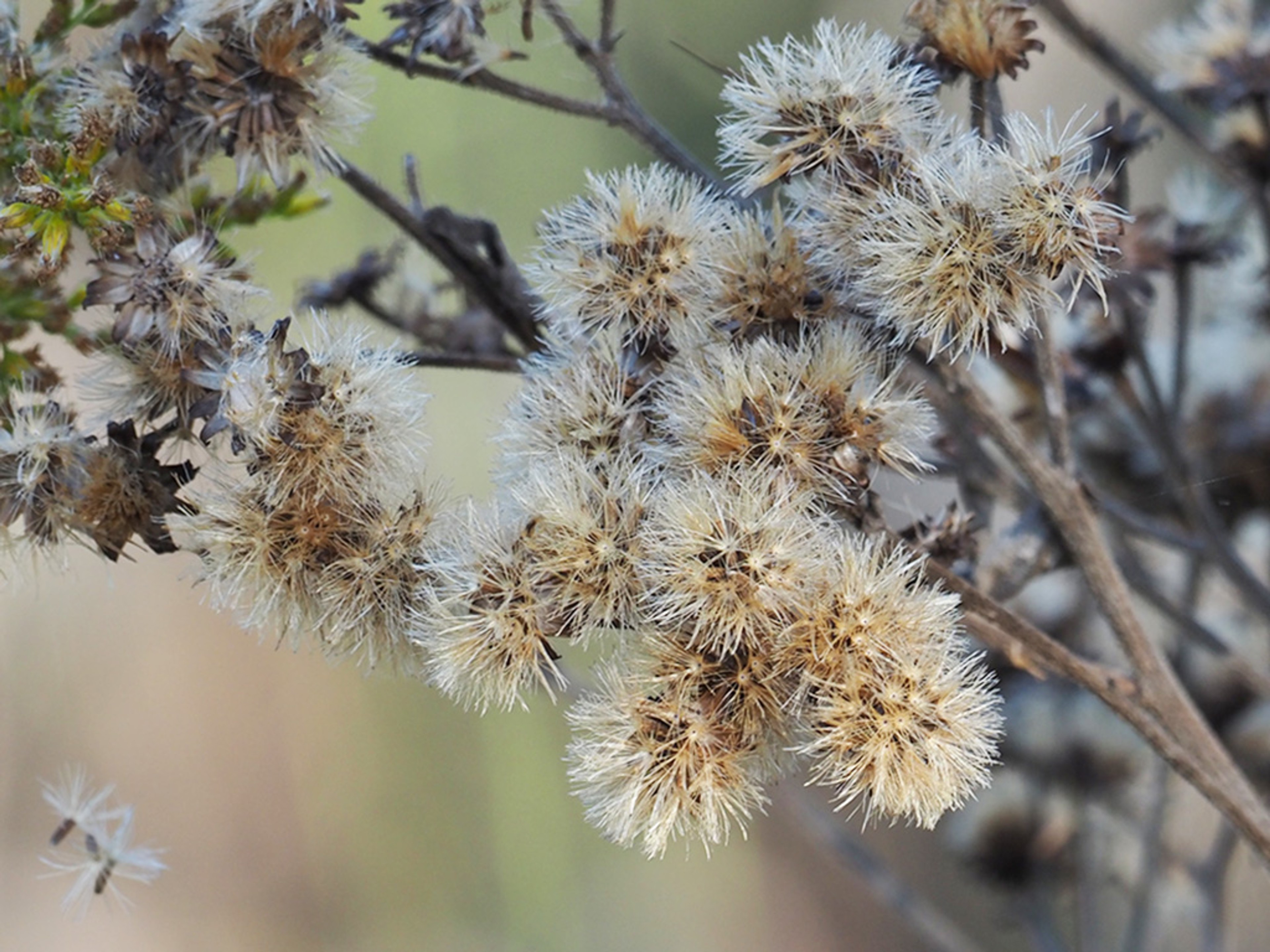
After flowering, seeds mature and fall from the flower to be scattered by the wind.
DESCRIPTION
Vernonia baldwinii is a perennial plant growing to about 4-5 feet. Its unbranched stem is covered with short, white hairs. The leaves are alternate and sessile (or with short petioles). Larger leaves have serrate margins. The leaf upper surface is somewhat rough, with the underside having short, whitish hairs.
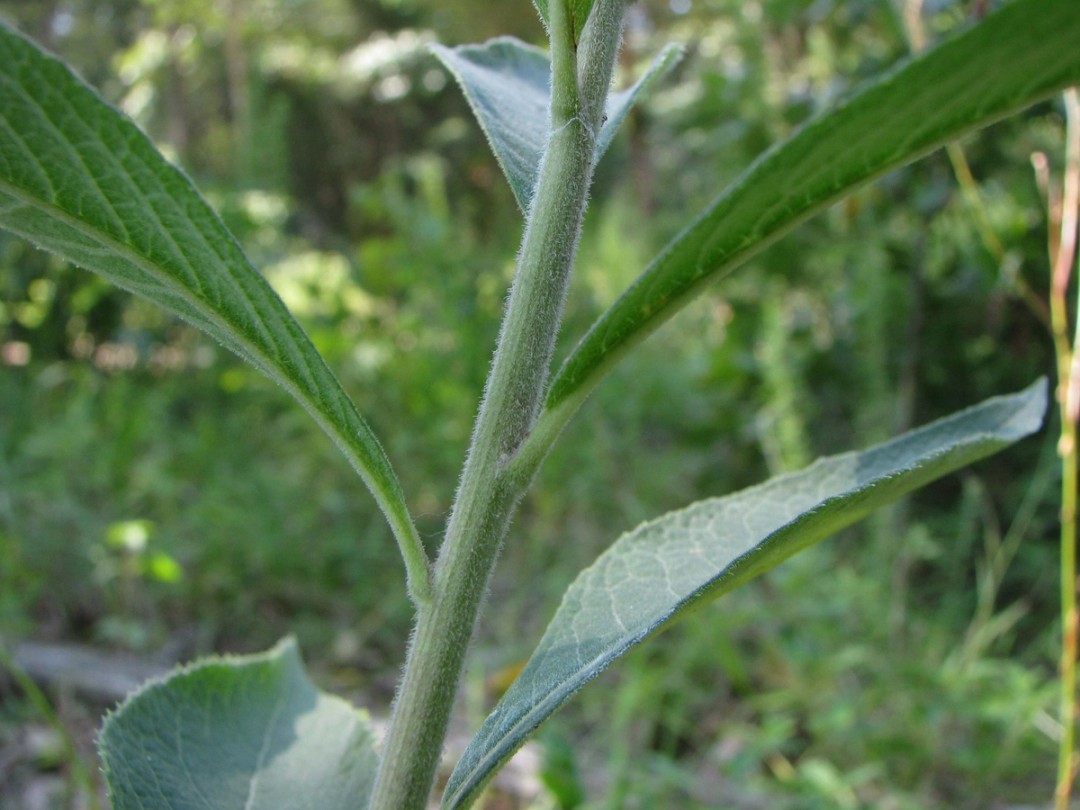
Stem with short, white hairs 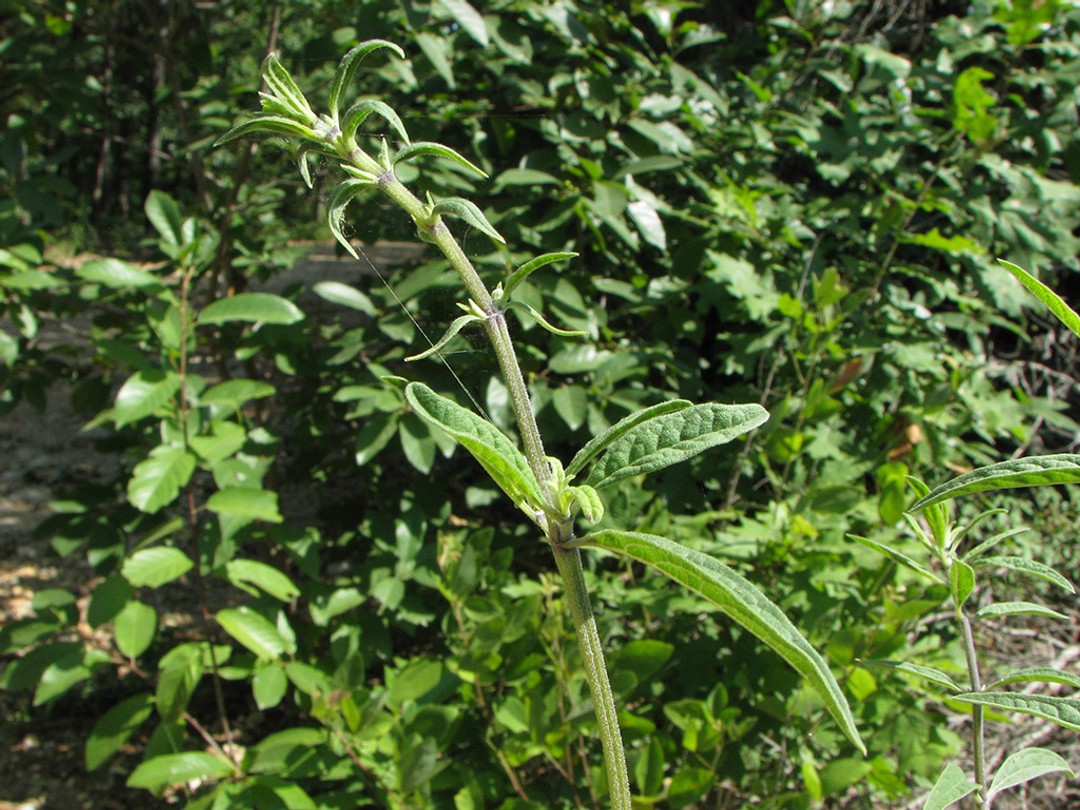
Stem and upper leaves 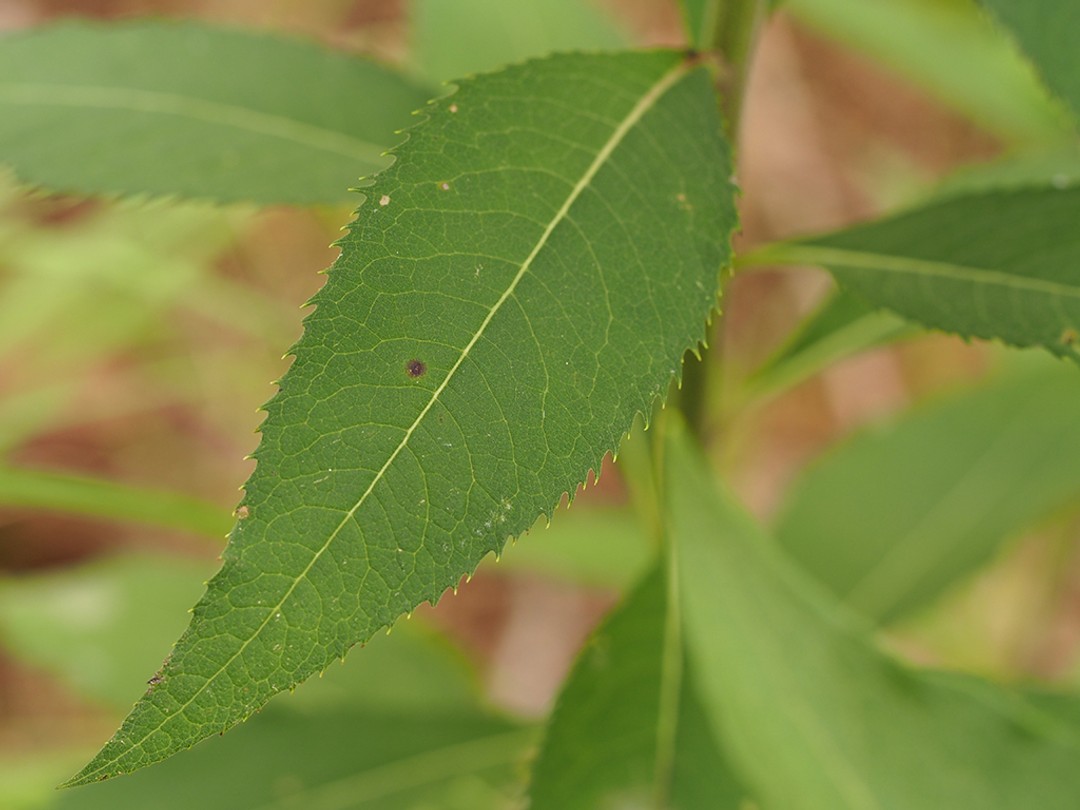
Serrated leaf 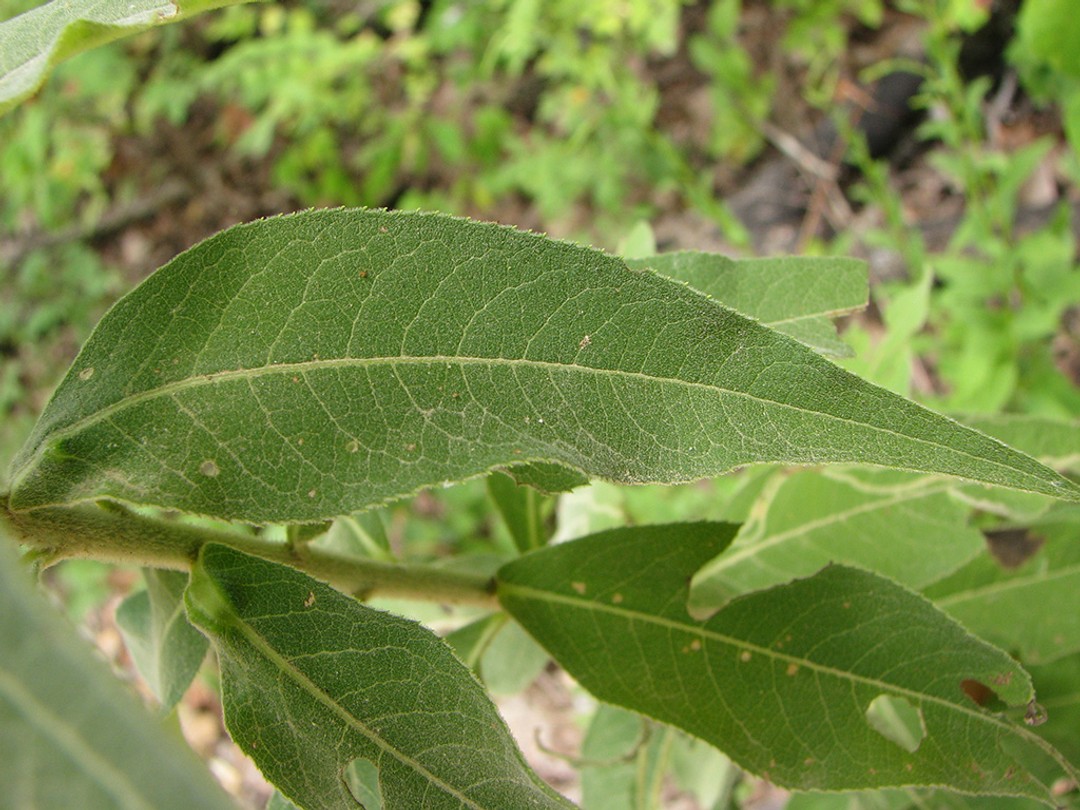
Upper leaf
This plant spreads through rhizomes, hence it is often found in small colonies. Ironweeds can and do hybridize in nature. Vernonia baldwinii is known to hybridize with Vernonia gigantea and Vernonia missourica. All three are native to Arkansas and Missouri and often share the same habitats.
POLLINATORS
Vernonia baldwinii is a terrific plant for a pollinator garden as a wide range of pollinators are attracted to its flowers. Here's a sampling.
Bees
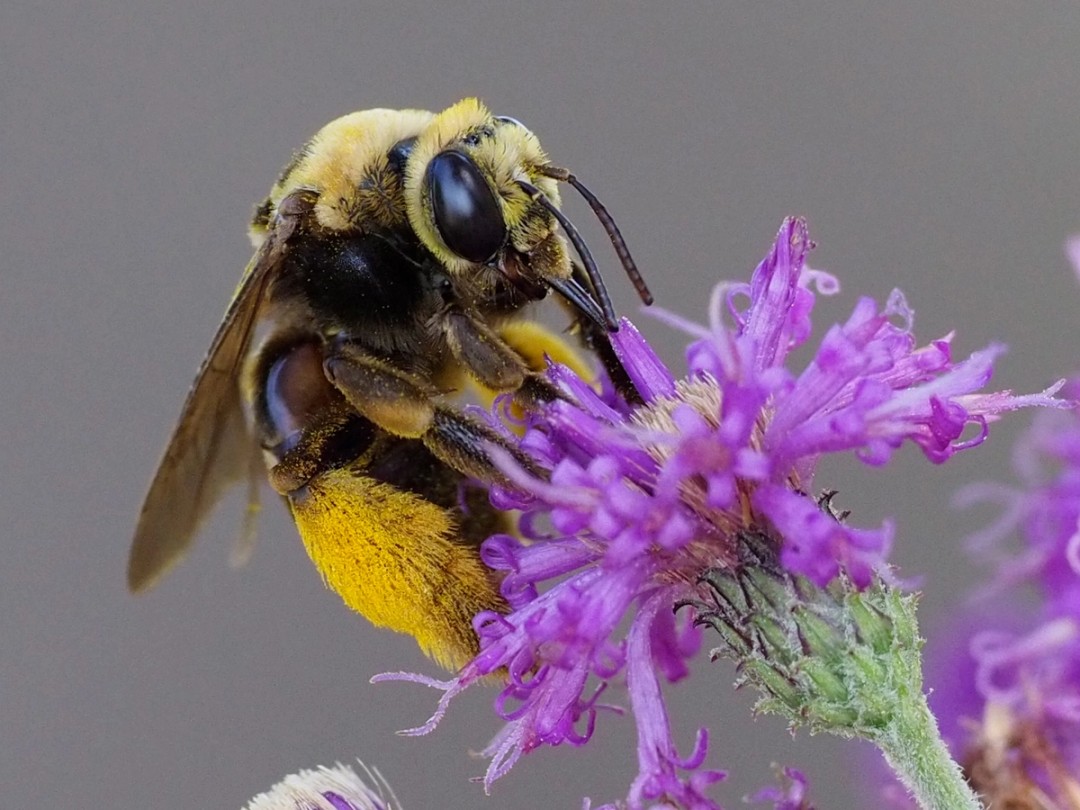
Genus Melissodes 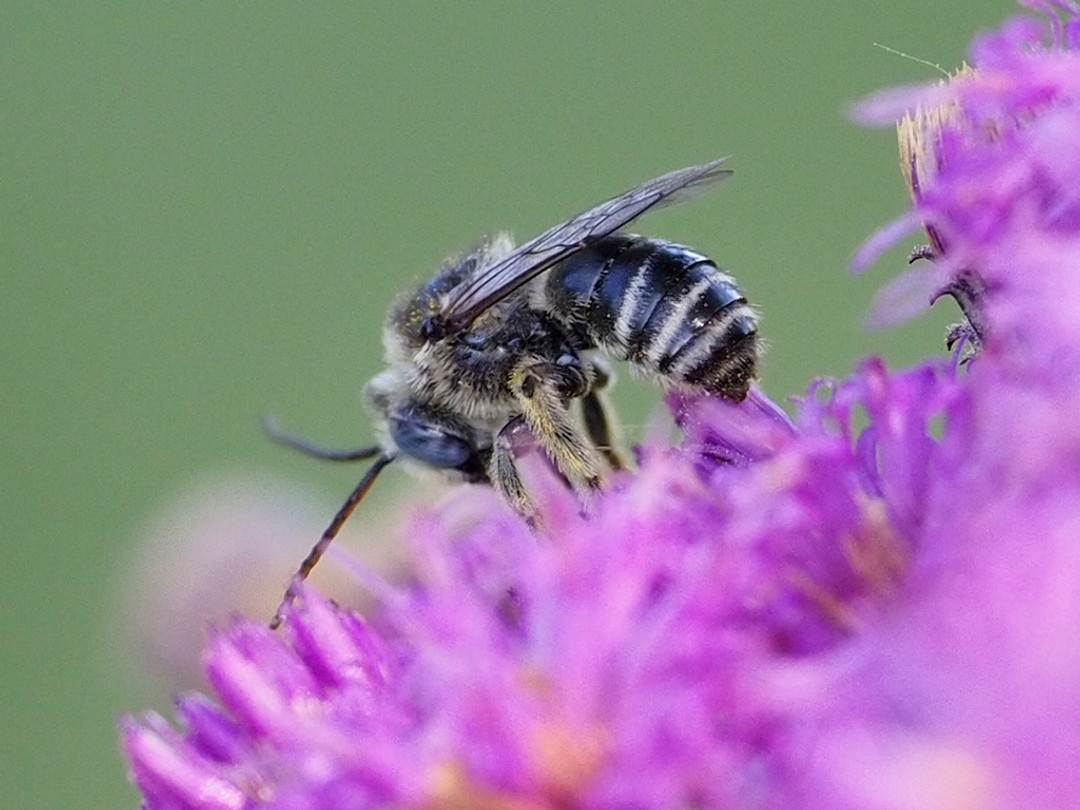
Genus Melissodes 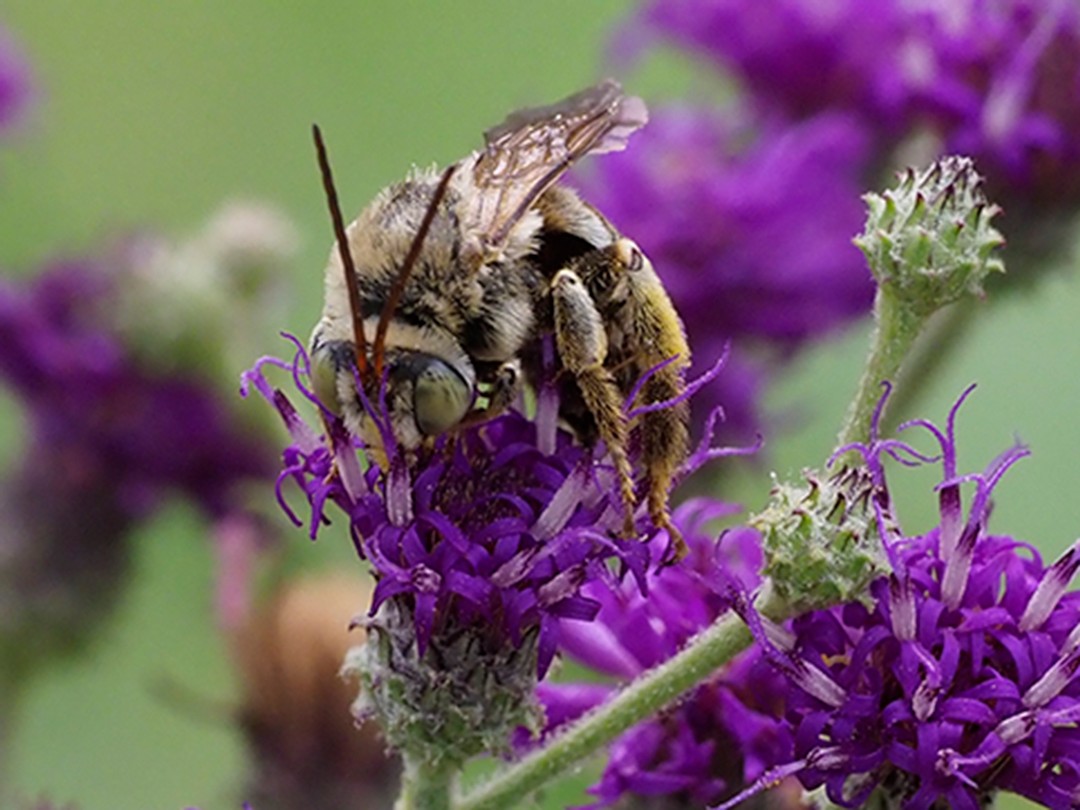
Melissodes, Long-horned bee 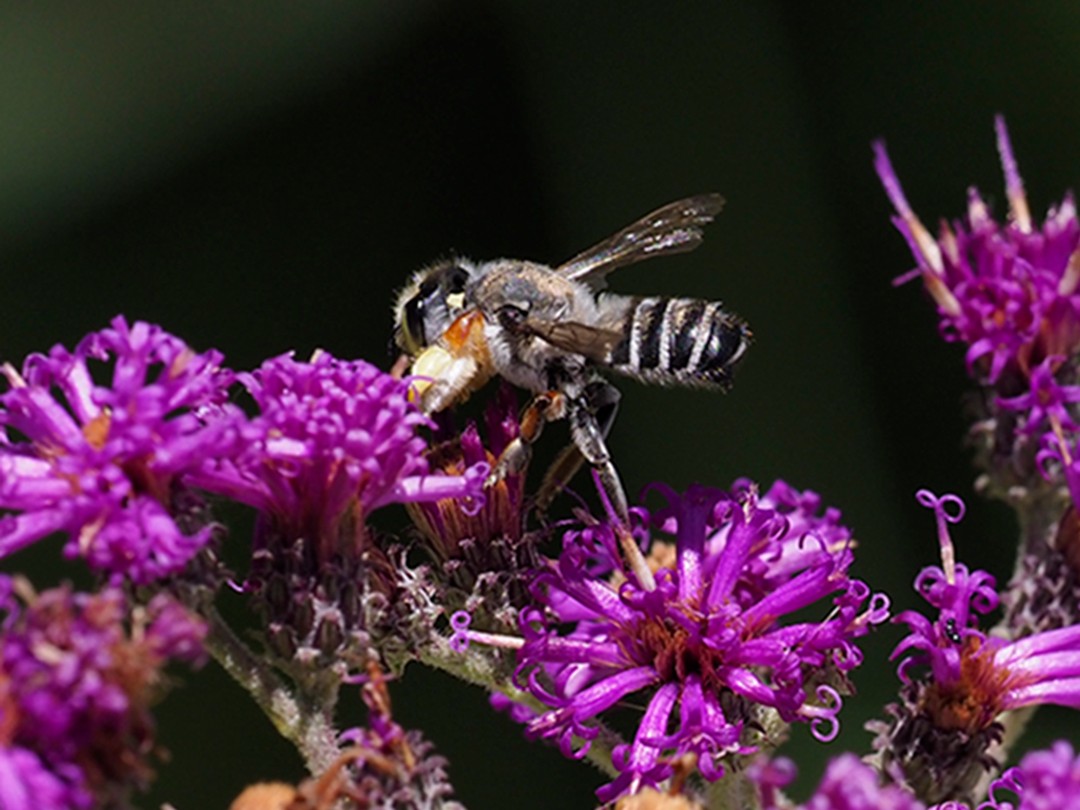
Genus Megachile 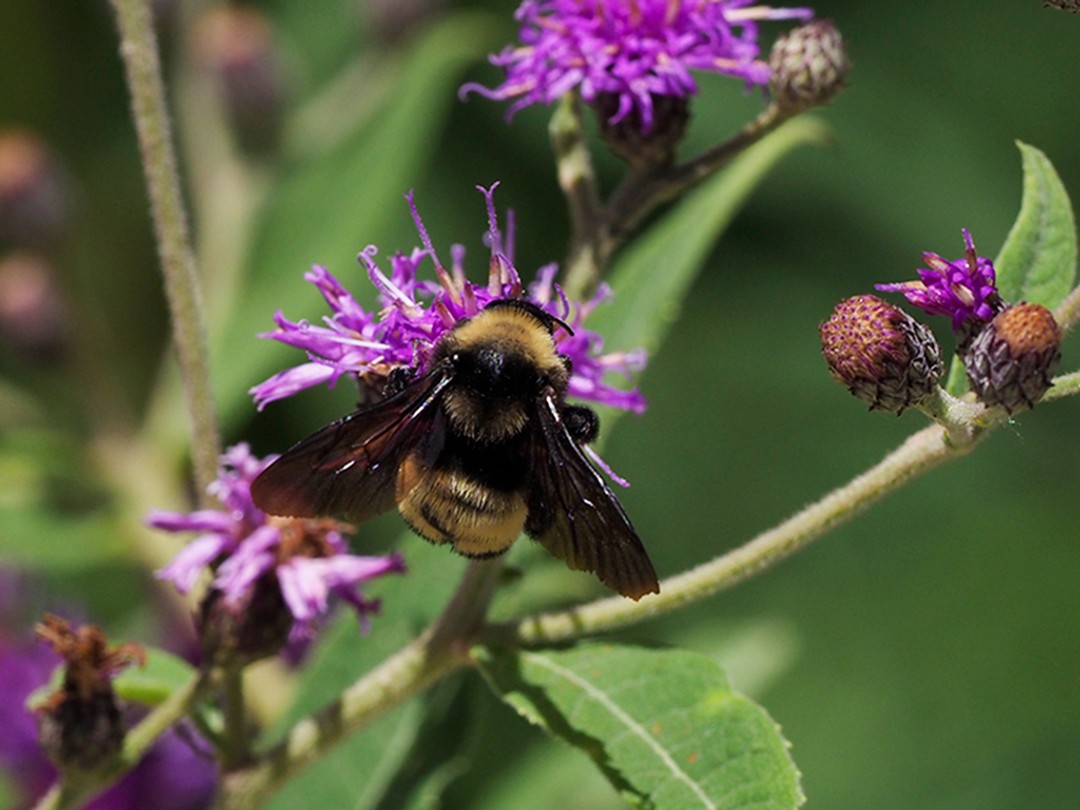
Bombus pensylvanicus (American bumblebee) 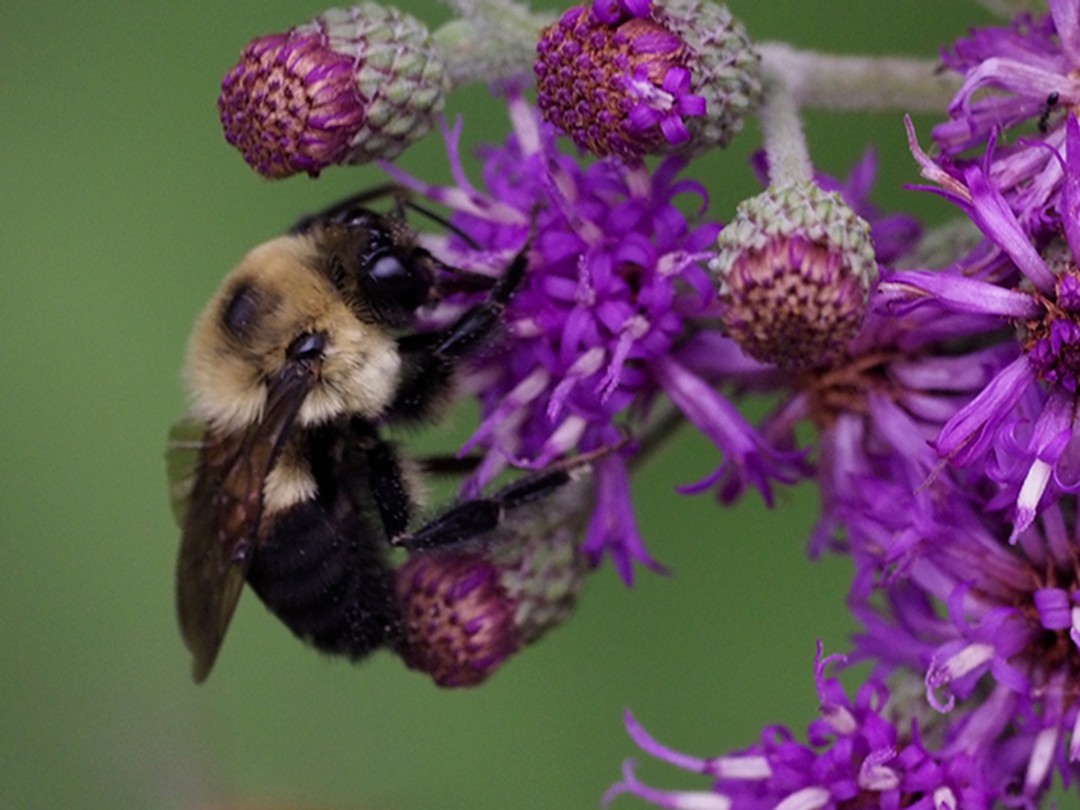
Bombus griseocollis (Brown-belted Bumblebee)
Butterflies & Skippers
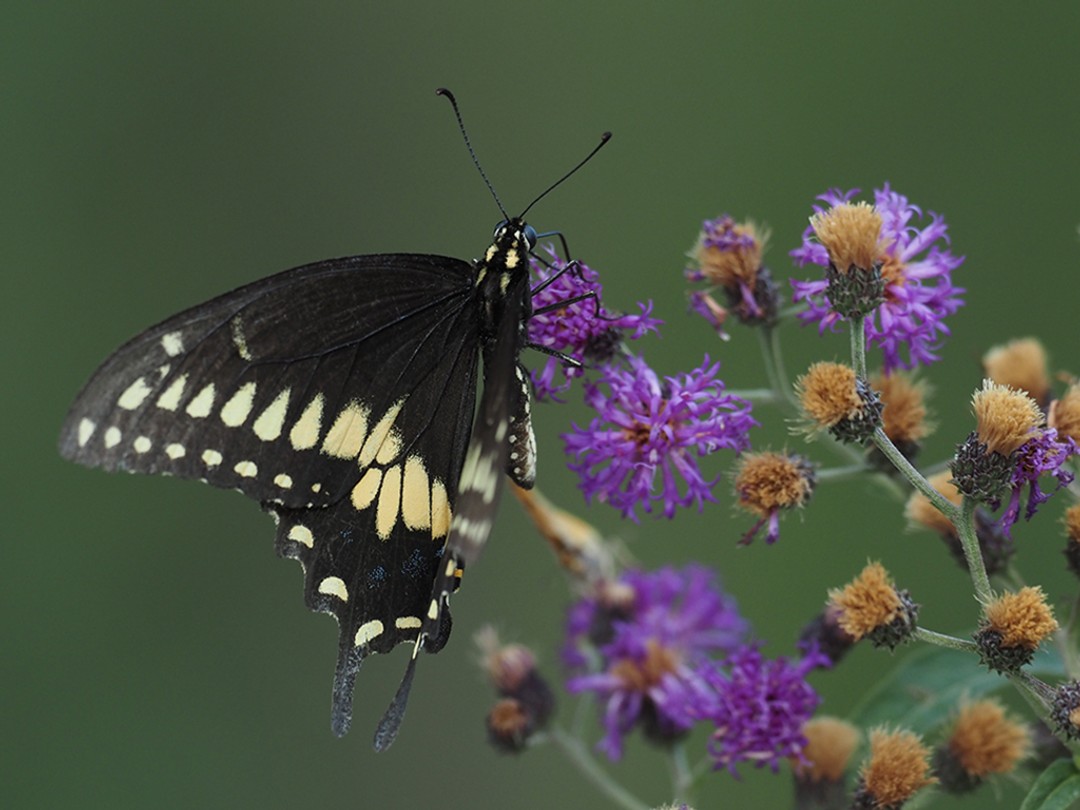
Black Swallowtail 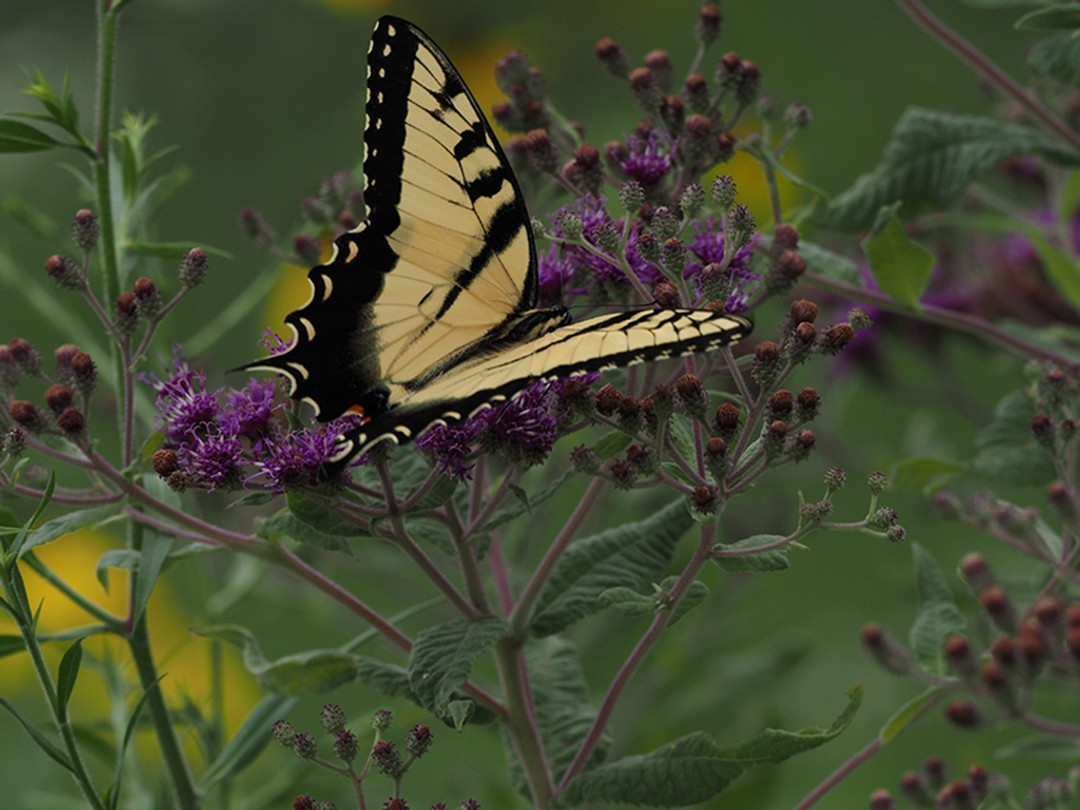
Eastern Tiger Swallowtail 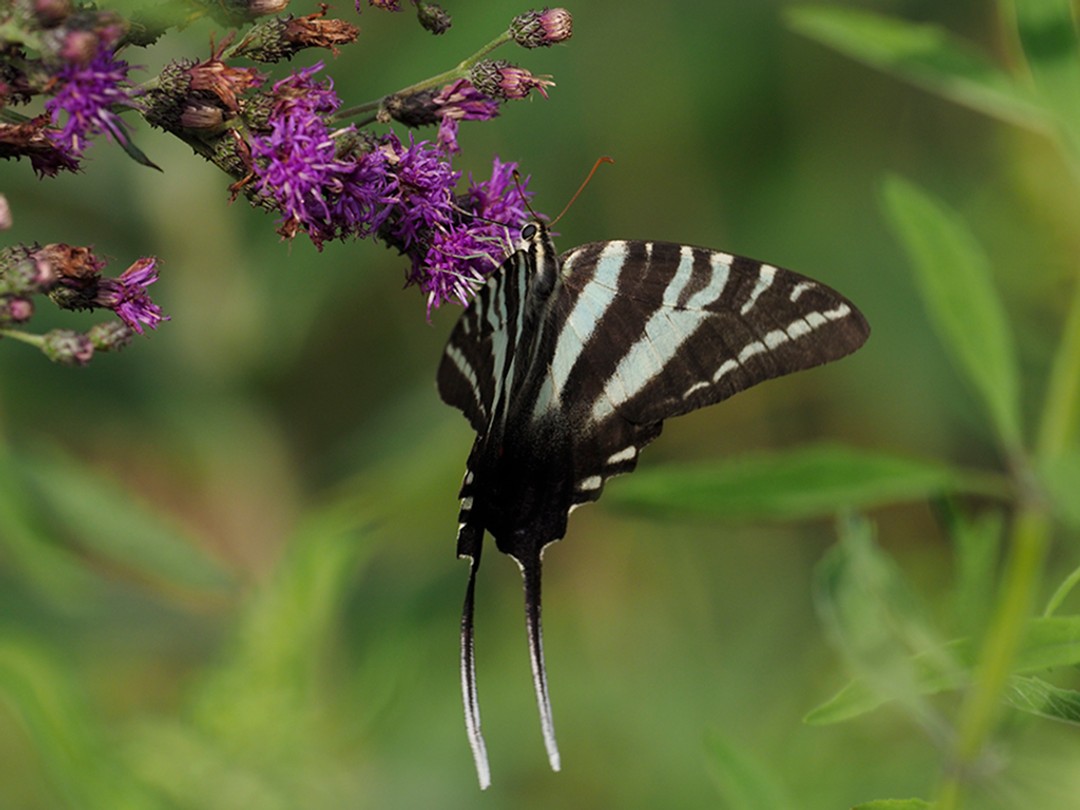
Zebra Swallowtail 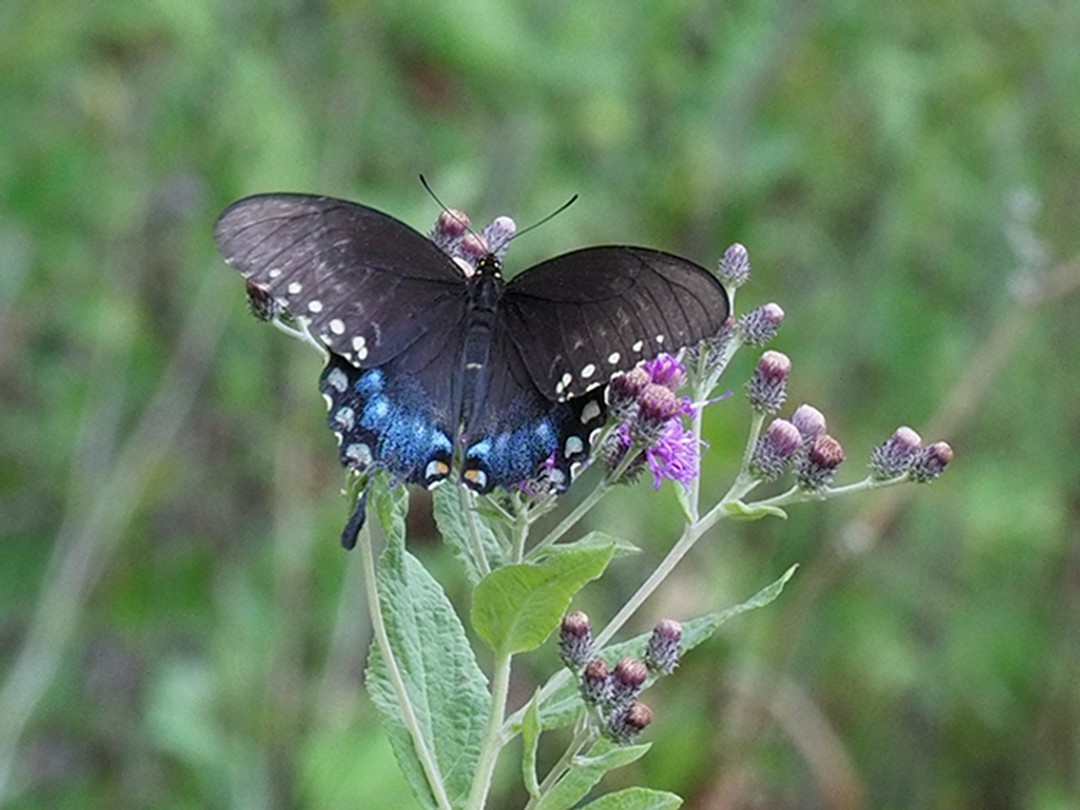
Spicebush Swallowtail 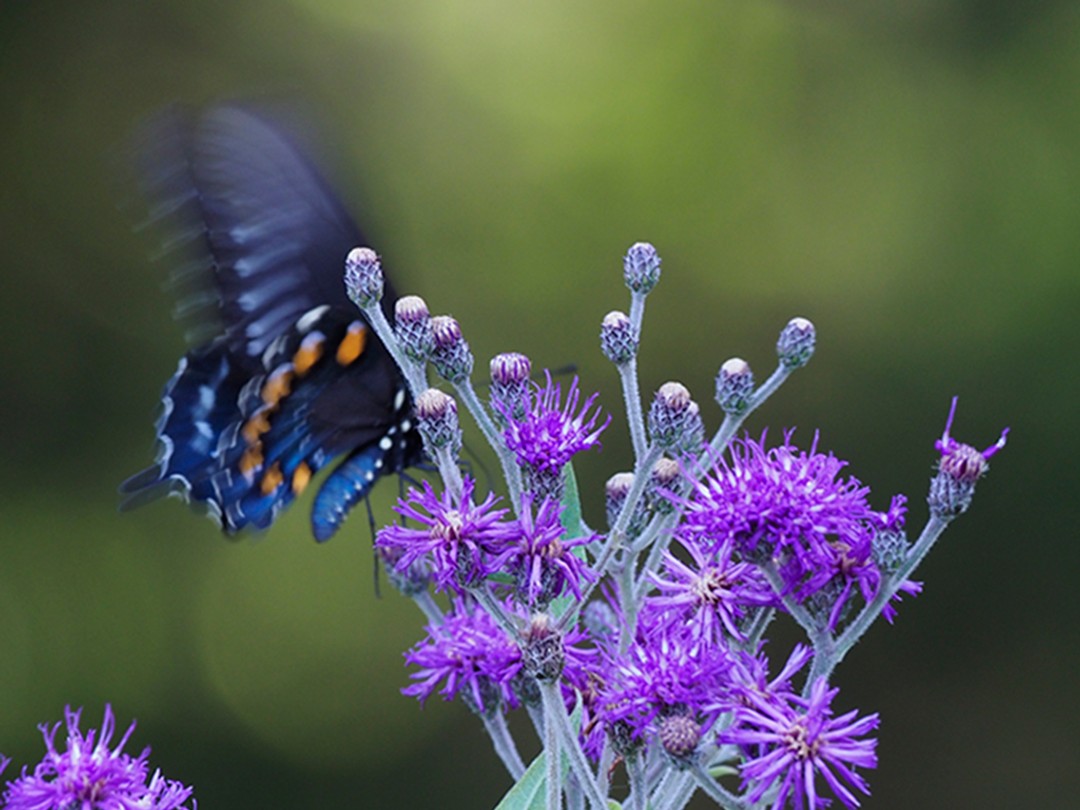
Pipevine Swallowtail 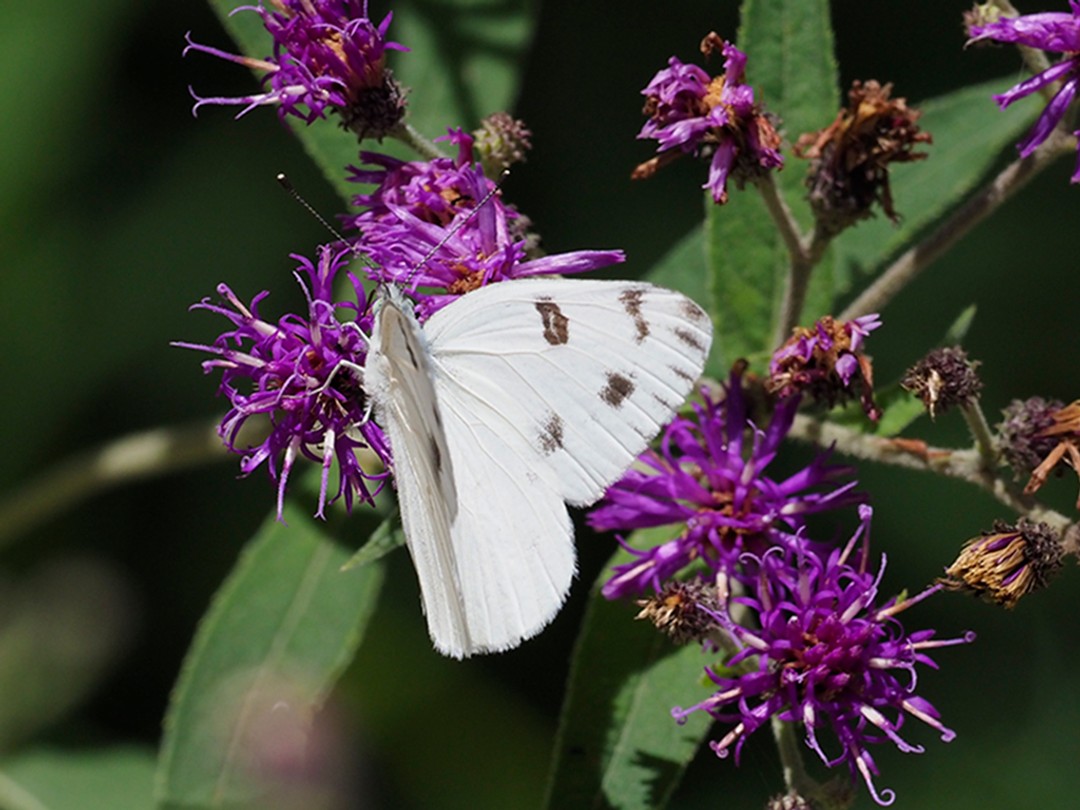
Checkered White 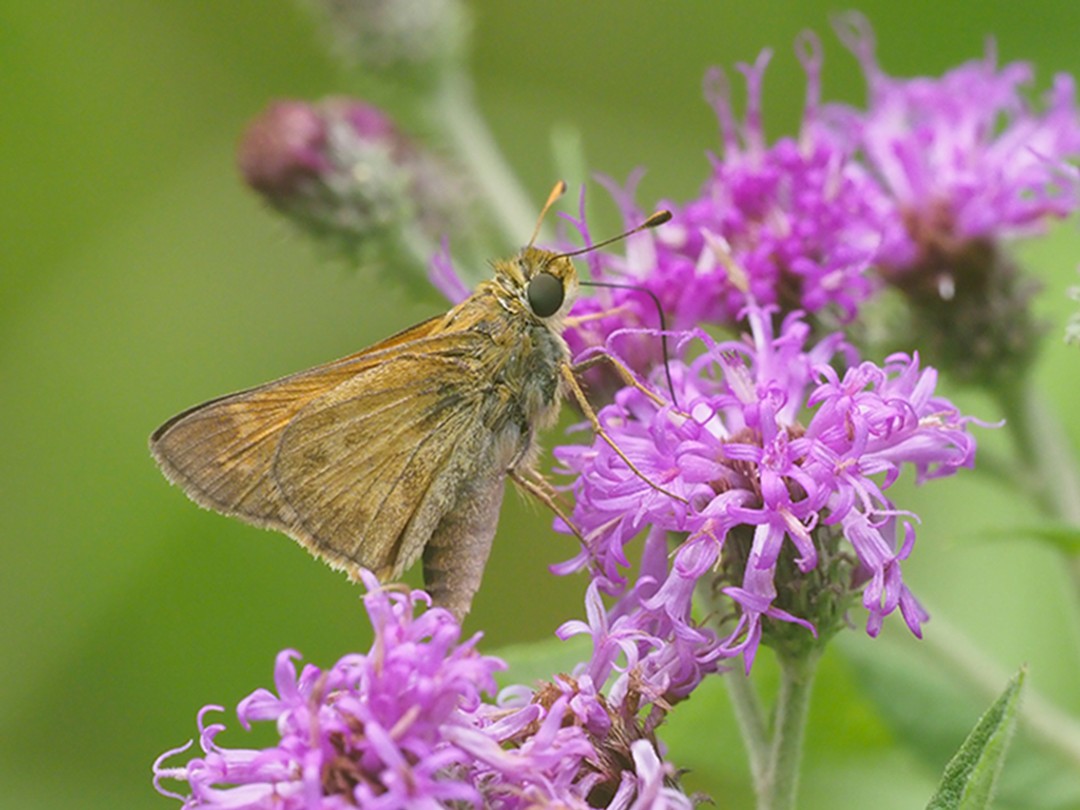
Sachem Skipper 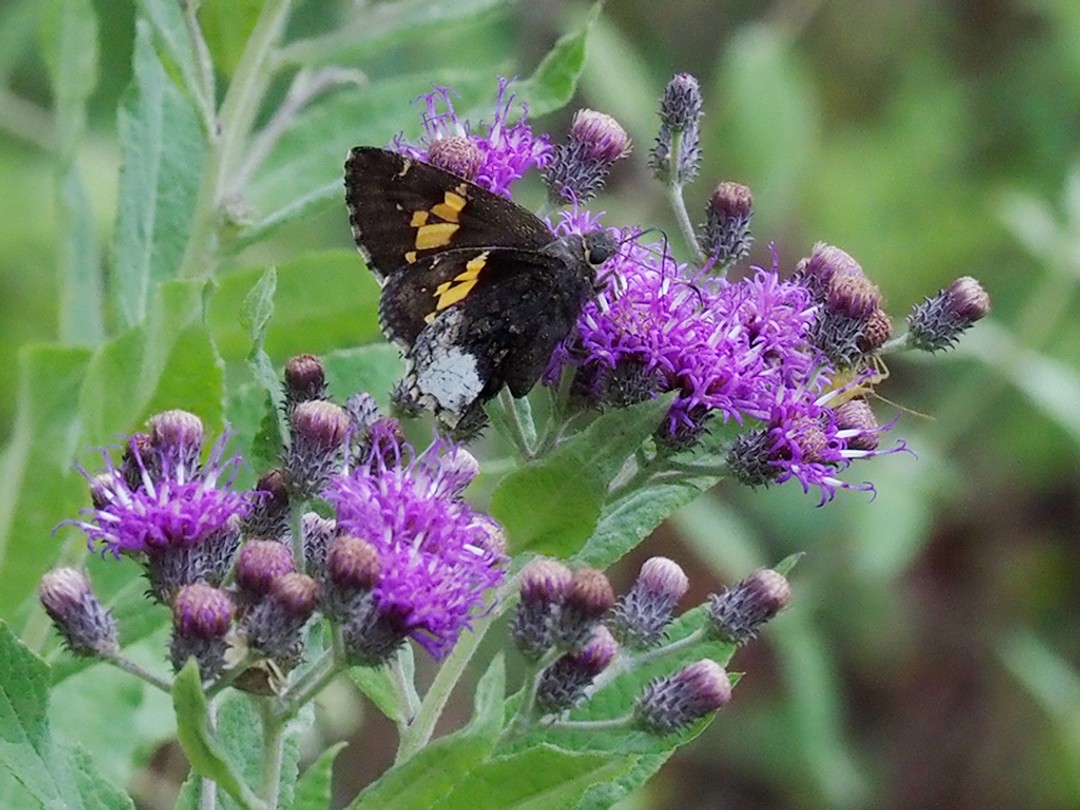
Hoary Edge Skipper
Hummingbird
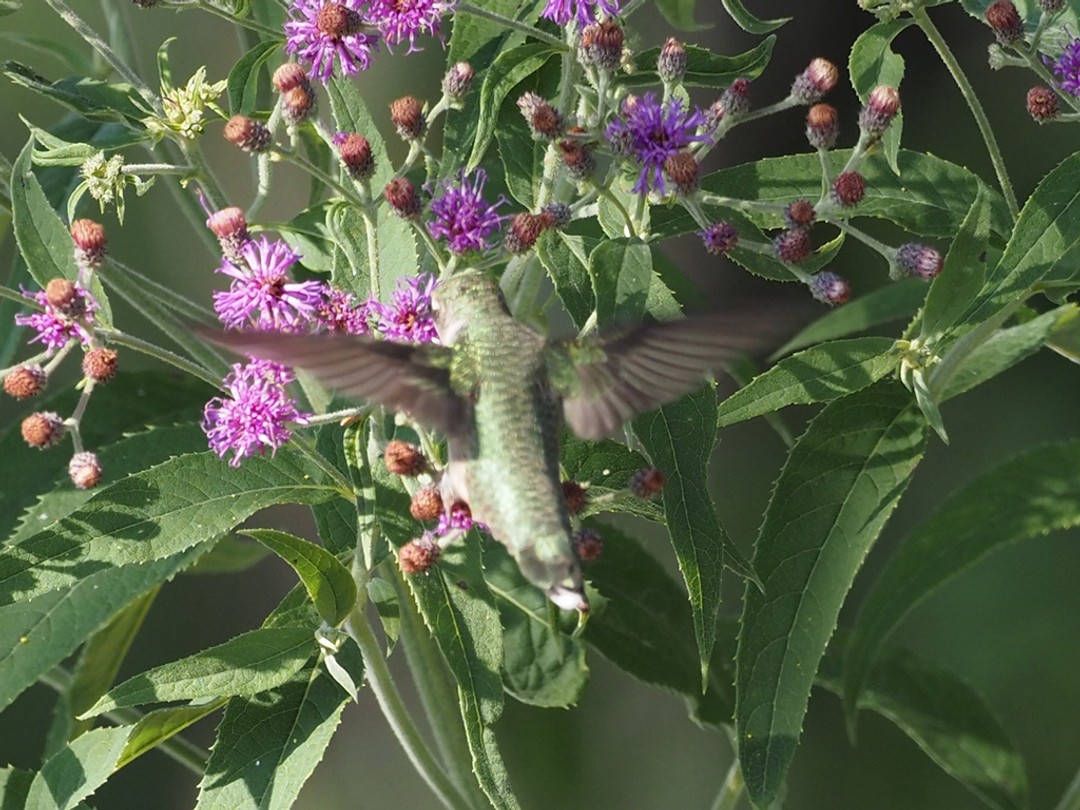
Ruby-throated Hummingbird 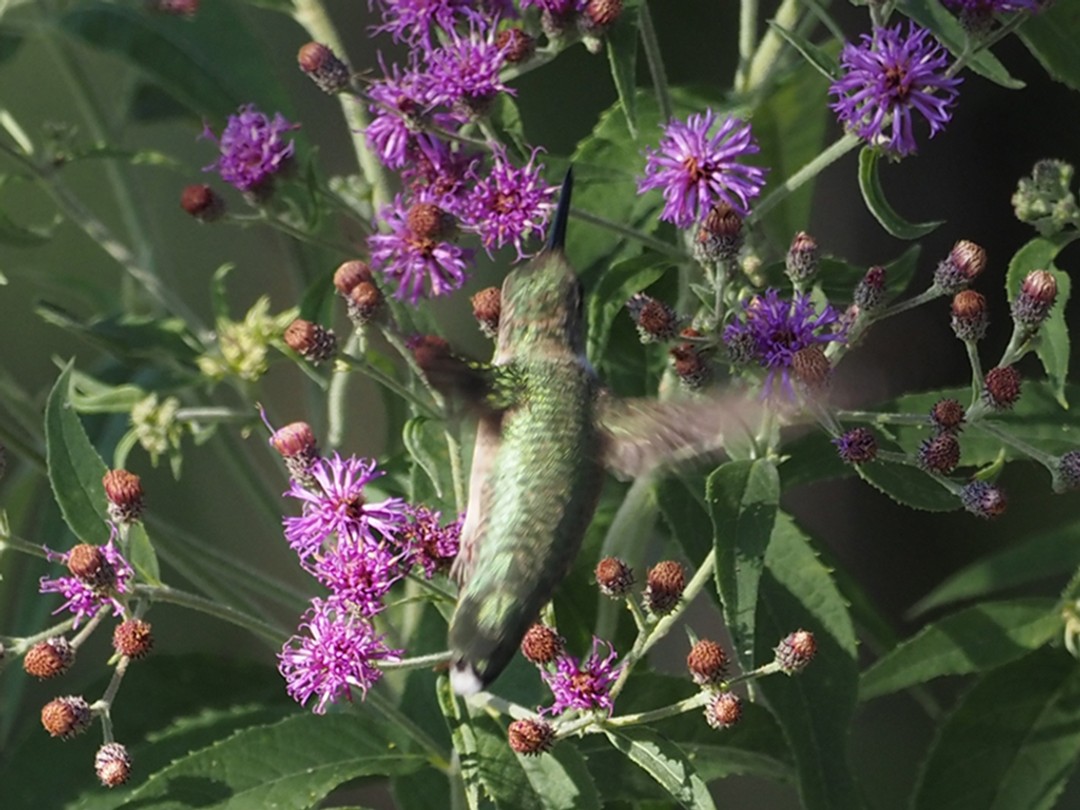
Ruby-throated Hummingbird
PLANTS GROWING NEARBY
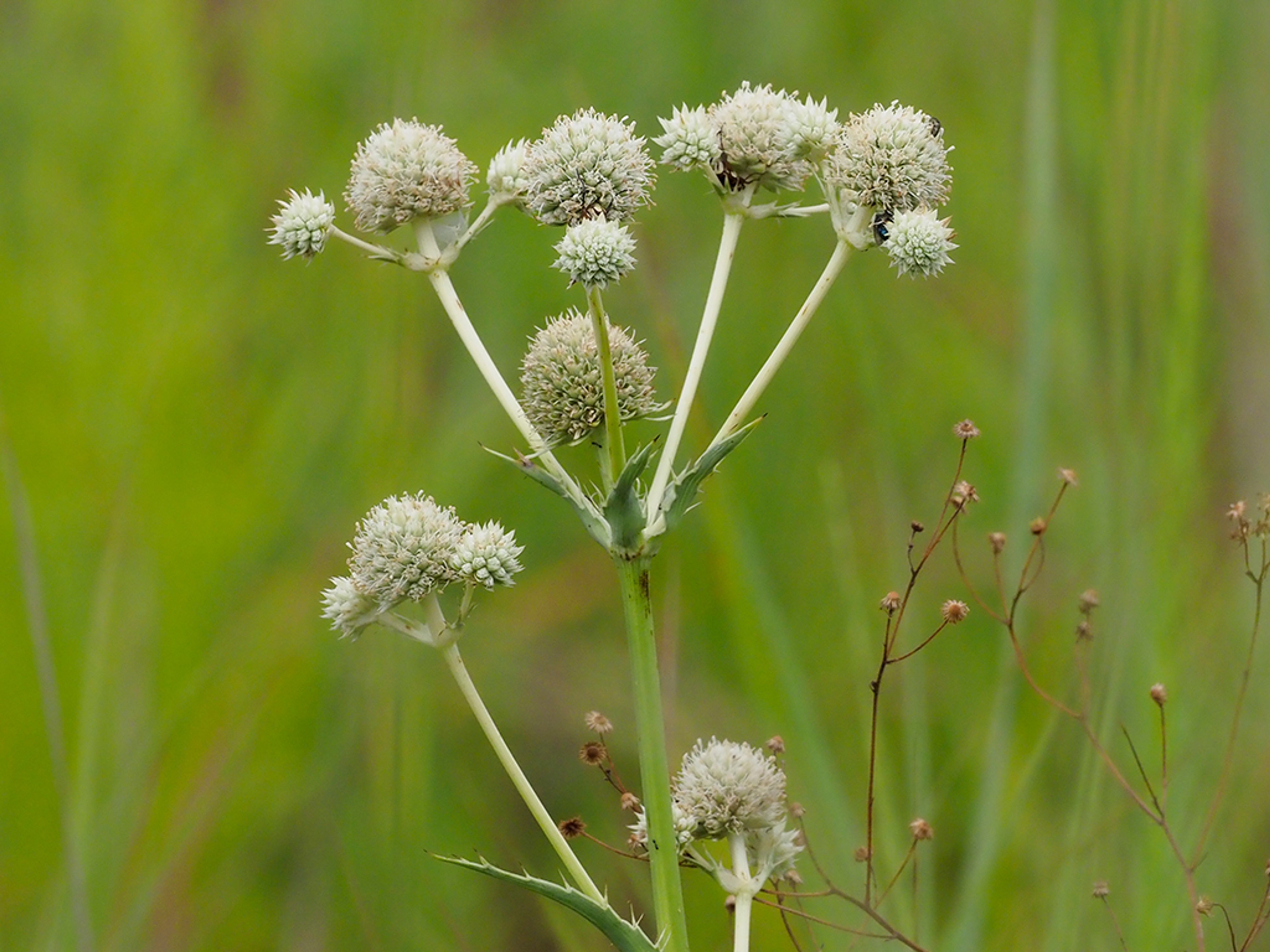
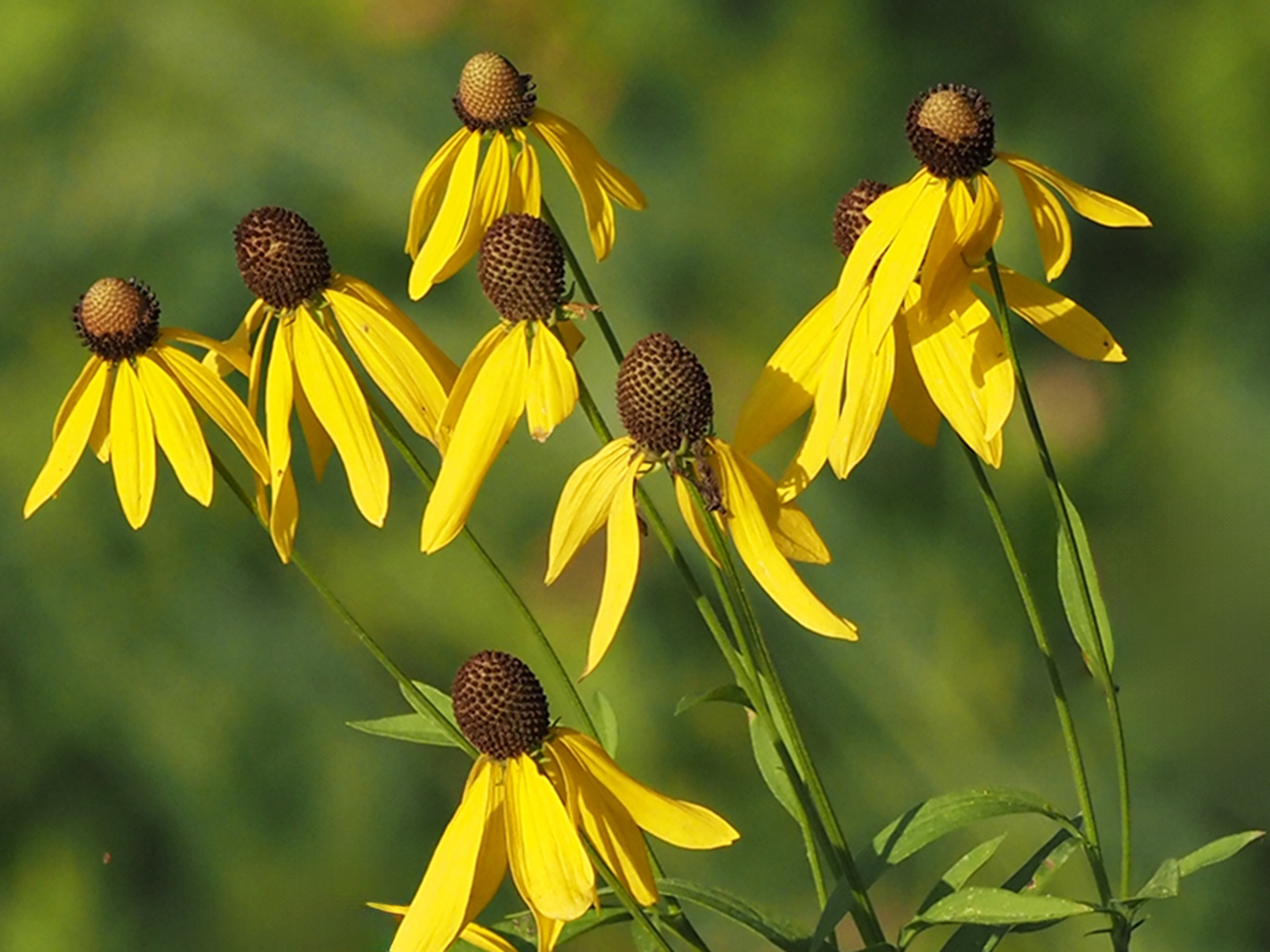
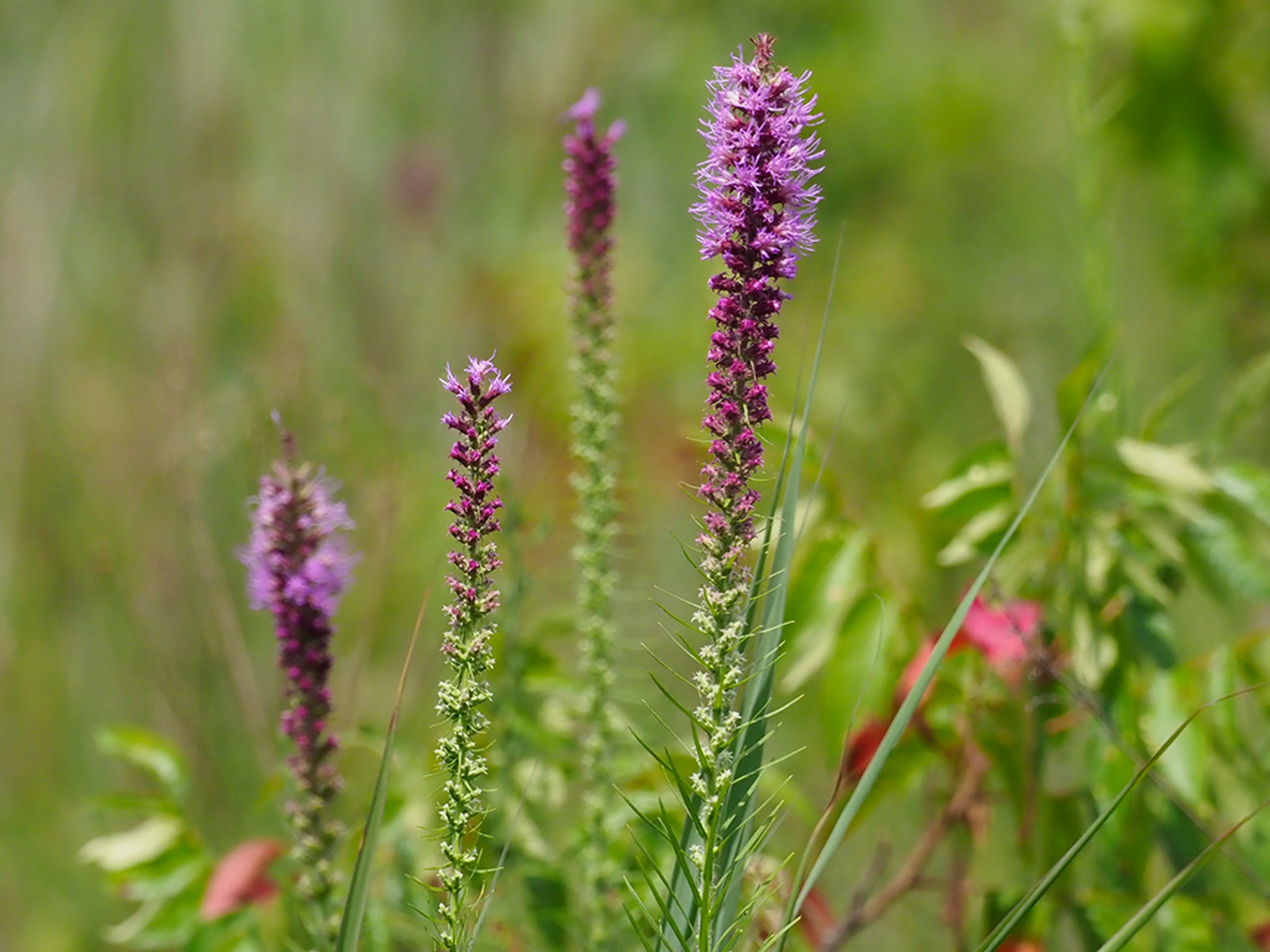
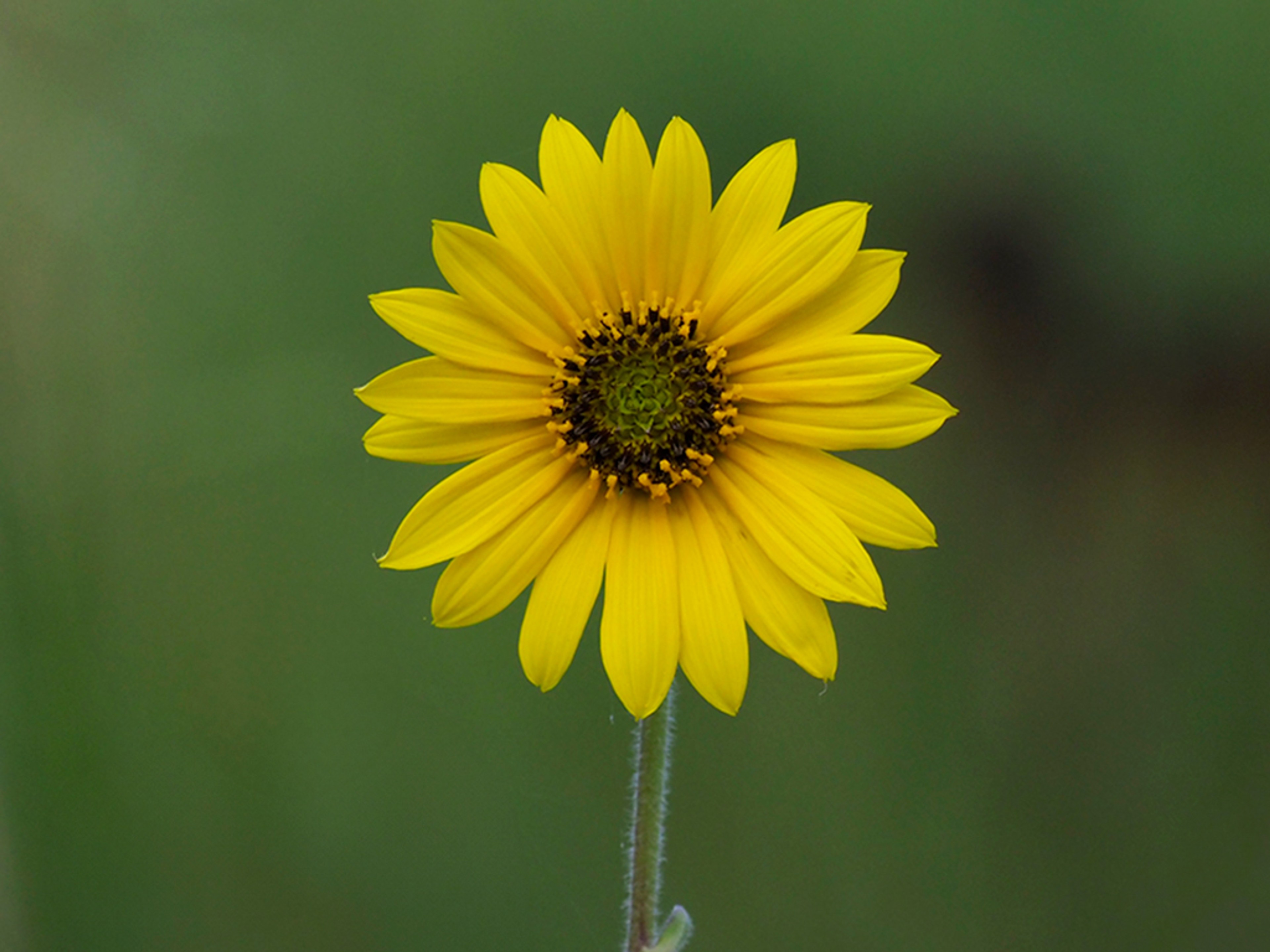
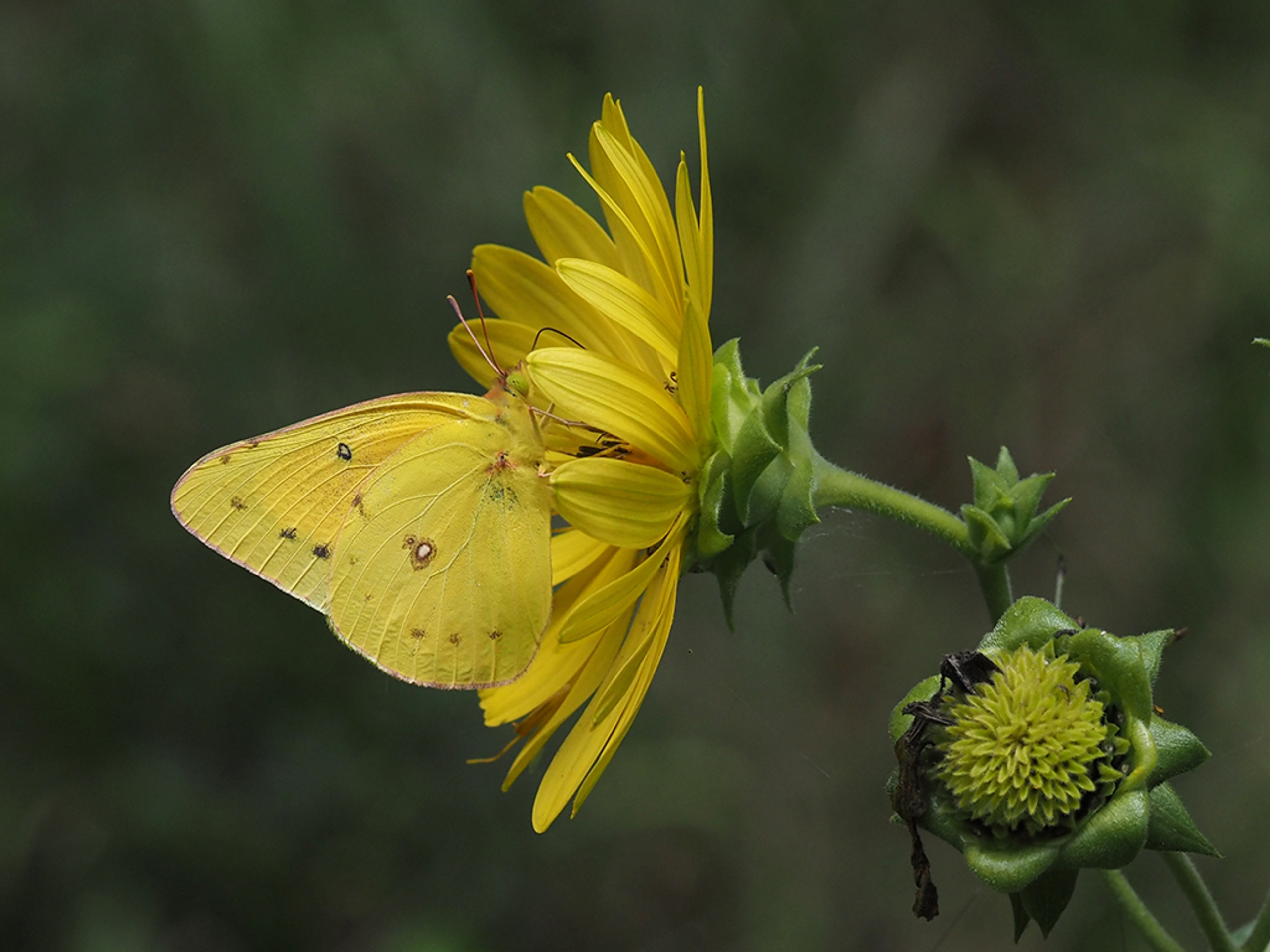
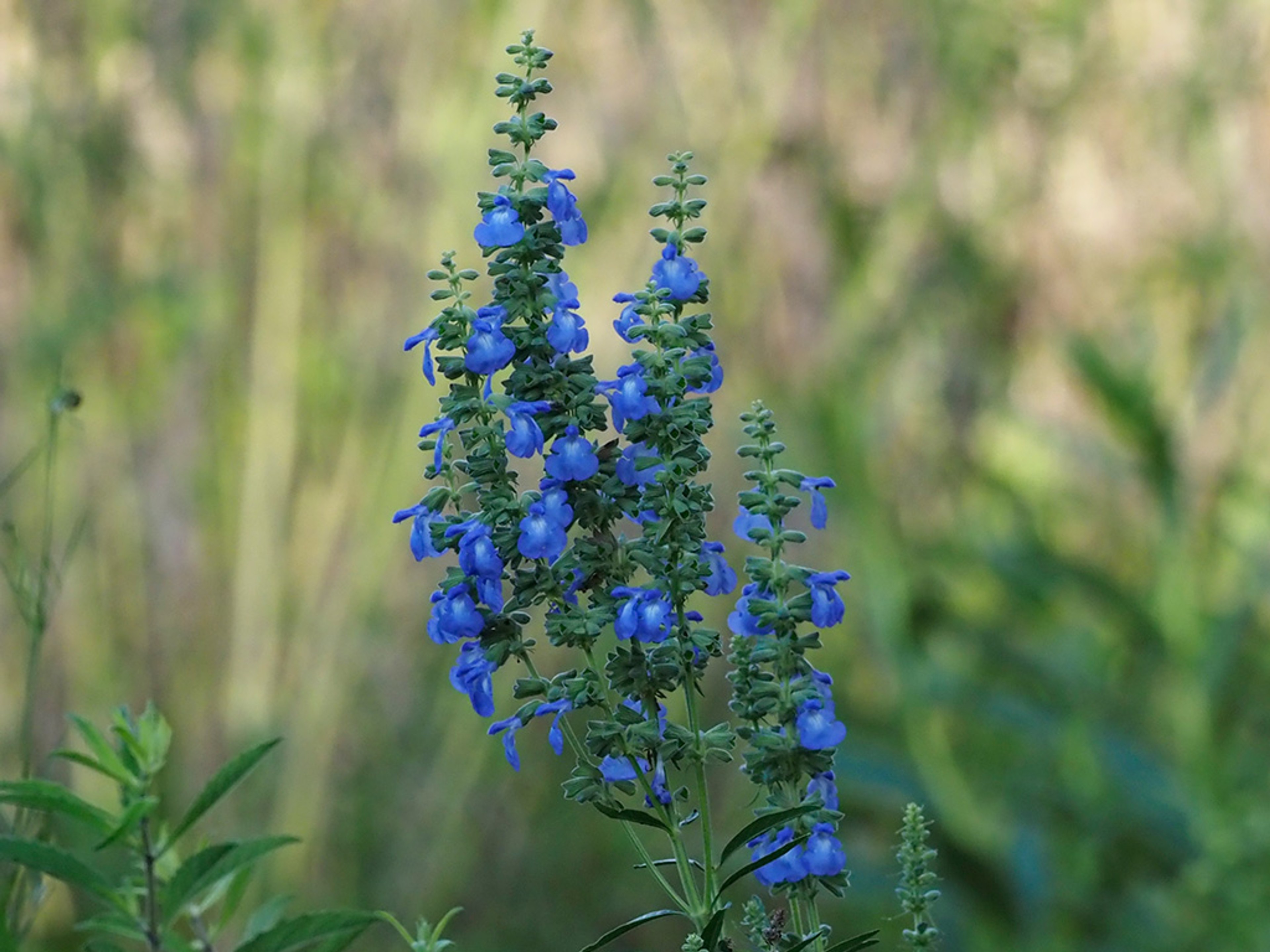
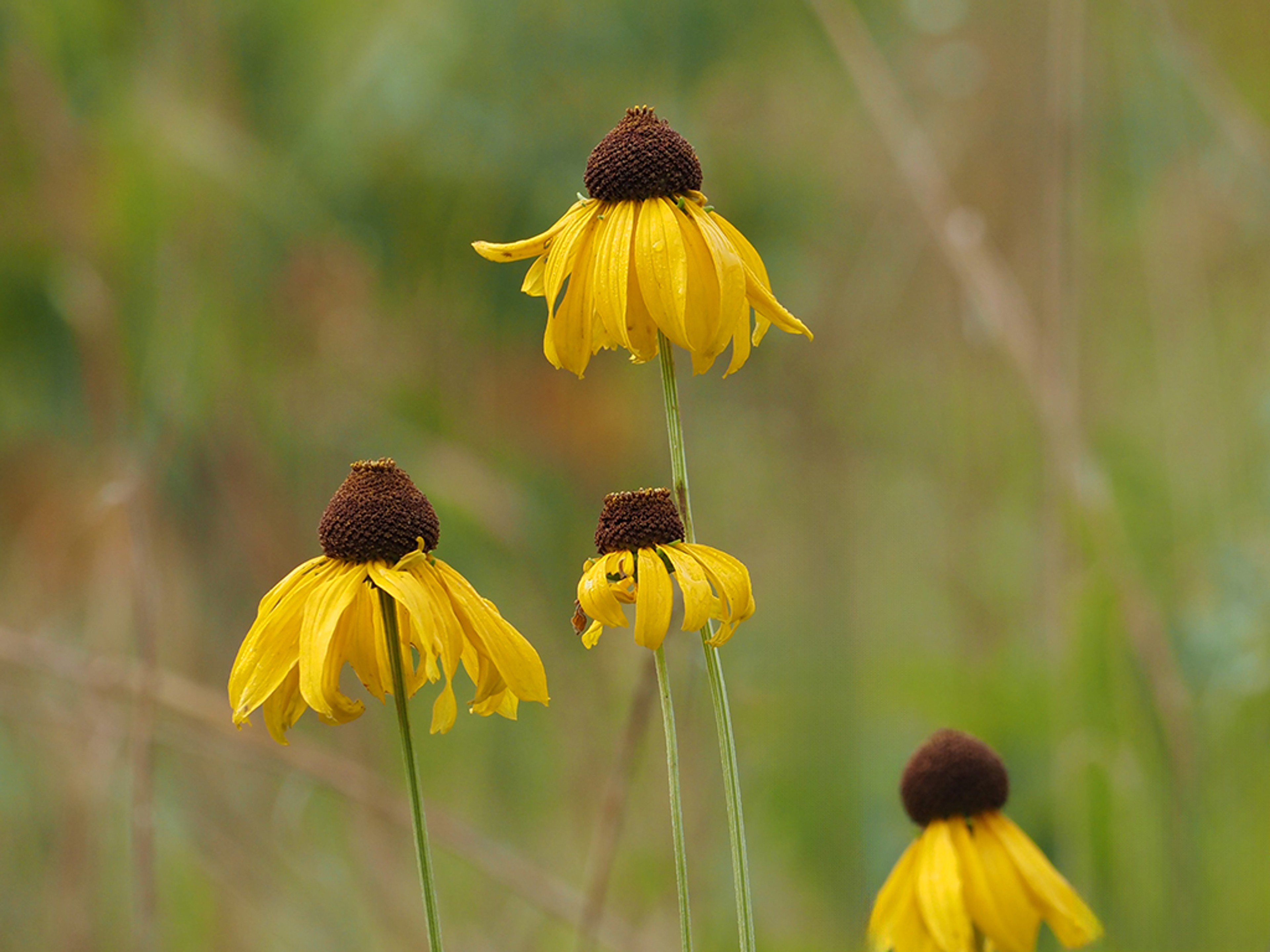
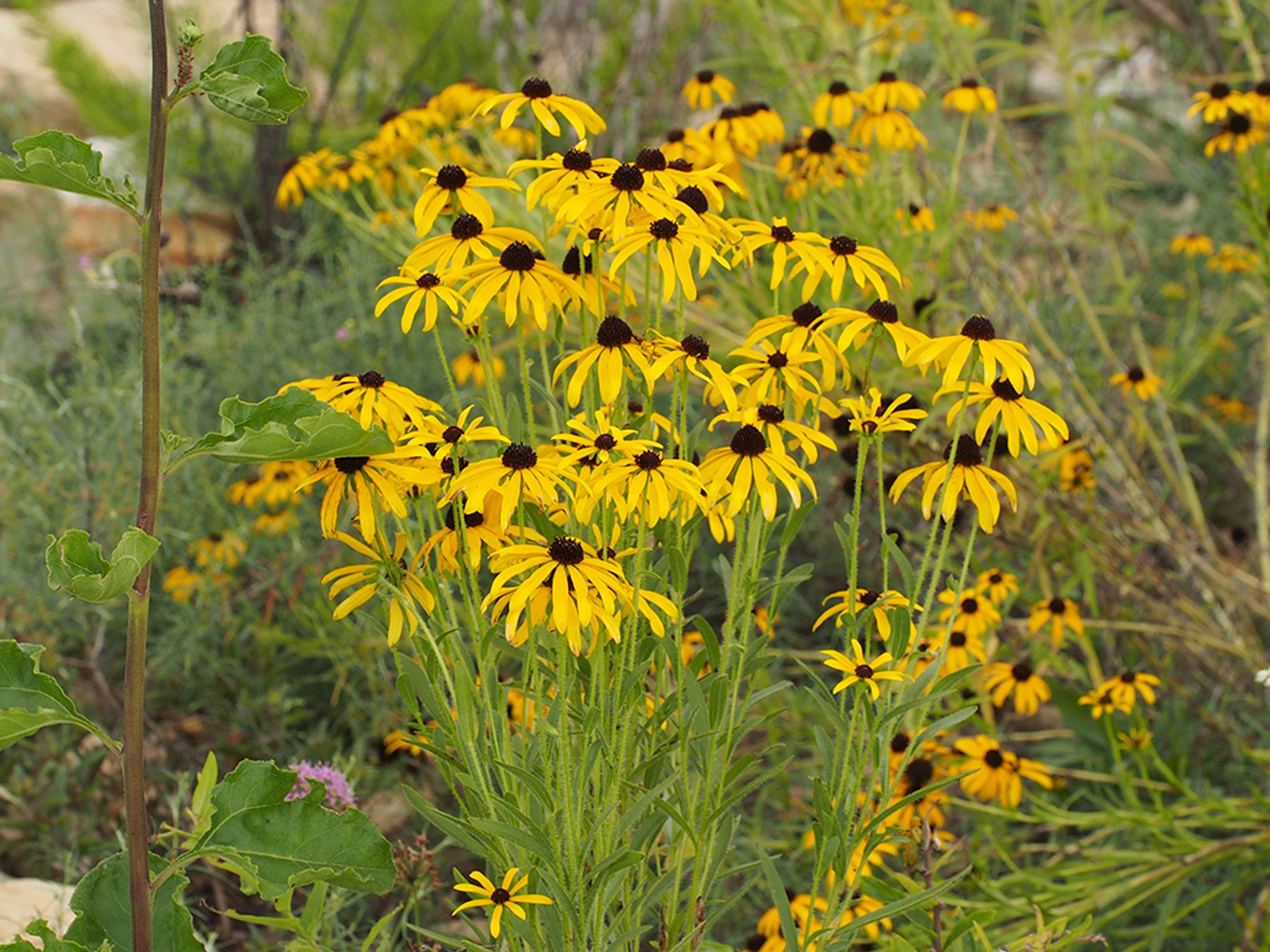
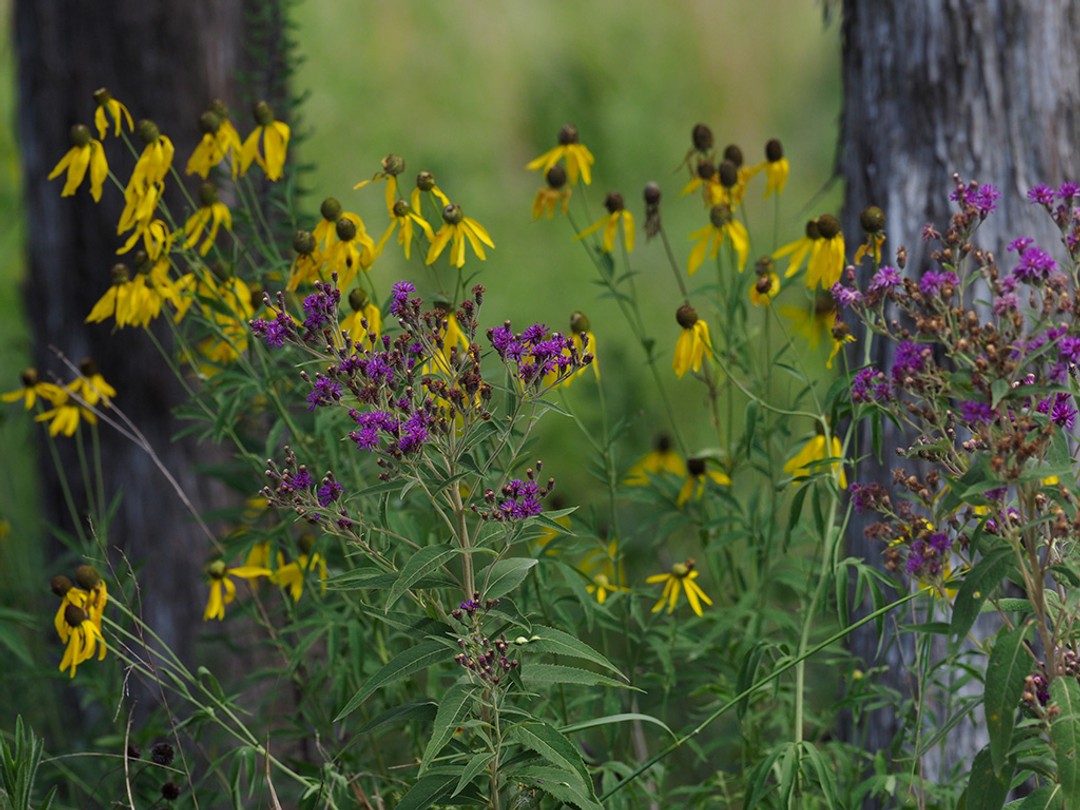
There are many beautiful native wildflowers growing near Baldwin's Ironweed. I find its purple flowers particularly beautiful blooming alongside the bright yellow flowers of Gray-headed coneflower. Take a look at the two photos below.
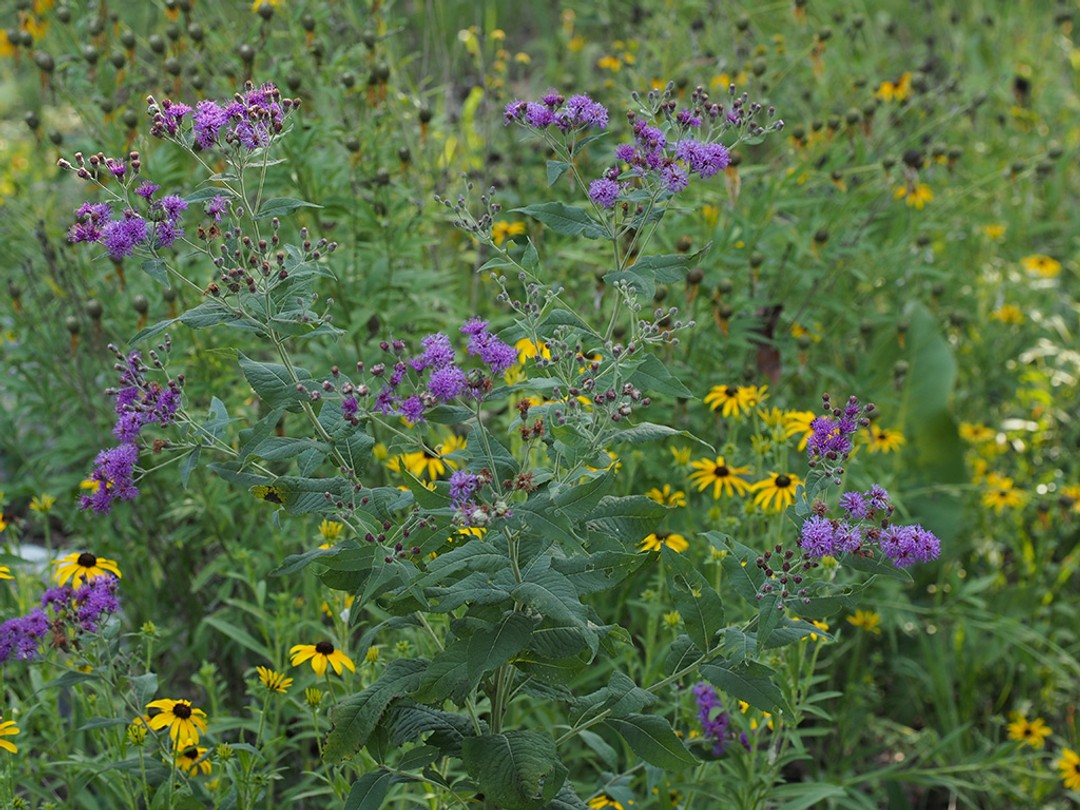
It's interesting to see Baldwin's Ironweed blooming alongside Prairie blazing star as their purple hue is nearly identical!
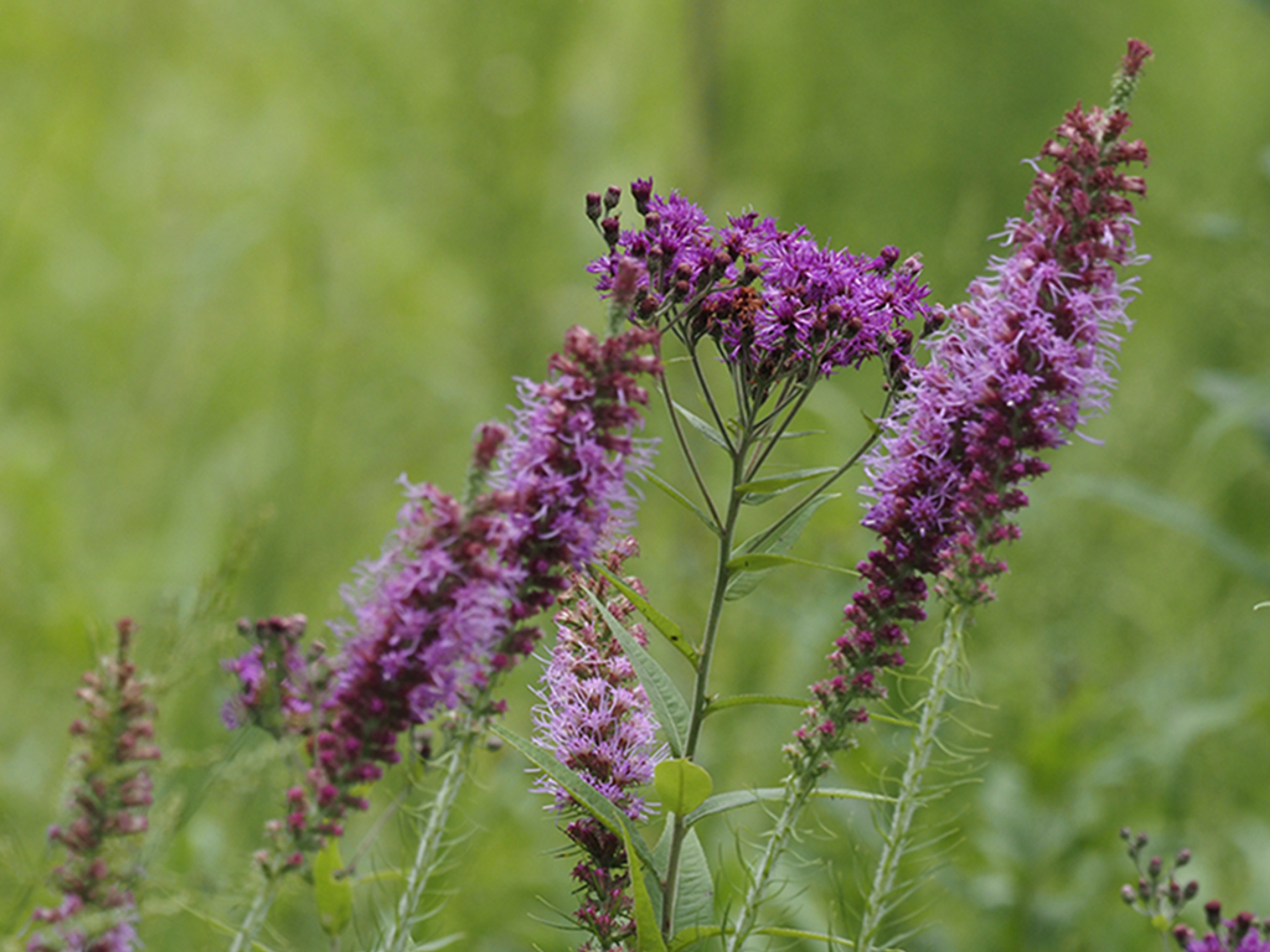
There are many other beautiful and interesting plant companions to Vernonia baldwinii. Take a look through the Growing Nearby section.
HABITAT
Vernonia baldwinii is an adaptable plant, found in a wild range of habitats. It inhabits prairies, glades, open woodlands, woodland edges, forest openings, savannas, as well as old fields and railroads- just about any native habitat excluding wetlands! It handles our dry, rocky soil as well as clay. It's a lovely plant for the back of a garden with shorter plants blooming in the foreground. Keep in mind that very rich soil in a garden bed can cause it to flop.
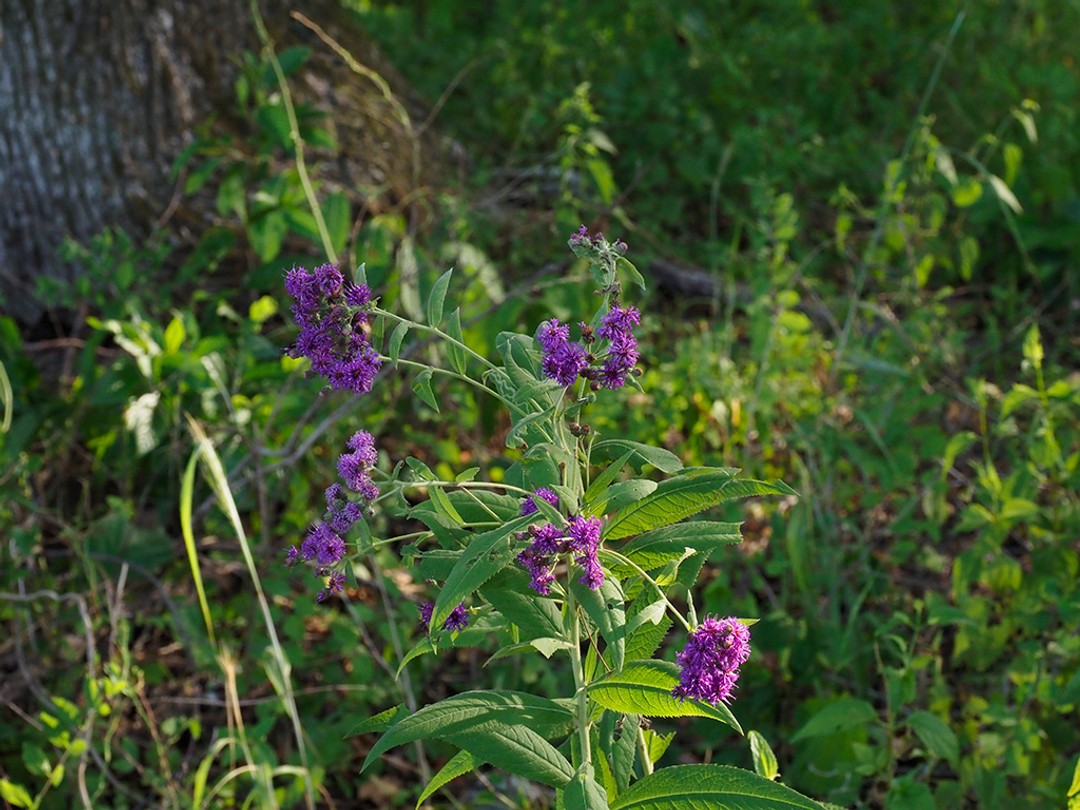
Woodland edge habitat 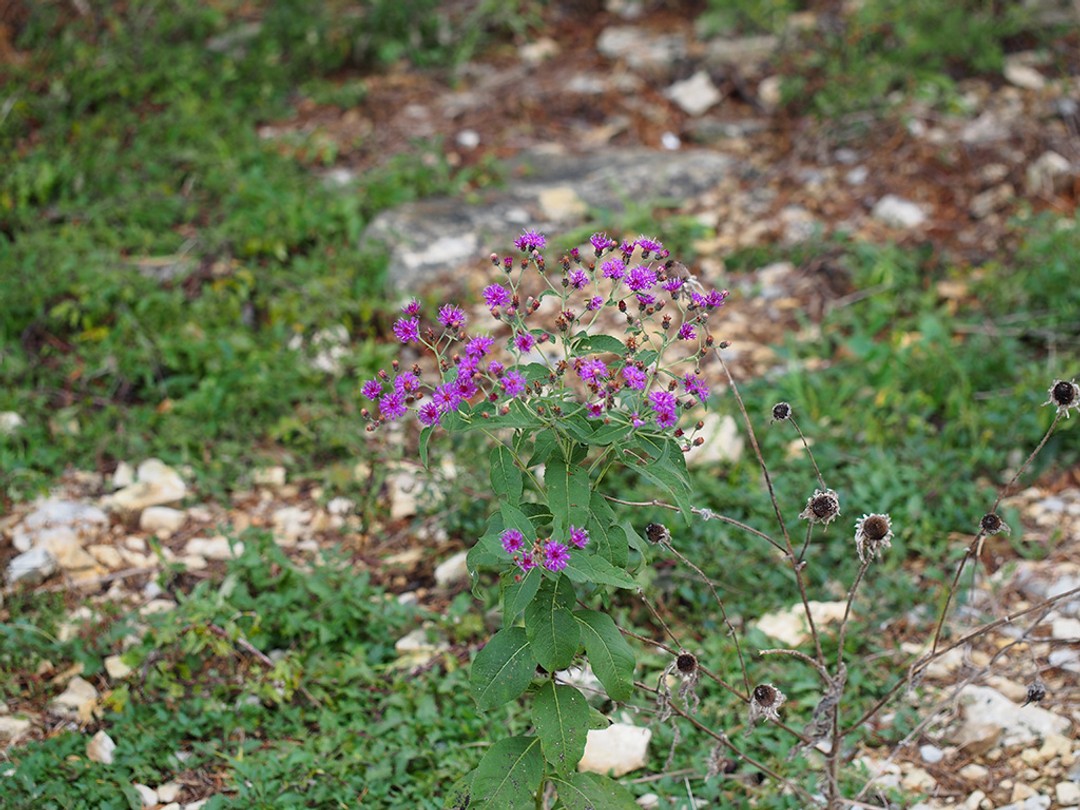
Glade habitat 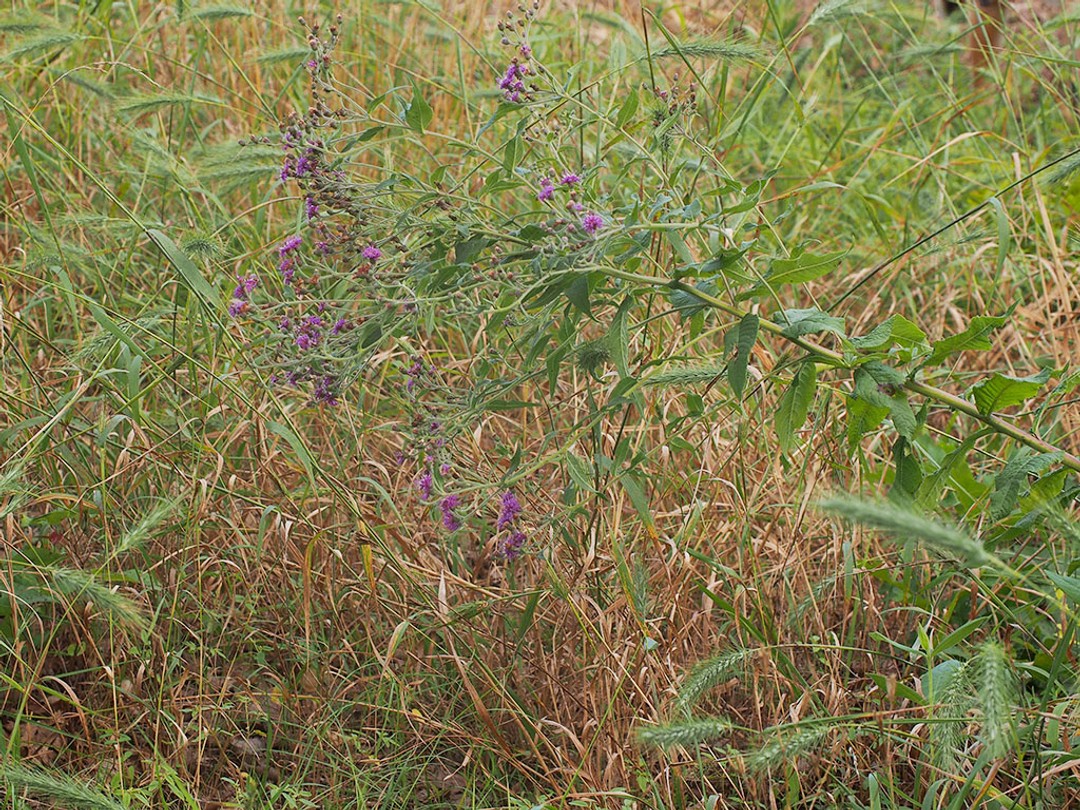
Grassland habitat 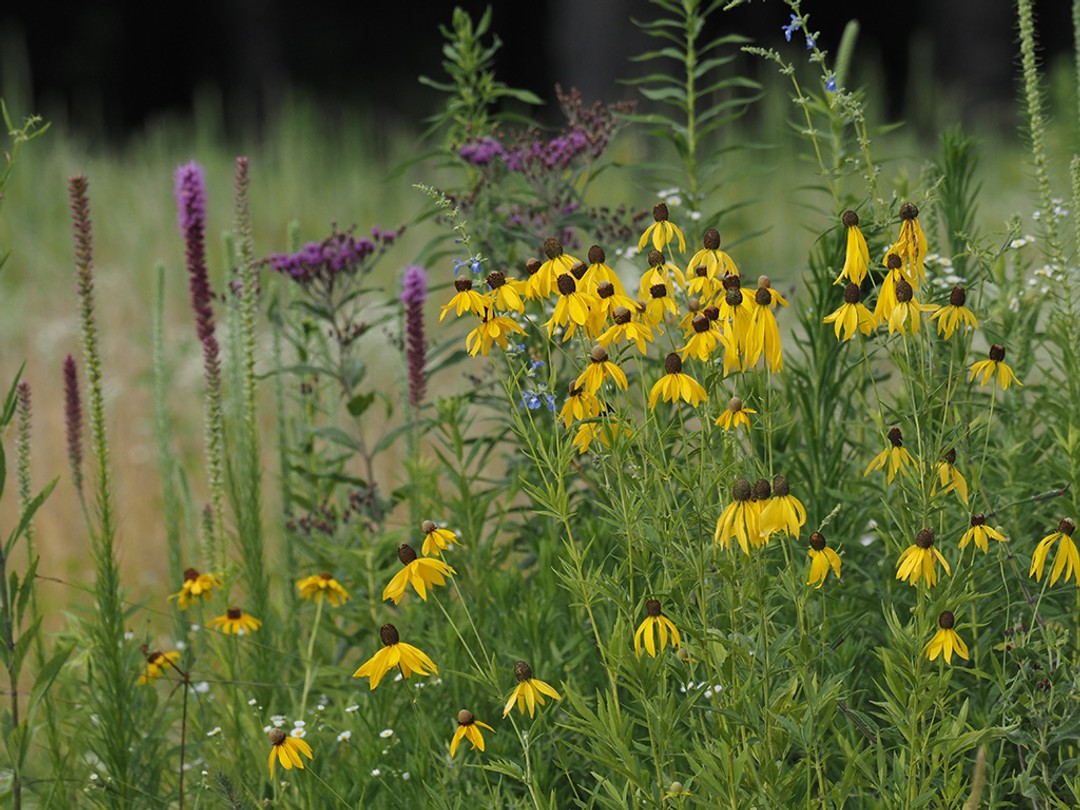
Prairie habitat
CONSERVATION STATUS
Vernonia baldwinii extends westward to Colorado and northward to South Dakota. NatureServe lists it as Apparently Secure in Iowa, Imperiled in Colorado and Possibly Extirpated in Minnesota. All other states within its range show No Status Ranking.
In Arkansas it has a Conservation Value of 6 (in the group of 4-7). This means "Typically matrix taxa in intact, stable habitats, with some limited ability to respond to destabilizing forces and repopulate areas from which they have been extirpated."
INTERESTING TIDBITS
If deer and rabbits are a problem in your garden, this is a great plant to add. It has a bitter taste that causes them to avoid it. Additionally, livestock dislike its taste as well, hence, it's often seen blooming in pastures where it can become a bit weedy.