PLANT NAME
The word 'pycnanthemum' is derived from the Greek word 'pyknos' meaning dense and 'anthos' meaning flower. Altogether it refers to the dense clusters of flower found on this Mountain mint. The specific epithet 'tenuifolium' refers to the leaves, meaning slender or thin leaved.
BLOOM
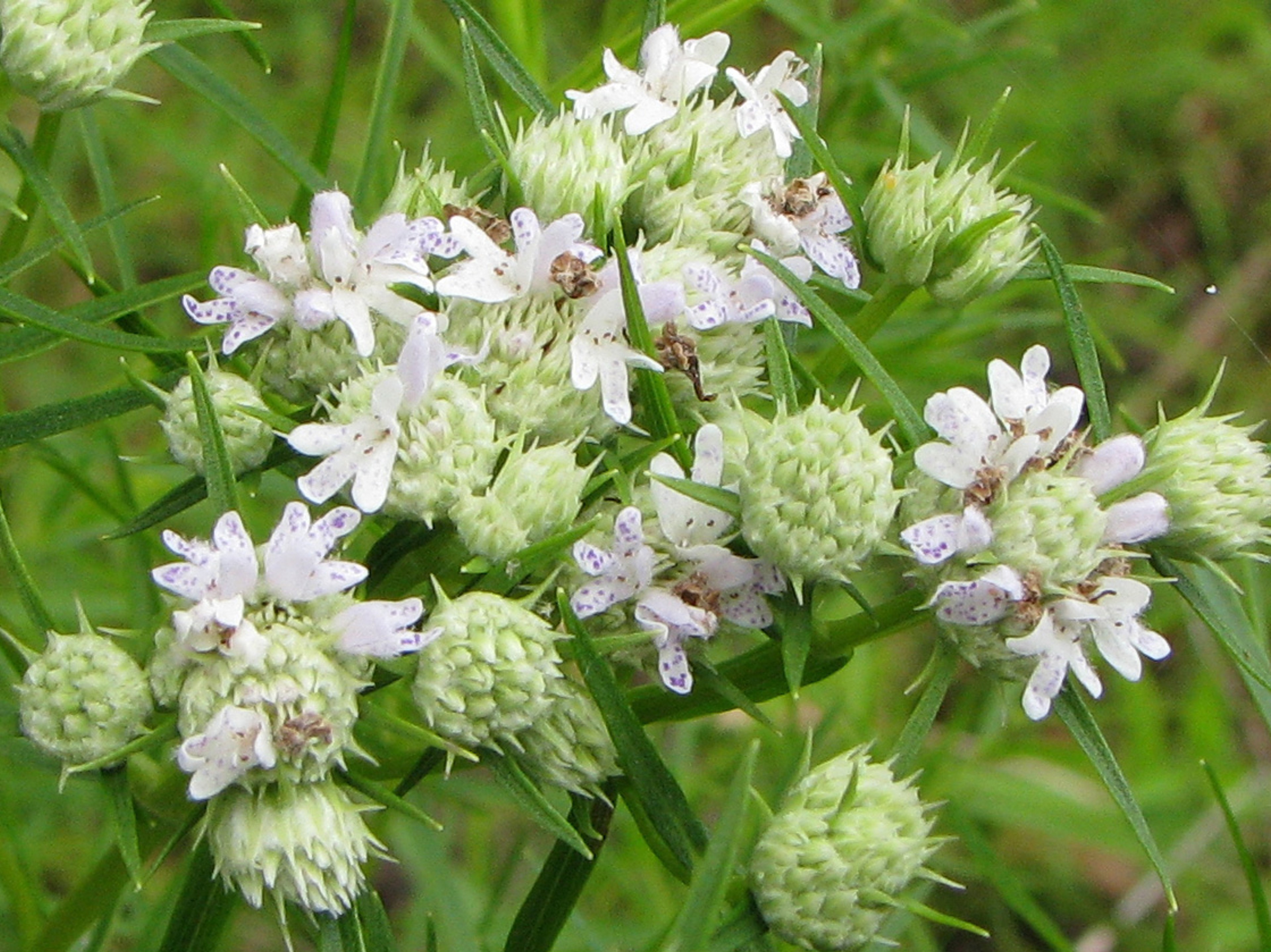
A quick look at the flowers of Pycnanthemum tenuifolium finds them quite similar to those of P. Virginianum. They are white or pale lavender and usually with purplish dots. The flowers have an upper and lower lip with the lower lip having 3 lobes. While individual flowers are small, their impact is large as they grow in clusters like little bouquets. Flowering extends up to 6 weeks.
After flowering, small dark seeds transition from brown to almost a pewter color when ripe. The ripe seeds are dispersed by wind.
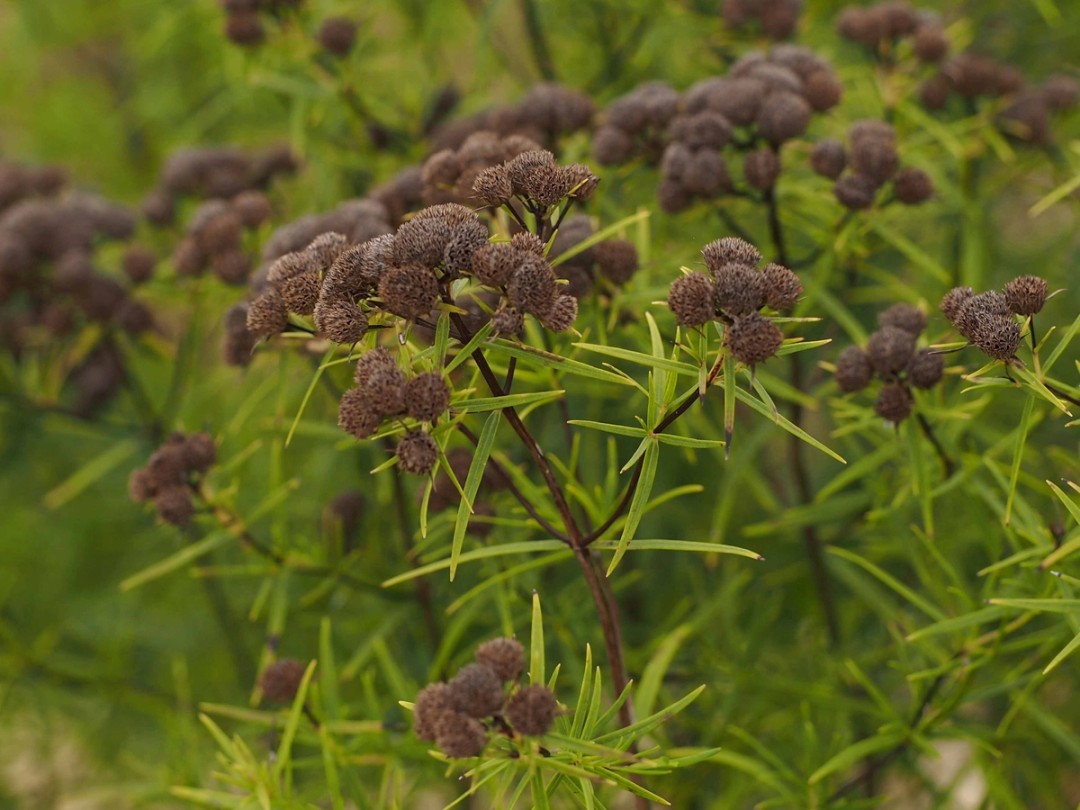
Seed heads in August 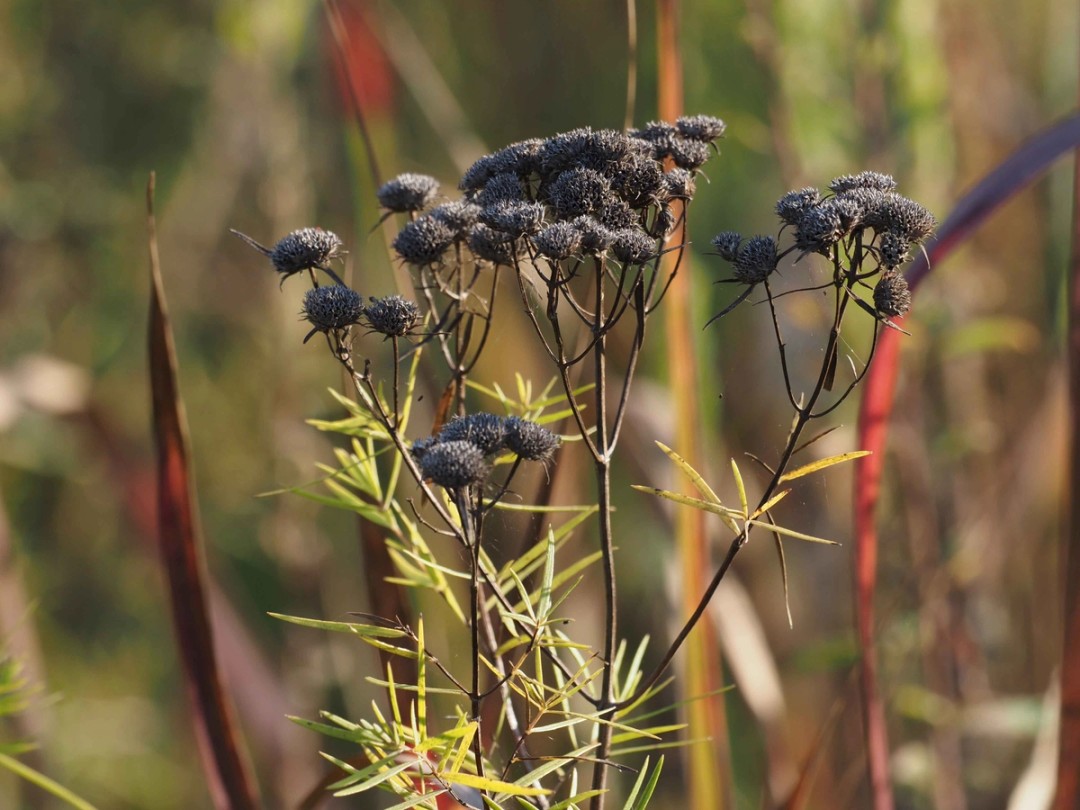
Ripe seed heads in September
DESCRIPTION
Pycnanthemum tenufolium is a perennial wildflower growing from 2- 3 feet tall. It has numerous branches giving it a bushy appearance. The leaves are linear and occur opposite. They are sessile (or nearly so), narrow, tapering and about 1-3 inches in length.
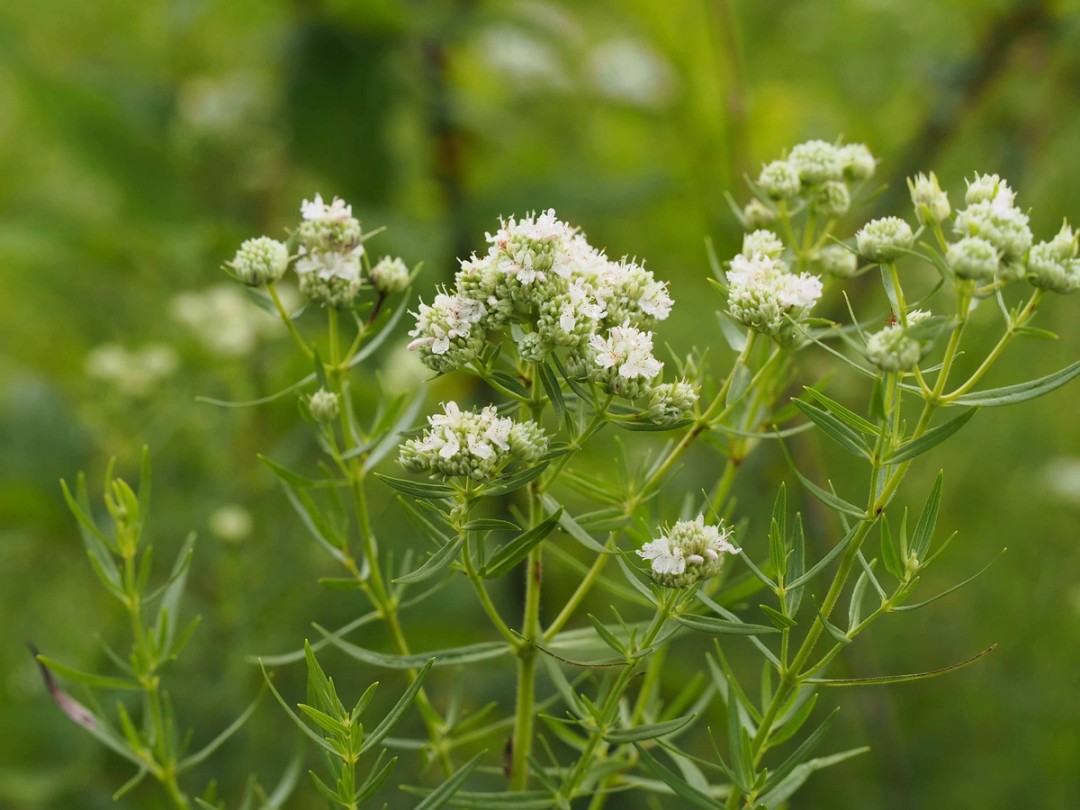
Stem and linear leaves 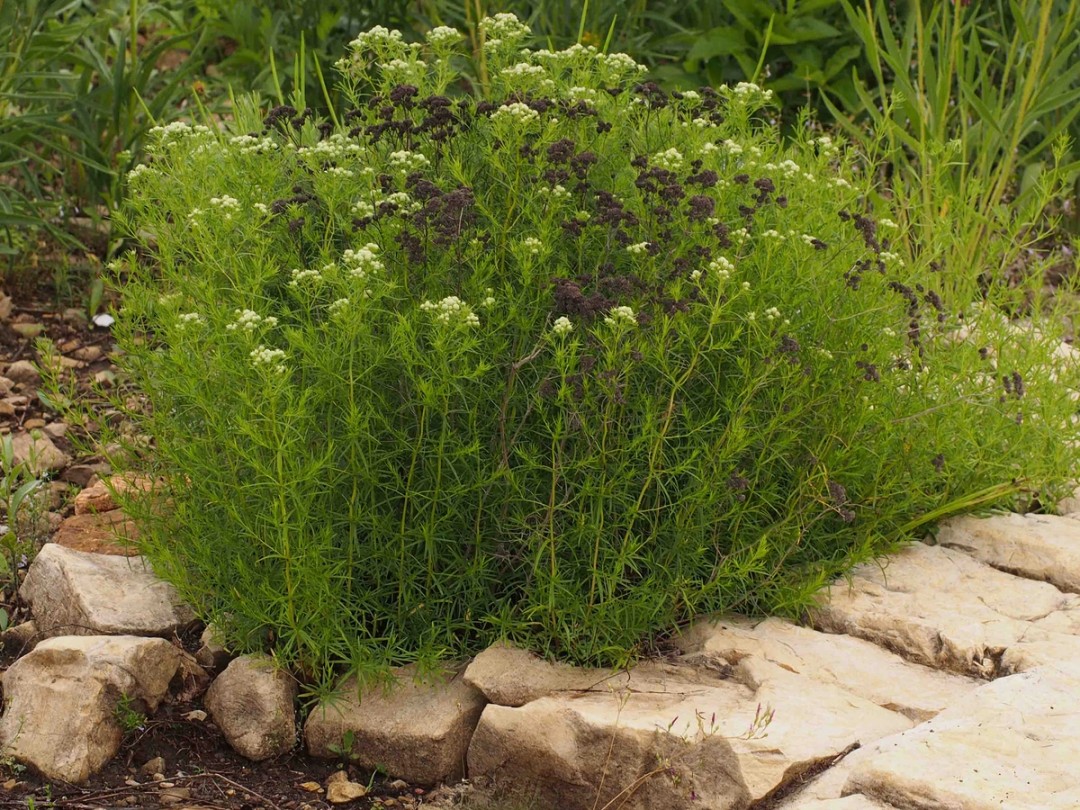
Bushy plant
This mountain mint has a dual root system consisting of both a tap root and rhizomes. The tap root helps sustain it during droughts whereas the rhizomes are key to helping it form colonies. Hence, this mountain mint has the ability to thrive in dry, rocky ground that is more challenging for other Mountain mints. Such a strong root system also makes Pycnanthemum tenufolium a great choice for planting on slopes and areas where erosion is problem.
POLLINATORS
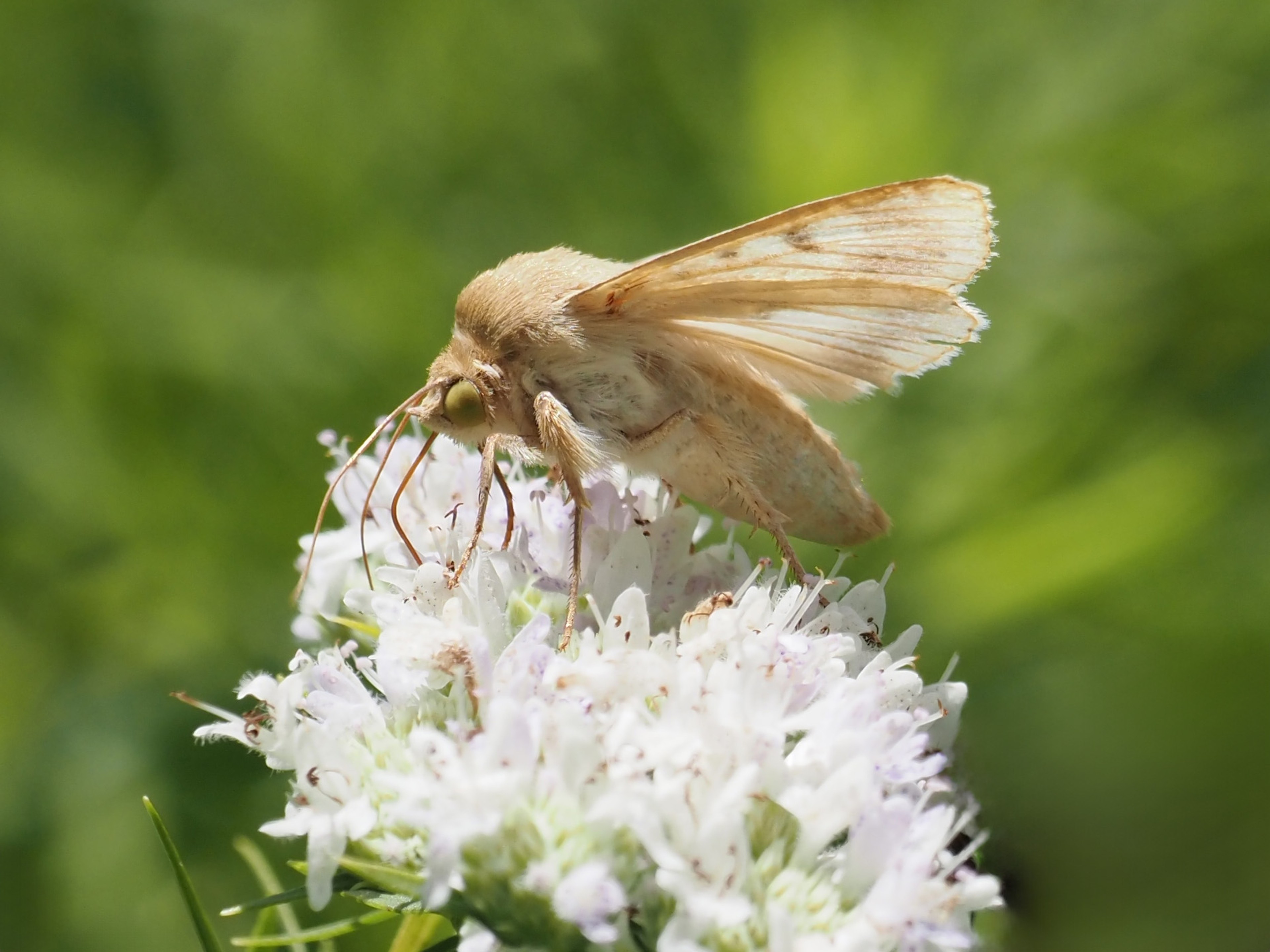
Pycnanthemum tenuifolium is powerhouse plant when it comes to supporting many kinds of insects including bees, butterflies, skippers, wasps, beetles and flies. Here's a sampling of insects supported by this small Mountain mint!
Butterflies and Skippers
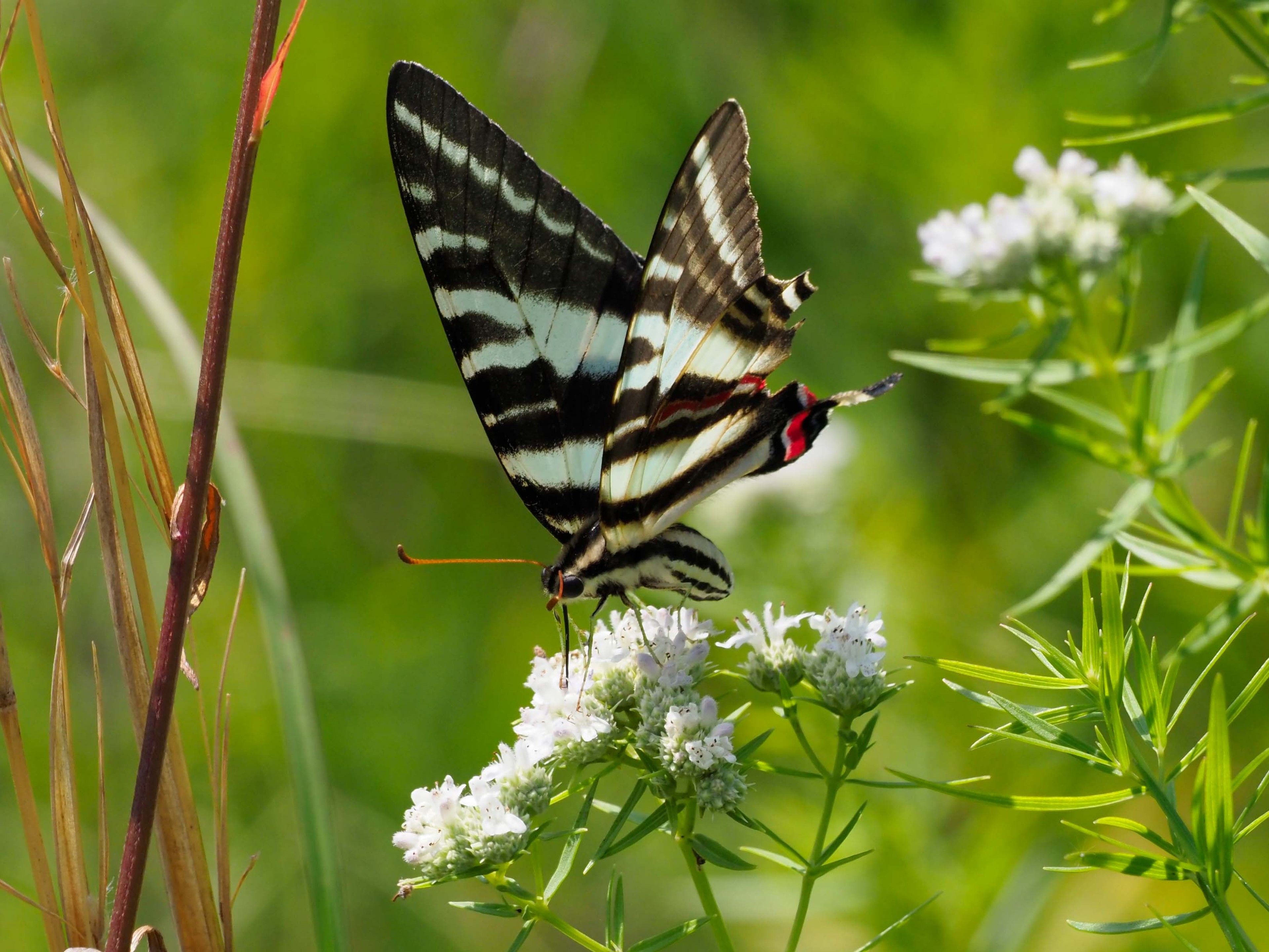
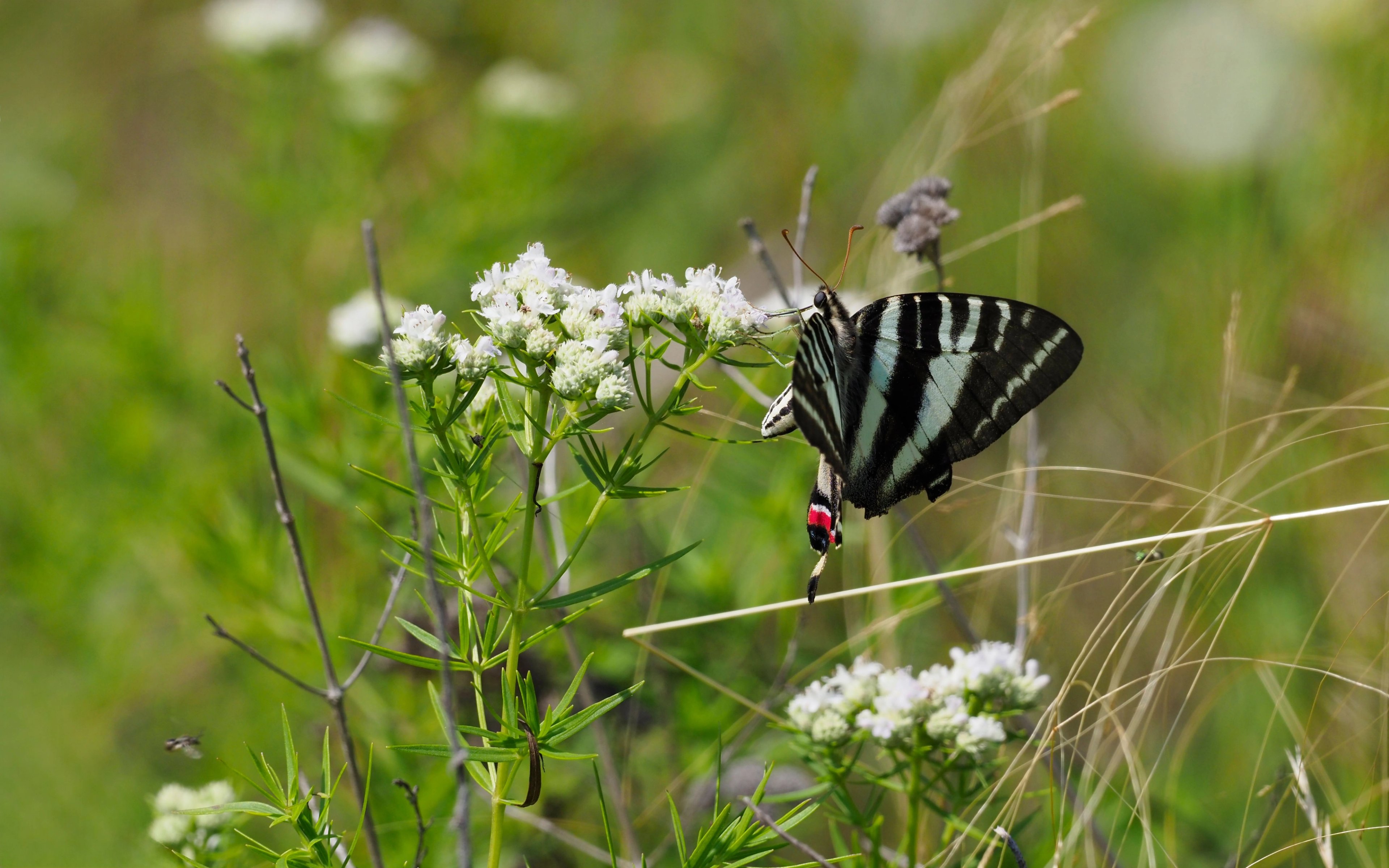
The Zebra Swallowtail is a huge butterfly that is always easy to identify, but it's just one of many butterflies, skippers and other insects that visit these flowers!
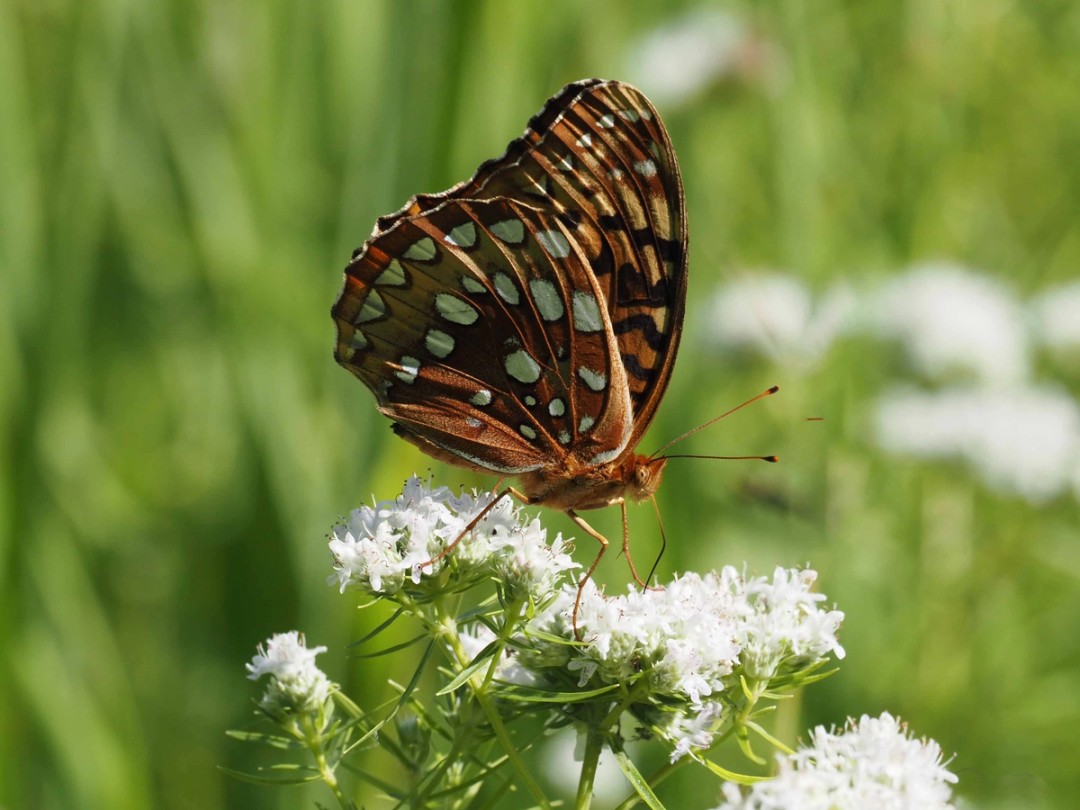
Great Spangled Fritillary 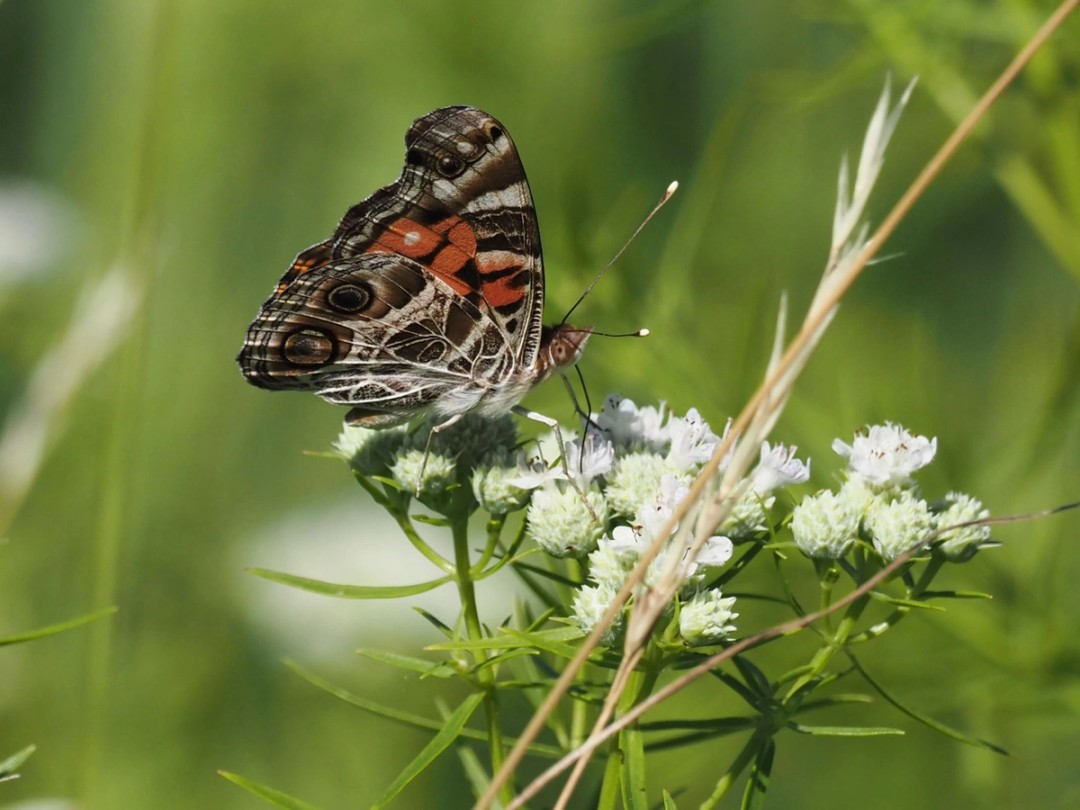
American Lady 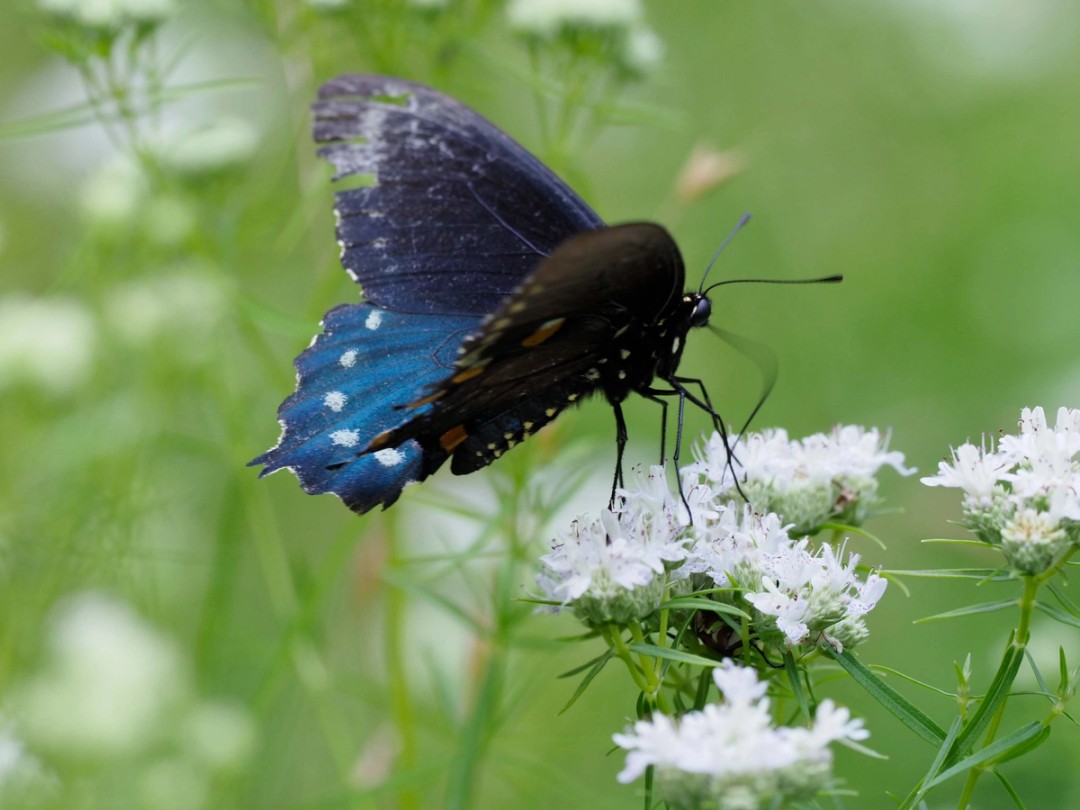
Pipevine swallowtail 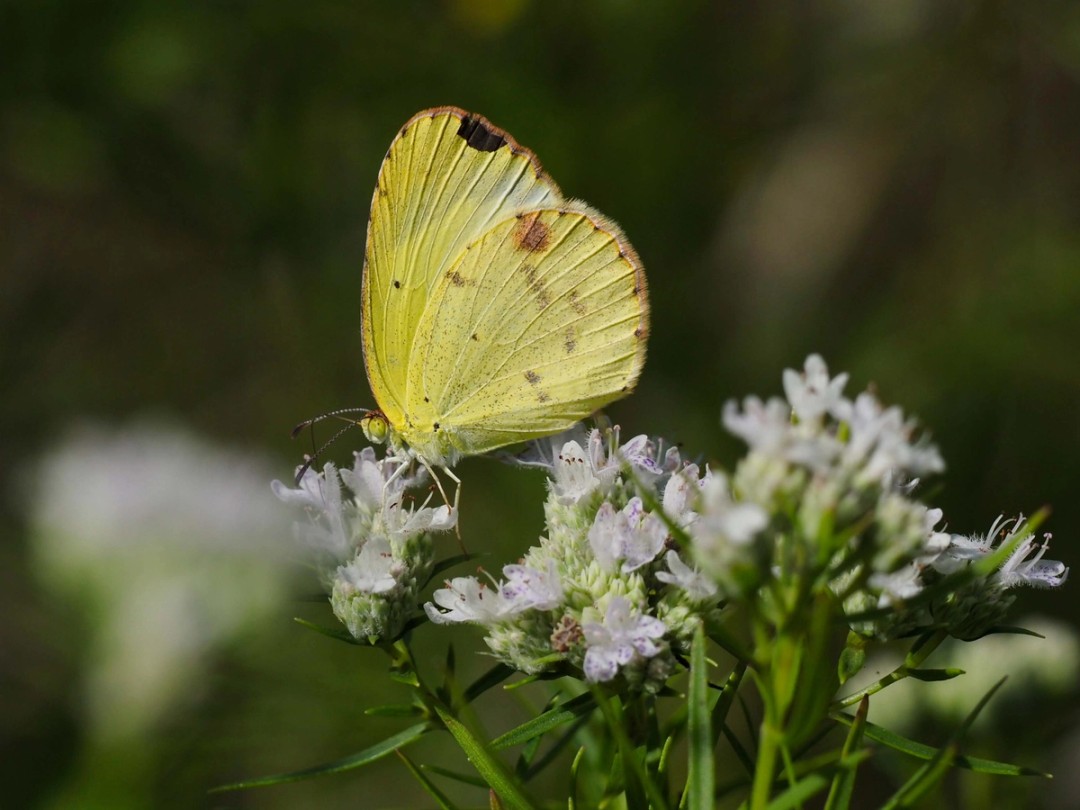
Little Yellow 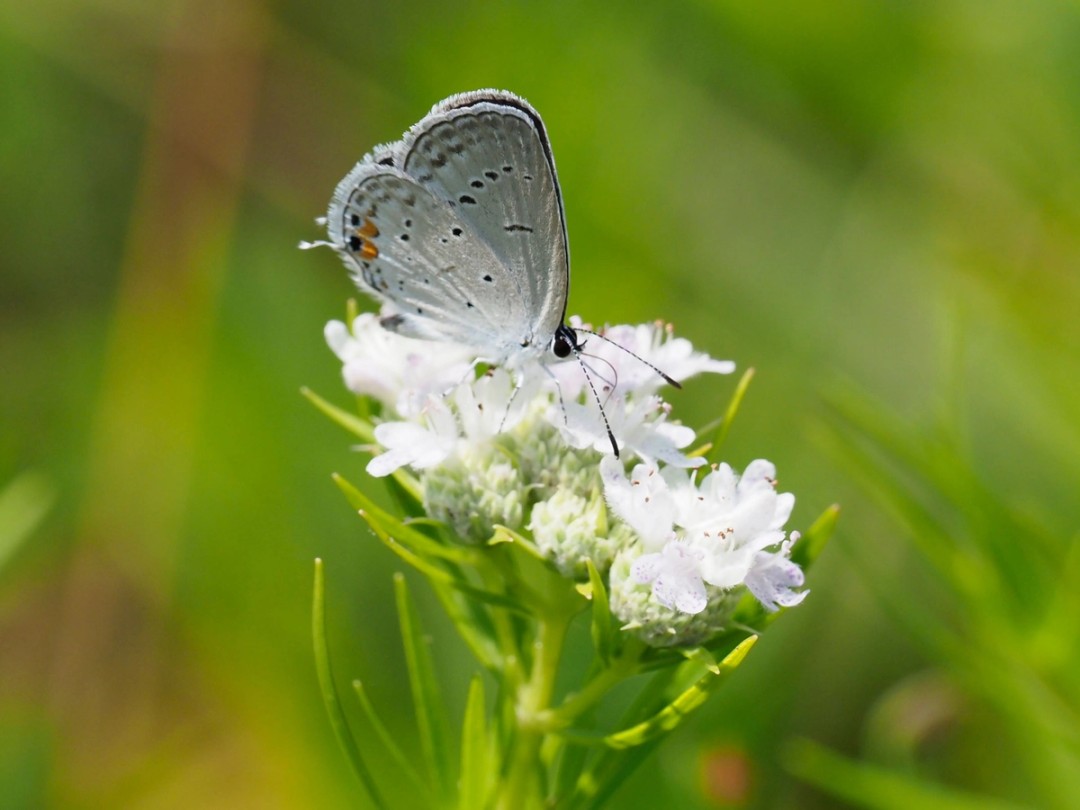
Eastern Tailed-Blue 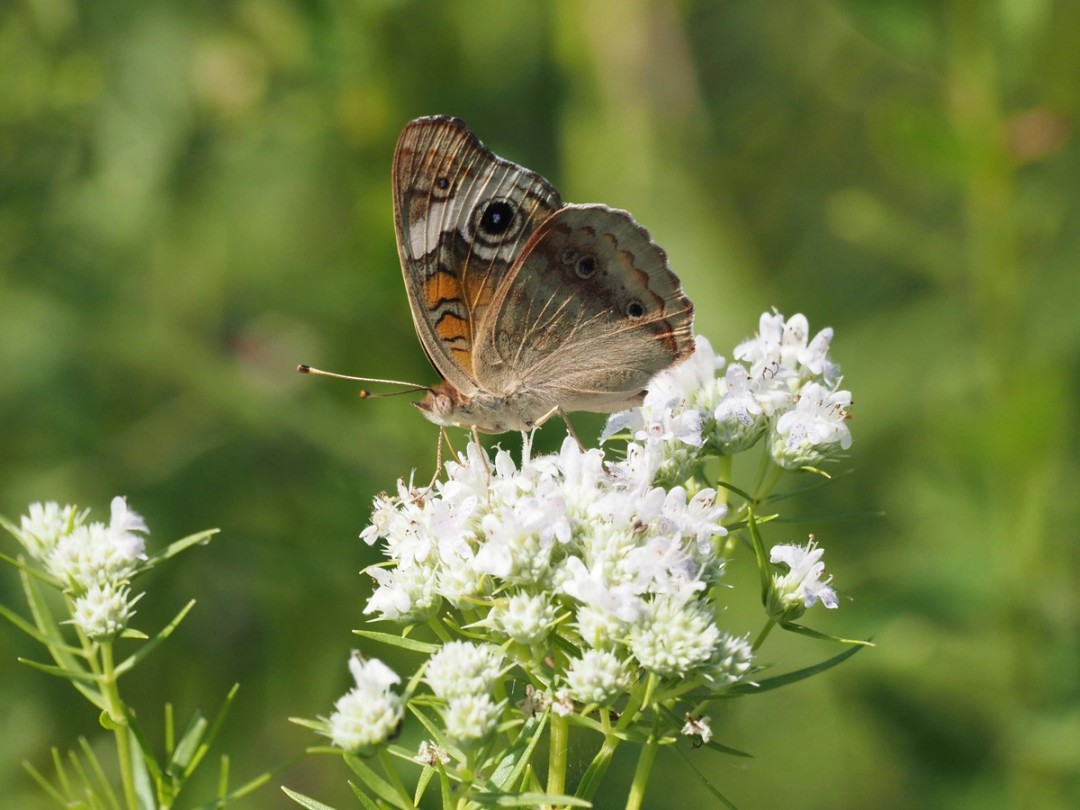
Common Buckeye 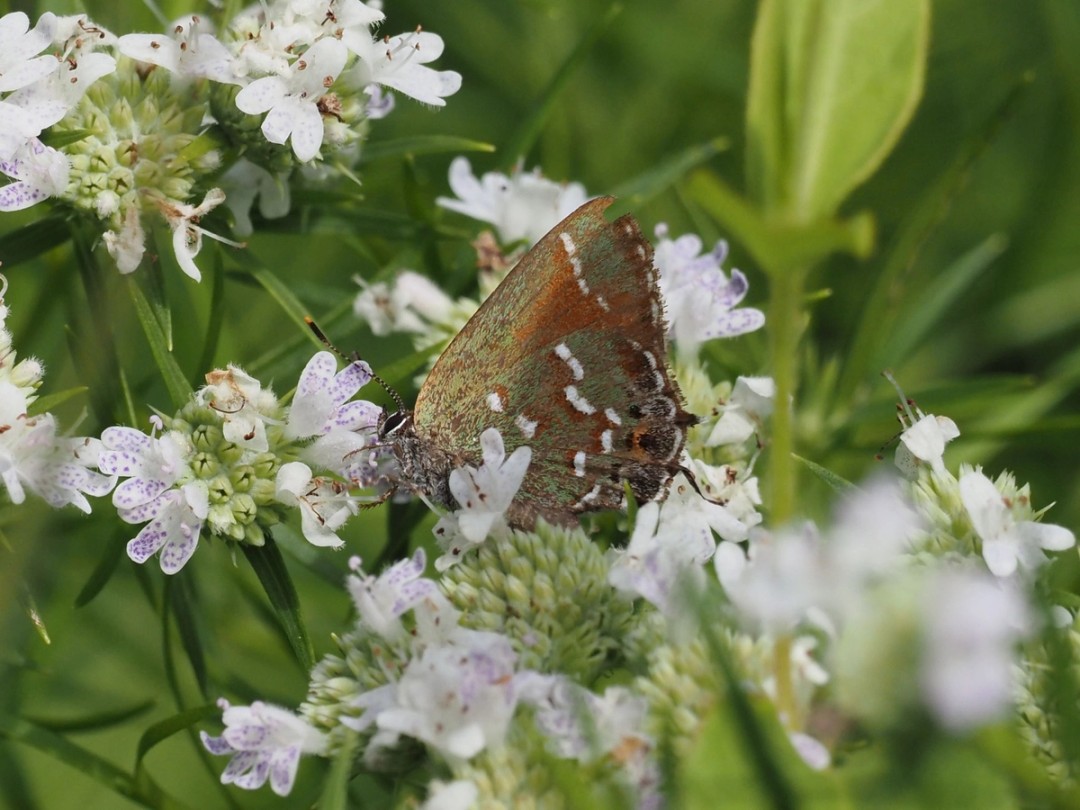
Juniper Hairstreak 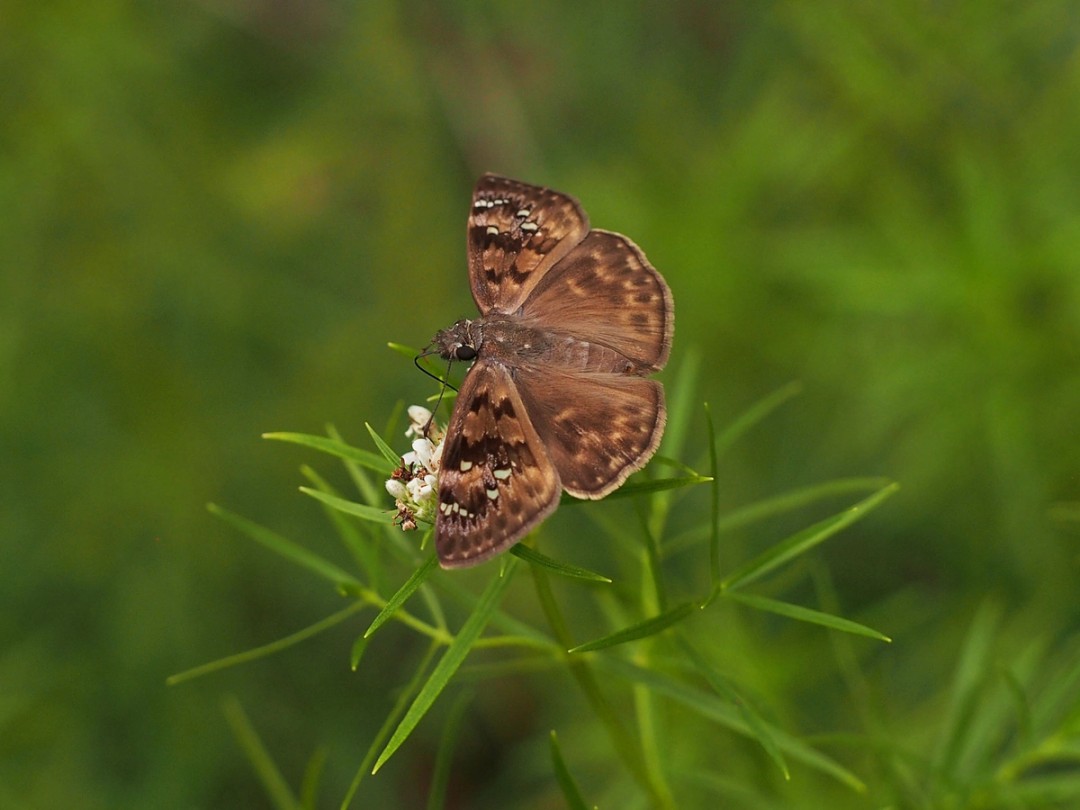
Horace's Duskywing 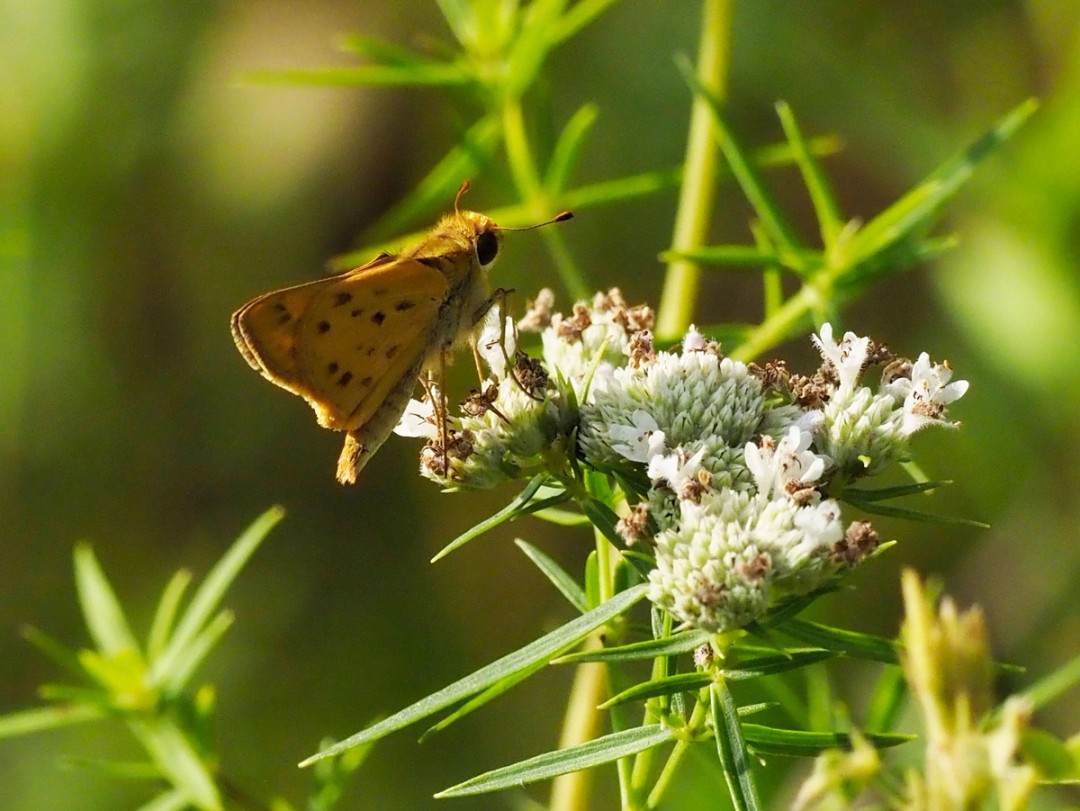
Fiery skipper 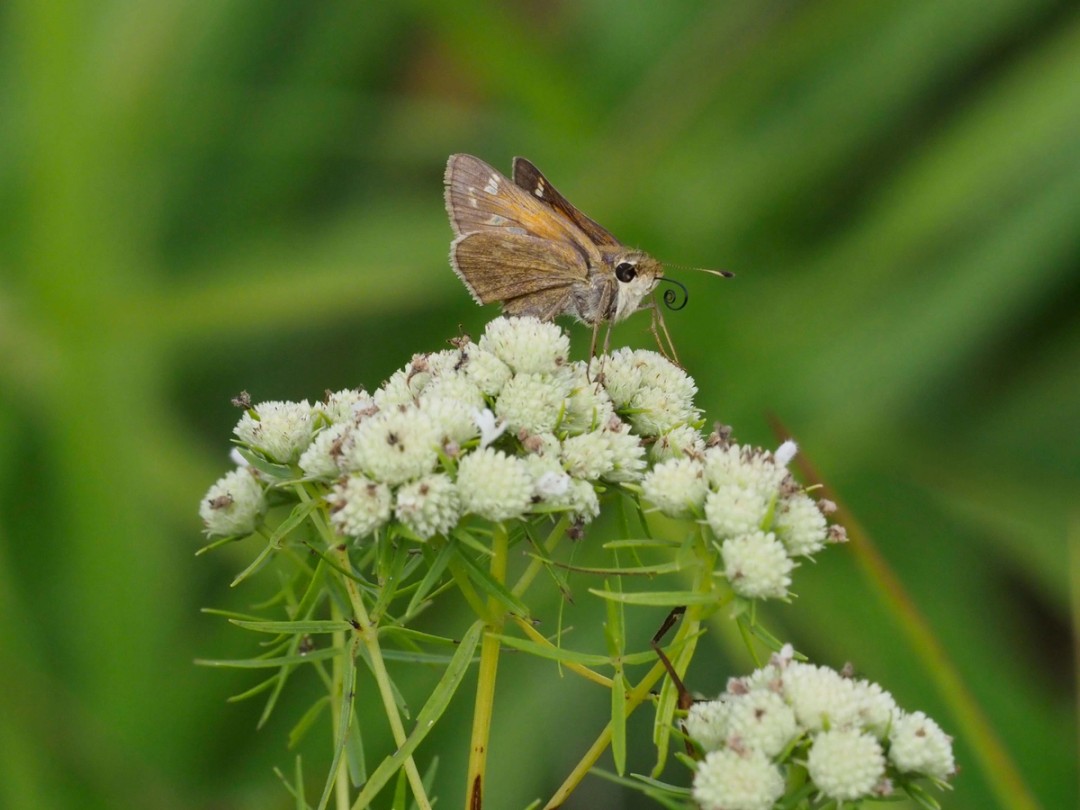
Sachem skipper
Bees and Wasps
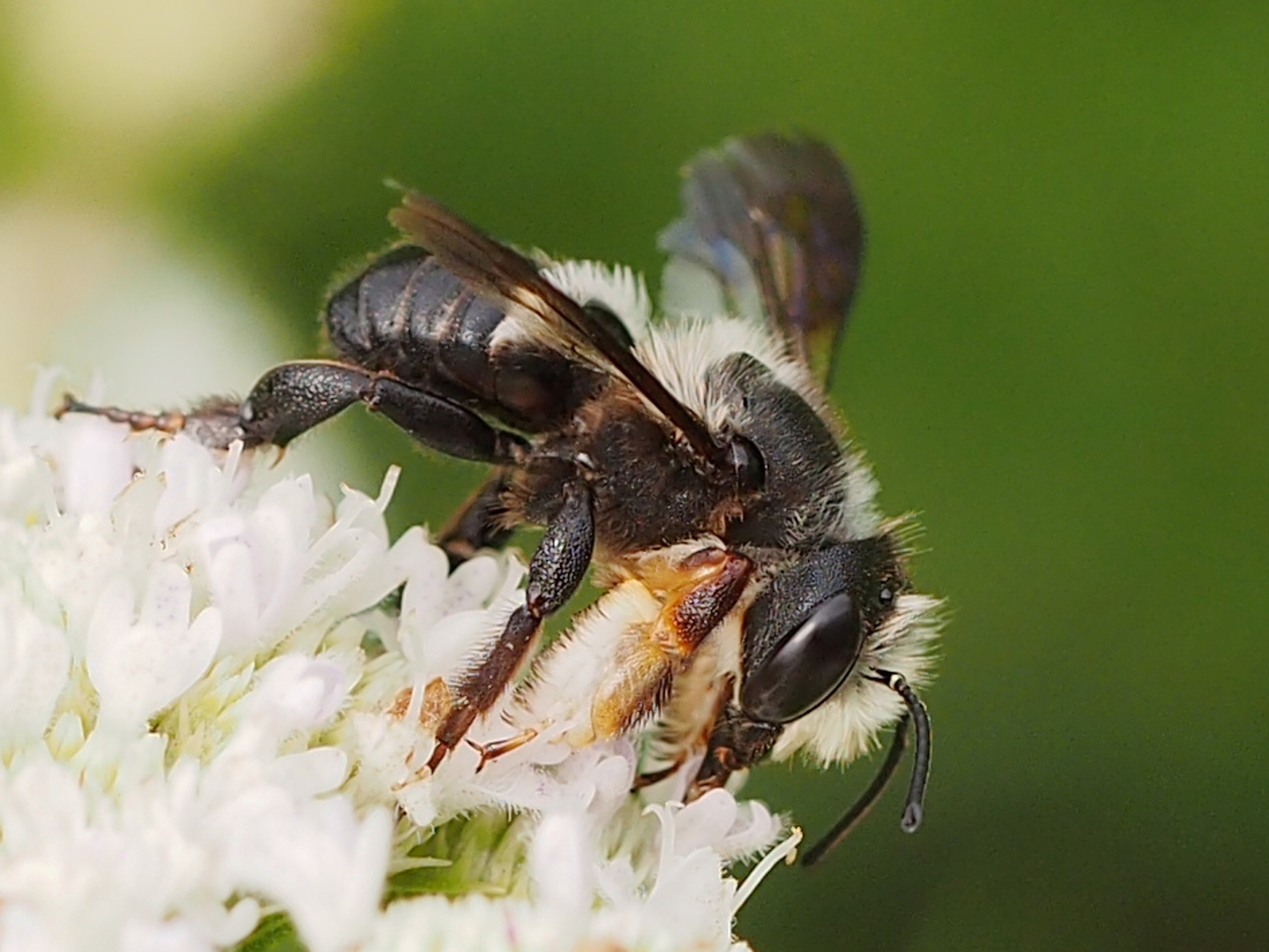
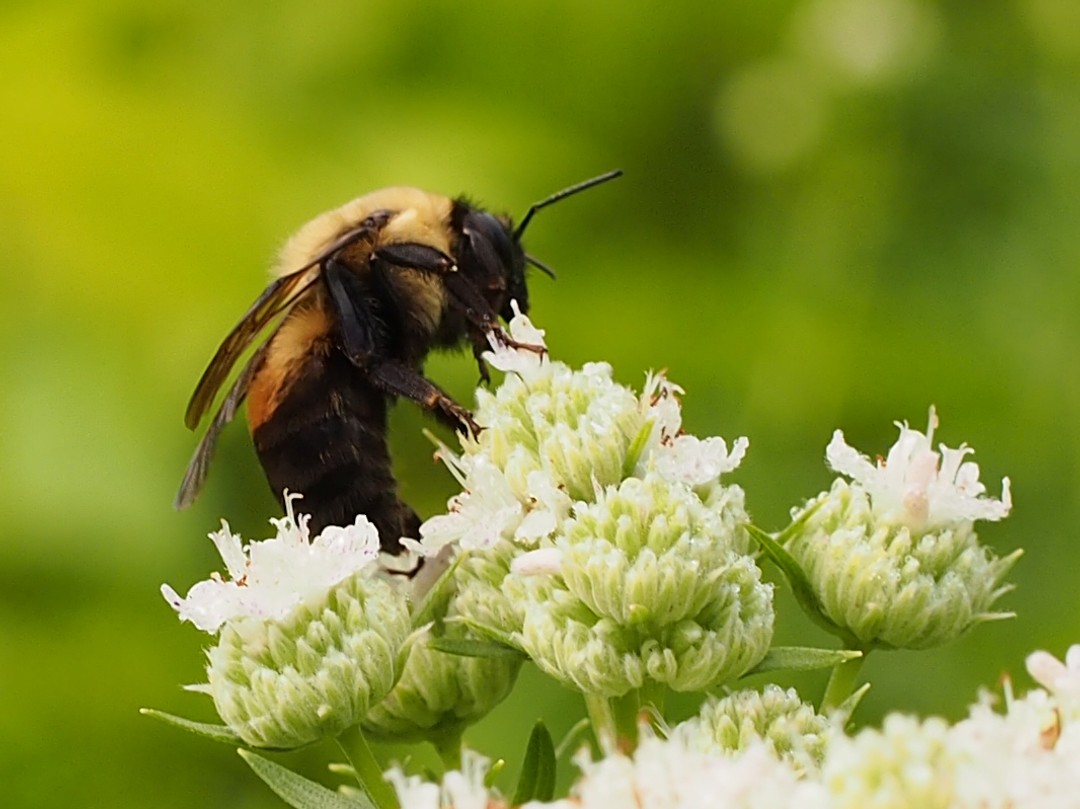
Brown-belted Bumble Bee 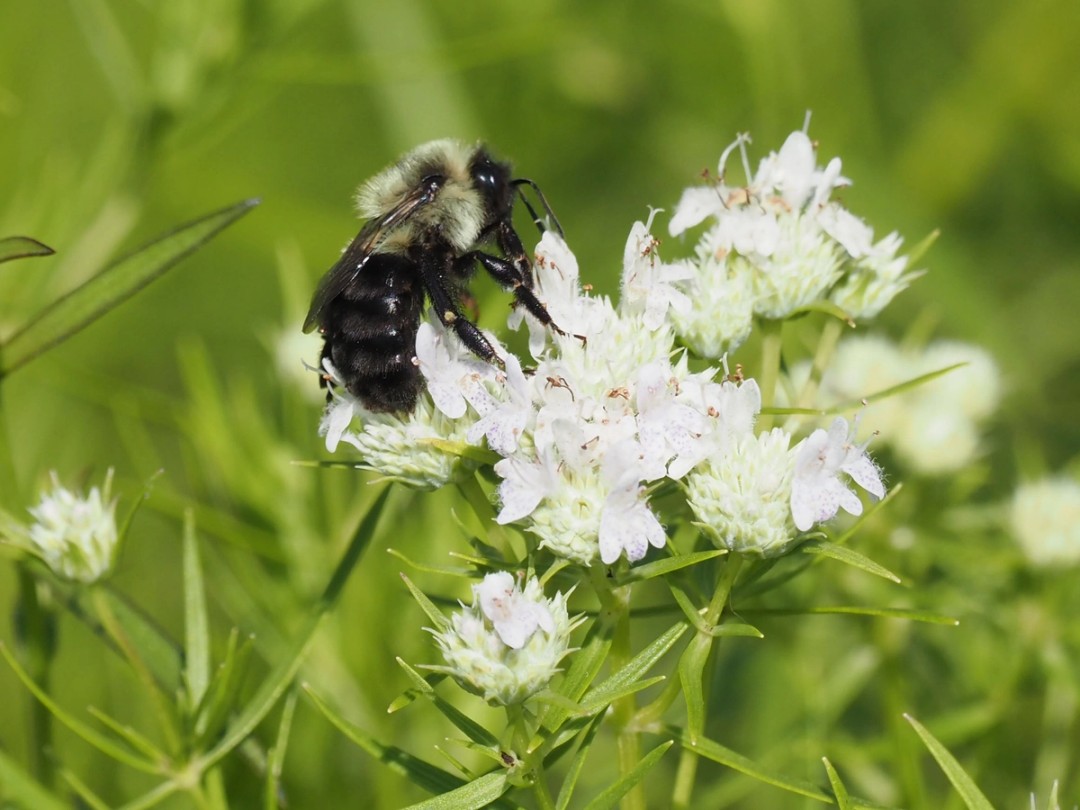
Common Eastern Bumble Bee 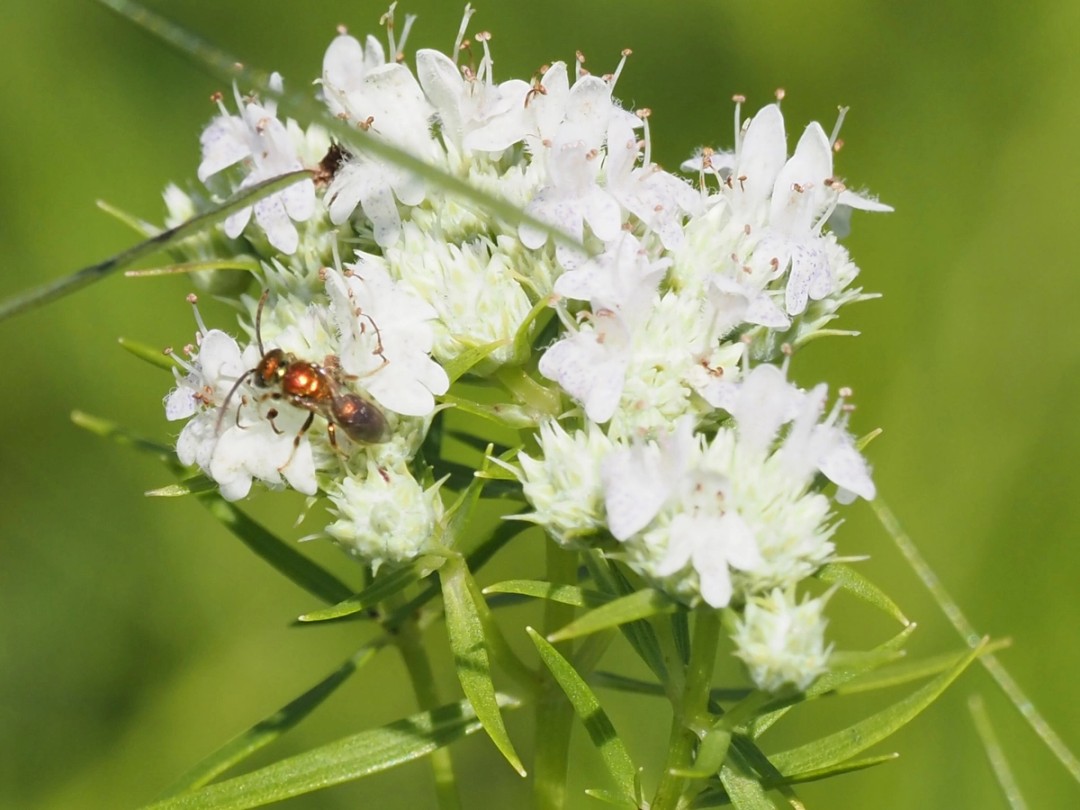
Halictinae Bee 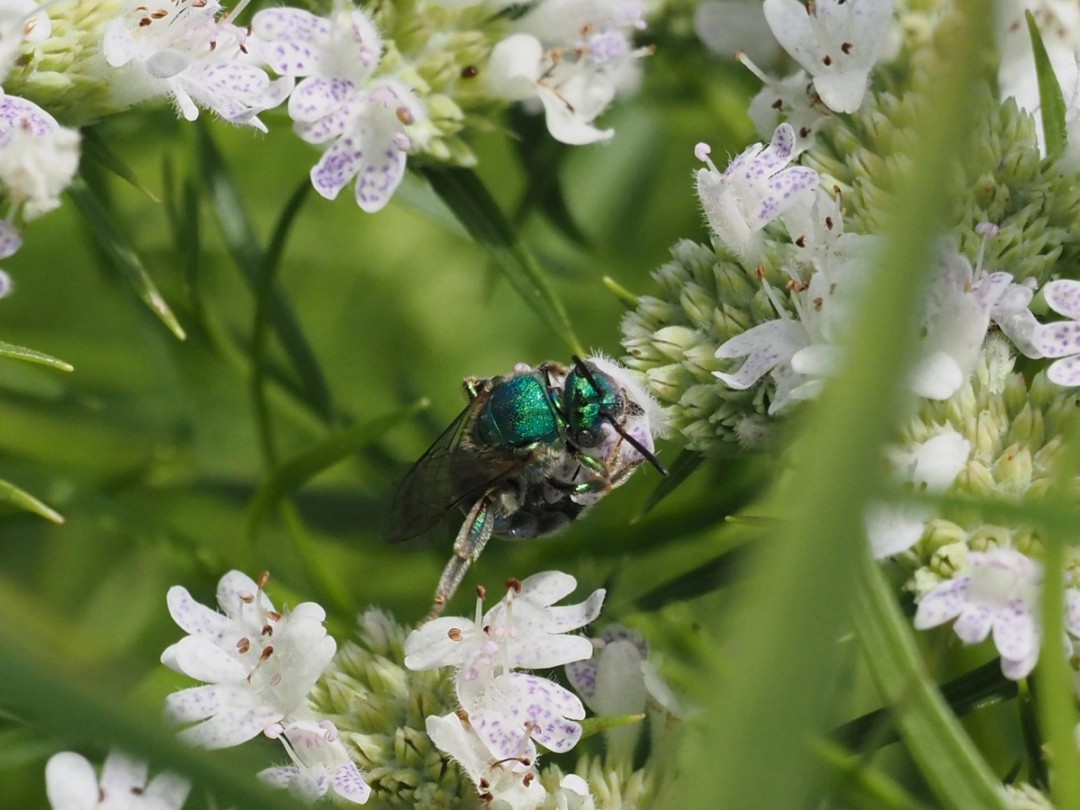
Genus Augochlorpsis Bee 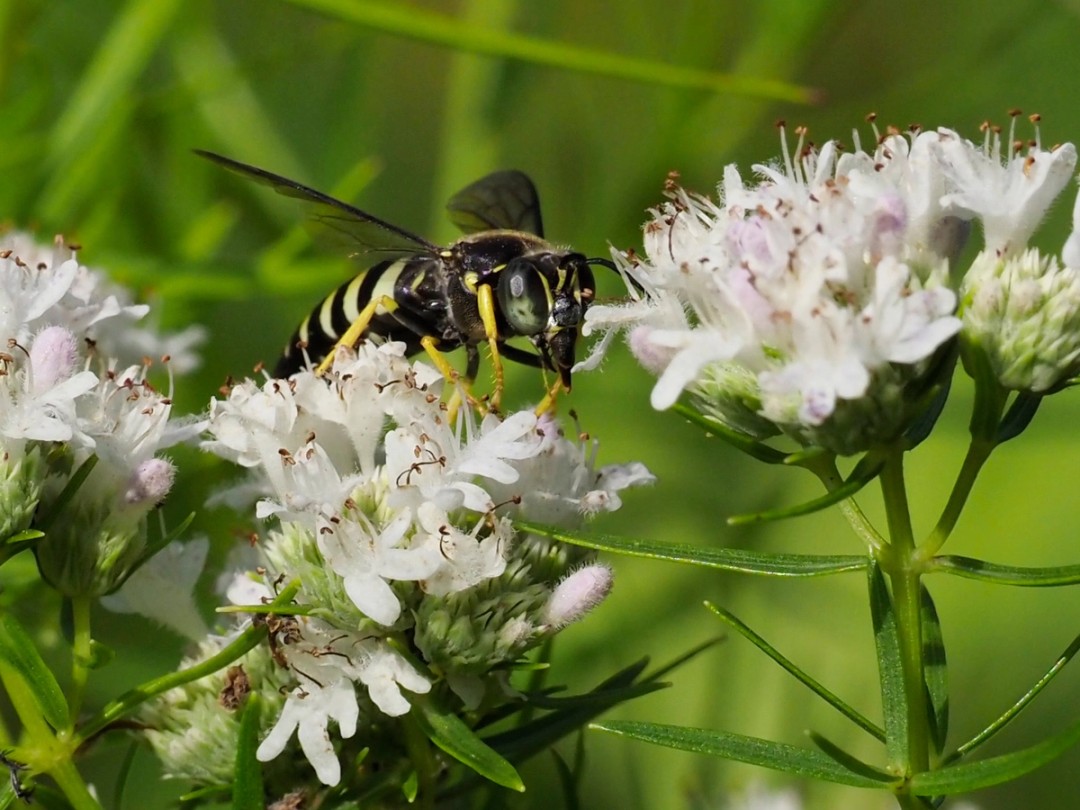
Horse Guard Wasp 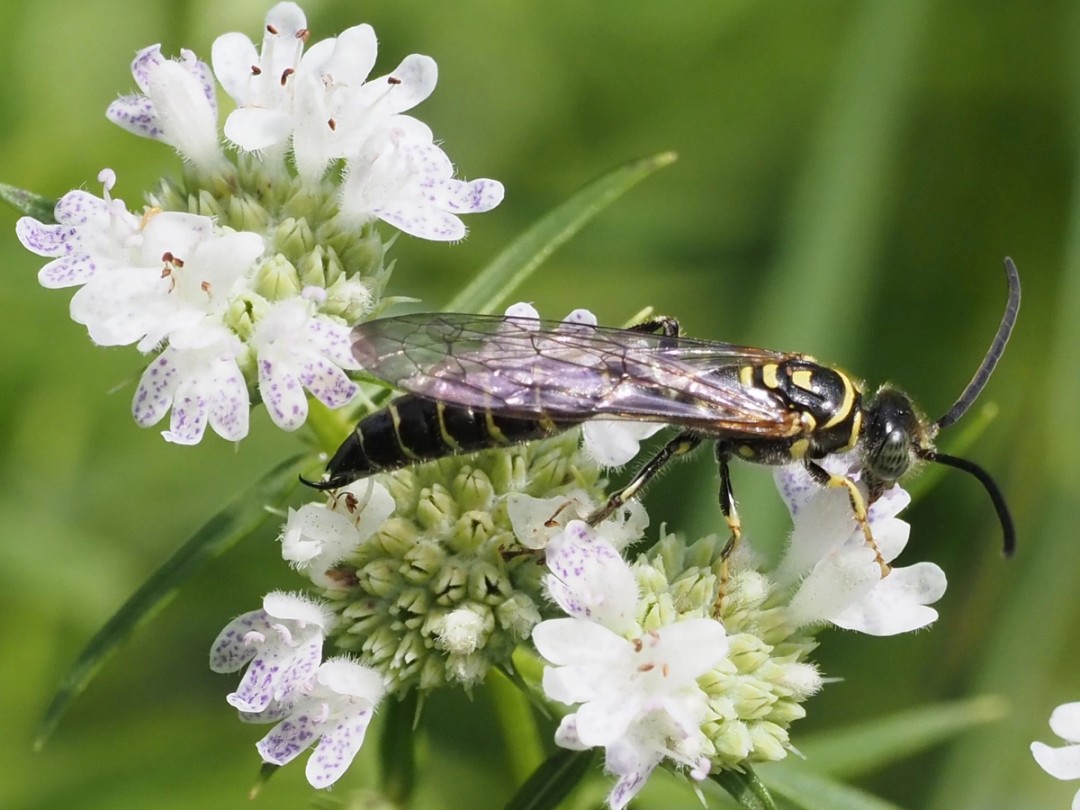
Five Banded Thinned Wasp 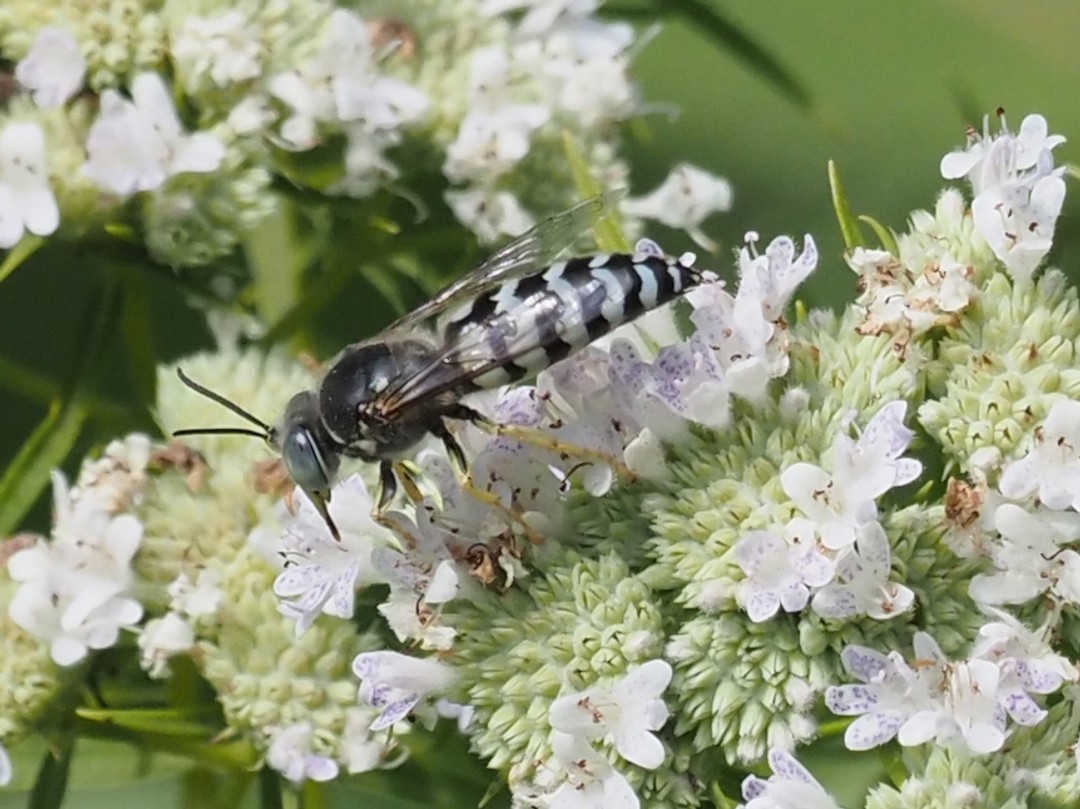
American Sand Wasp 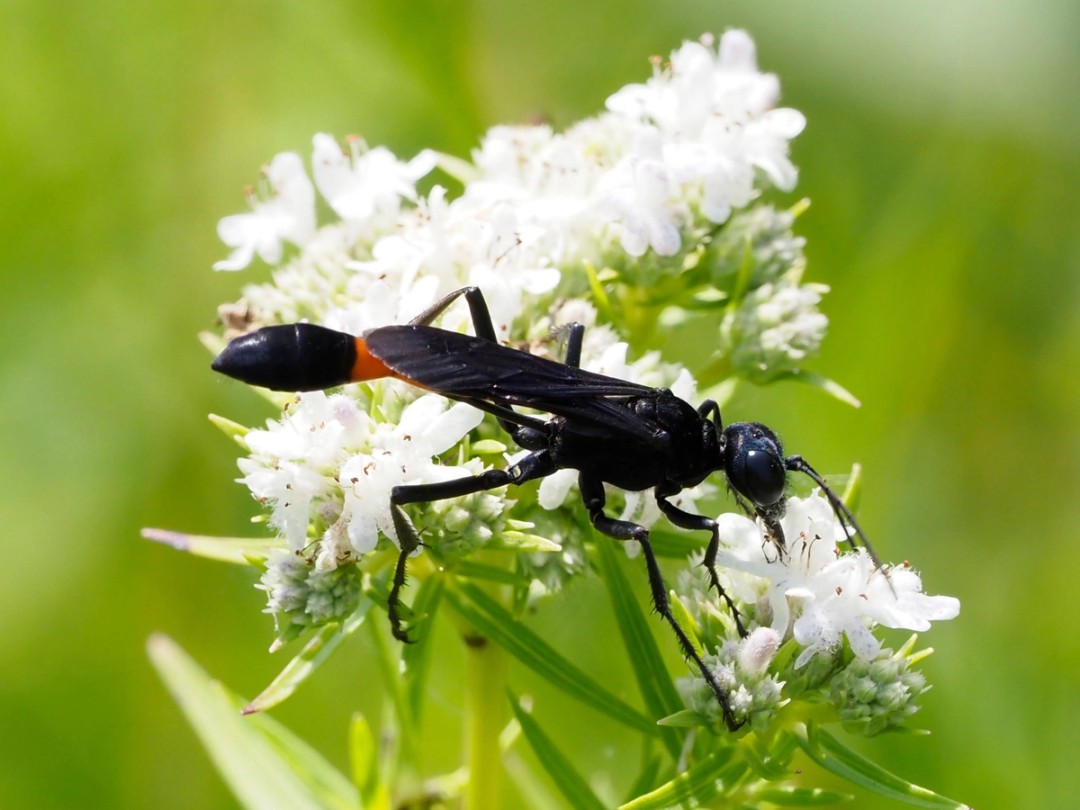
Black Thread-waisted wasp 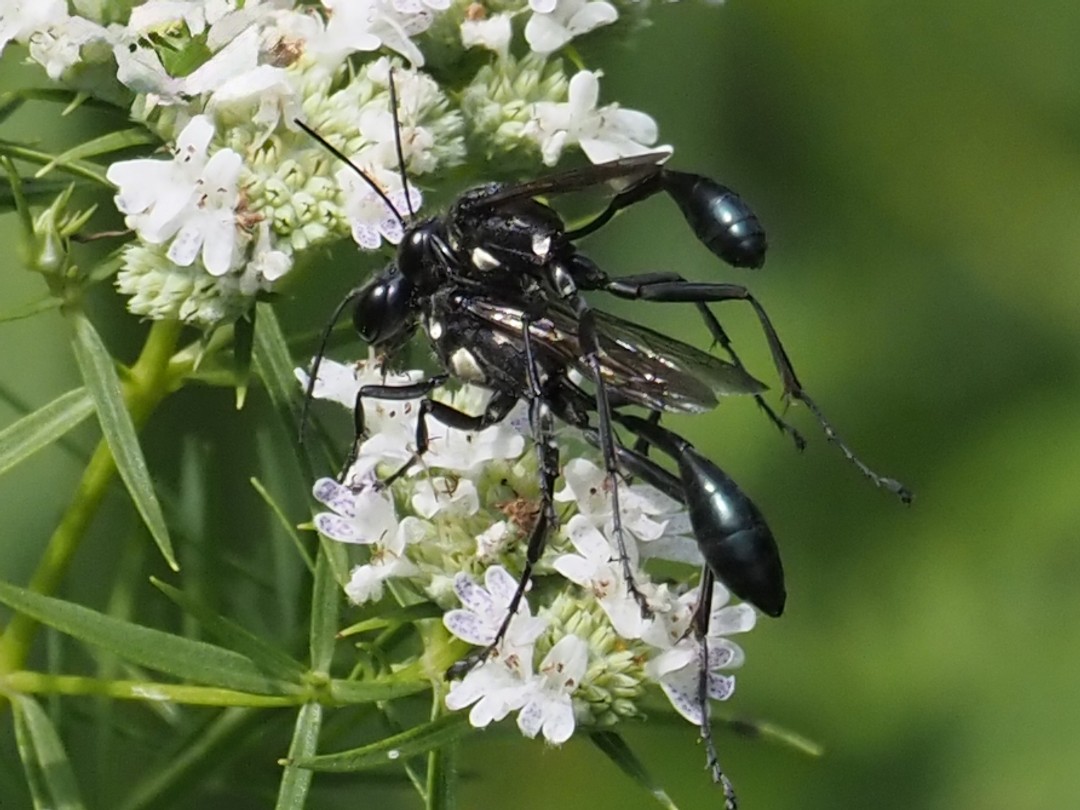
Gold-marked Thread-waisted Wasp 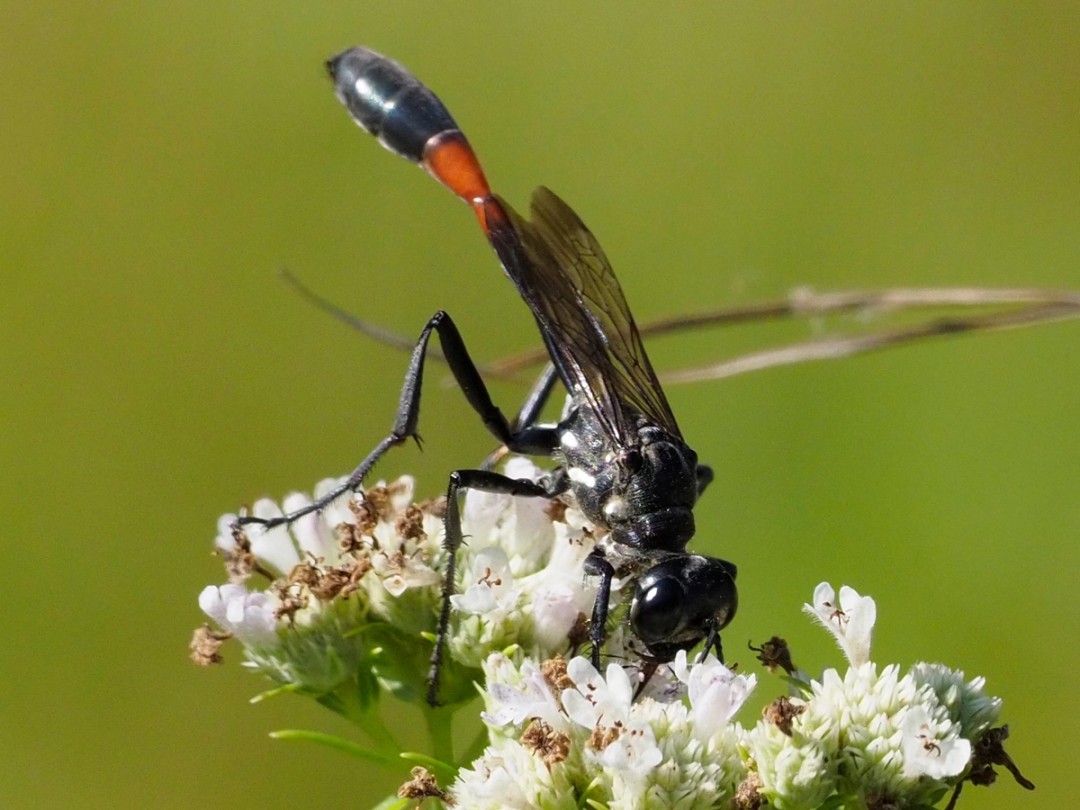
Tall Thread-waisted Wasp
Other insects
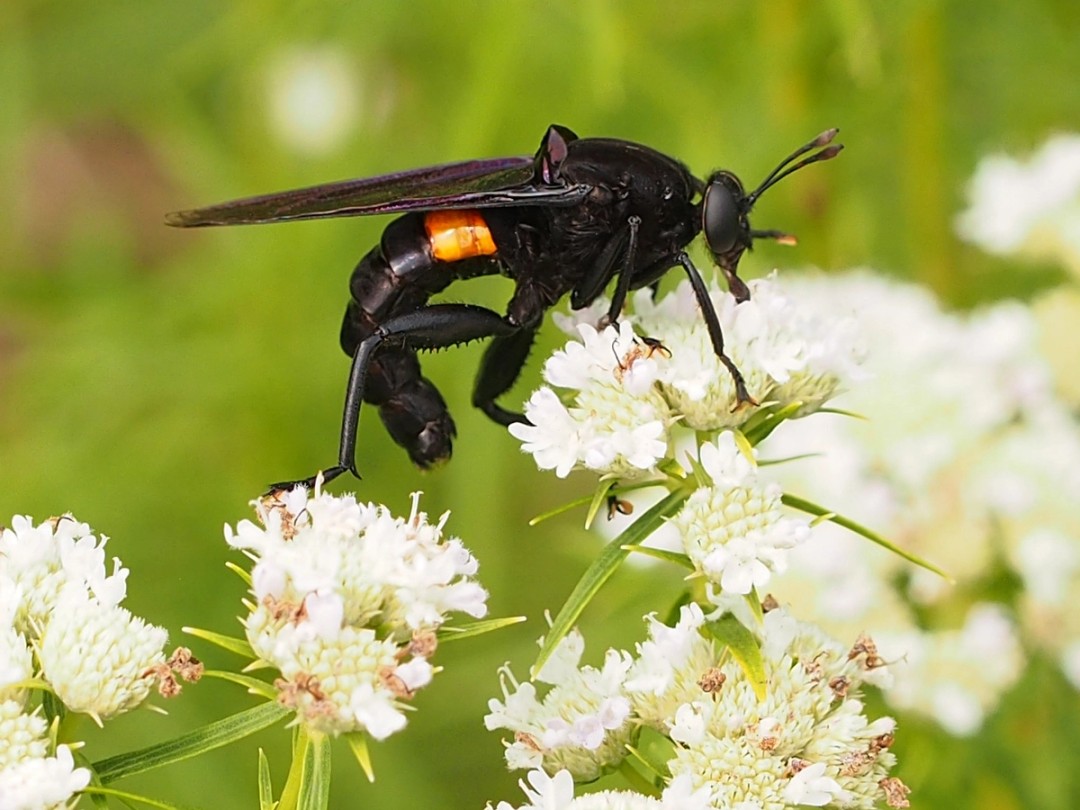
Mydas Fly 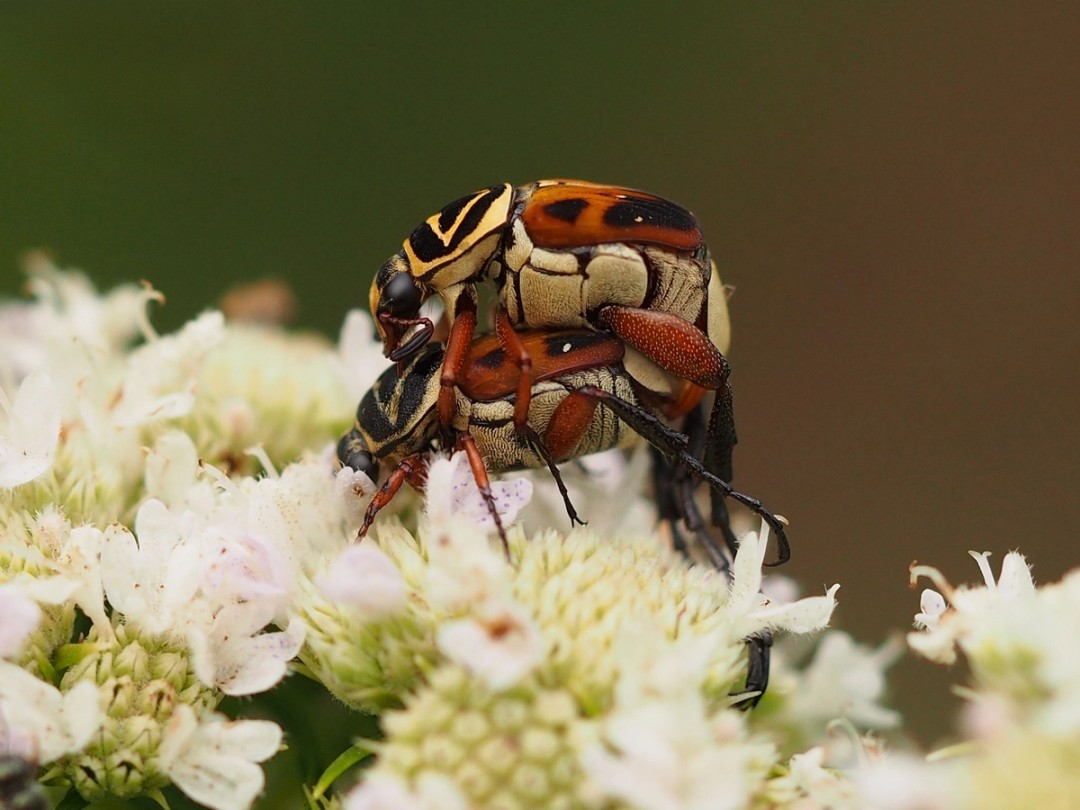
Delta Fly Scarab 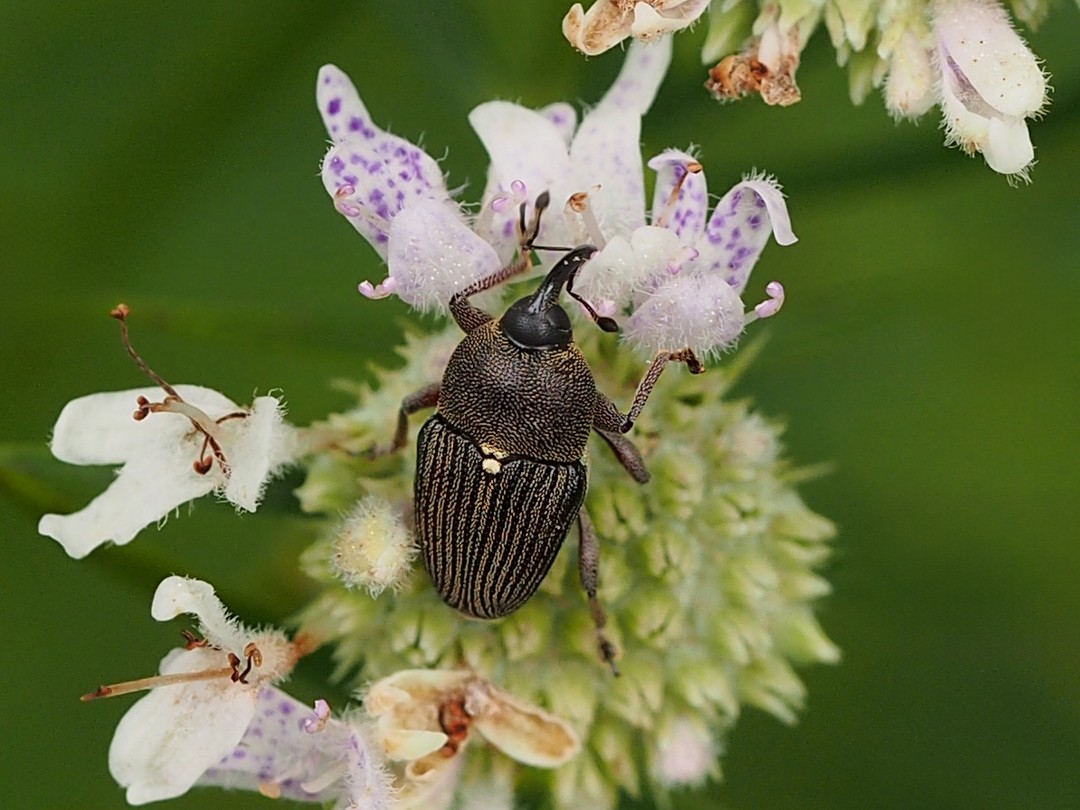
Flower weevil 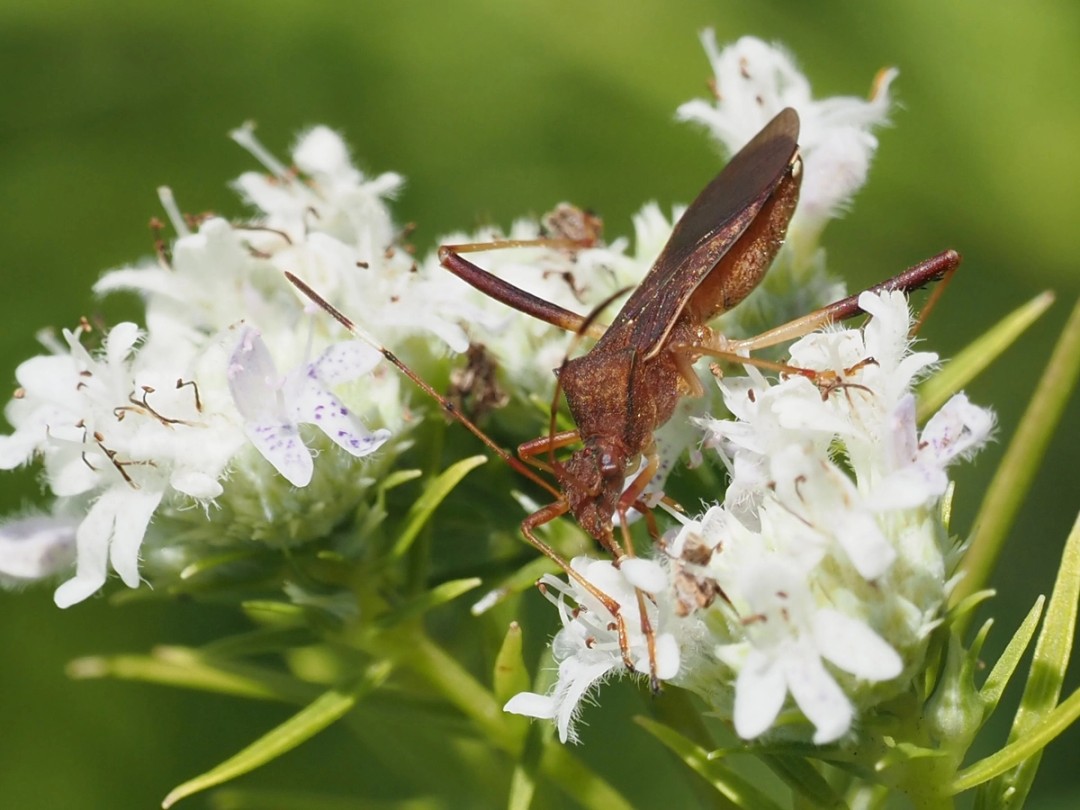
Lupine bug
PLANTS GROWING NEARBY
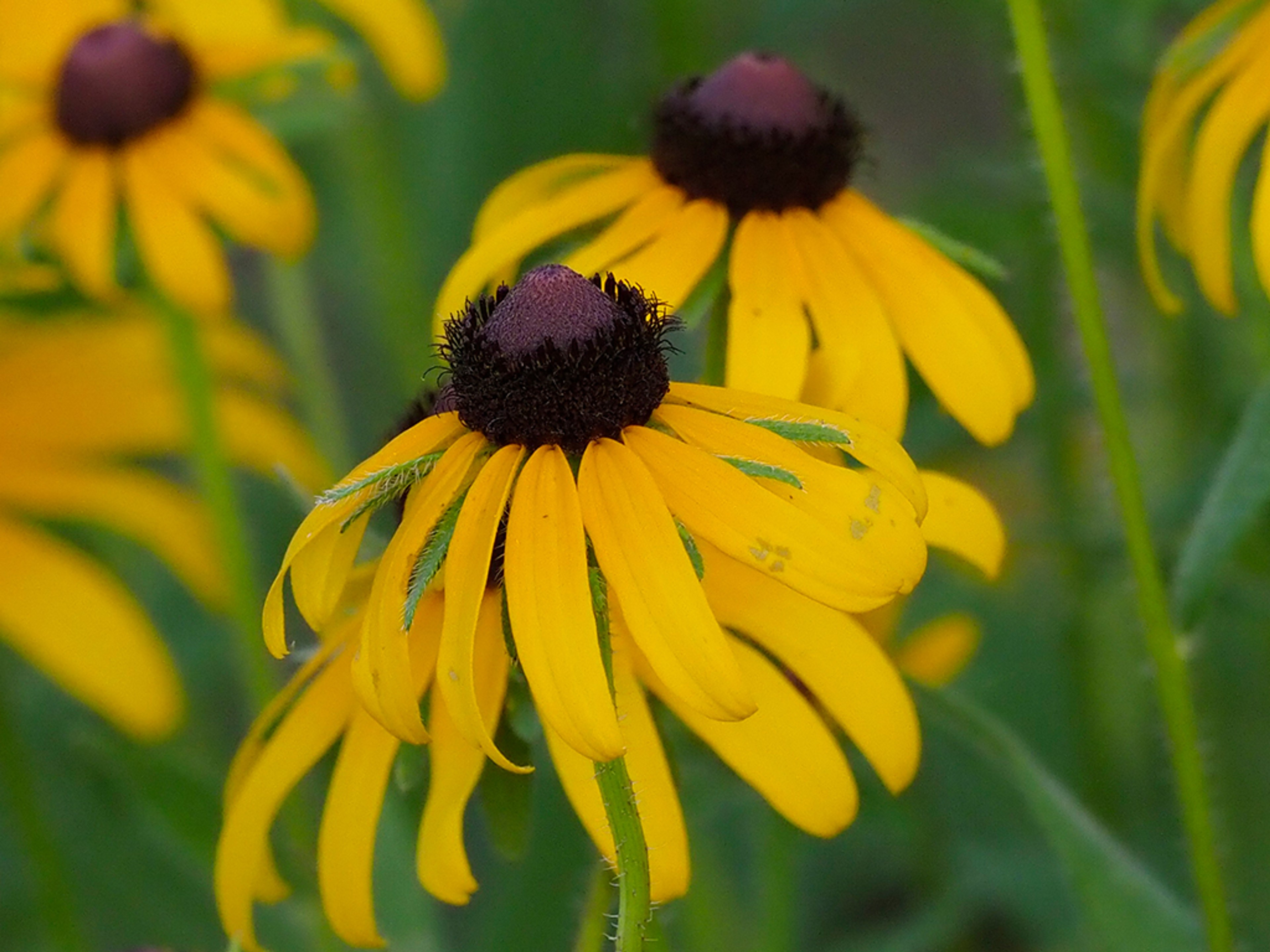
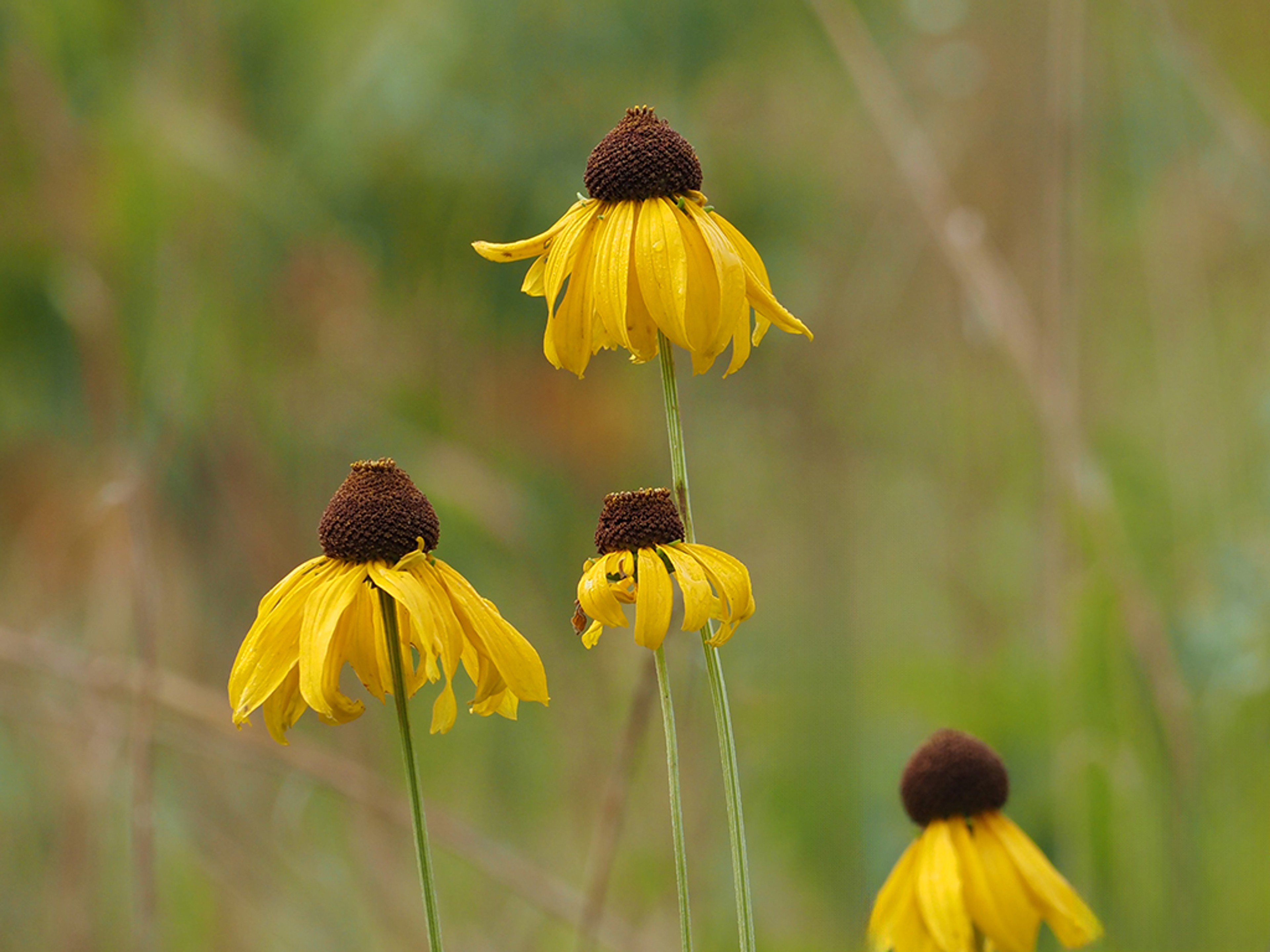
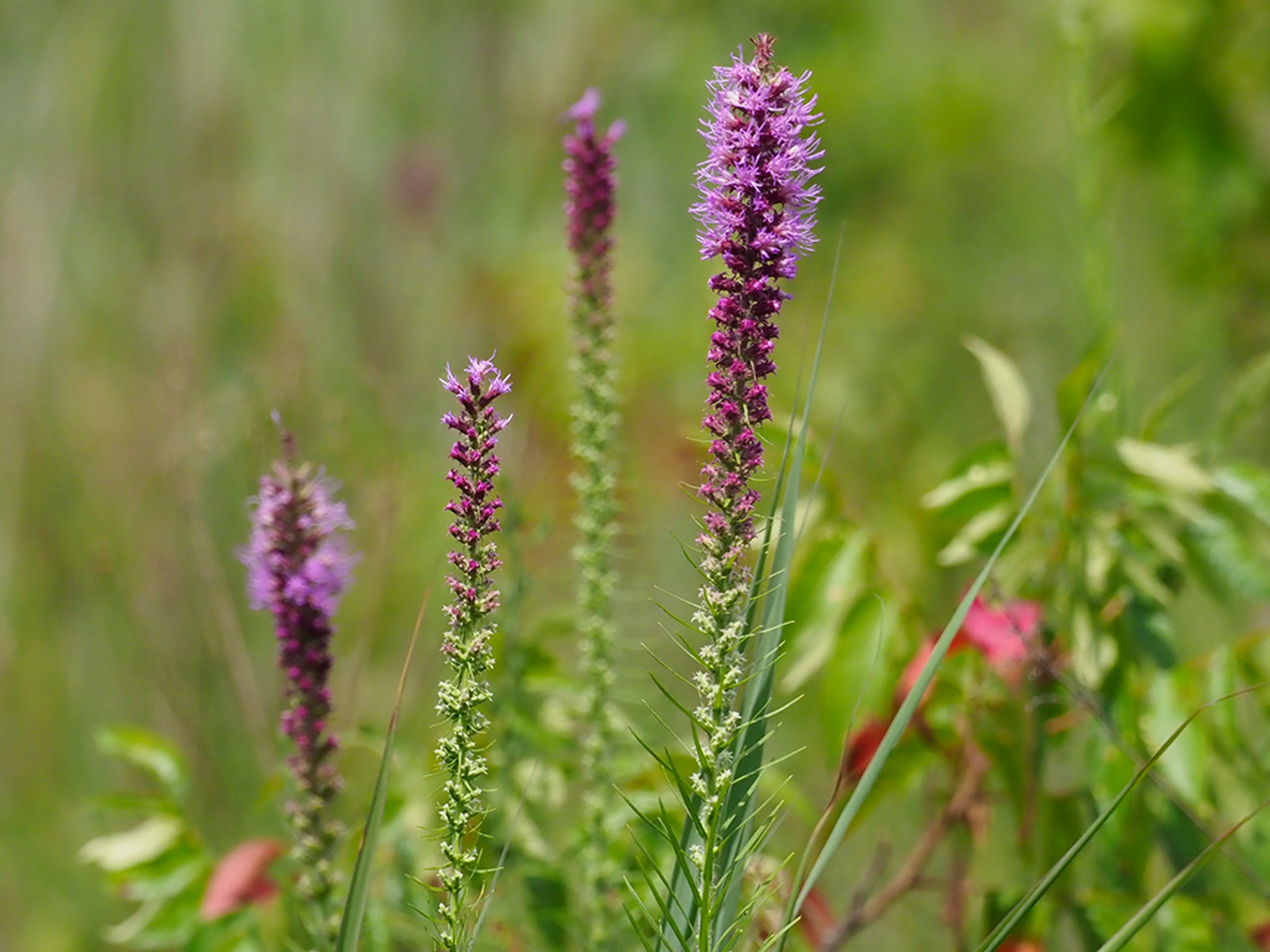
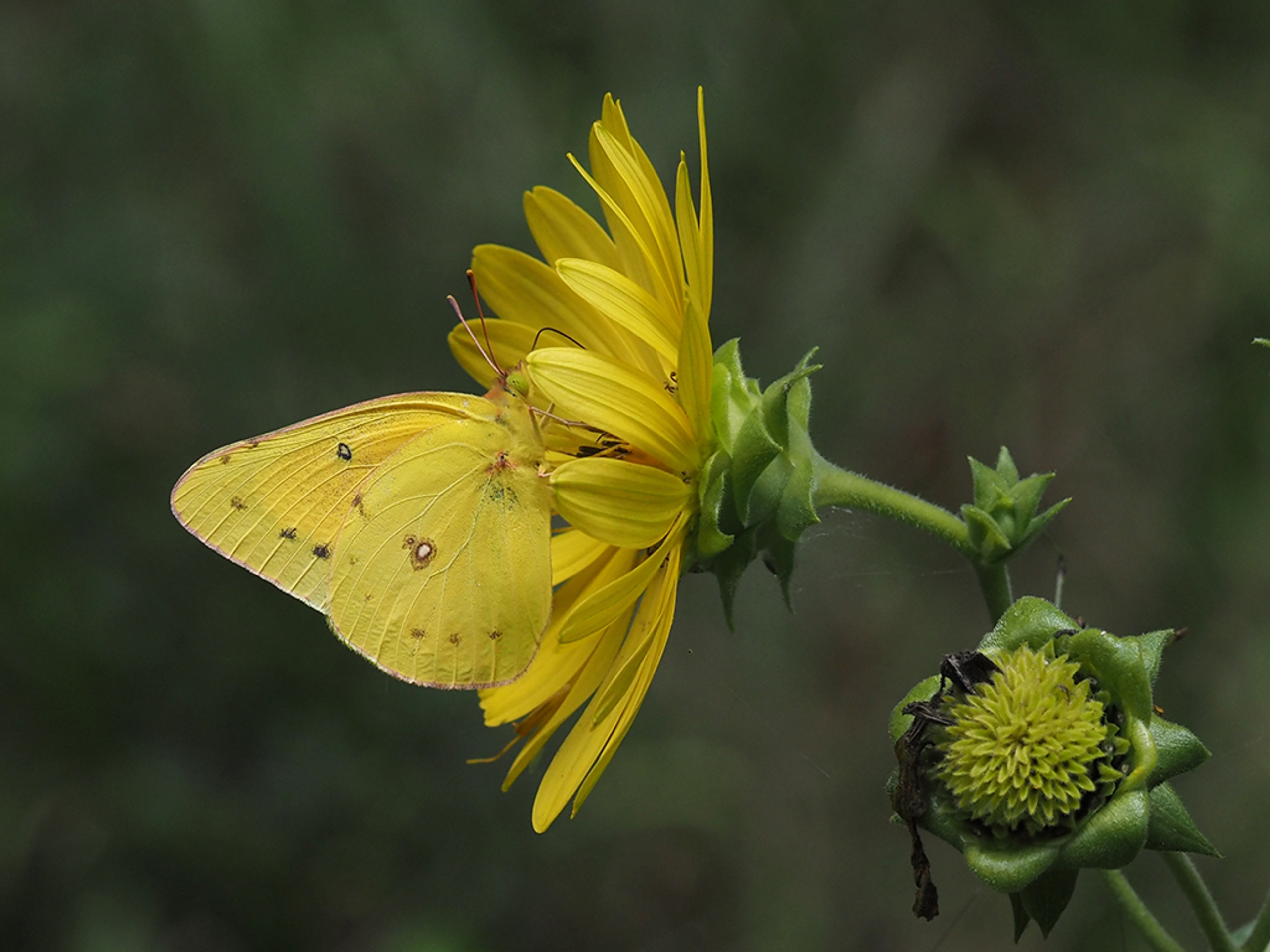
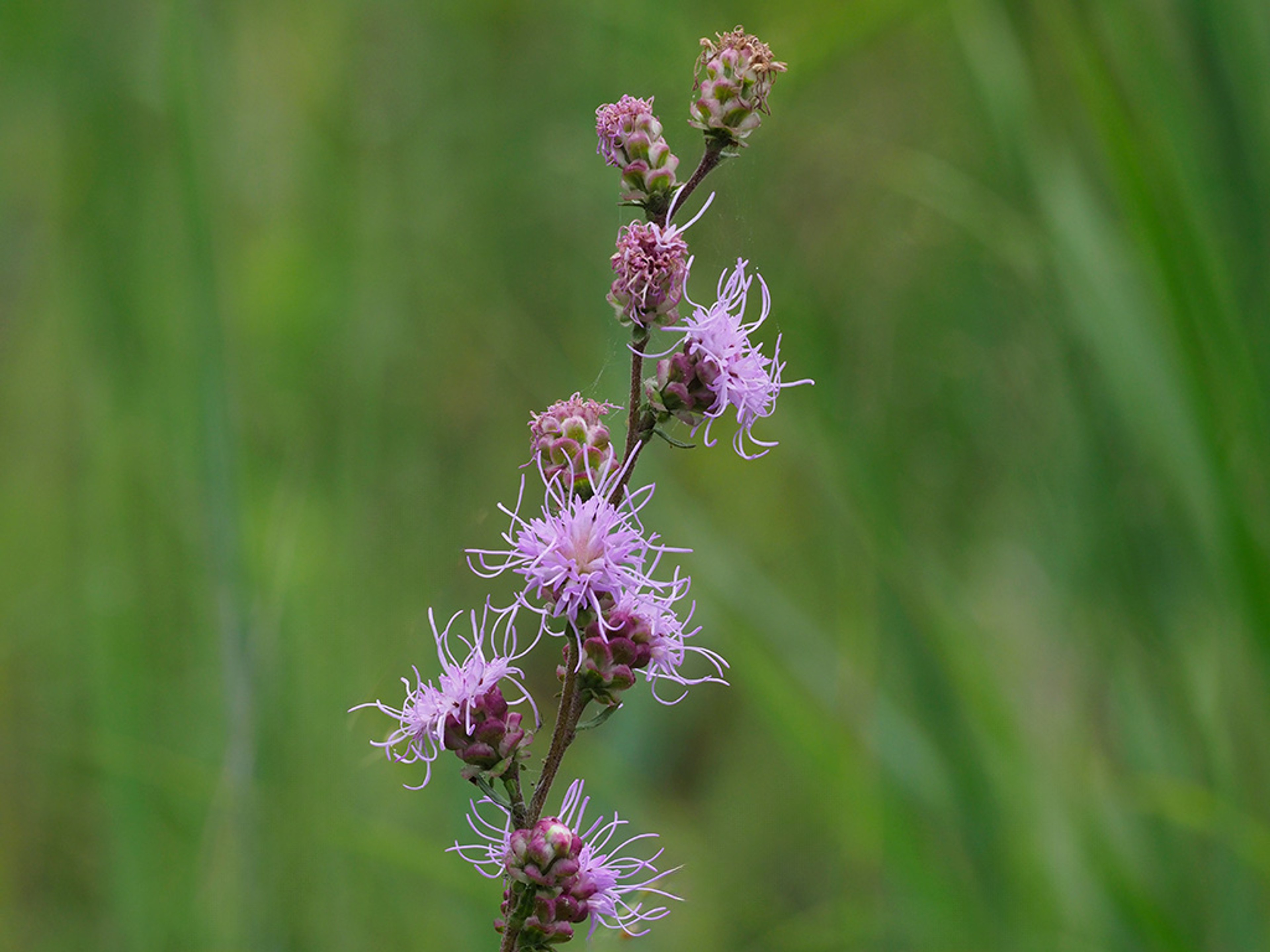
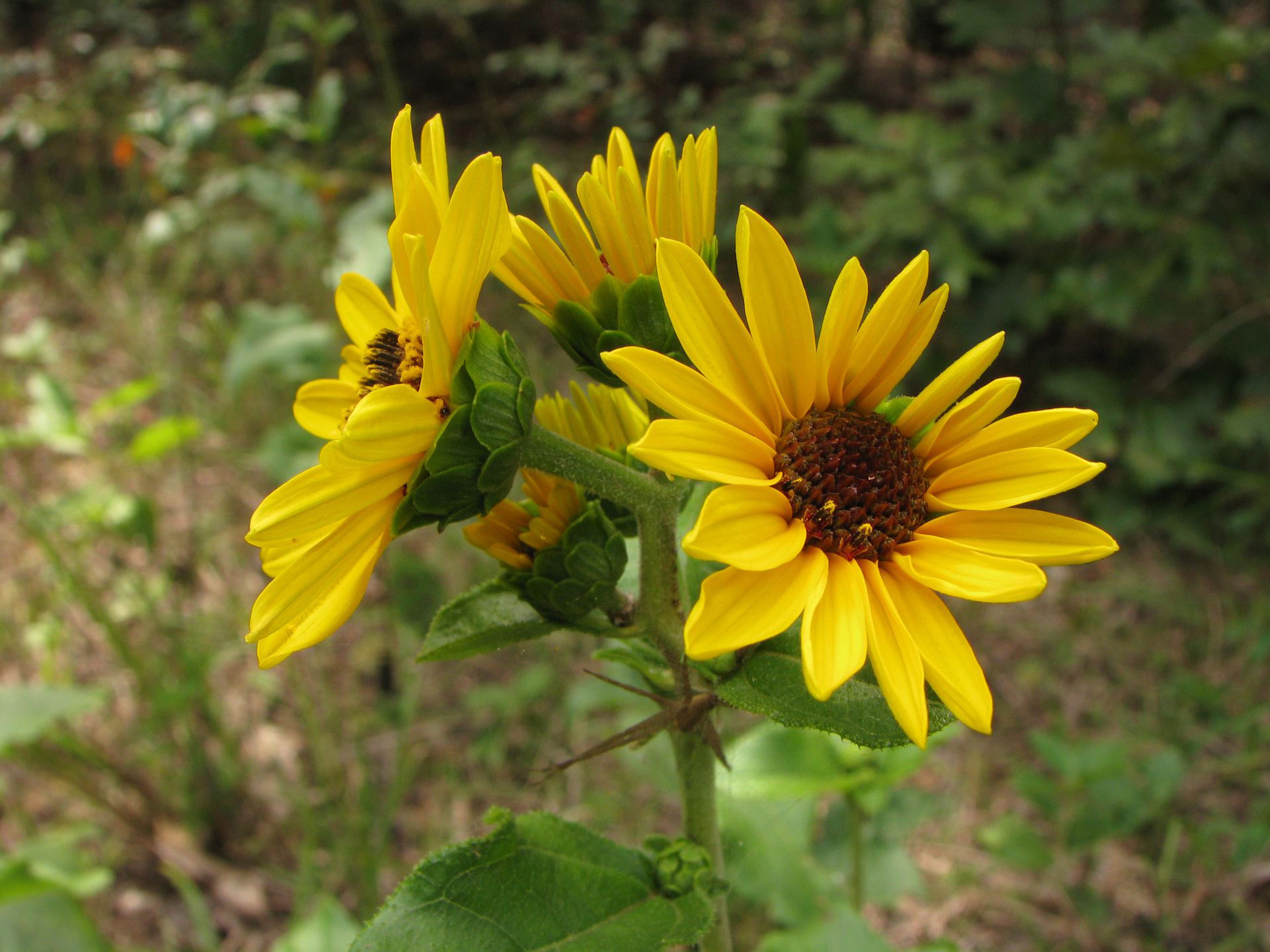
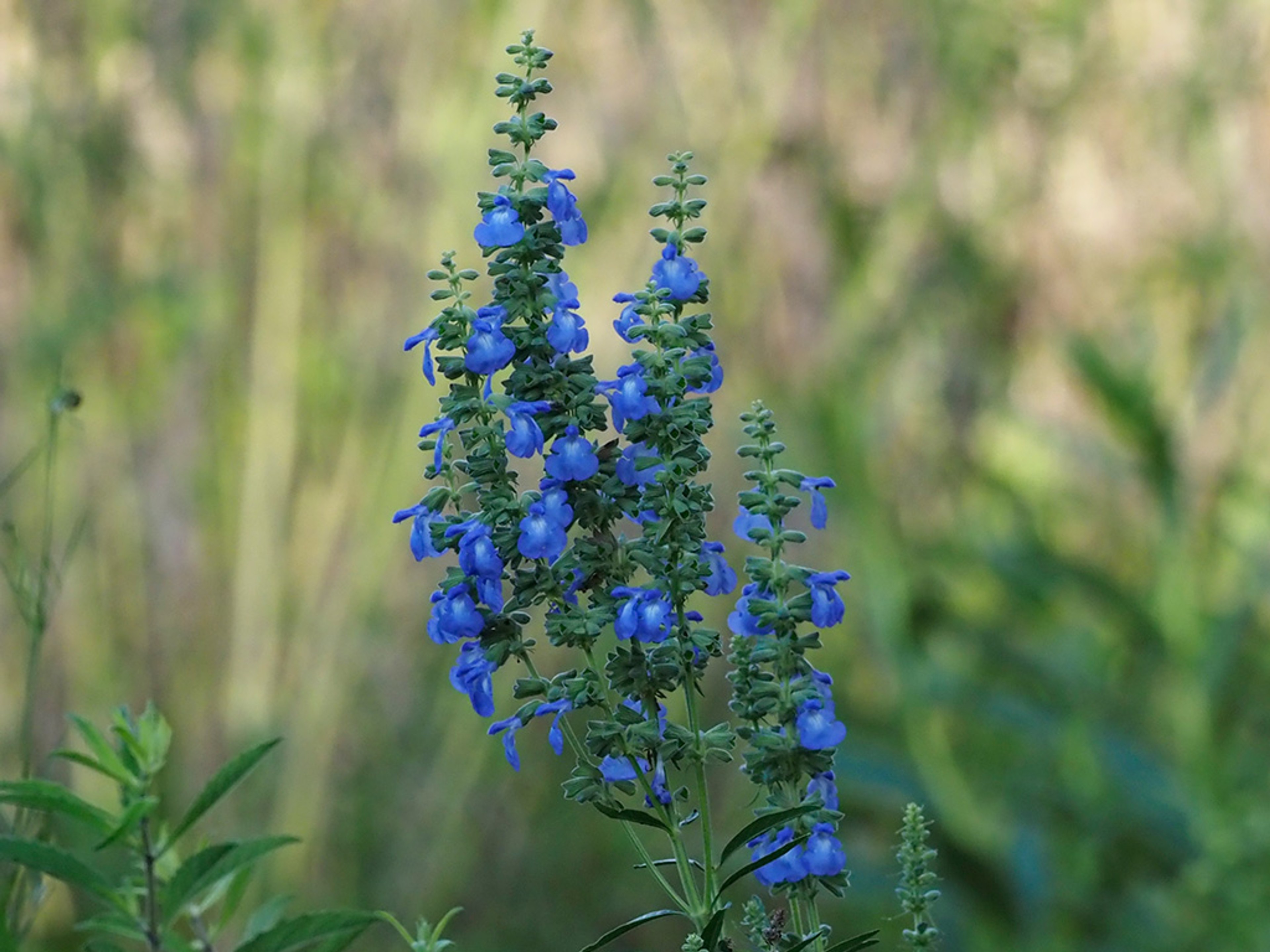
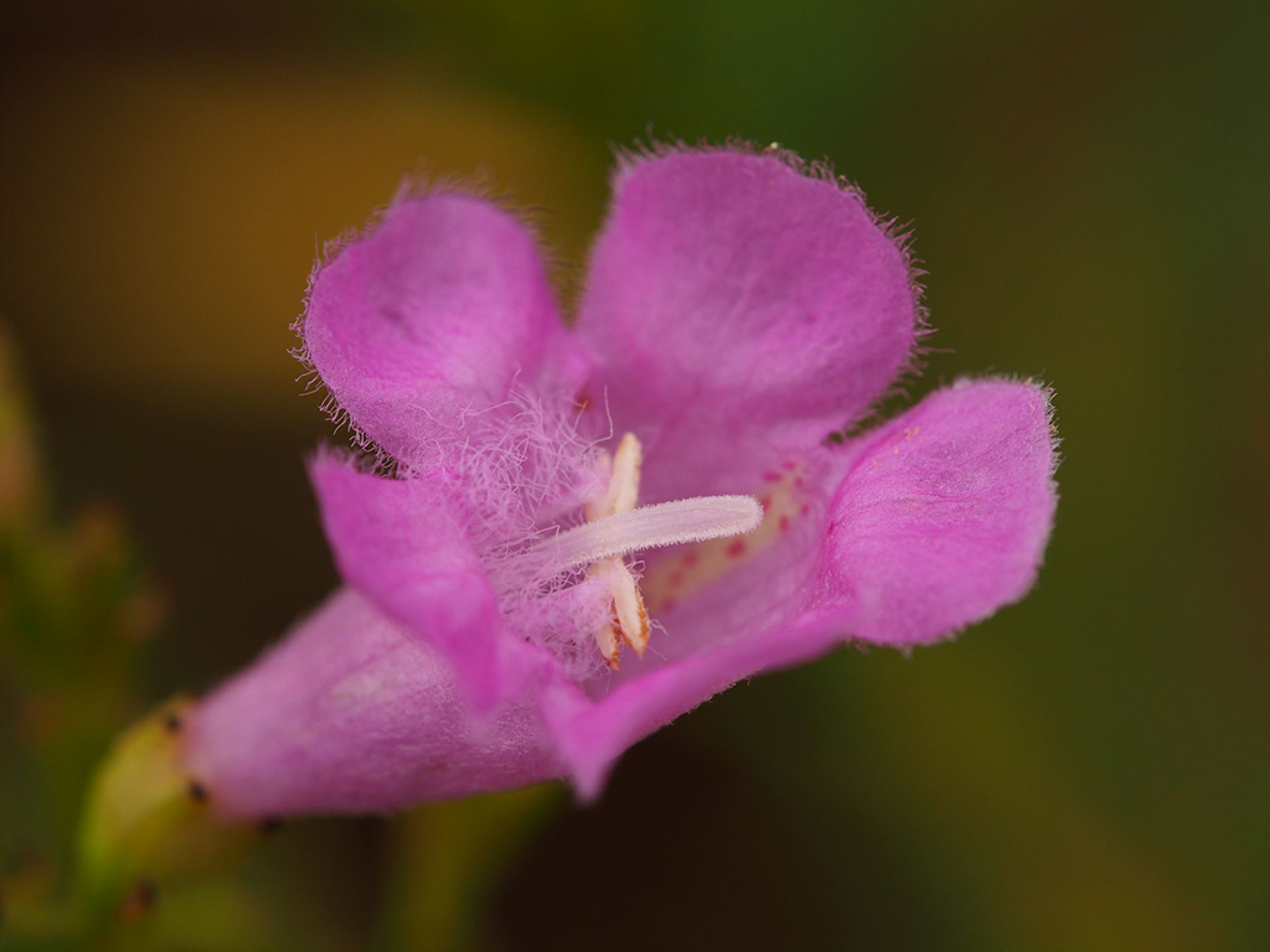
Among the grasses, I often see Slender mountain mint growing near Canada wild rye and Juncus marginatus. They make a beautiful combination in nature!
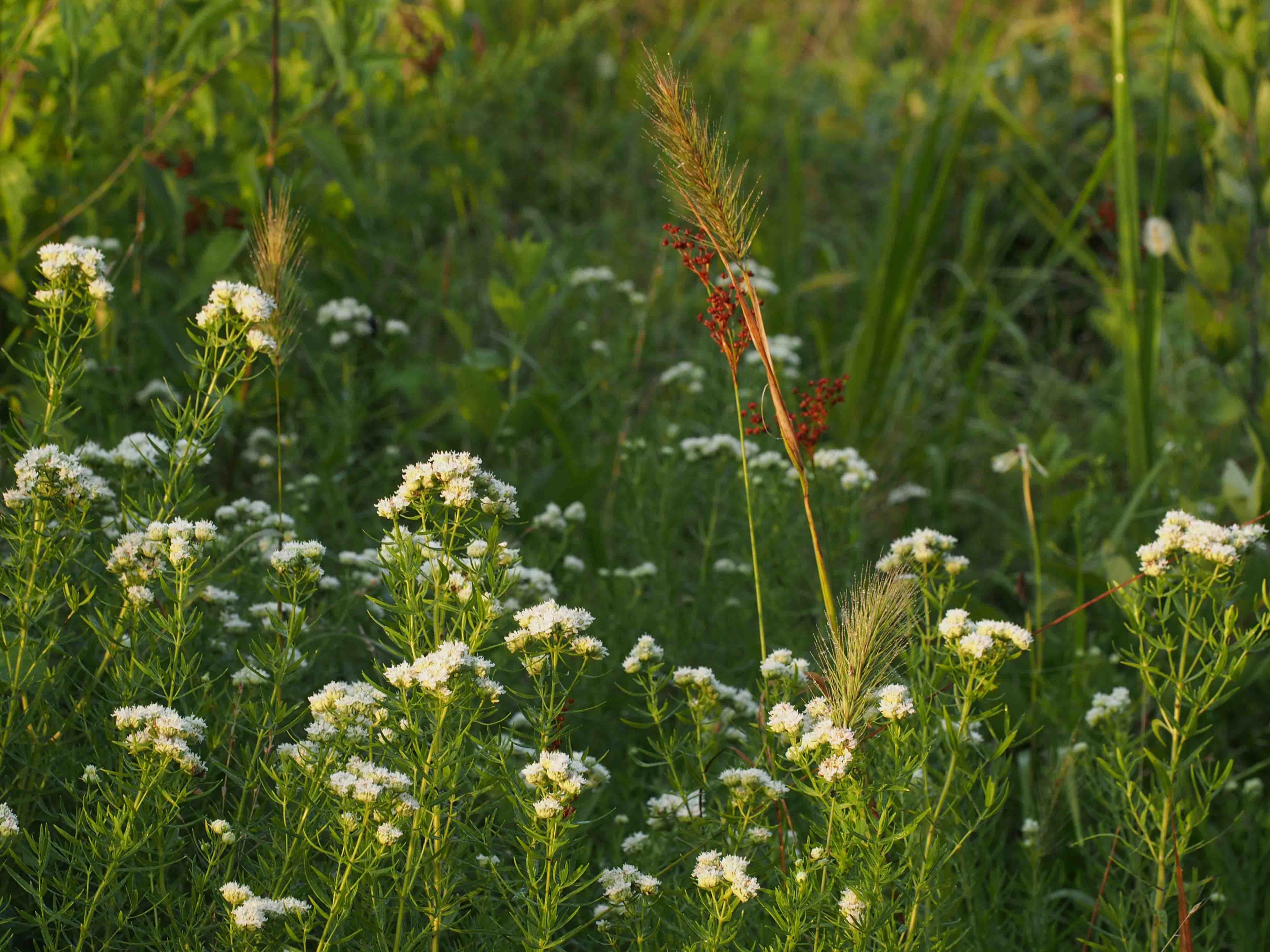
A couple of other common companions are Rudbeckia hirta and Coreopsis tinctoria.
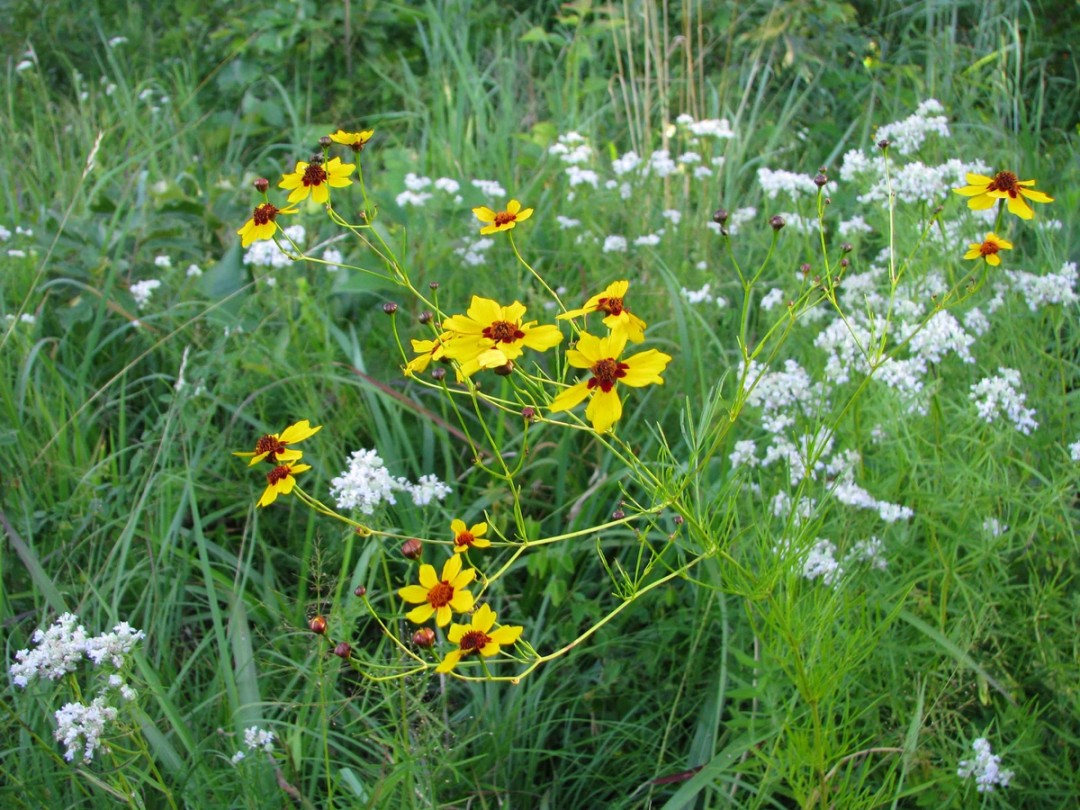
with Coreopsis tinctoria 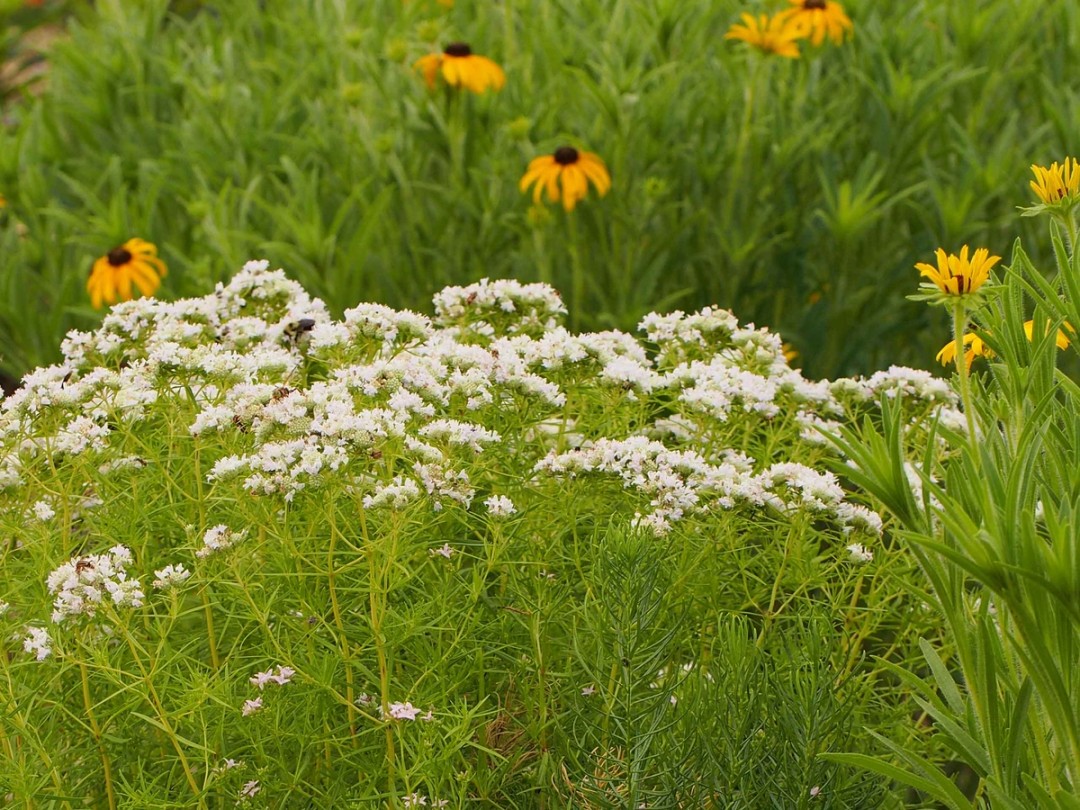
with Rudbeckia hirta
HABITAT
Slender mountain mint is not very picky about its habitat. It can be found in woodlands, limestone glades, prairies and grasslands, thickets, gravel banks of rivers and bluffs. On Ozarkedge, I find it in glades, woodland edges and grasslands. In fact, this tough native handles the dry, sunny spots where most other plants can't manage.
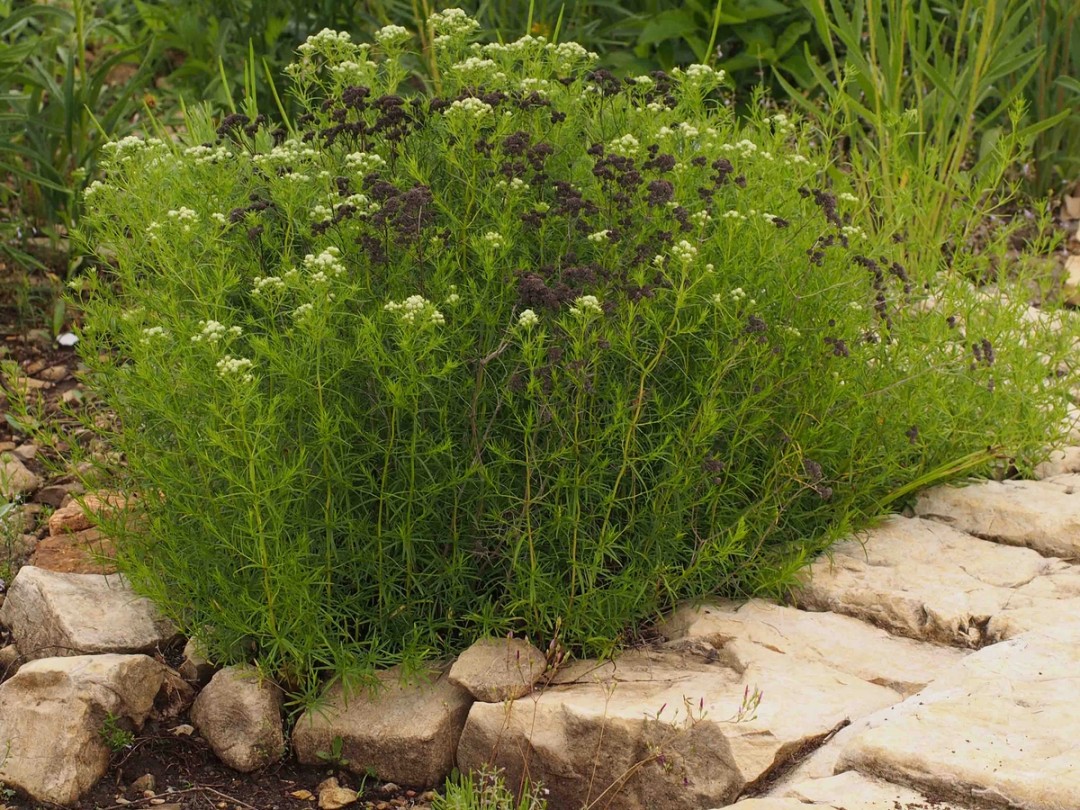
Glade habitat 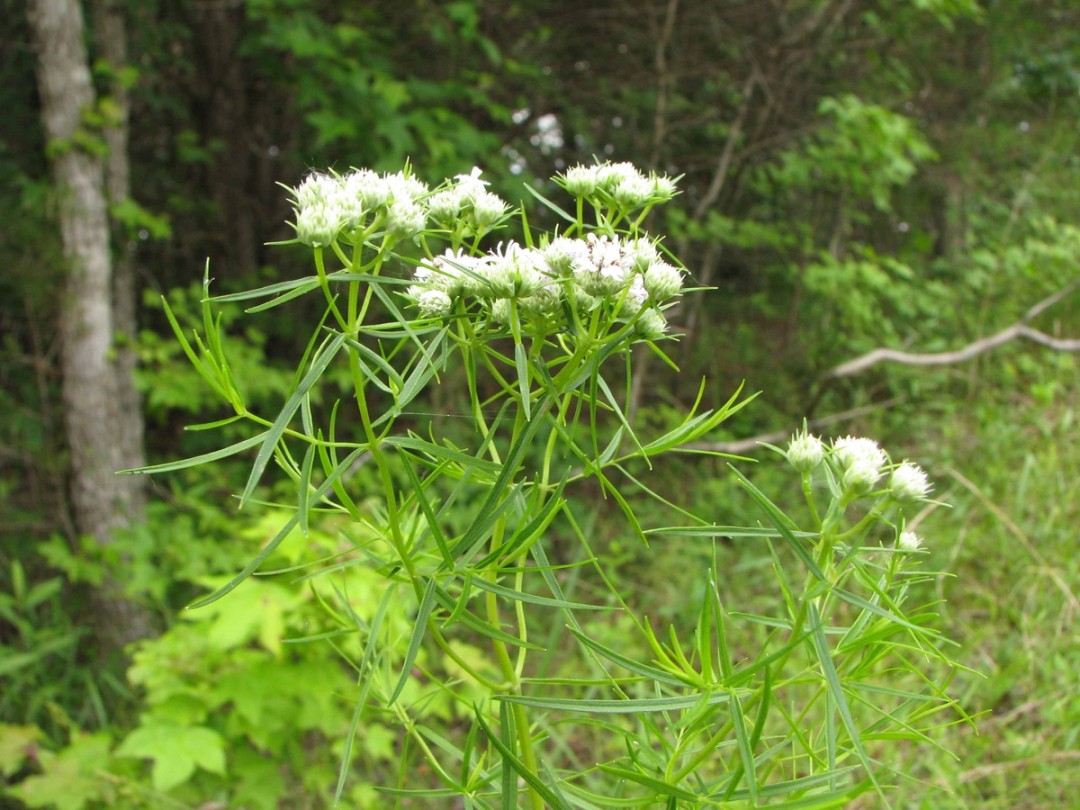
Woodland edge 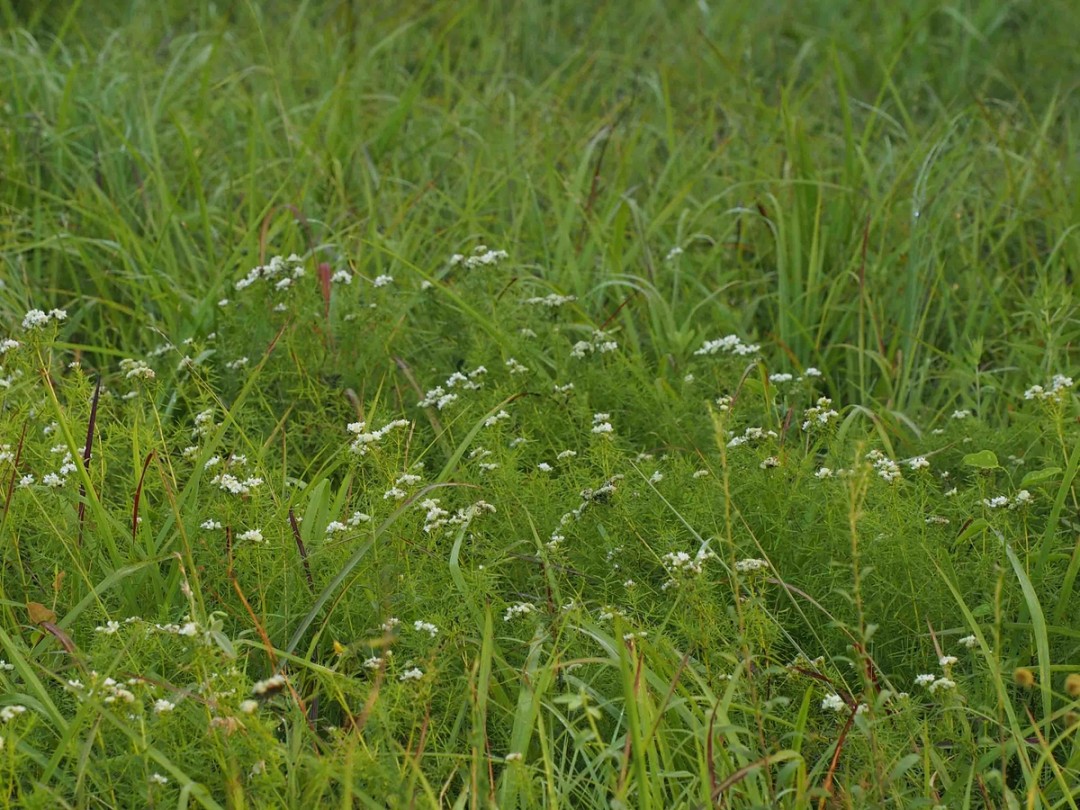
Grassland 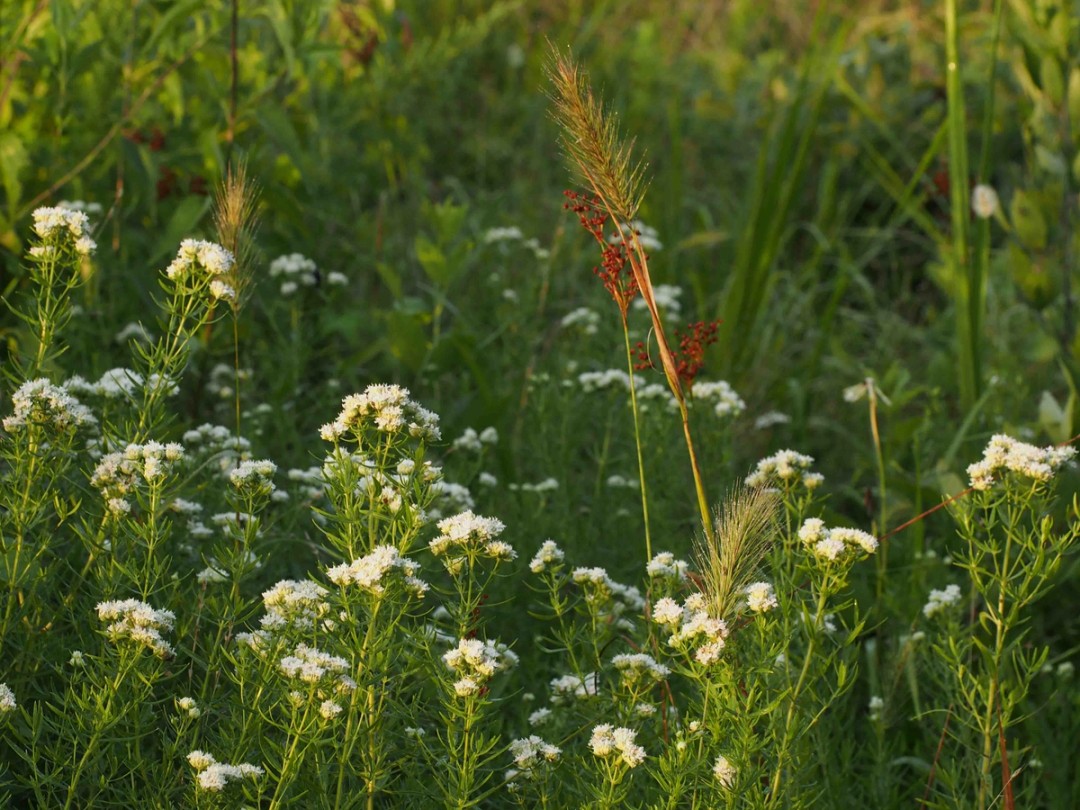
Grassland
CONSERVATION STATUS
Pycnanthemum tenuifolium is native to the eastern half of the United States. Although Natureserve gives it an overall ranking of Secure, it is ranked as Critically imperiled in Nebraska (which is at the western edge of its natural range). In Arkansas it has a Conservation value of 6 in the group of 4-7. This indicates "Typically matrix taxa in intact, stable habitats, with some limited ability to respond to destabilizing forces and repopulate areas from which they have been extirpated."
INTERESTING TIDBITS
Pycnanthemum tenuifolium is frequently recommended for use in roadside restorations and as a pollinator plant for home gardens. Why?
- flowers support many pollinators and beneficial insects
- easy to grow
- long bloom time
- non-aggressive with other plants
- excellent companion plant
- deer, rabbit, vole resistant