PLANT NAME
The word “penstemon” is derived from the Greek words ‘pente’ meaning five and ‘stemon’ meaning thread- which is taken to mean stamen.
The common name, Pale beardtongue, refers to the pale flowers and perhaps the pale green of the leaves and stem. Penstemons in general are referred to as Beard Tongues because of the bristly hairs on the stamen.
BLOOM
Penstemon pallidus is the first of the Arkansas native penstemons to flower each year and its soft white flowers are a welcome sight every spring. Occurring in panicles toward the top of the stem, the flowers are just under an inch long. They have 4 prominent, fertile stamens plus 1 sterile staminode and a single hirsute style. The short, hirsute calyces are bright green with 5 teeth.
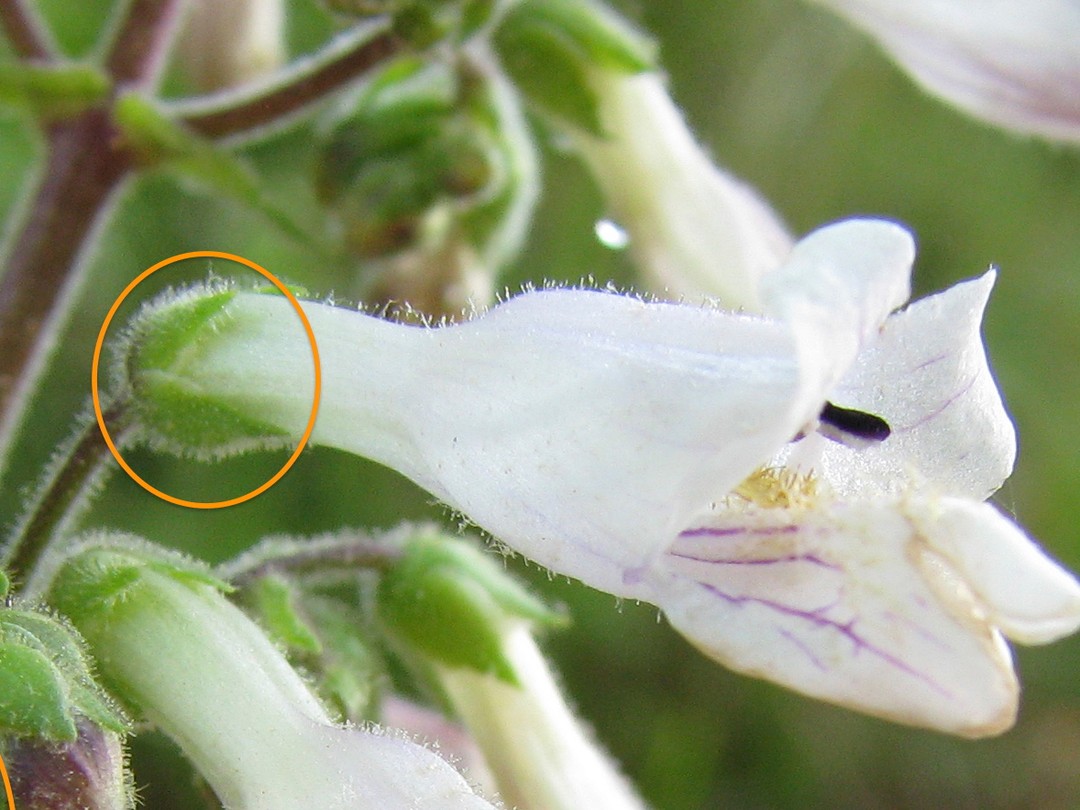
Calyx 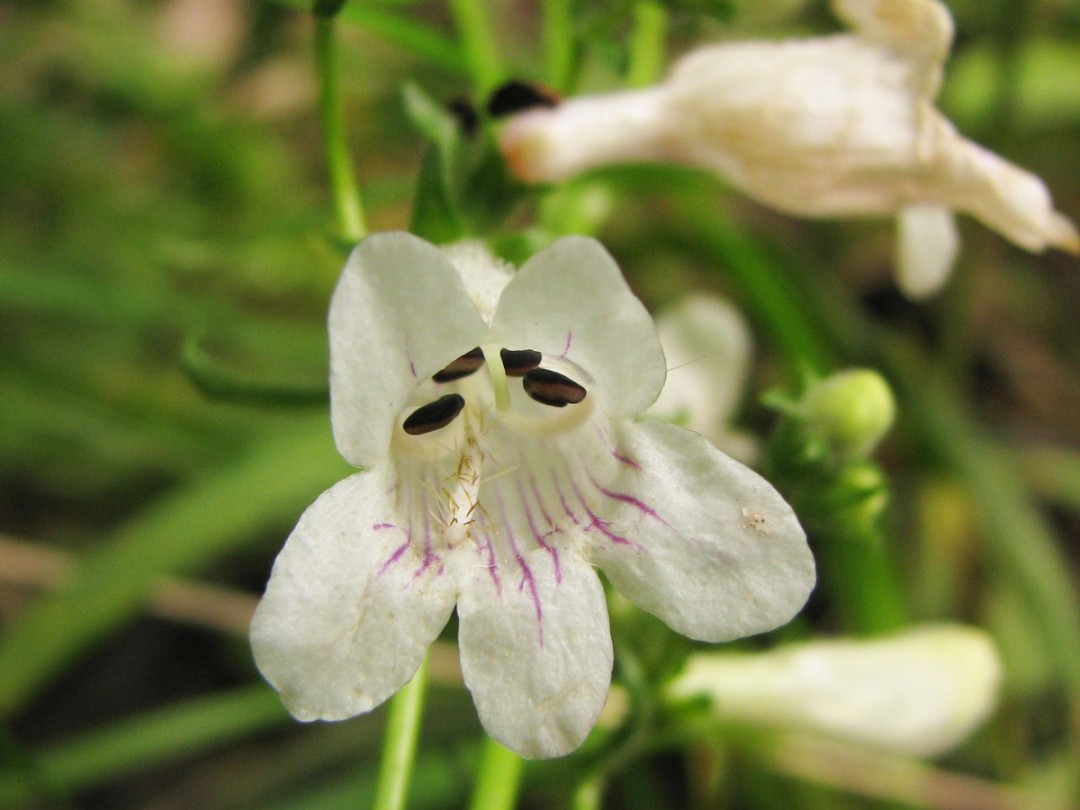
Stamen and style
Corollas are tubular in shape, widening at their tip with an upper and lower lip. The upper lip curls backward and consists of 2 lobes, while the lower lip has 3 lobes. Light lavender to purple lines occur inside the lower lip with yellow hairs near the throat.
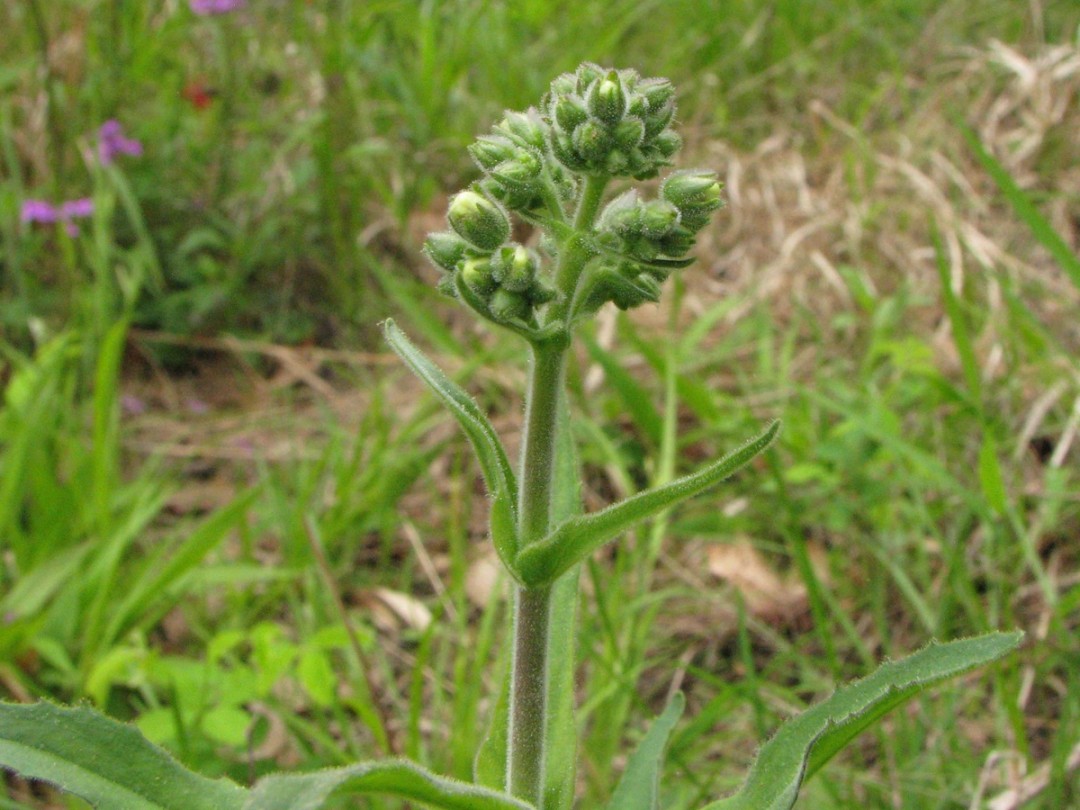
Buds 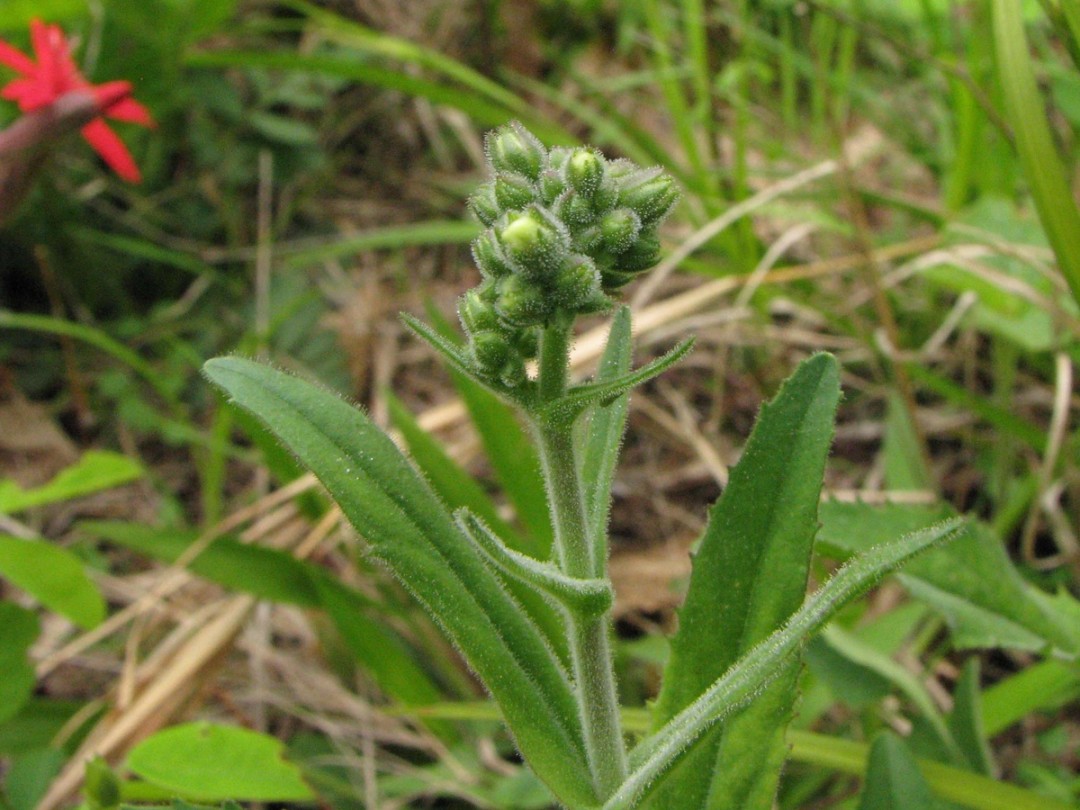
Buds 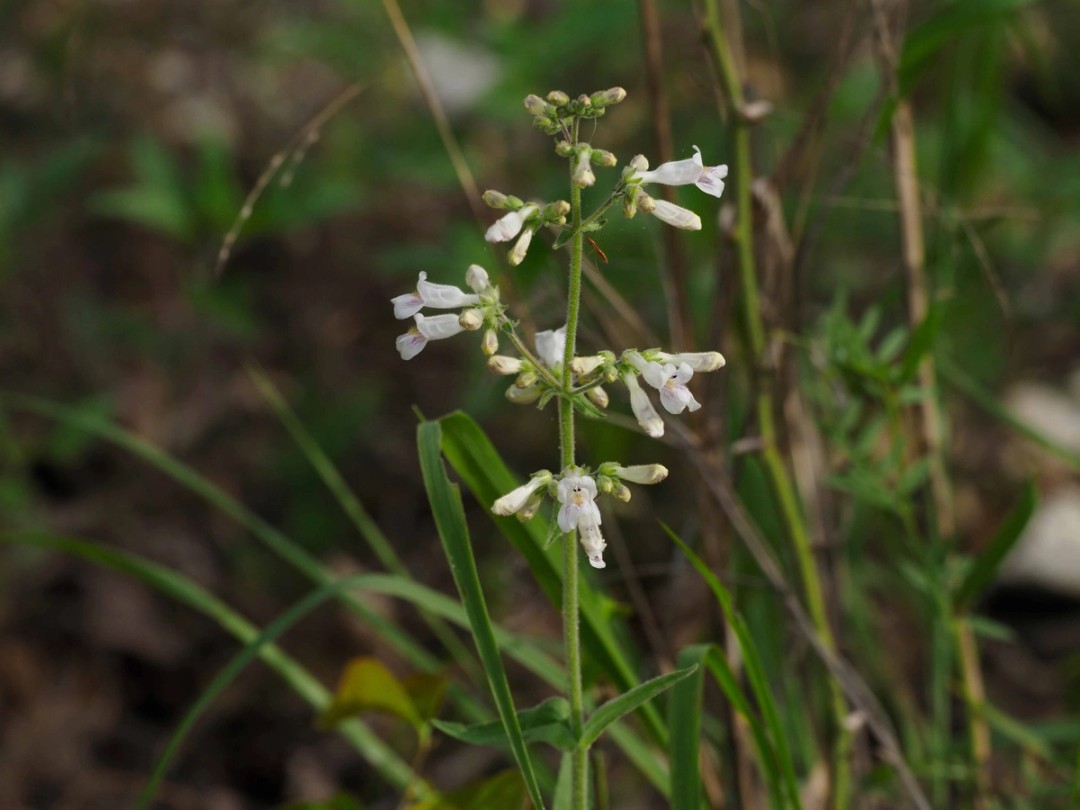
Flowers and buds 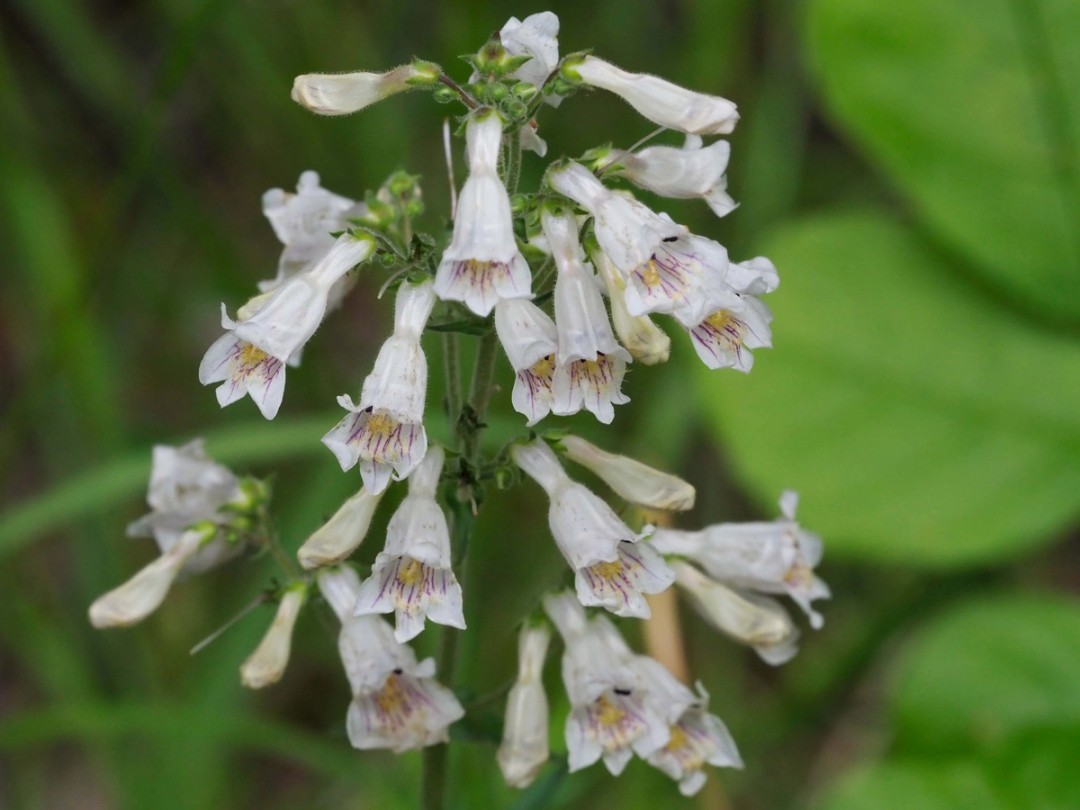
Purple lines on lower lip 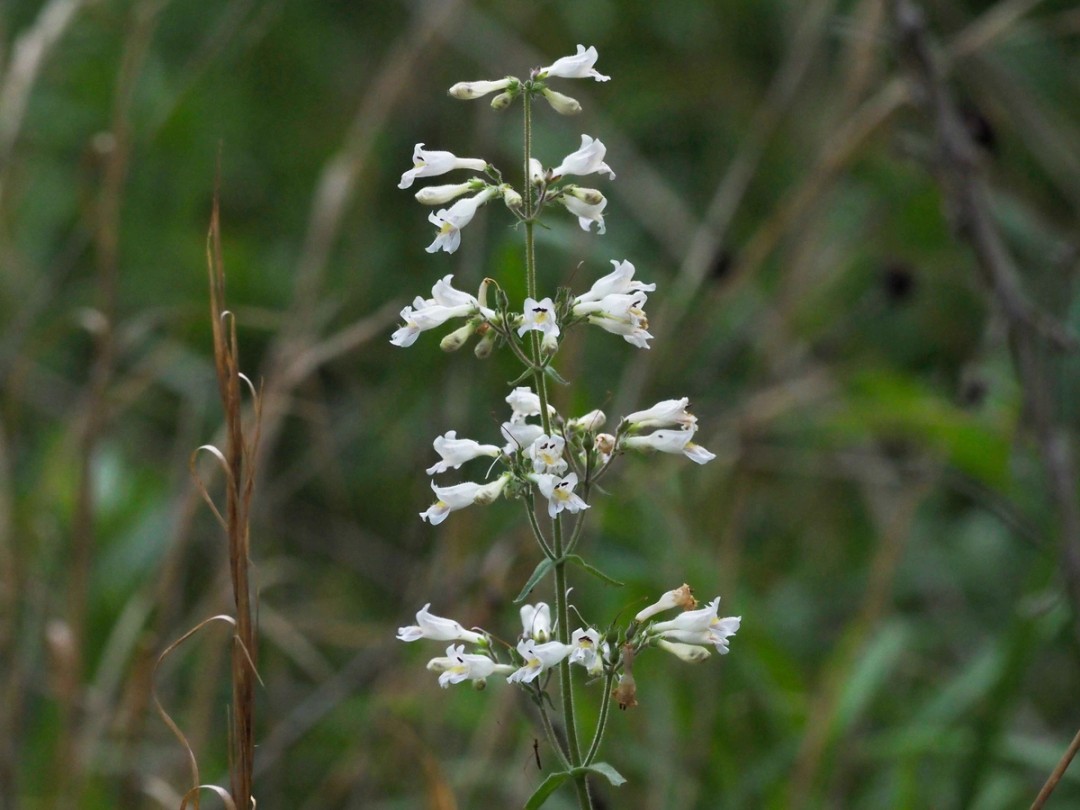
Panicles of flowers 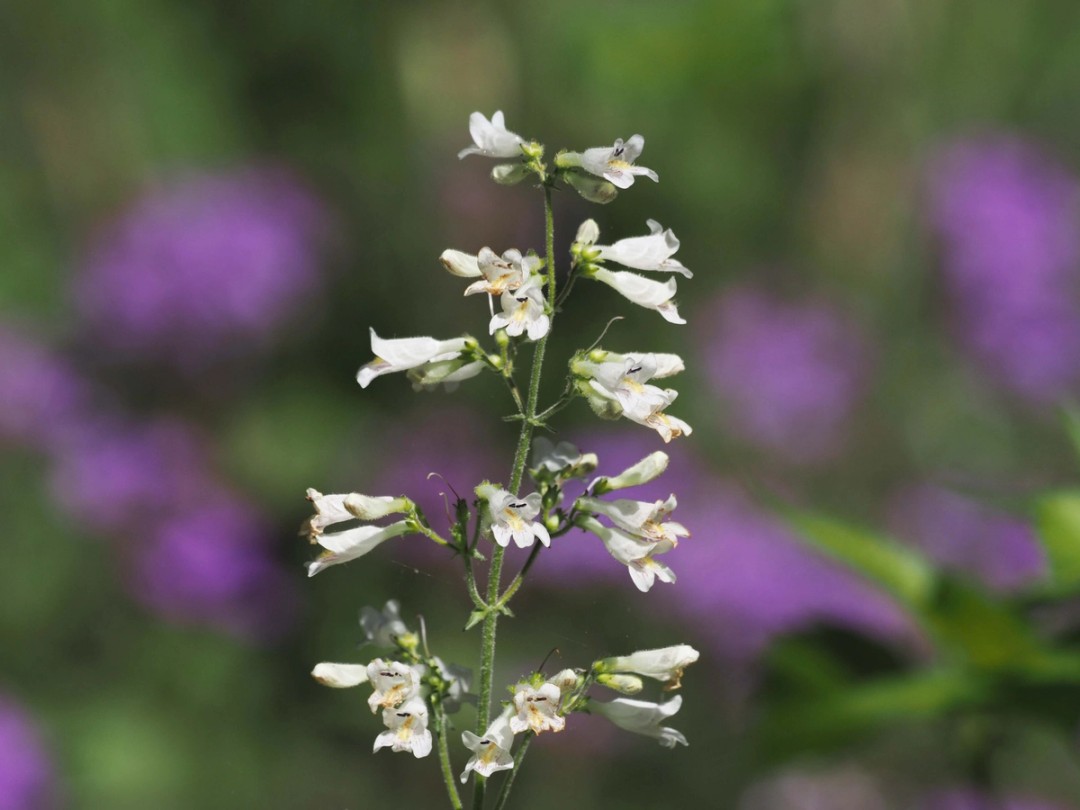
Flowers at peak bloom
DESCRIPTION
Penstemon pallidus is downy all over. The stem is densely hairy. The pubescent leaves are opposite and partially clasp the stem. They are lanceolate in shape and often toothed.
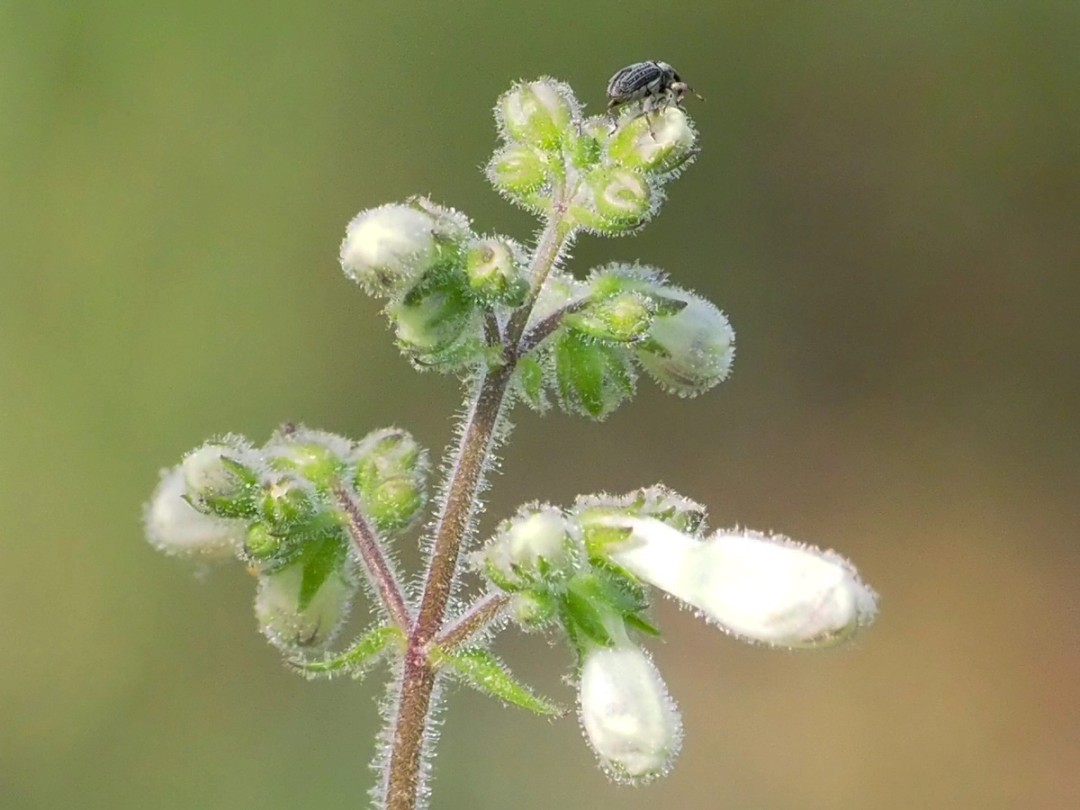
Hirsute stem, leaves and buds 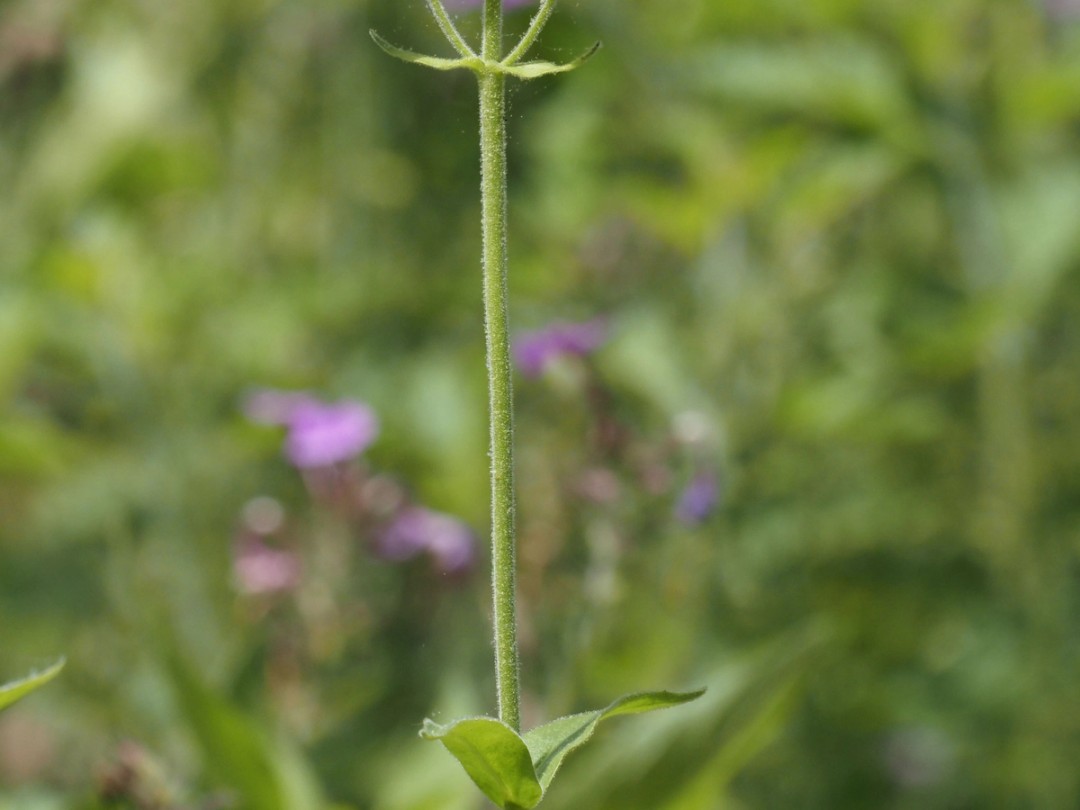
Hirsute stem 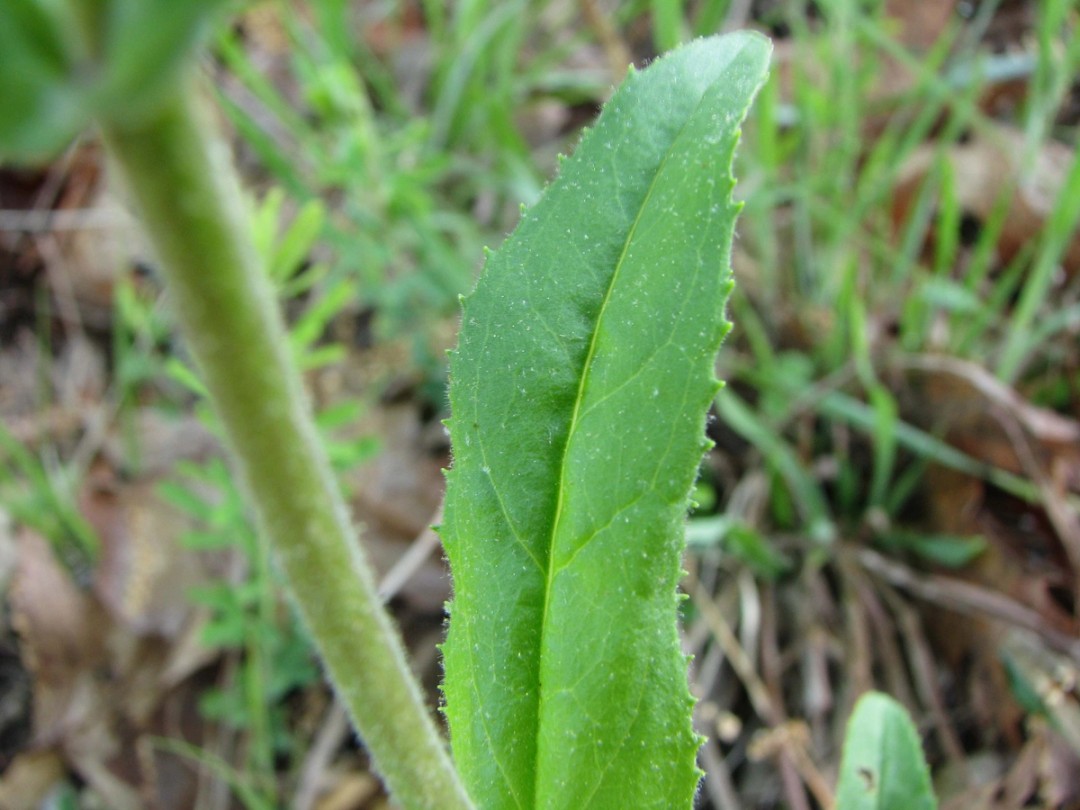
Toothed leaf 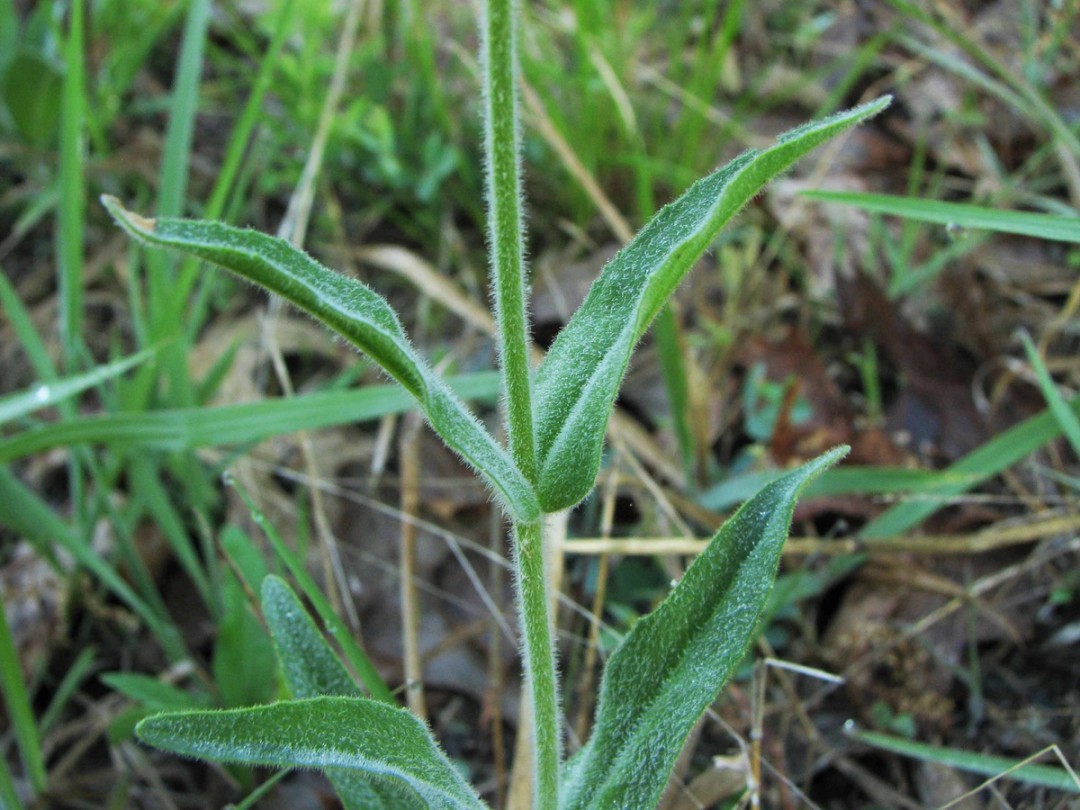
Opposite leaves
Seed pods are ovoid in shape with each pod containing many dark brown to black, tiny seeds. When ripe, the capsules split, releasing small seeds that are dispersed by wind.
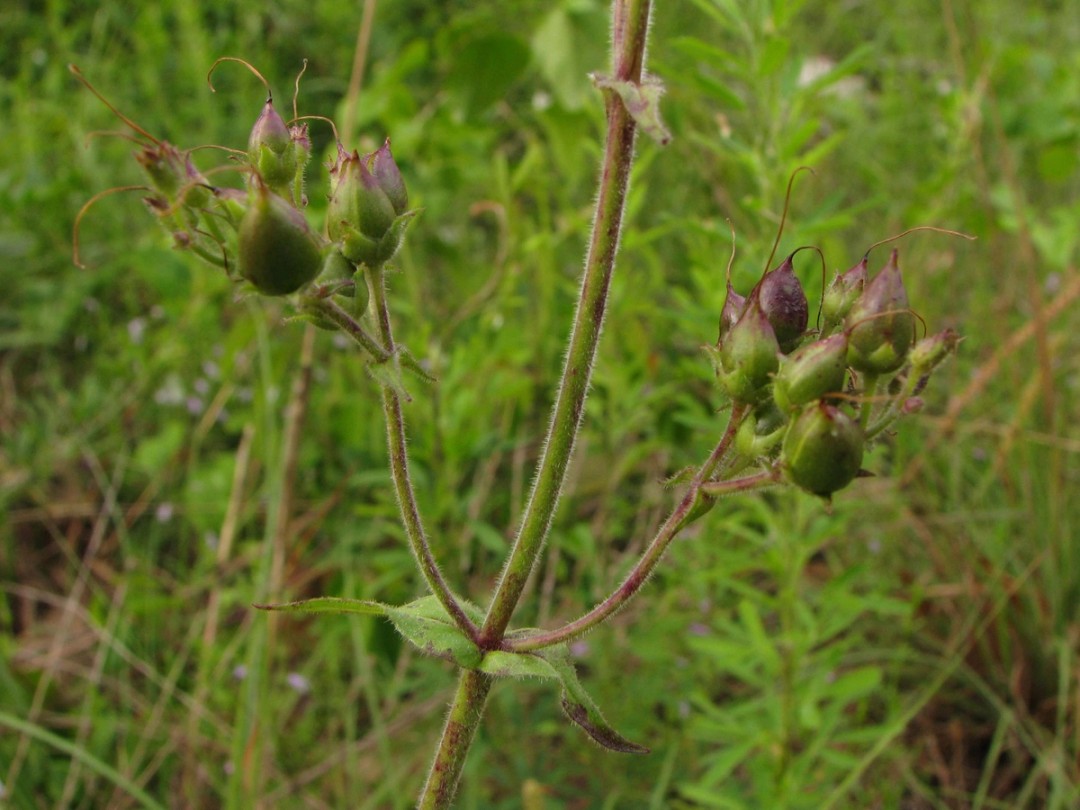
Unripe seed pods 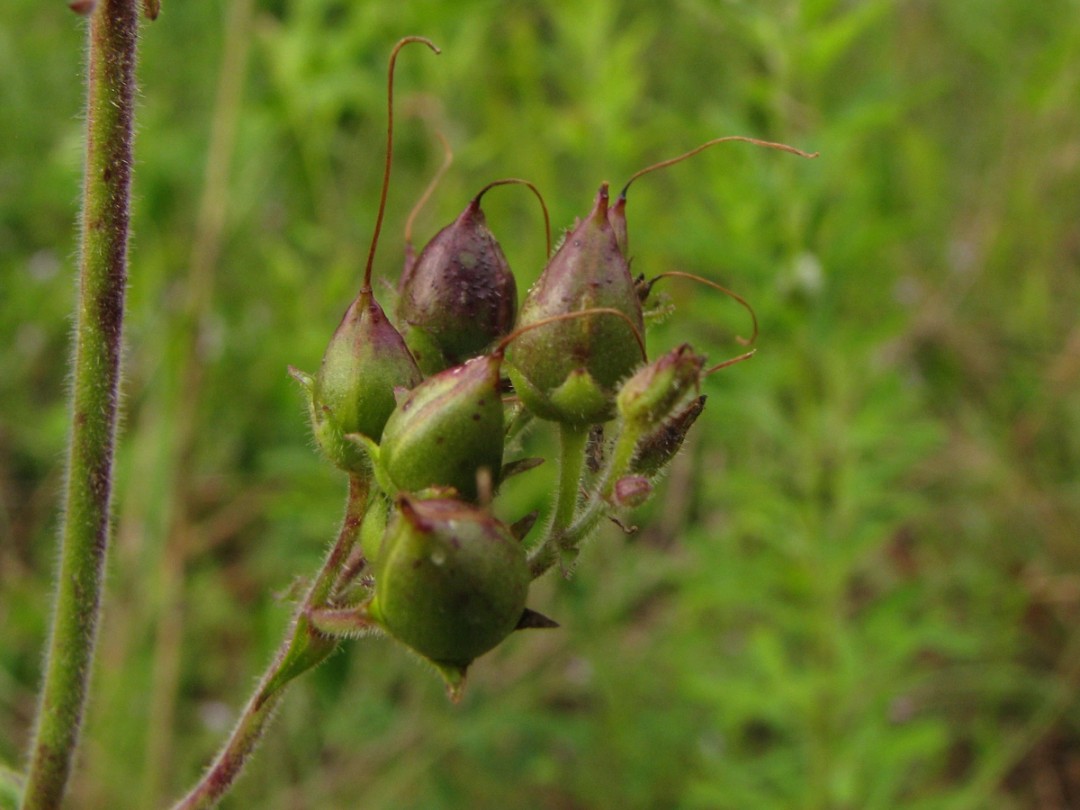
Close look seed pods
POLLINATORS
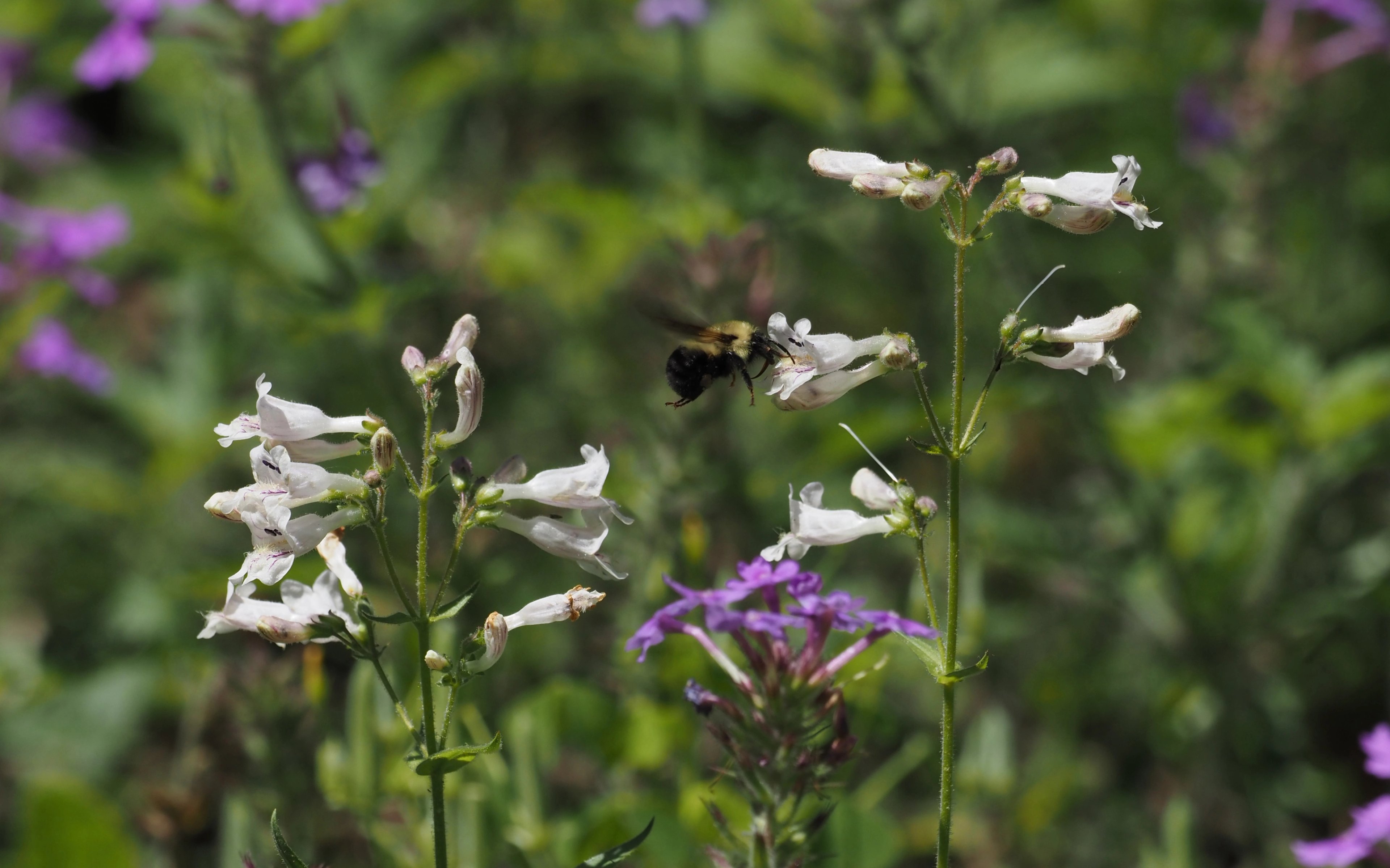
Penstemon pallidus is primarily cross-pollinated by various bees including bumblebees, mason bees, small carpenter bees, and both long-tongued and short-tongued bees.
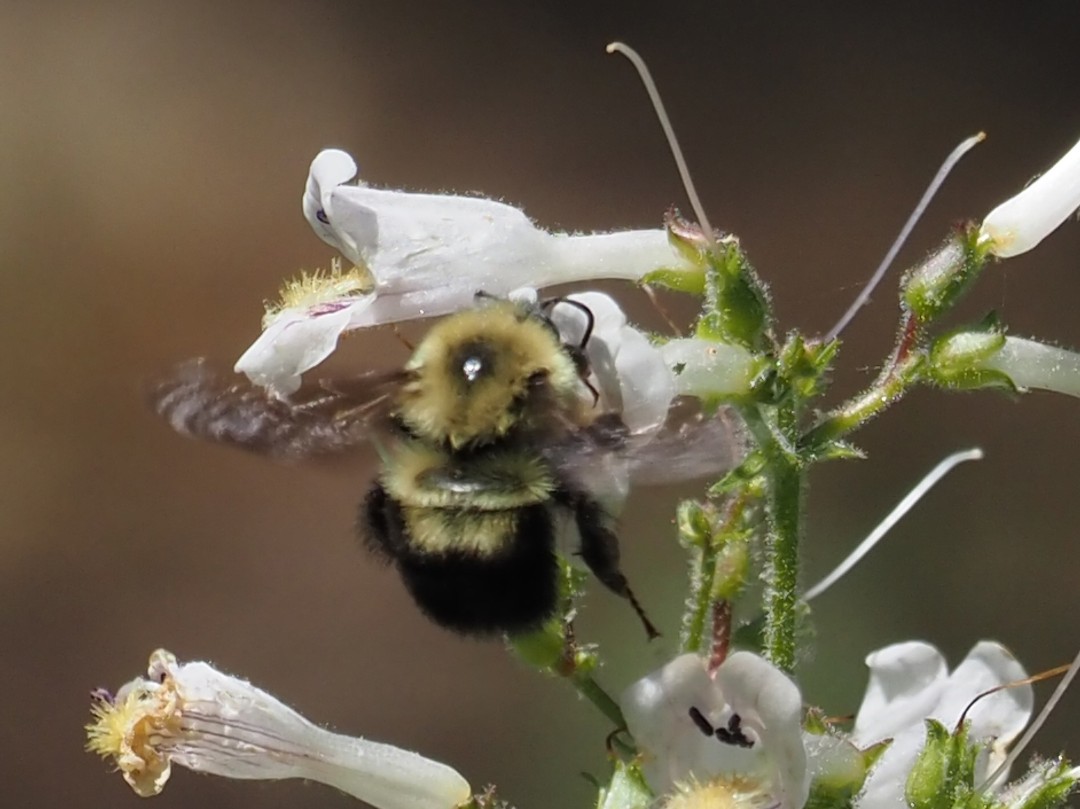
Bombus bimaculatus 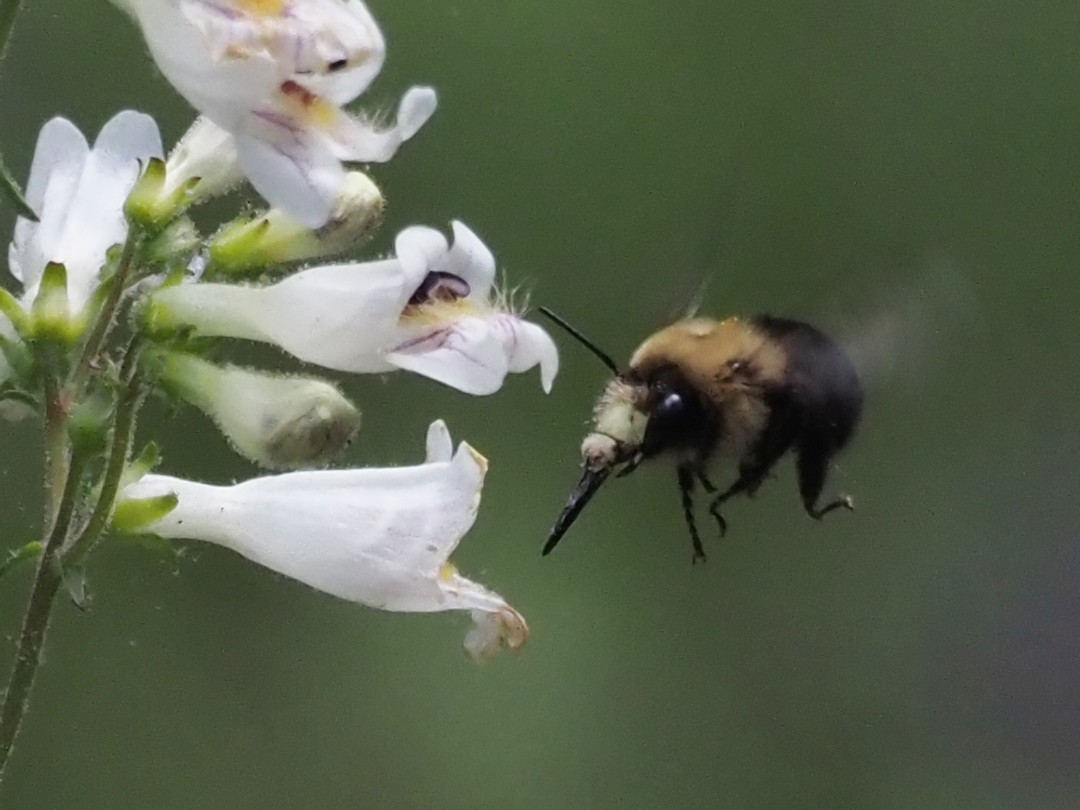
Abrupt digger bee
Various butterflies and moths are also known pollinators of Penstemon pallidus.
PLANTS GROWING NEARBY
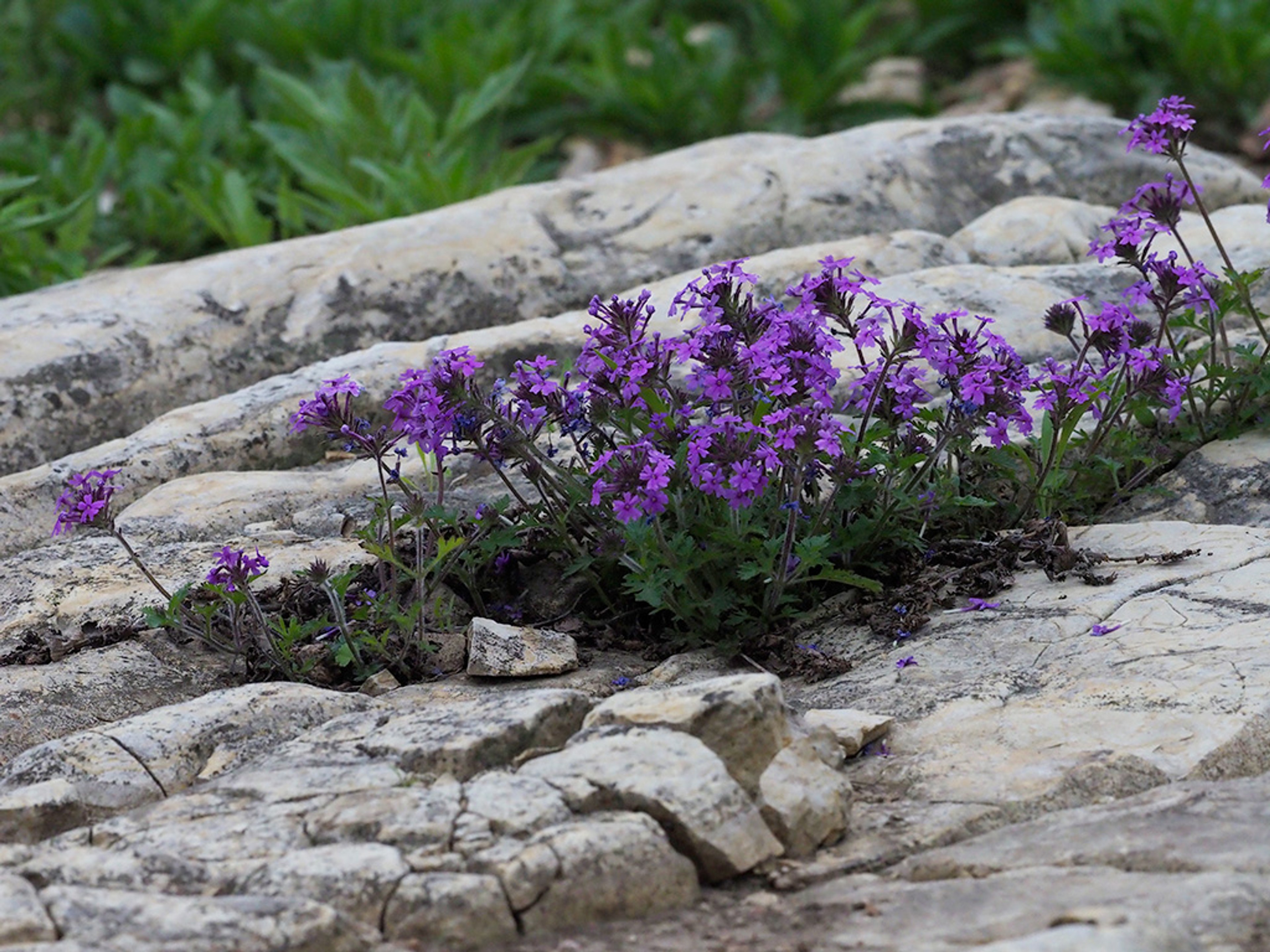
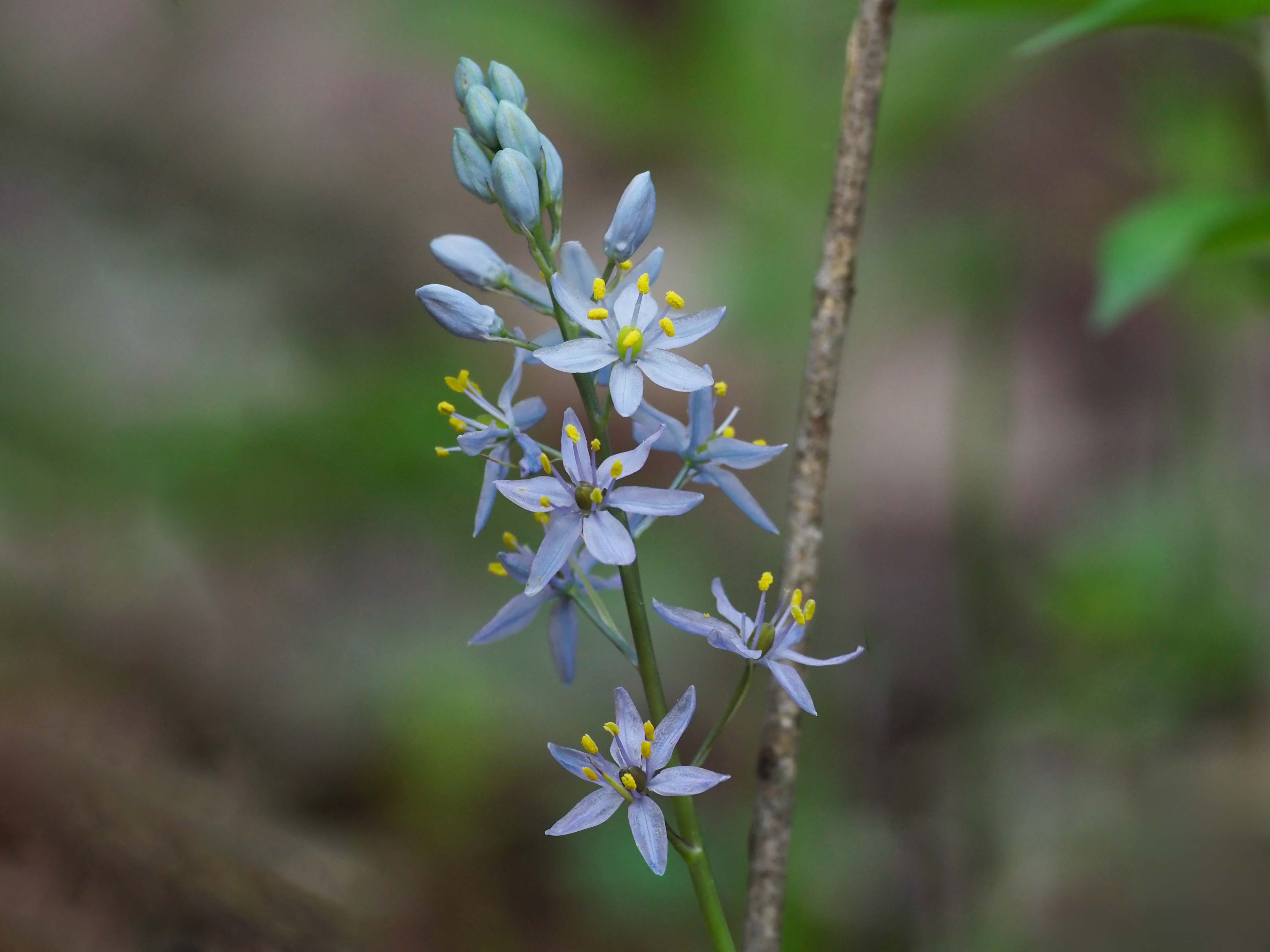
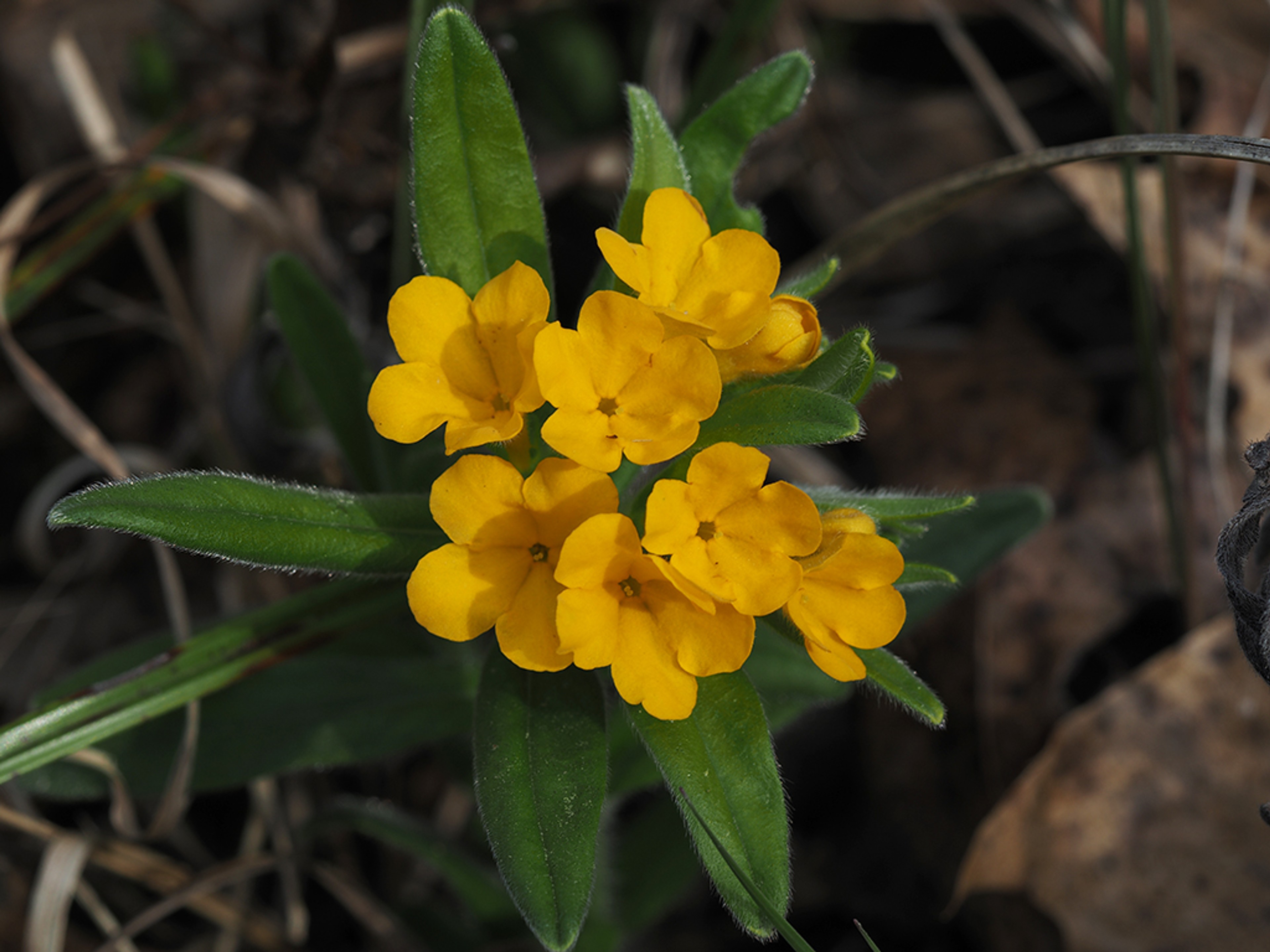
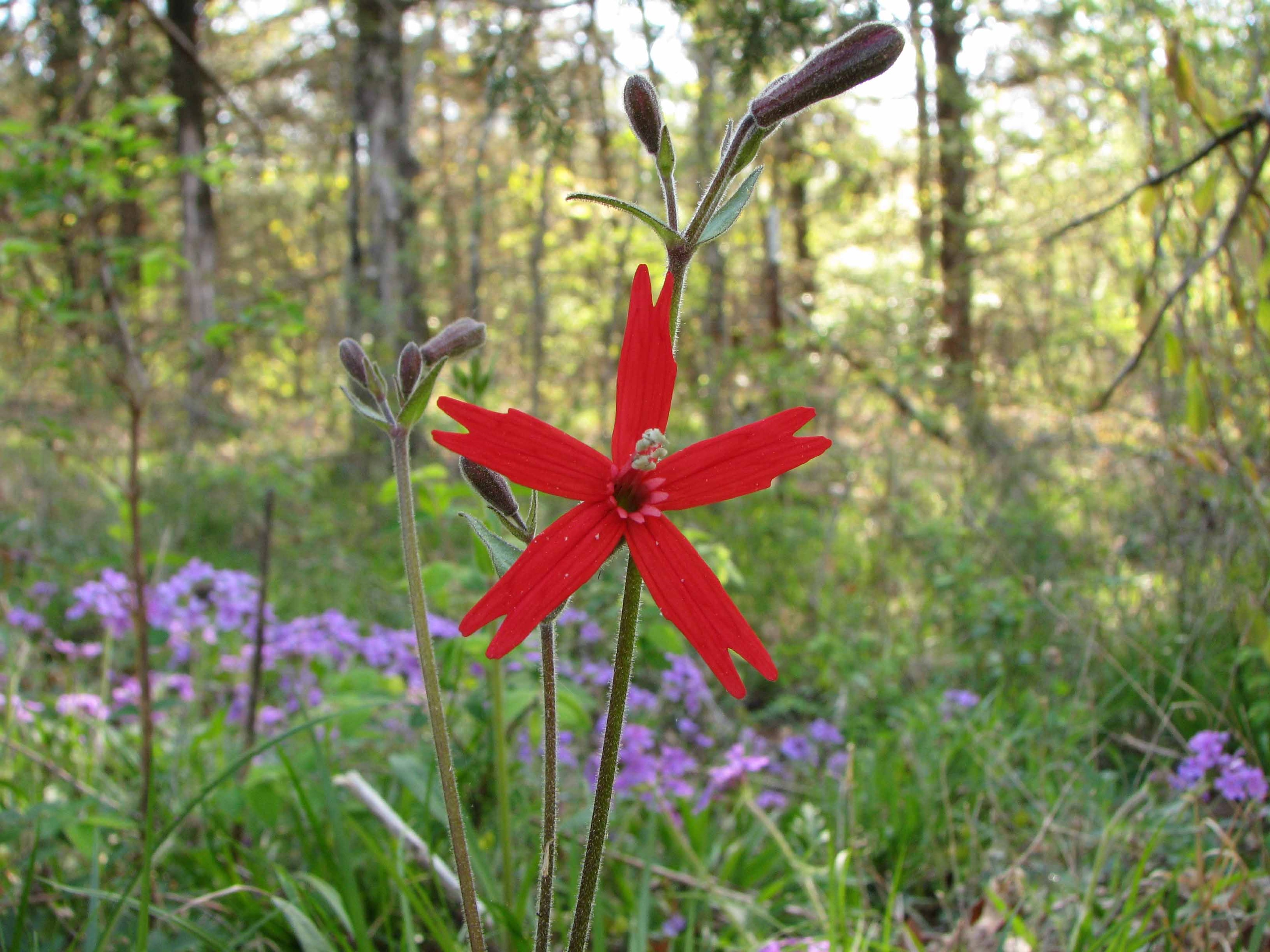
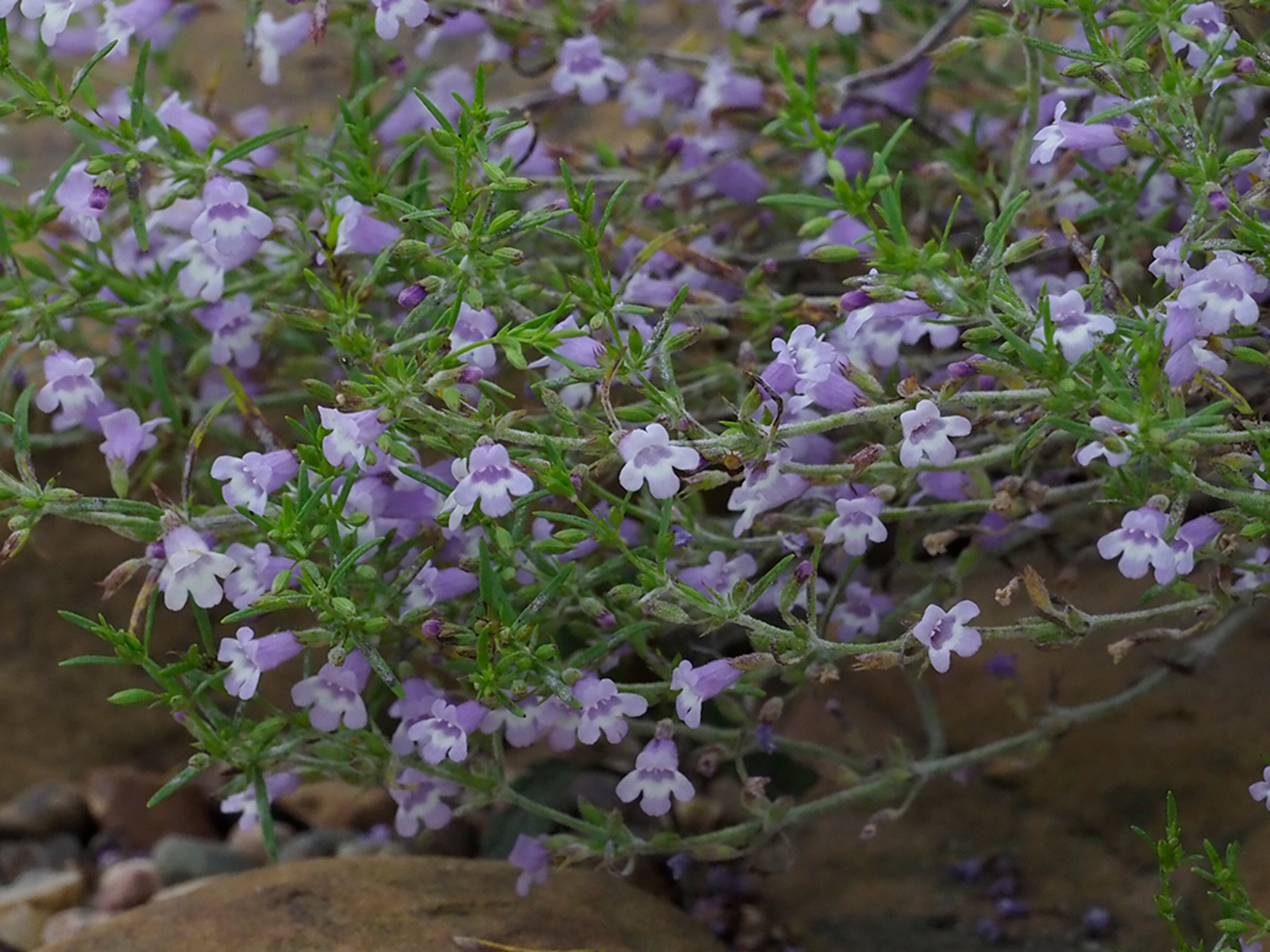
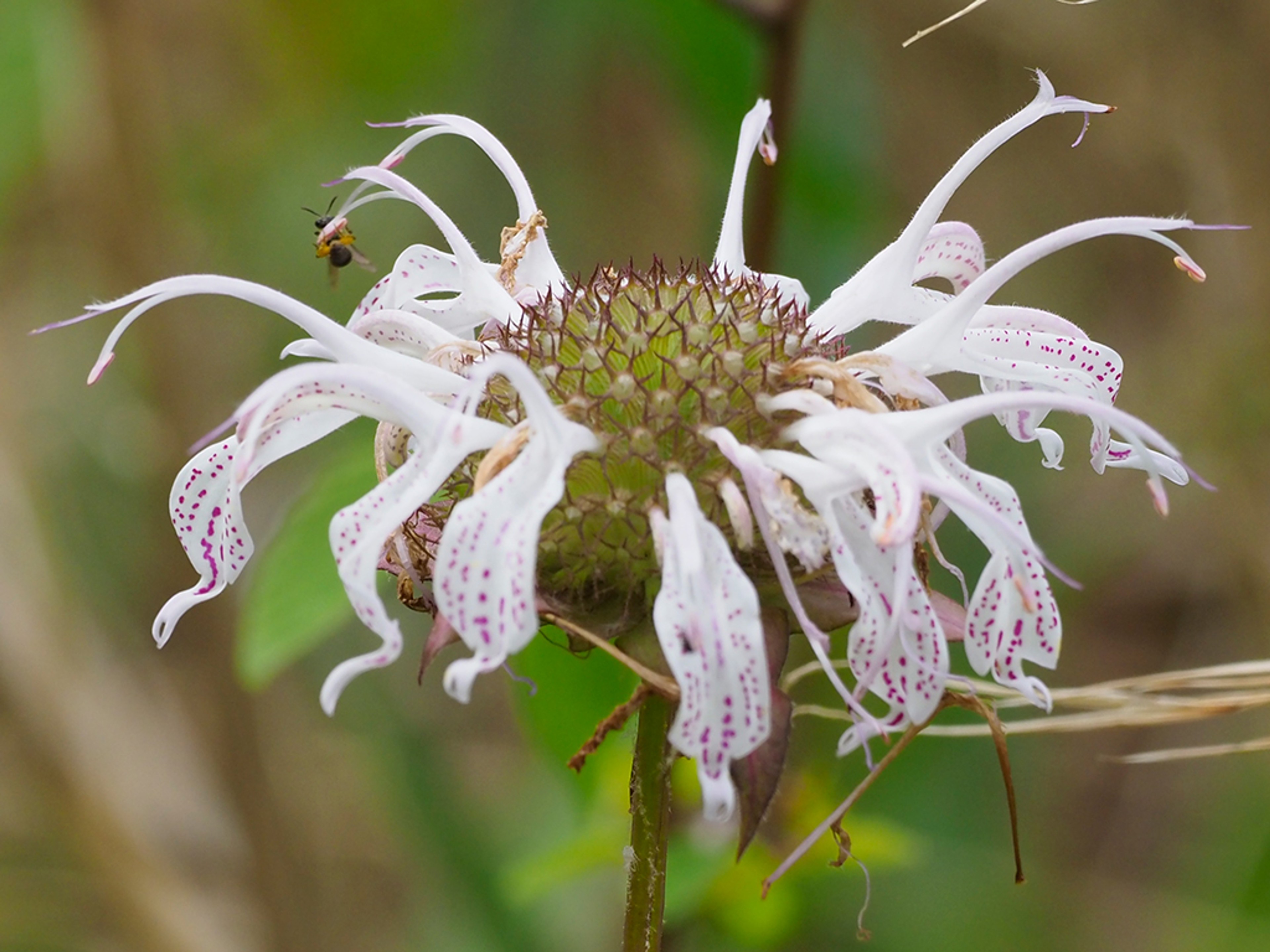
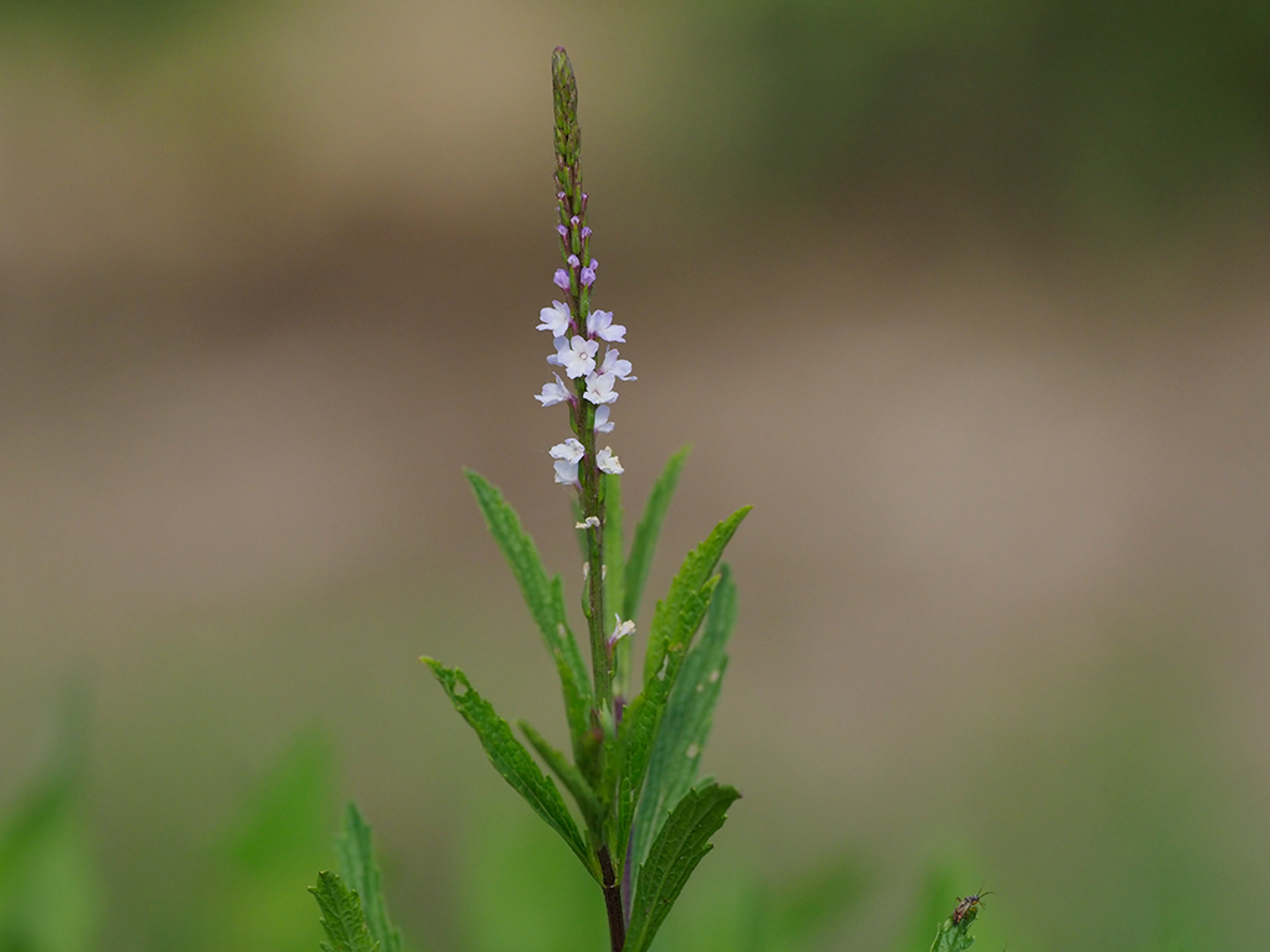
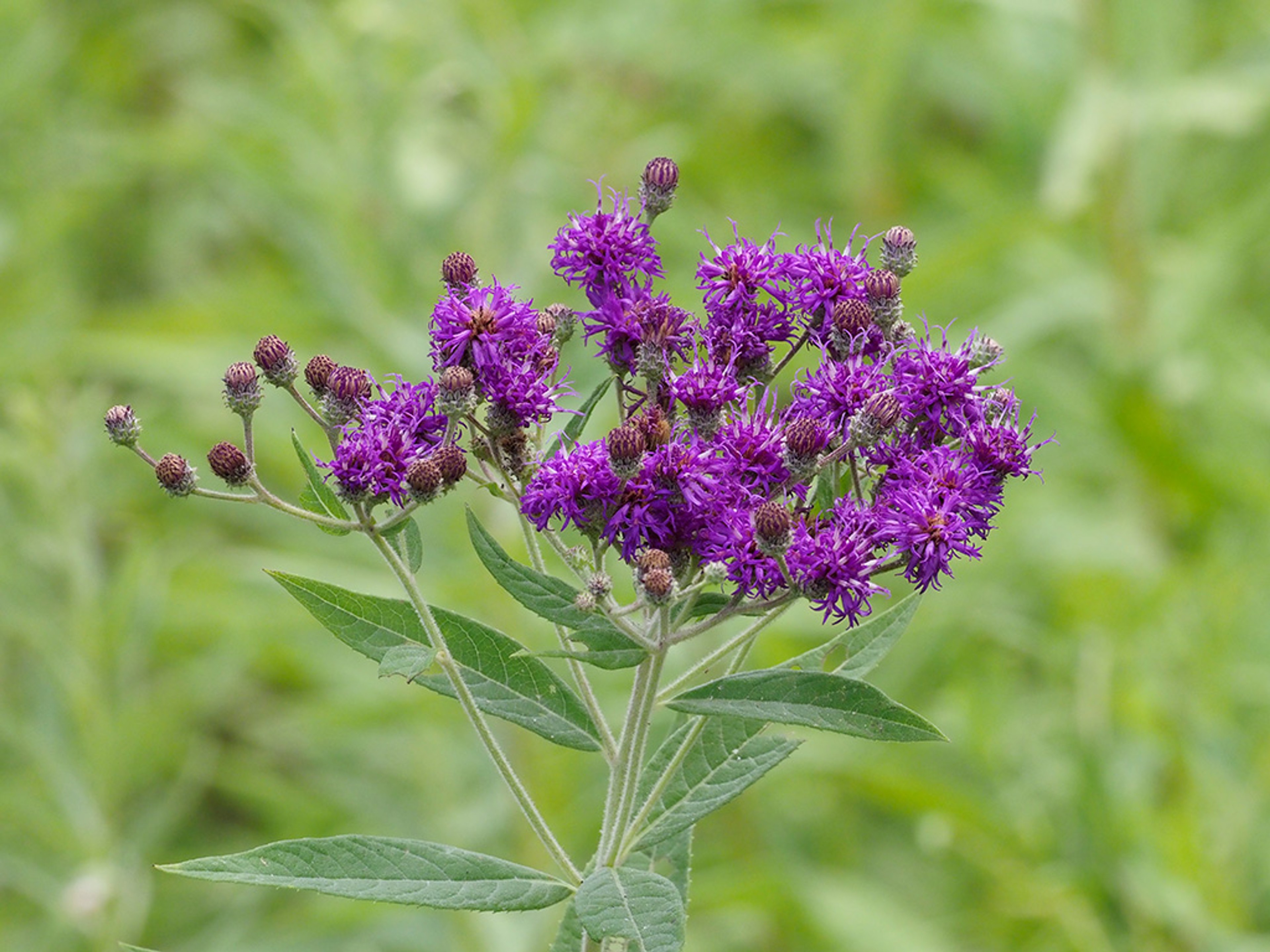
You might find Climbing milkweed (Matelea decipiens) sharing both habitat and bloom time with Penstemon pallidus. Other wildflowers that share the same habitat and bloom time are Rose verbena (Glandularia canadensis), Wild hyacinth (Camassia scilloides) and Ohio horsemint (Blephilia ciliata). There are numerous other native wildflowers growing nearby.
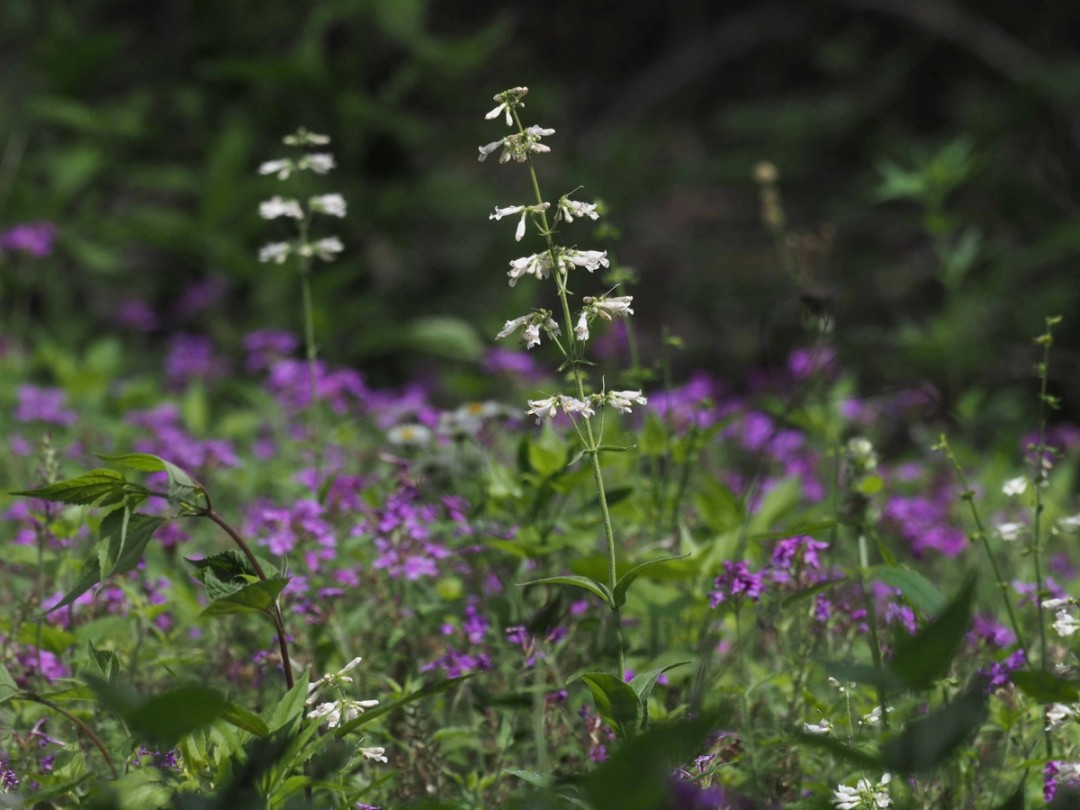
with Rose verbena 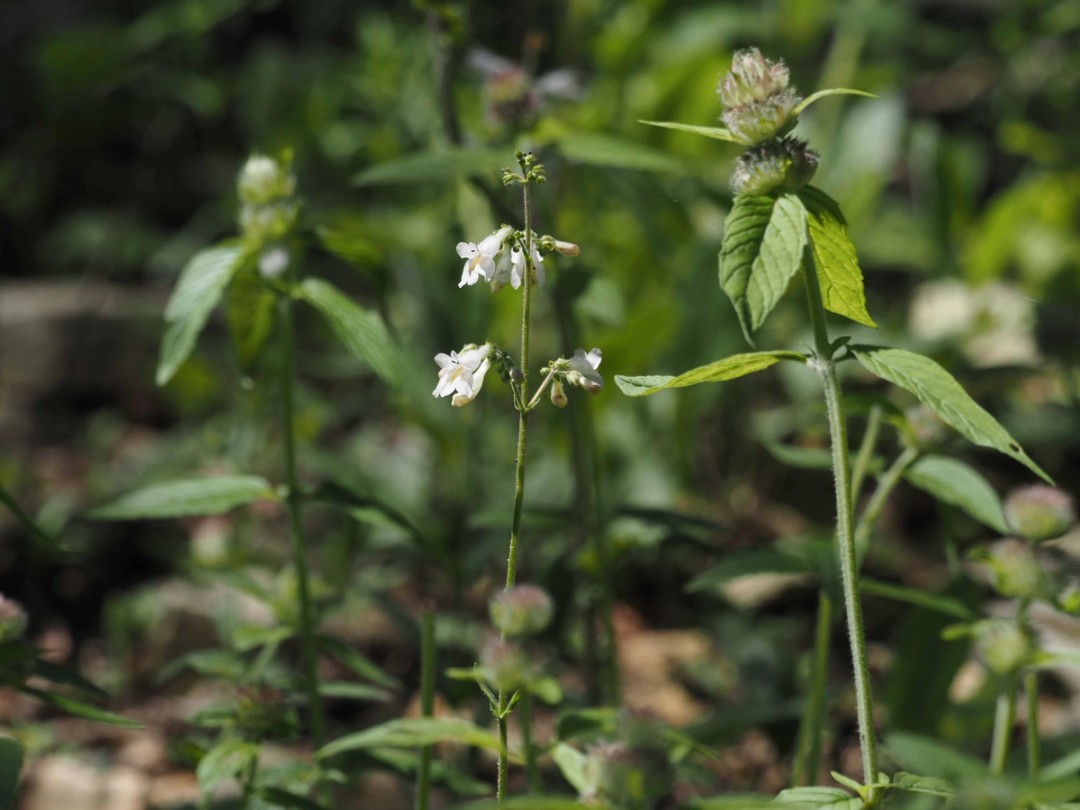
with Ohio horsemint 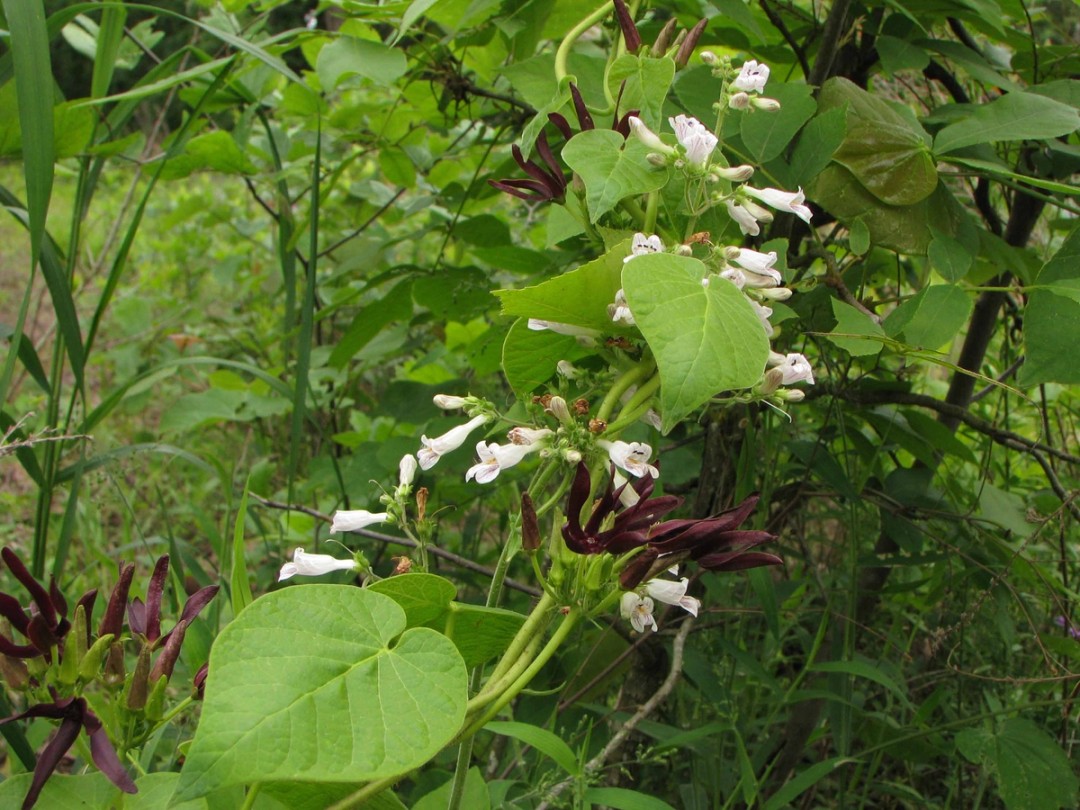
with Matelea decipiens 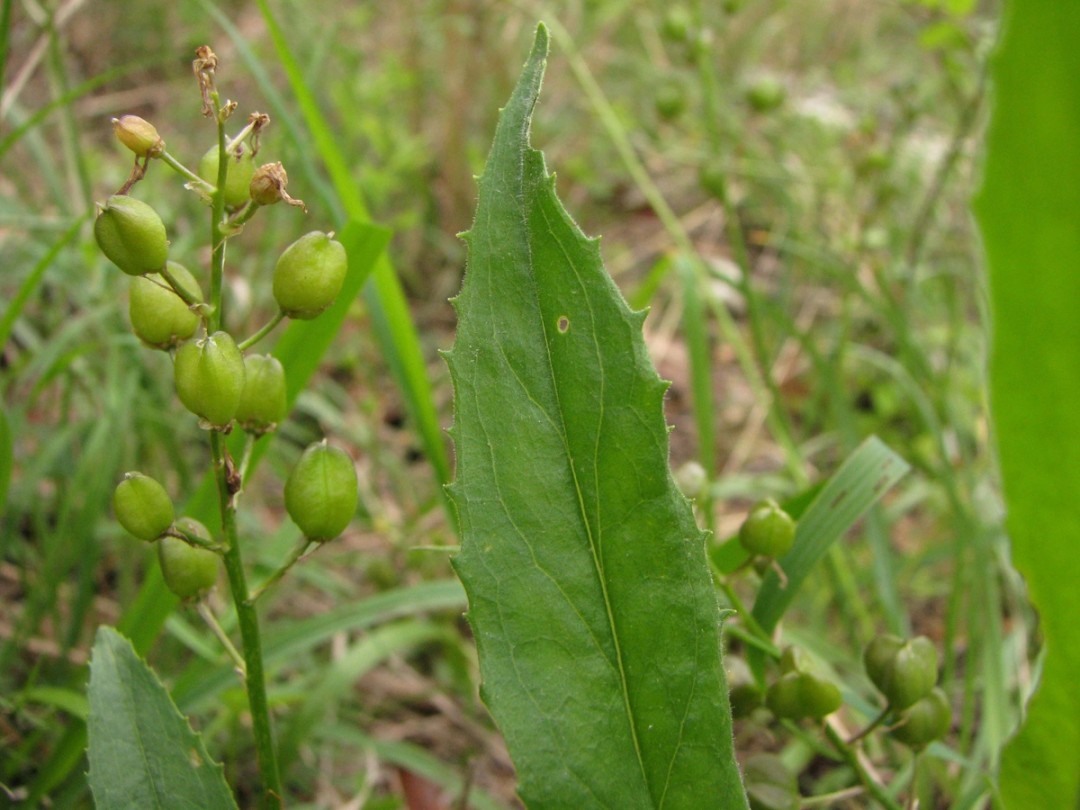
with Camassia scilloides
HABITAT
This plant is happy in dry rocky glades, open woods and woodland edges as well as prairie habitat. It thrives in full sun but handles partial shade as well.
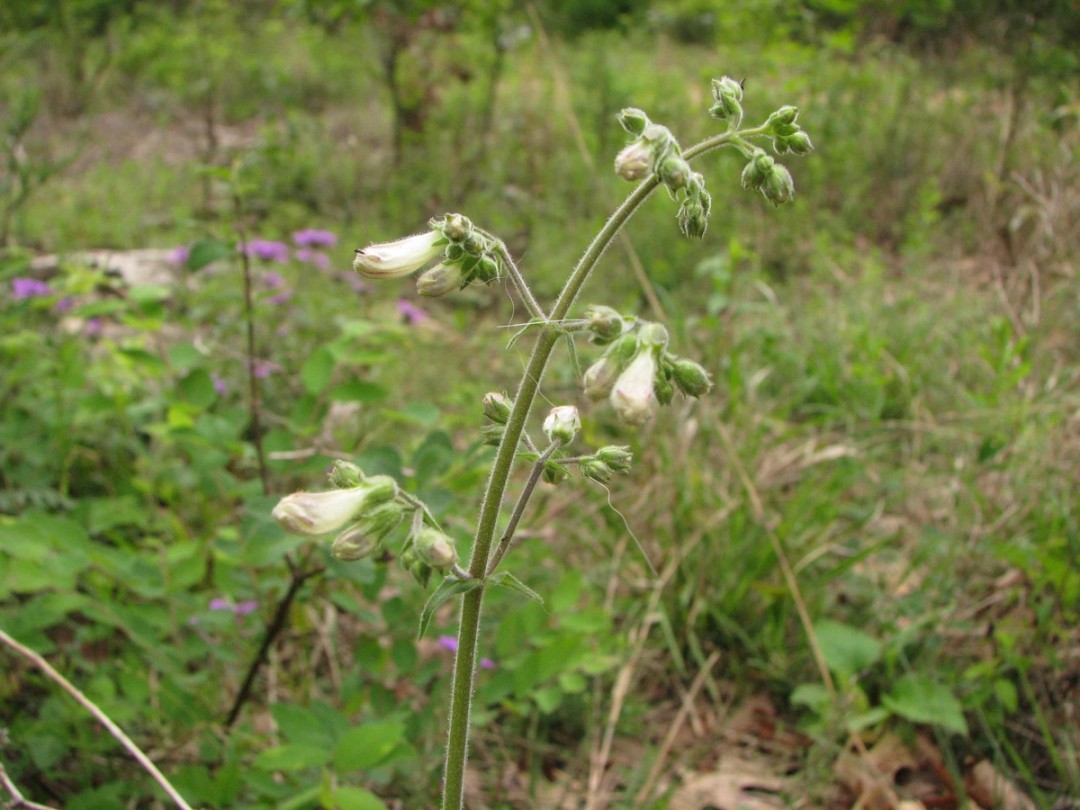
Glade habitat 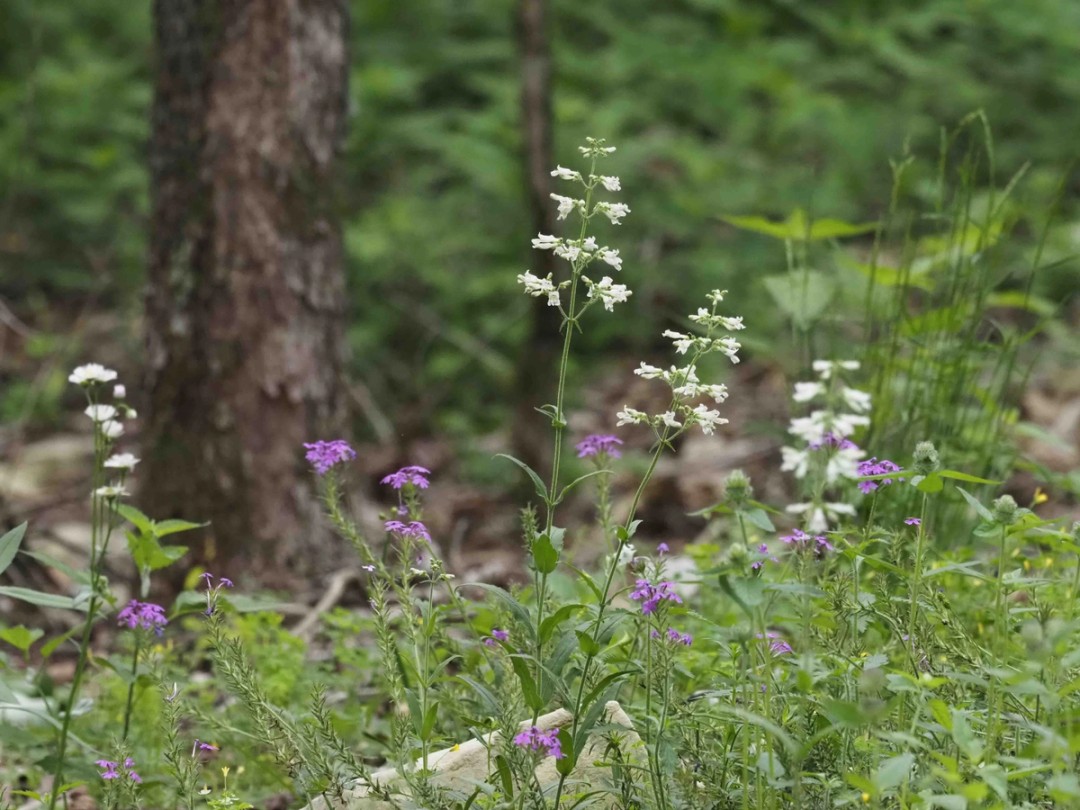
Woodland edge habitat
CONSERVATION STATUS
Penstemon pallidus is struggling for survival across many states. NatureServe lists it as SX (Presumed Extirpated) in Michigan and S1/S1? (Critically Imperiled) in Wisconsin, Maryland, Mississippi, Georgia and North Carolina. It is listed as S2 (Imperiled) in Kansas and Ohio, S3 (Vulnerable) in West Virginia, S4 (Apparently Secure) in Iowa and S5 (Secure) in Illinois, Kentucky and New York. There is No Status Ranking (SNR) in Alabama, Arkansas, Connecticut, Indiana, Massachusetts, Minnesota, Missouri, New Hampshire, Pennsylvania, Rhode Island and Tennessee.
In Arkansas it has a Conservation Value of 7 in the group of 4-7. This indicates 'Typically matrix taxa in intact, stable habitats, with some limited ability to respond to destabilizing forces and repopulate areas from which they have been extirpated.'
INTERESTING TIDBITS
It’s easy to confuse the four white penstemons growing in northern Arkansas. They can be easily distinguished by looking at the shape of the flower, leaf and hairiness of the stem. Take a look at 3 of them below. Another penstemon, Penstemon cobaea occurs nearby. It has beautiful purple flowers.
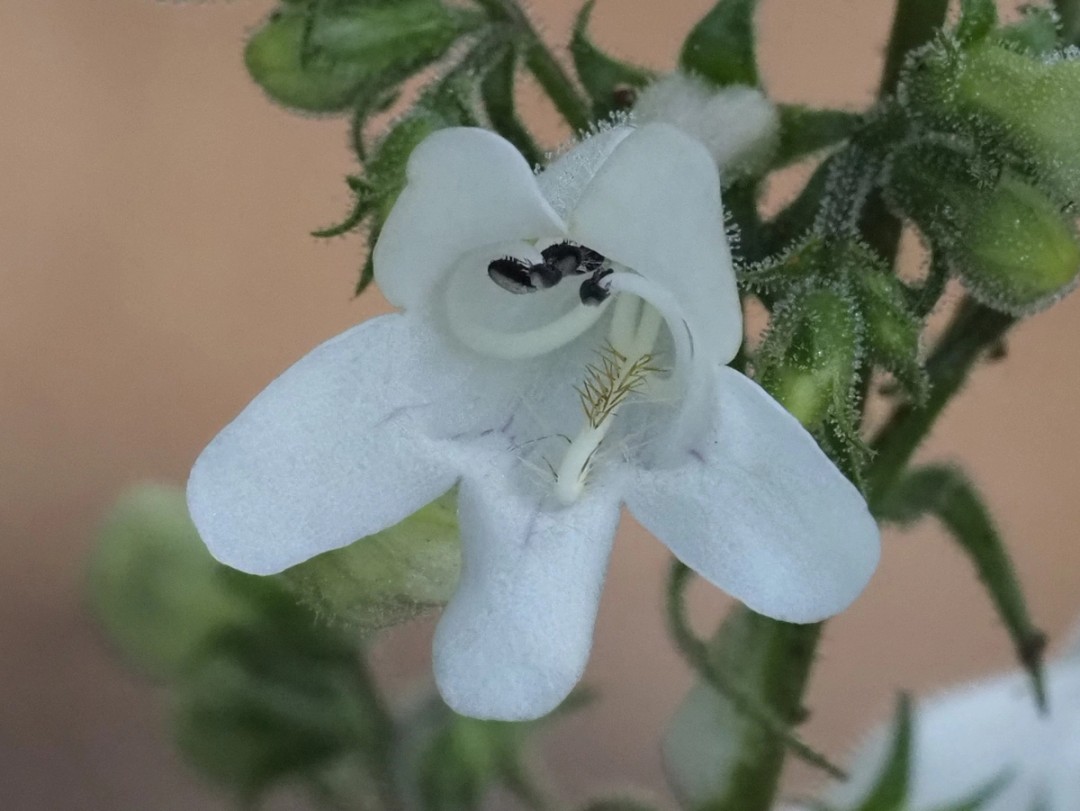
Penstemon digitalis 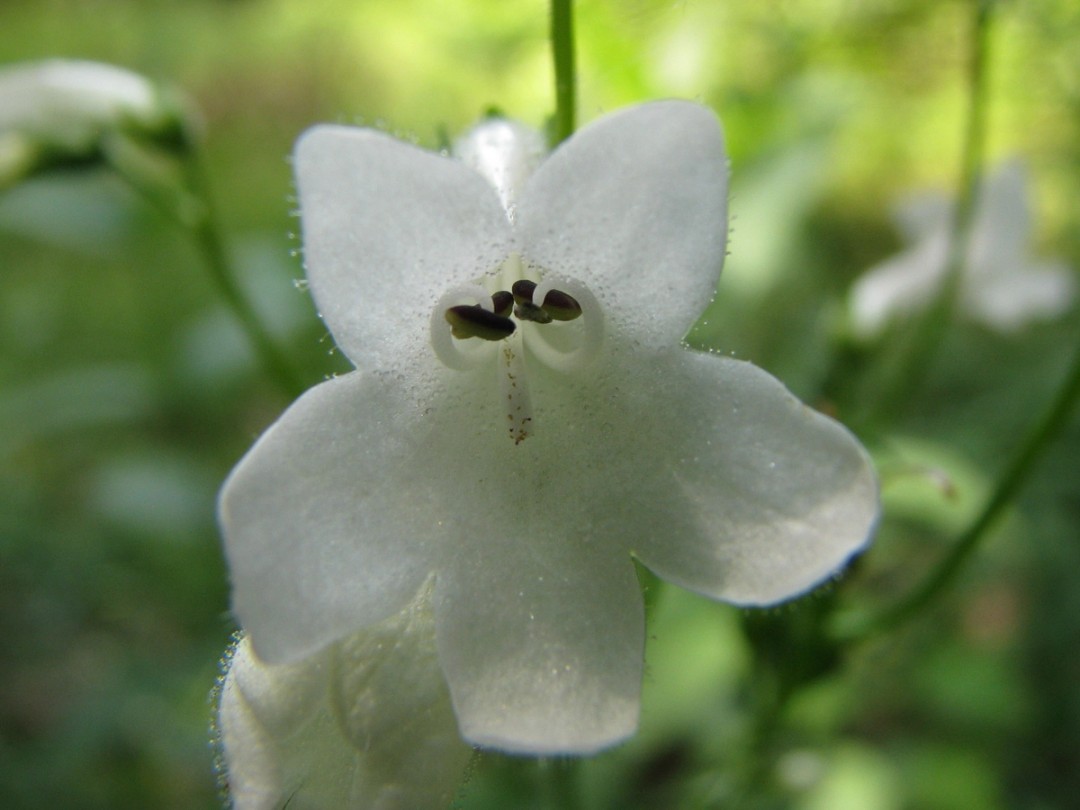
Penstemon tubaeflorus 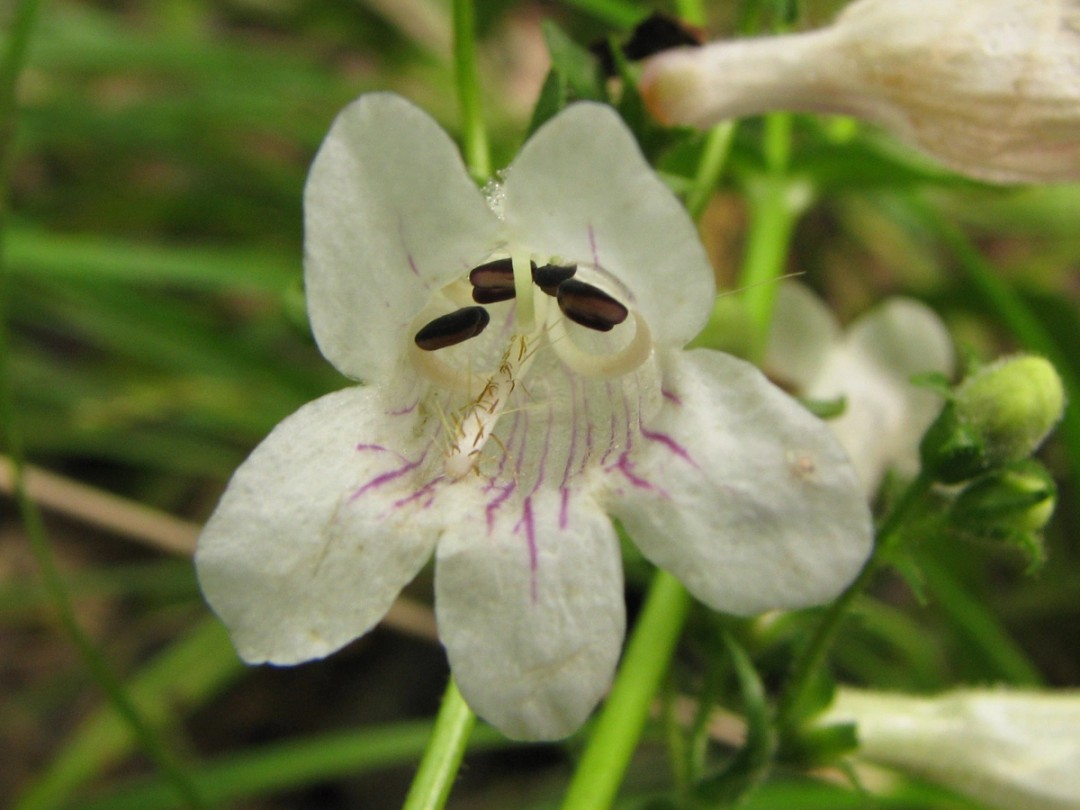
Penstemon pallidus 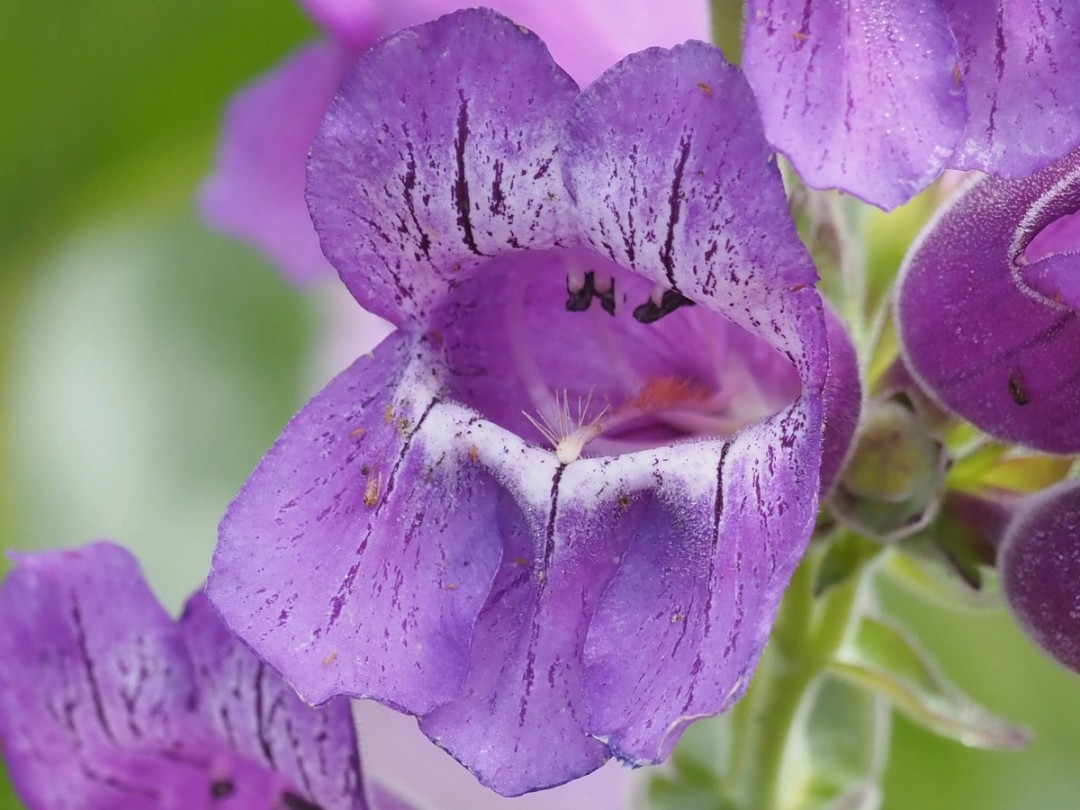
Penstemon cobaea
Note the corolla of Penstemon tubaeflorus is more funnel shaped, whereas those of Penstemon digitalis and Penstemon pallidus are more narrow at the base and bulge outward toward the flower tip. The face of Penstemon tubaeflorus is more flattened and it is pure white. Penstemon pallidus often has a pink tinge, especially in bud. The stem and leaves of Penstemon pallidus have a fuzzy appearance due to dense pubescence, whereas the stem and leaves of the other two are more glabrous with only a few tiny hairs. Lastly, an additional penstemon growing here in Northern Arkansas, Penstemon cobaea (Showy beardtongue) has big purple flowers instead of white. There is another white penstemon growing in the Arkansas Highlands, Penstemon arkansanus.
Penstemon arkansanus is the fourth native white penstemon in Arkansas. I'm currently missing a photo of this penstemon and hope to rectify that next spring.