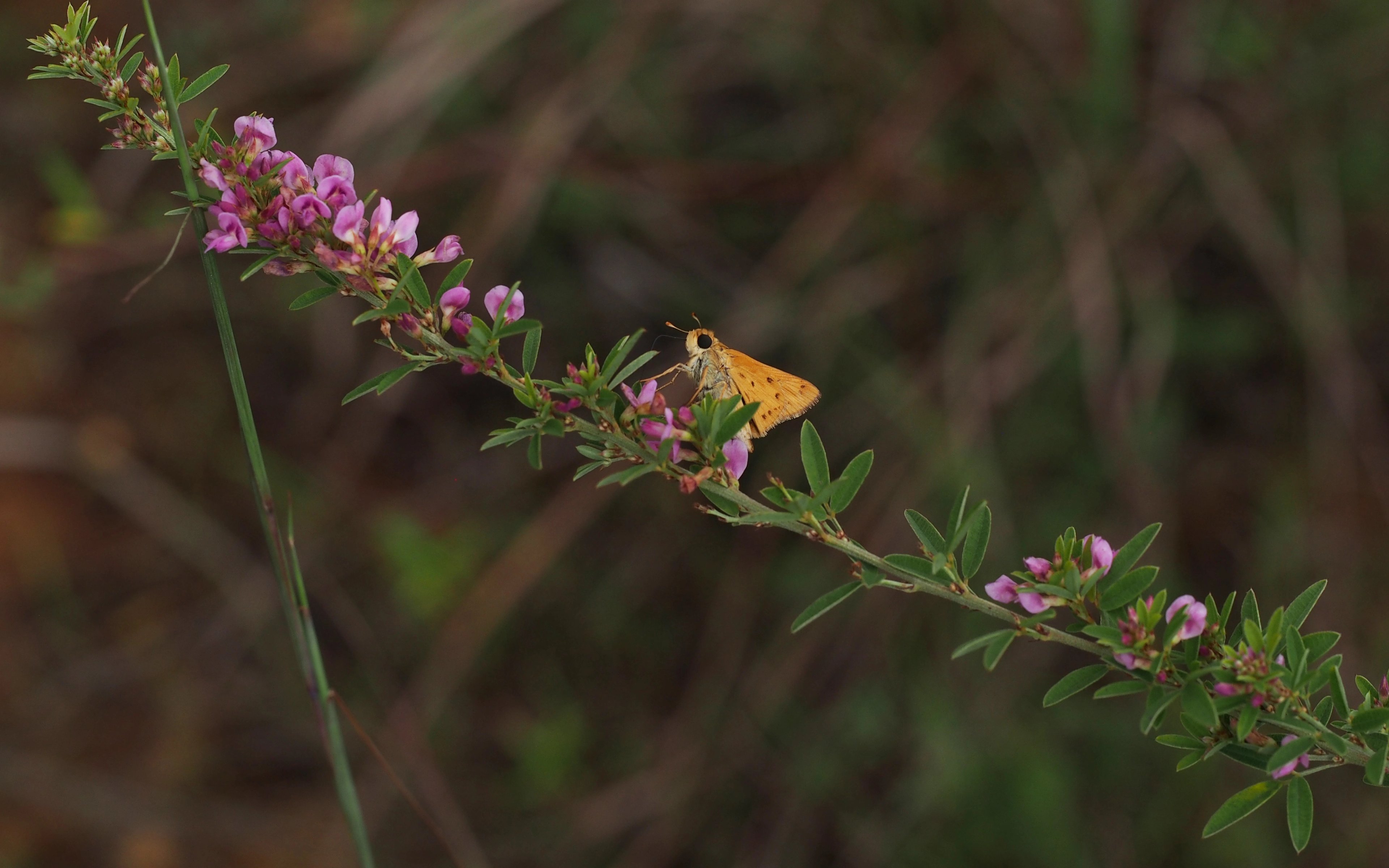
PLANT NAME
Lespedeza virginica is in the Fabaceae family (commonly known as theLegume family). Legumes are important for soil health as they 'fix' nitrogen in the soil *
According to 'Stern's Dictionary of Plant Names', the name 'Lespedeza' is actually an accidental misspelling in Michaux's Flora Boreali-Americana (1802).The French botanist, Michaux, intended to honor the Spanish governor of Florida (Vicente Manuel de Céspedes).
As usual, there are several common names for this plant including Slender bush clover, Virginica bush clover or simply bush clover.
*Nitrogen fixation in the soil is a benefit of legumes. The roots of legumes are colonized by bacteria that have the ability to capture nitrogen from the air and 'fix' it into the soil.
BLOOM
The flowers of Lespedeza virginica are bright pink. Individual flowers have the typical structure found in the pea family with a wide upper petal and two smaller lower petals. The upper petal has a darker shade of pink toward its base. The showy flowers occur in clusters near the top of the plant.
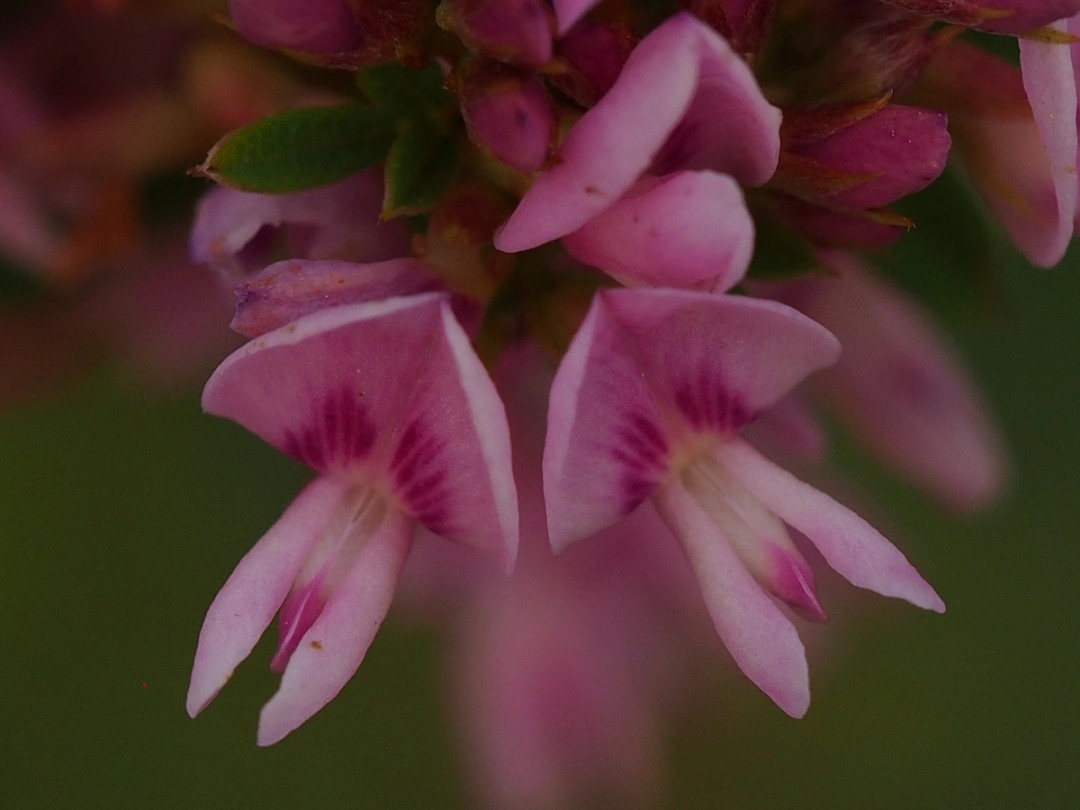
Close view of flowers 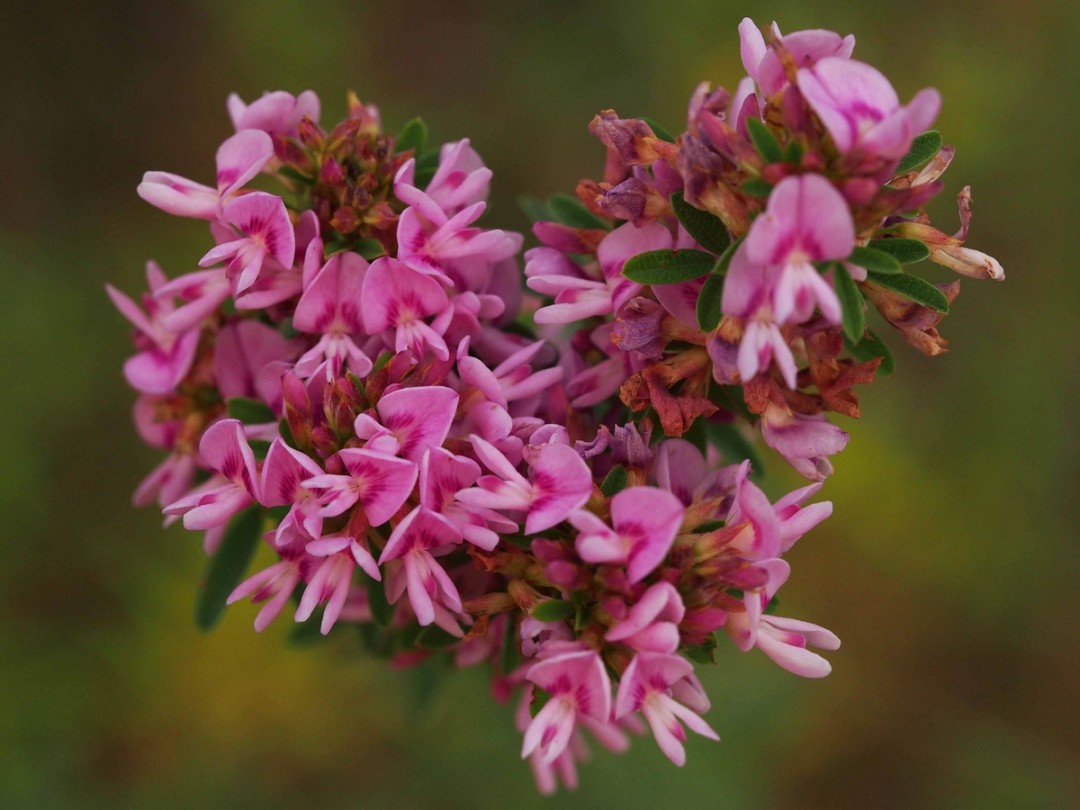
Flower clusters in peak bloom 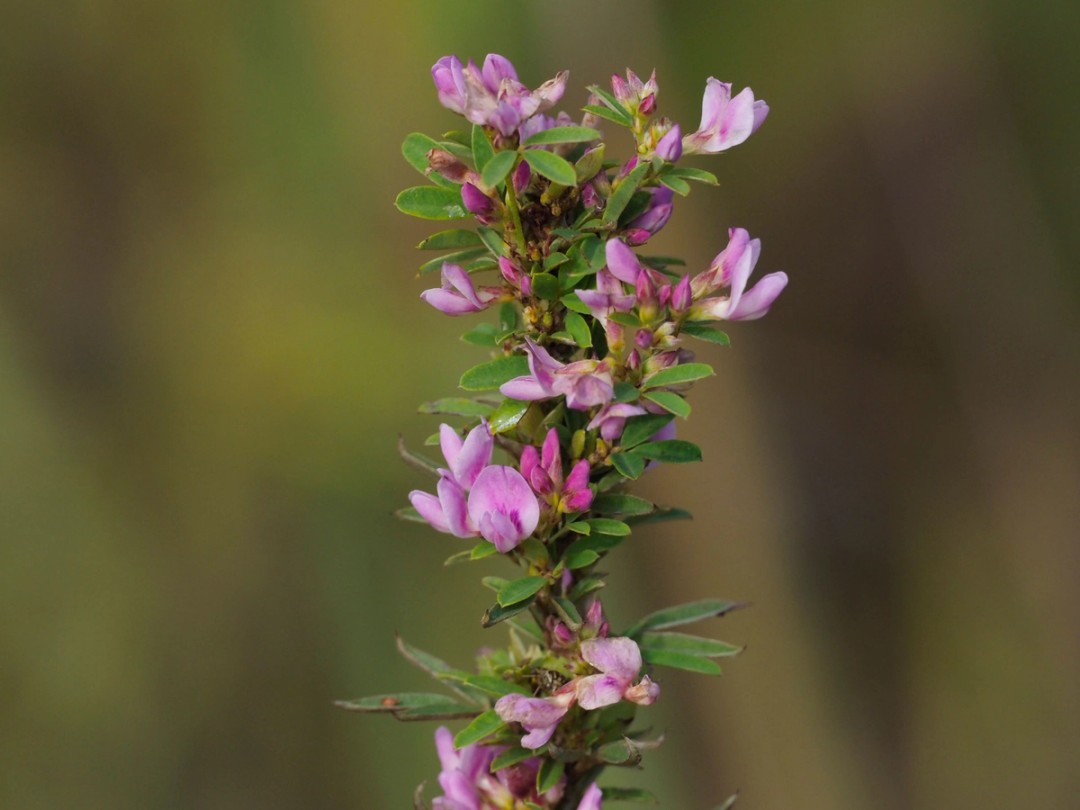
Flowers, buds and leaves 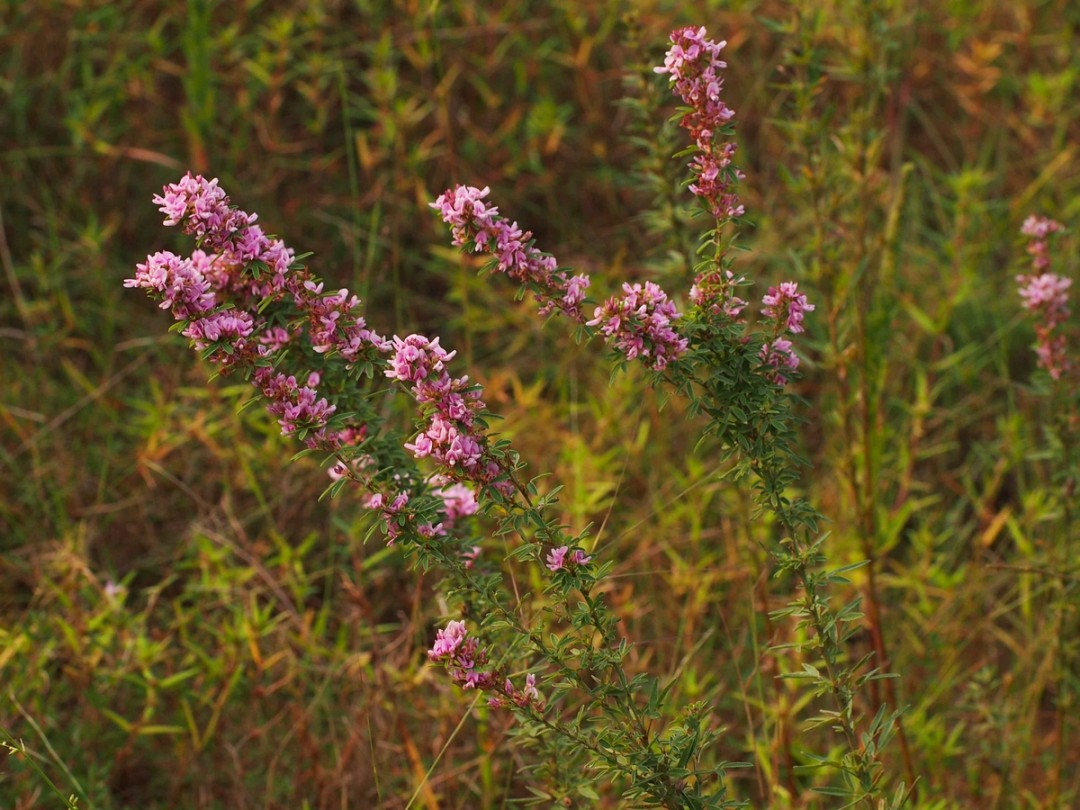
Plant in peak flowering
After flowering, plants are covered with many oval-shaped, brown seed pods.
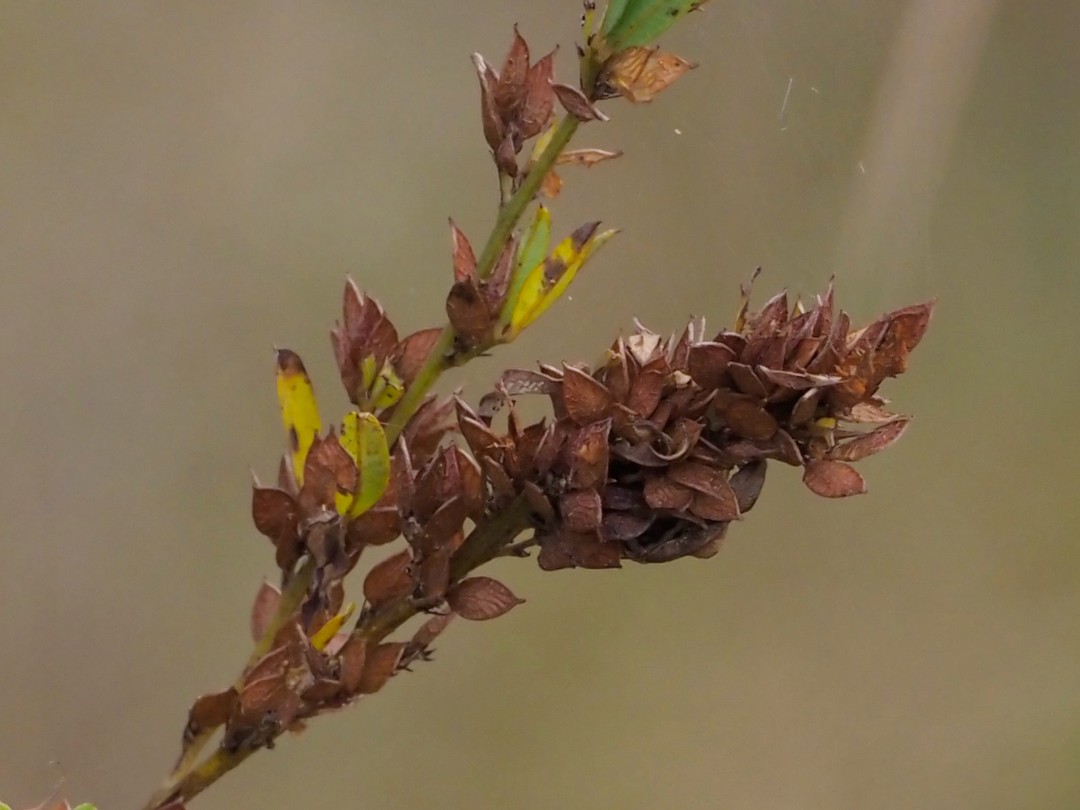
Brown seed pods 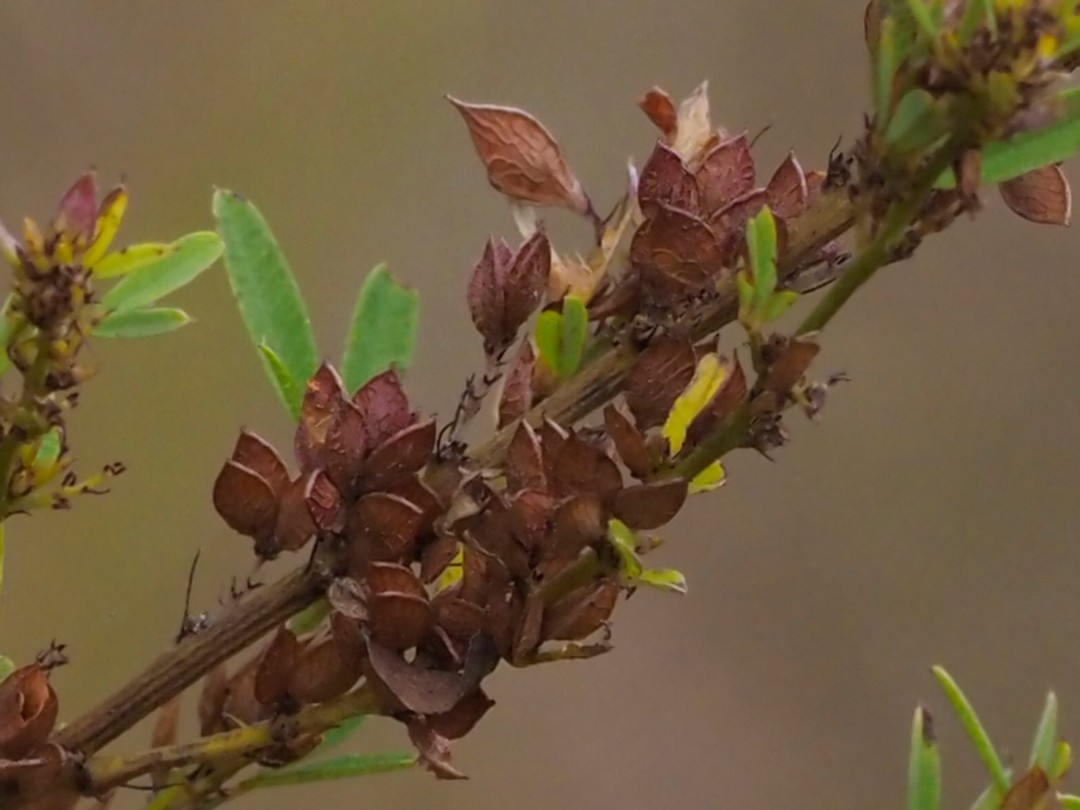
Ripe seed pods
DESCRIPTION
Slender bush clover grows to a height of about 2.5 feet. Leaves have long petioles and occur alternately. They are linear with an oblong shape and pointed at their tip. A close look at the leaves reveals a lovely venation that creates a loop-like pattern. The stout stem branches toward the midpoint of the plant and is covered with fine hairs. The stem may be green or have a reddish coloration.
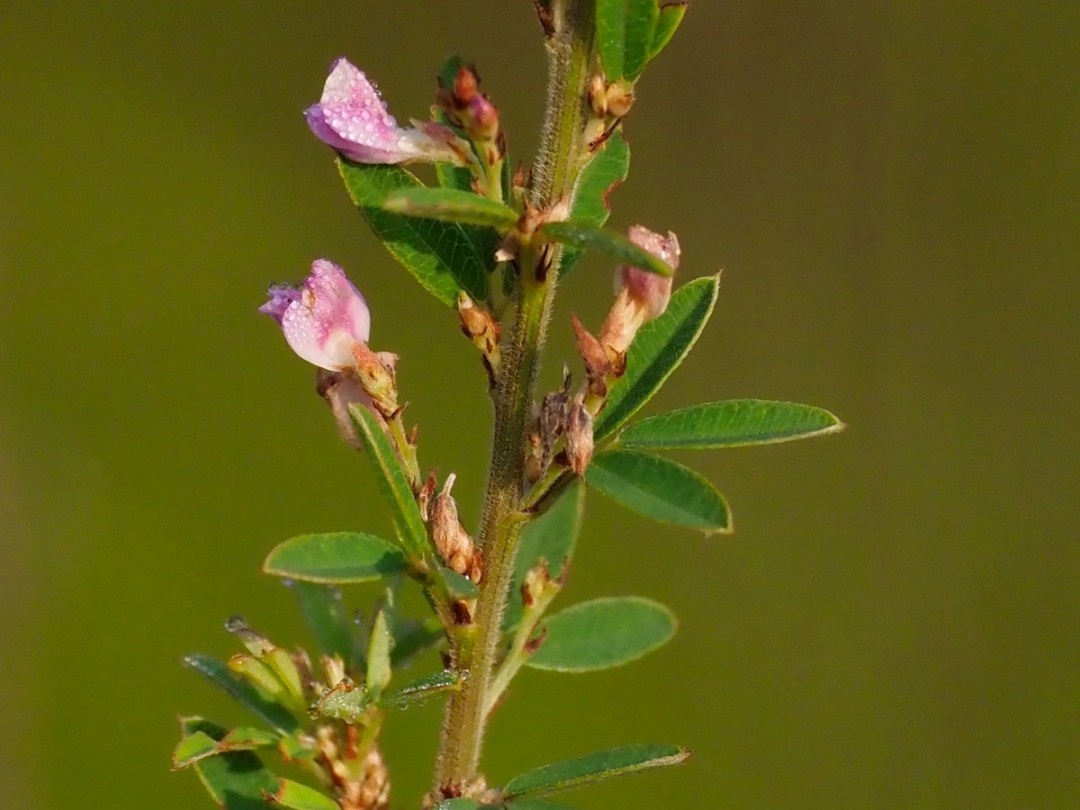
Leaves and stem 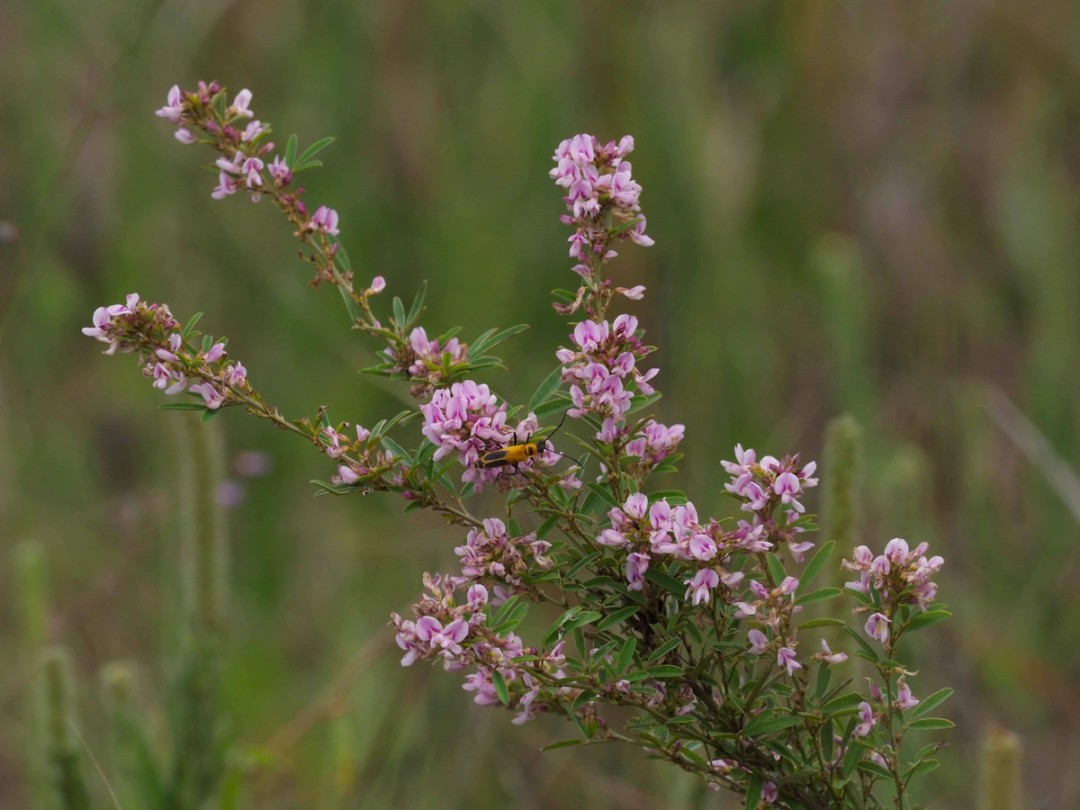
Multiple branches 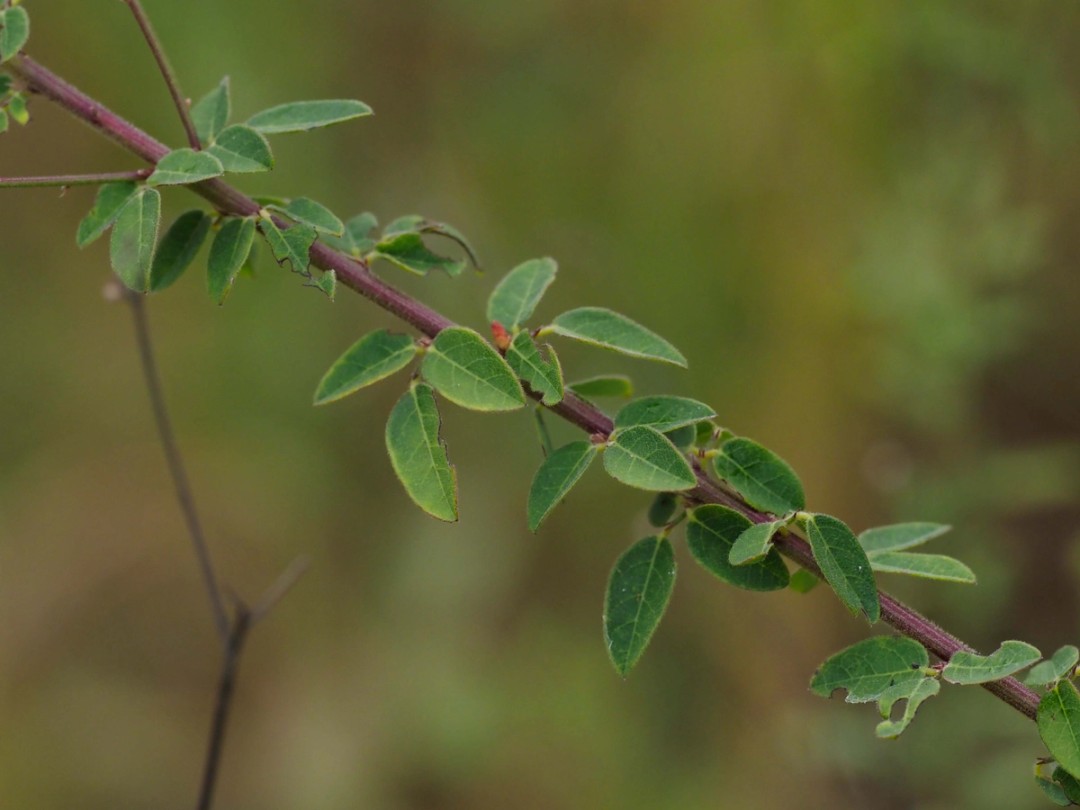
Reddish stem 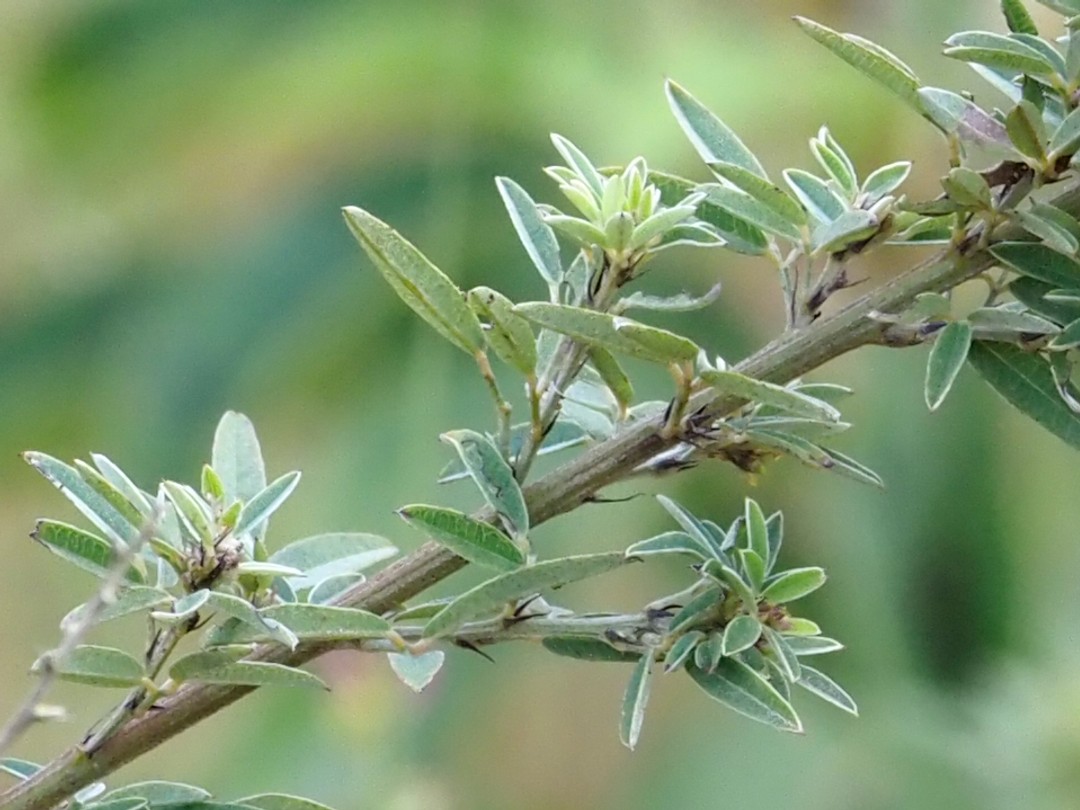
Brown stem 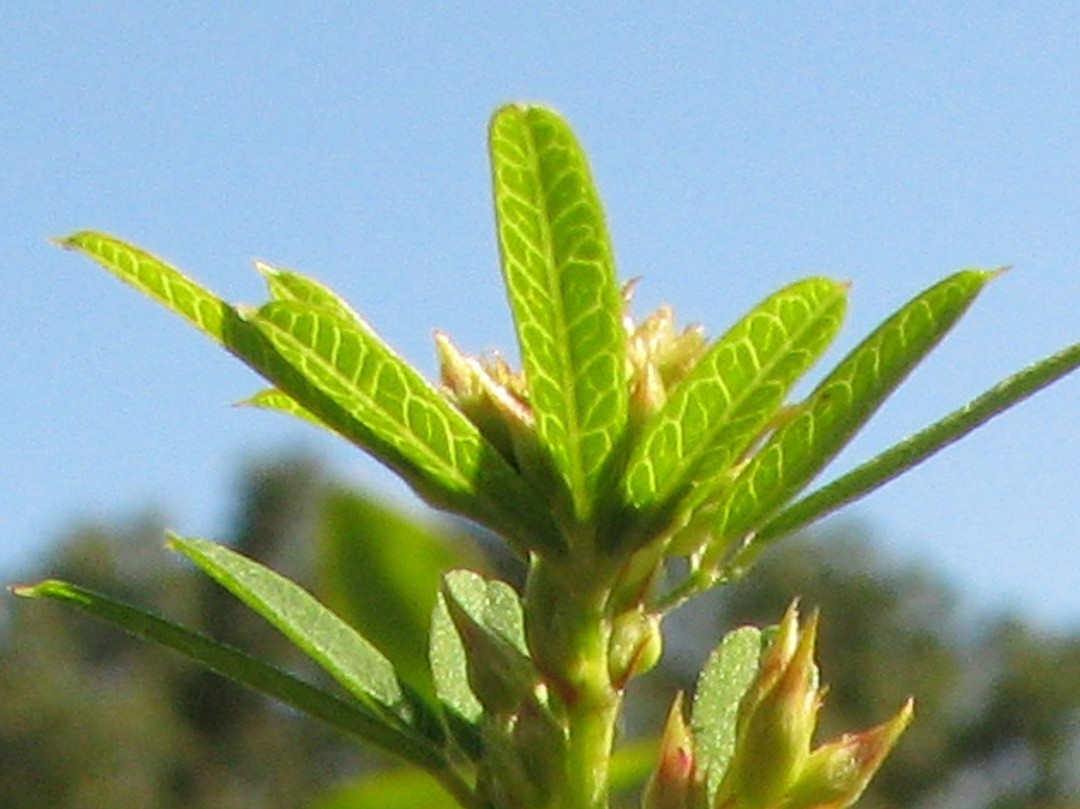
Leaf venation 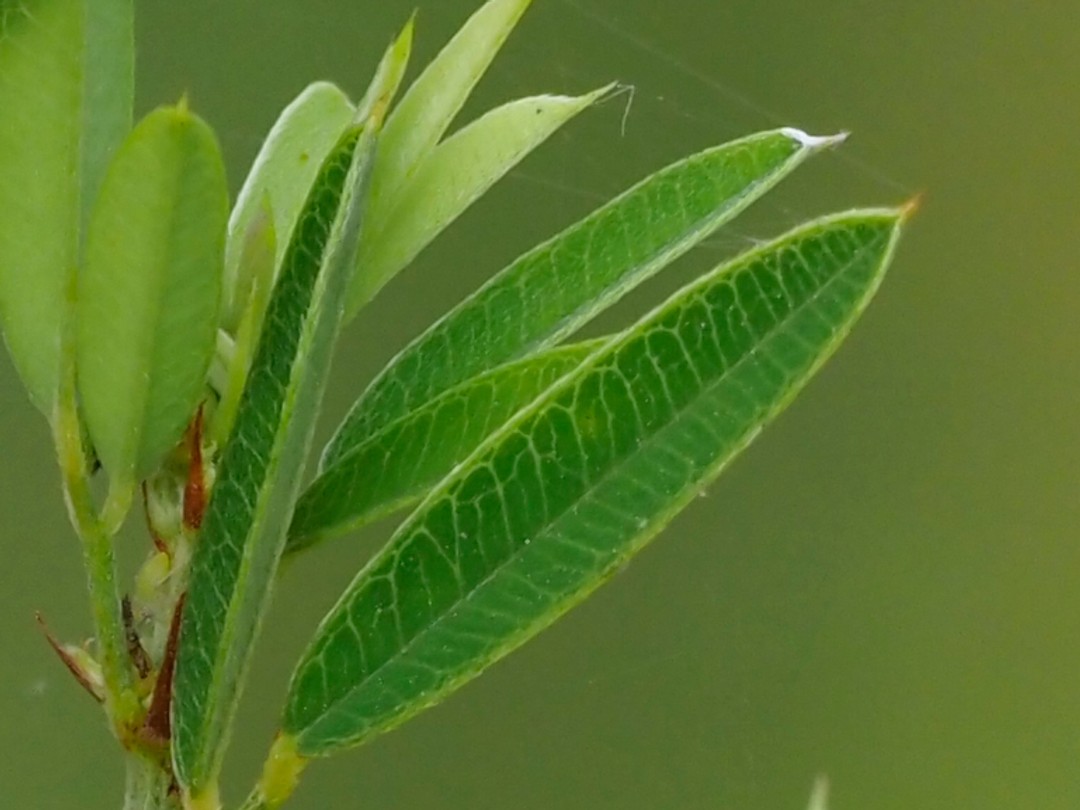
Close look at leaf venation
POLLINATORS
Bees are the main pollinators of Slender bush clover. I've documented American bumble bees, carpenter bees, brown-belted bumblebees, and Megachile bees visiting the flowers.
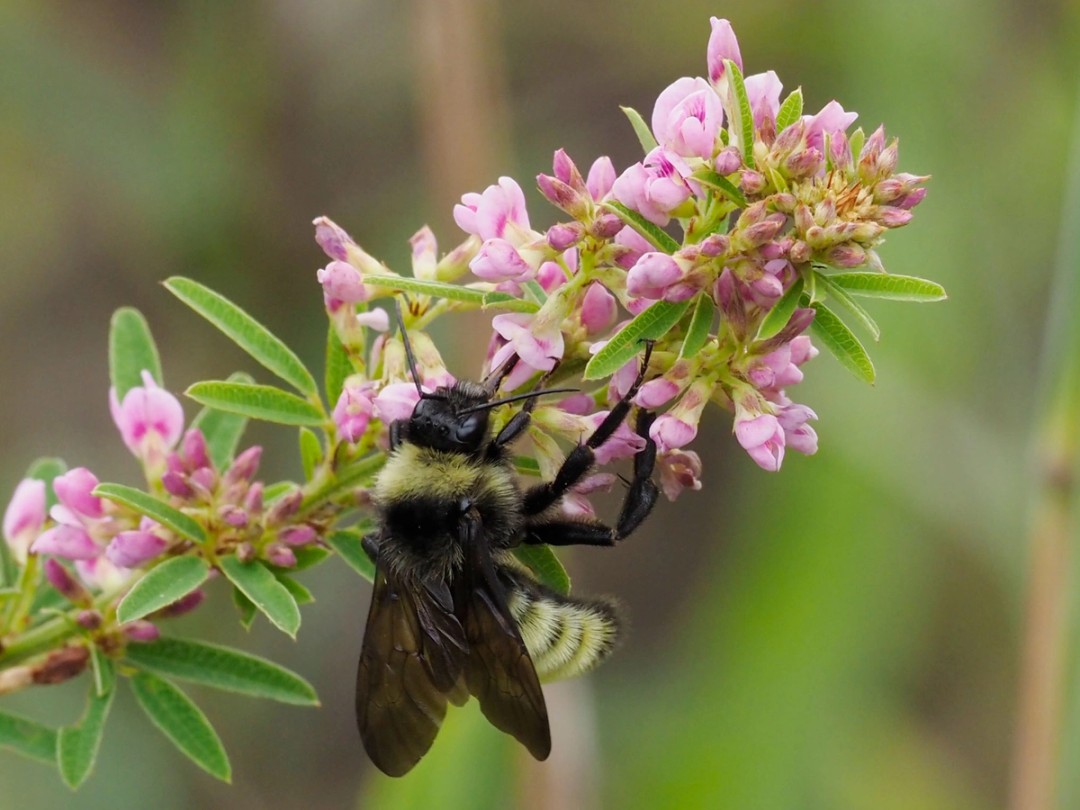
American bumble bee 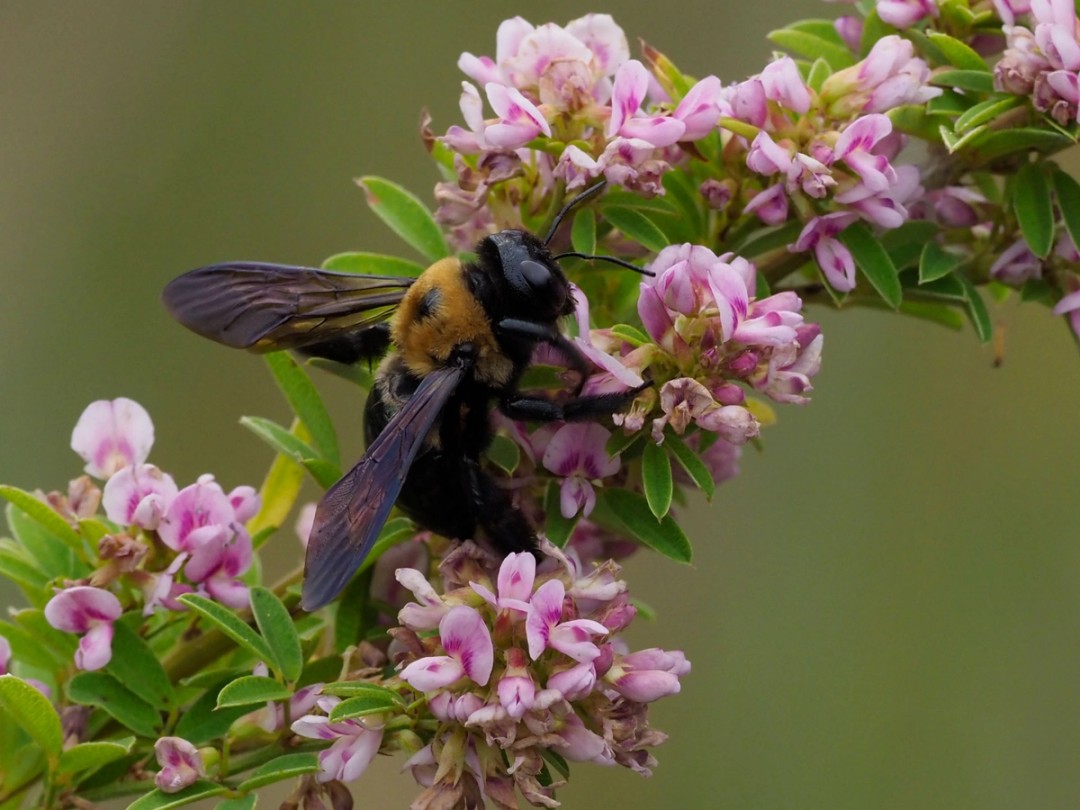
Large carpenter bee 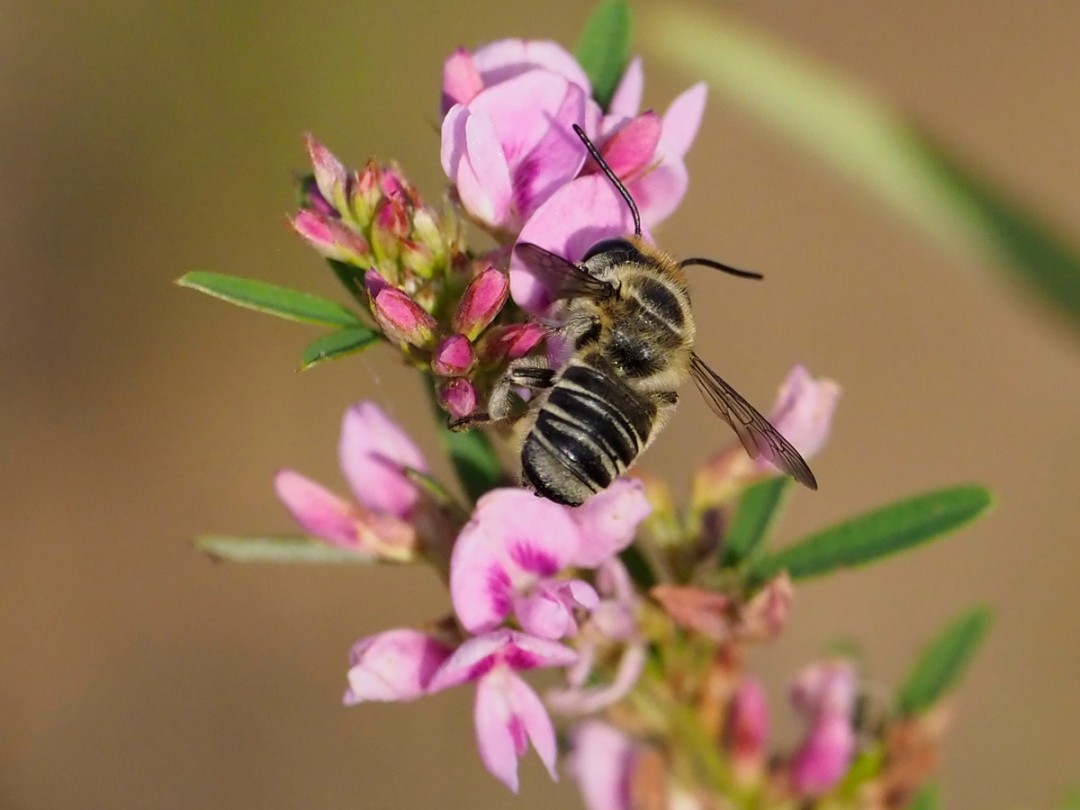
Megachile bee 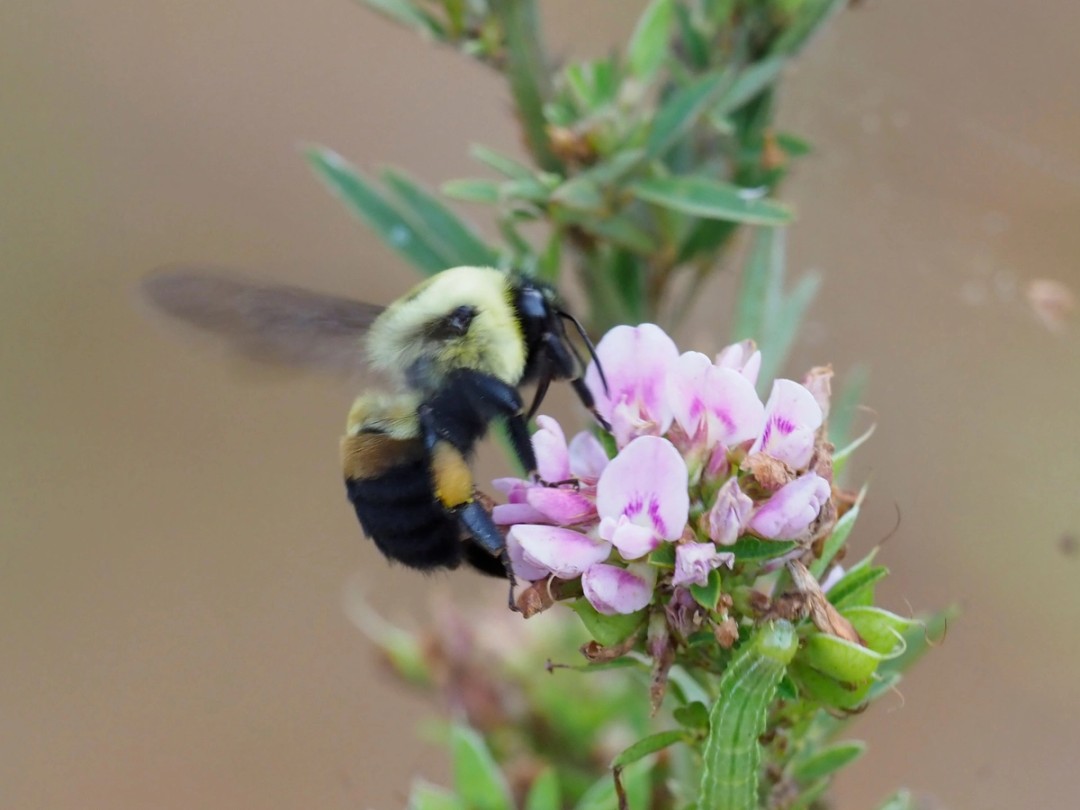
Brown-belted bumblebee
Butterflies and skippers are also frequent visitors of Slender bush clover. I've documented Fiery skippers, Silver-spotted skippers, Sachem skippers, and Little Yellow butterflies.
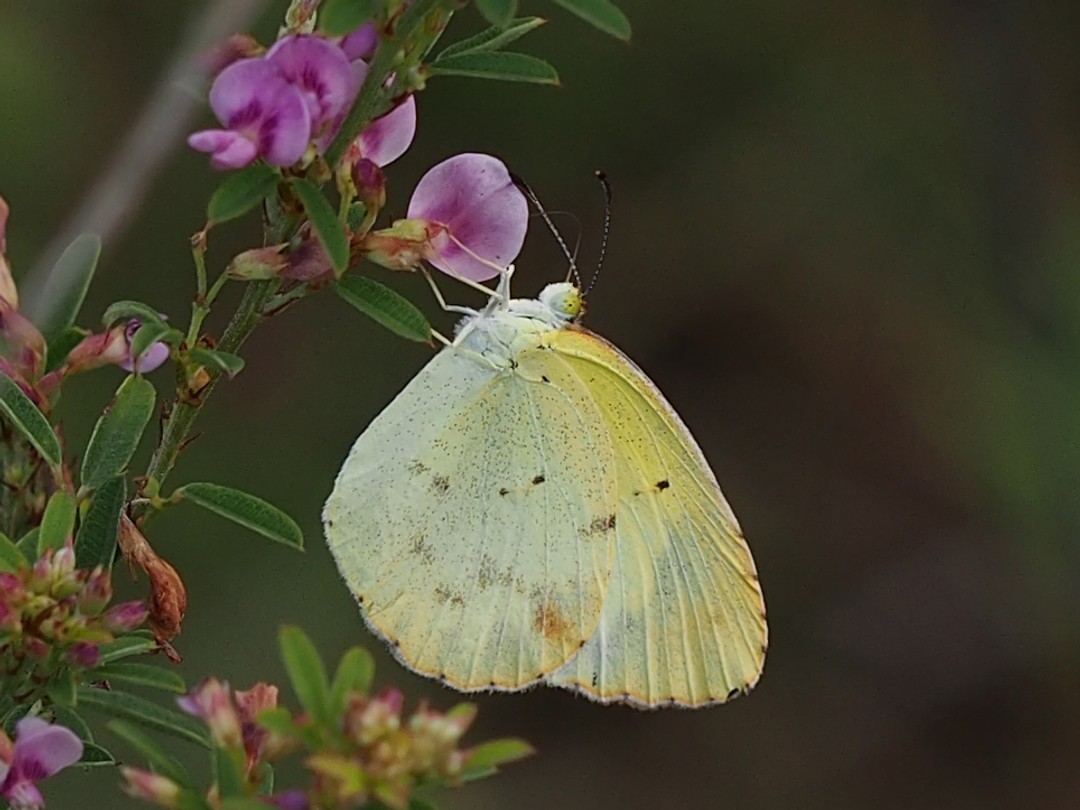
Little Yellow butterfly 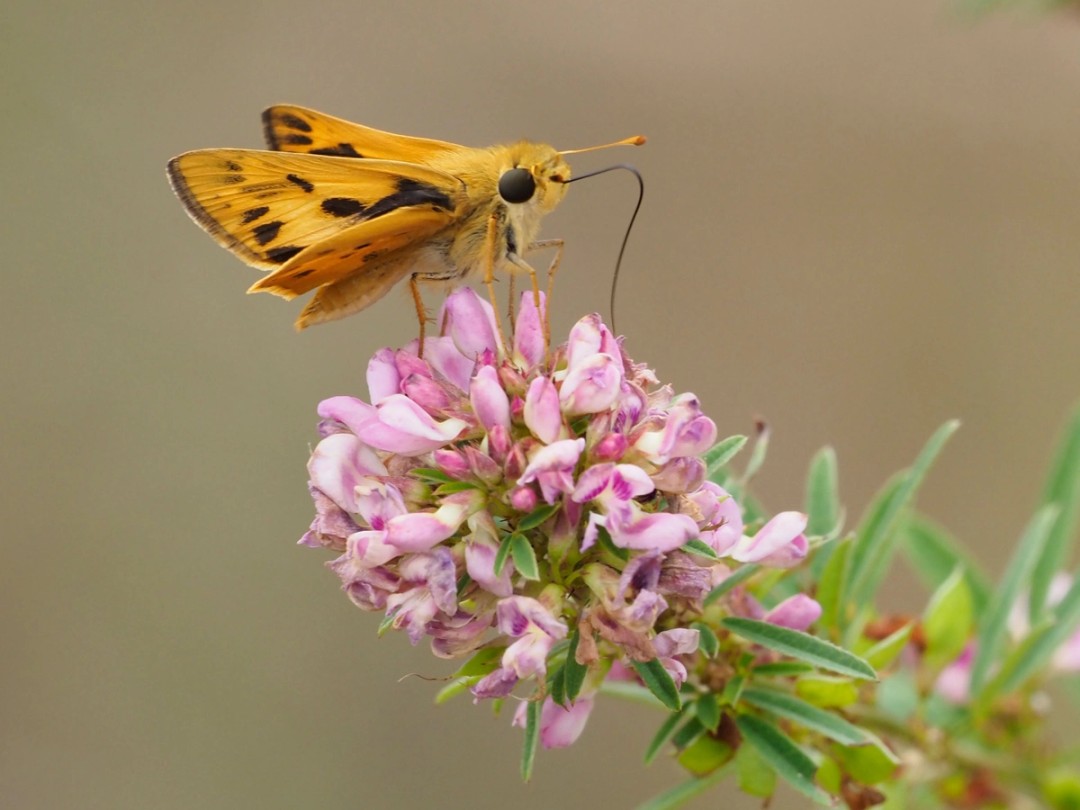
Fiery skipper 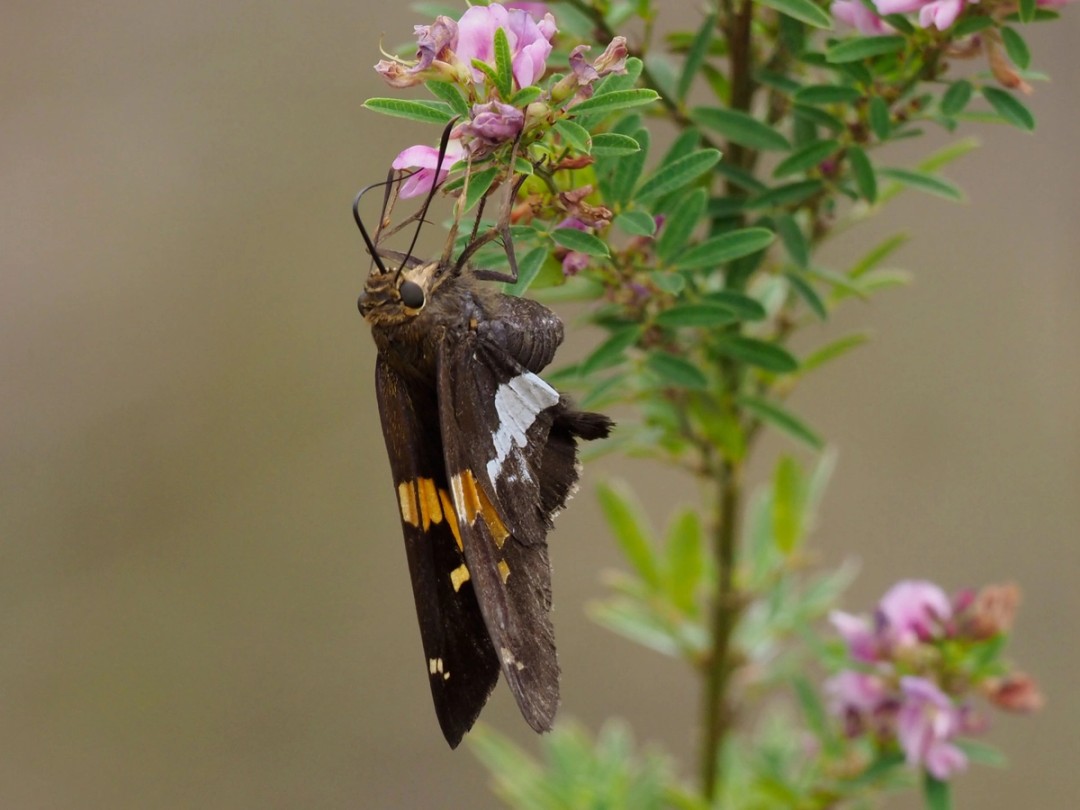
Silver-spotted skipper 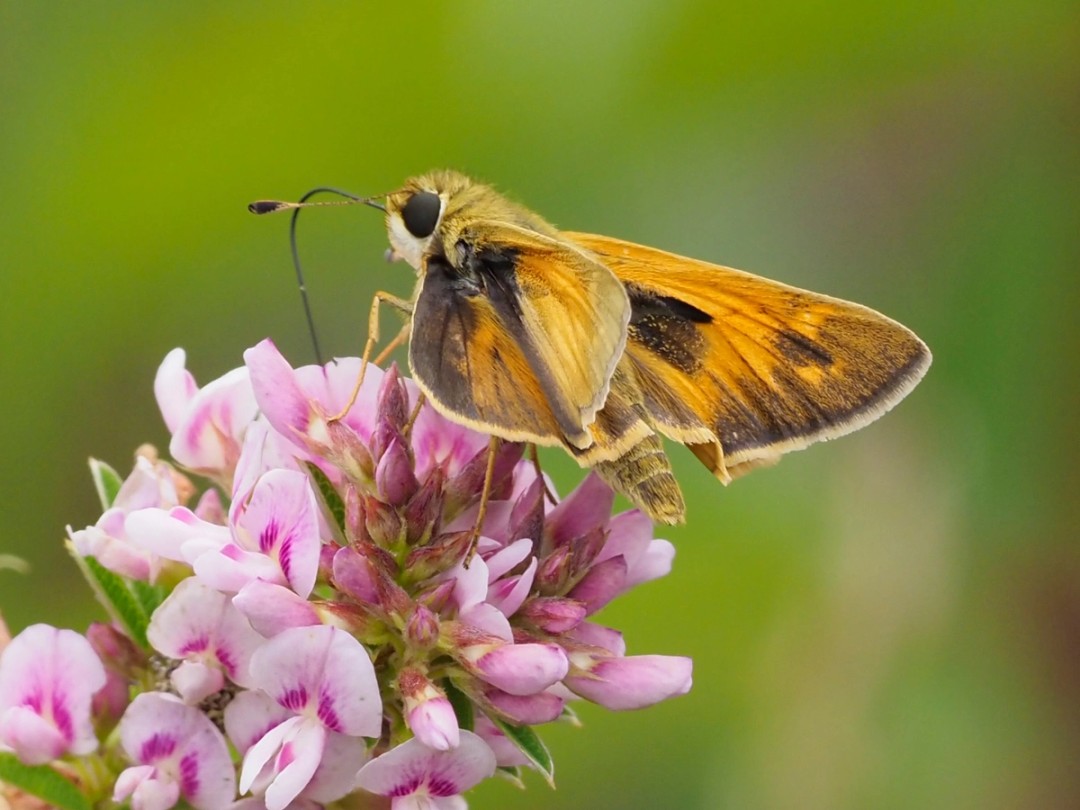
Sachem skipper
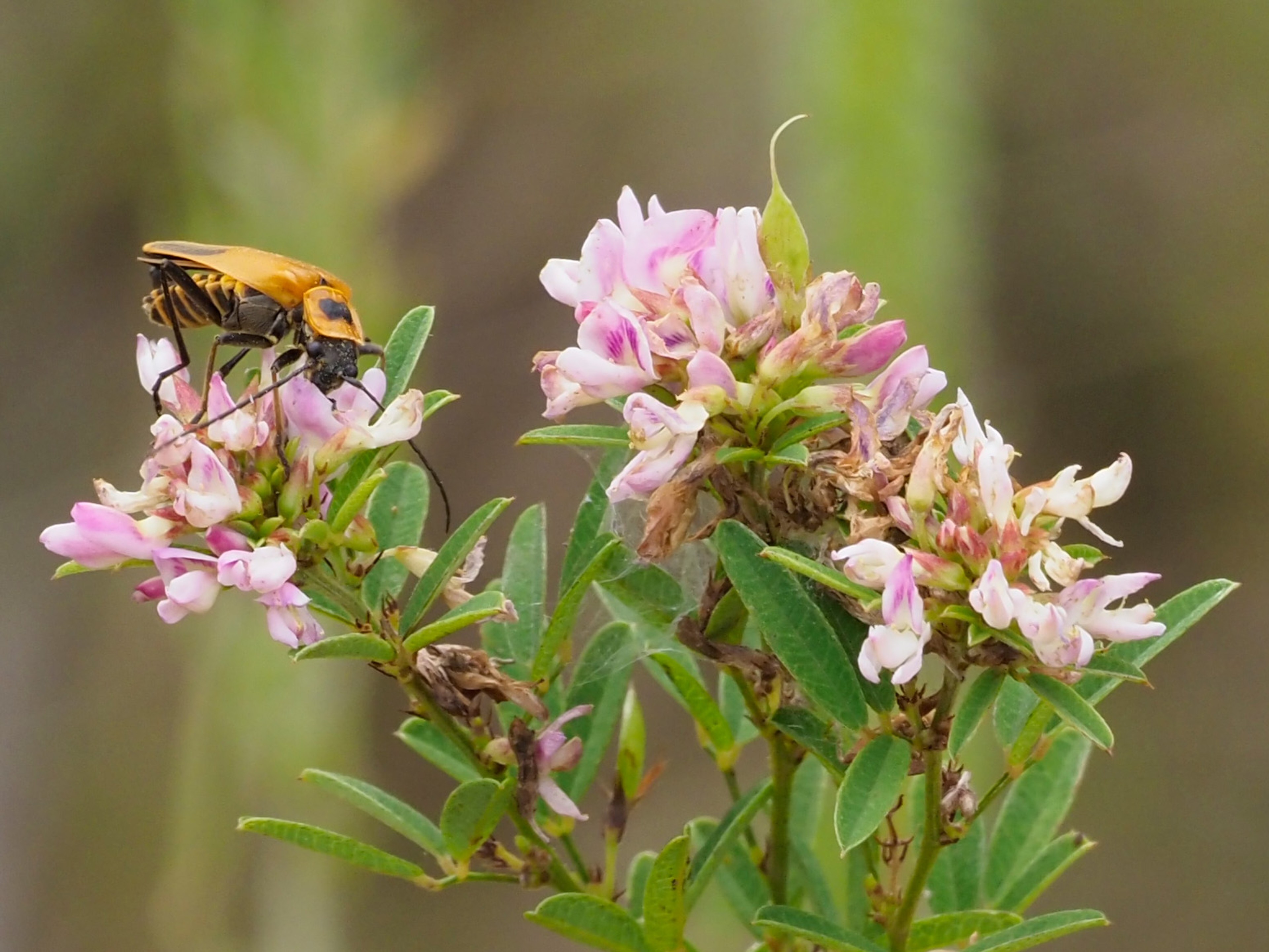
Soldier beetles are often seen visiting these flowers for pollen and nectar, pollinating them as they crawl from one flower to another.
Other interesting insect visitors include Assassin bugs and Dragonflies. The Assassin bugs are using the plant as a hunting ground for various prey. The Dragonflies use the strong stems as a handy resting place as well as a platform to spy other flying insect prey.
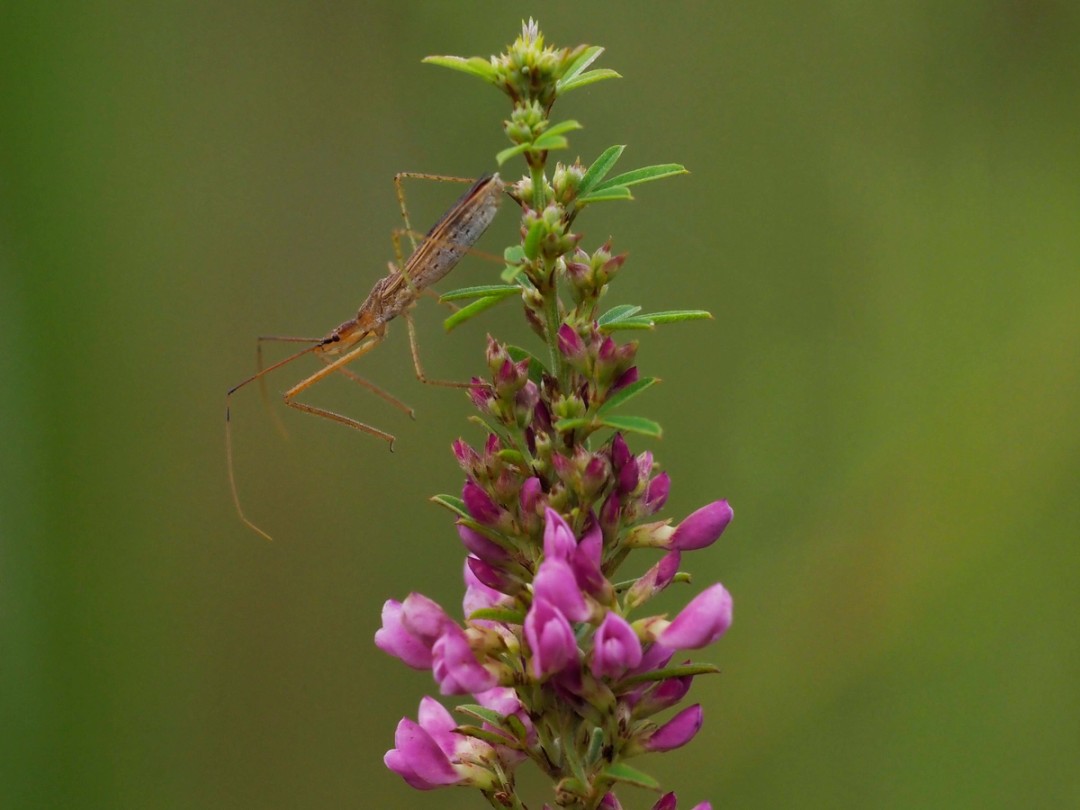
Assassin bug 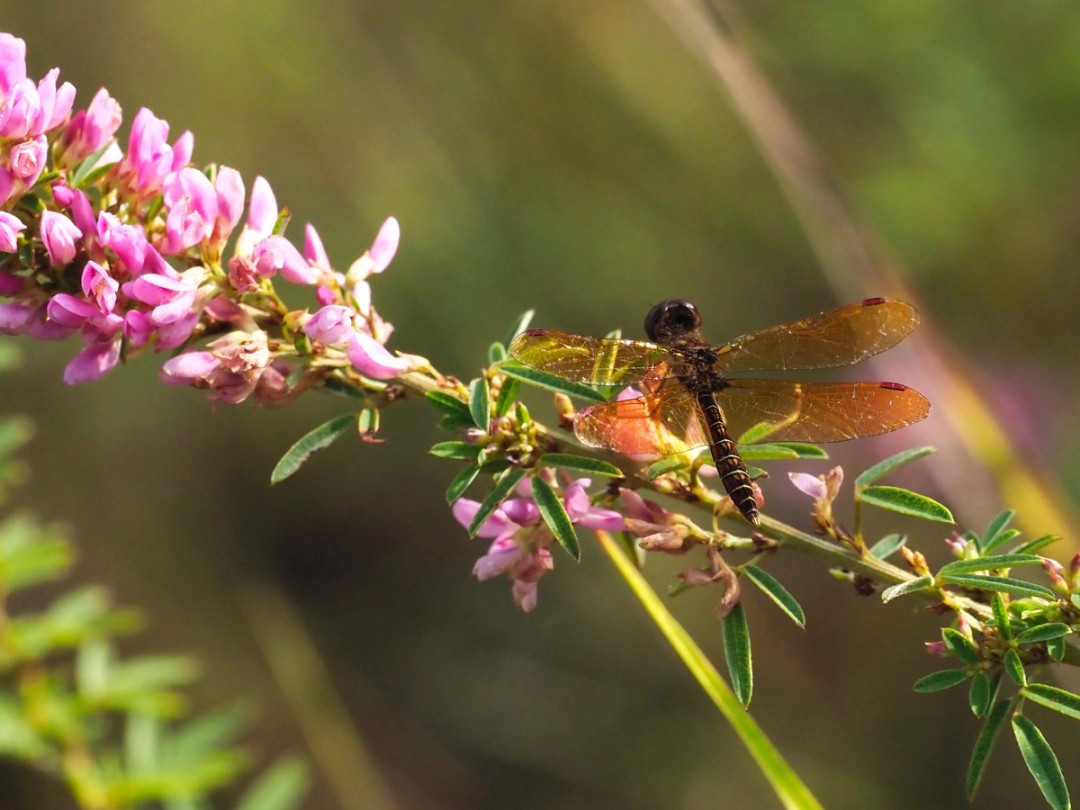
Eastern Amberwing Dragonfly
PLANTS GROWING NEARBY
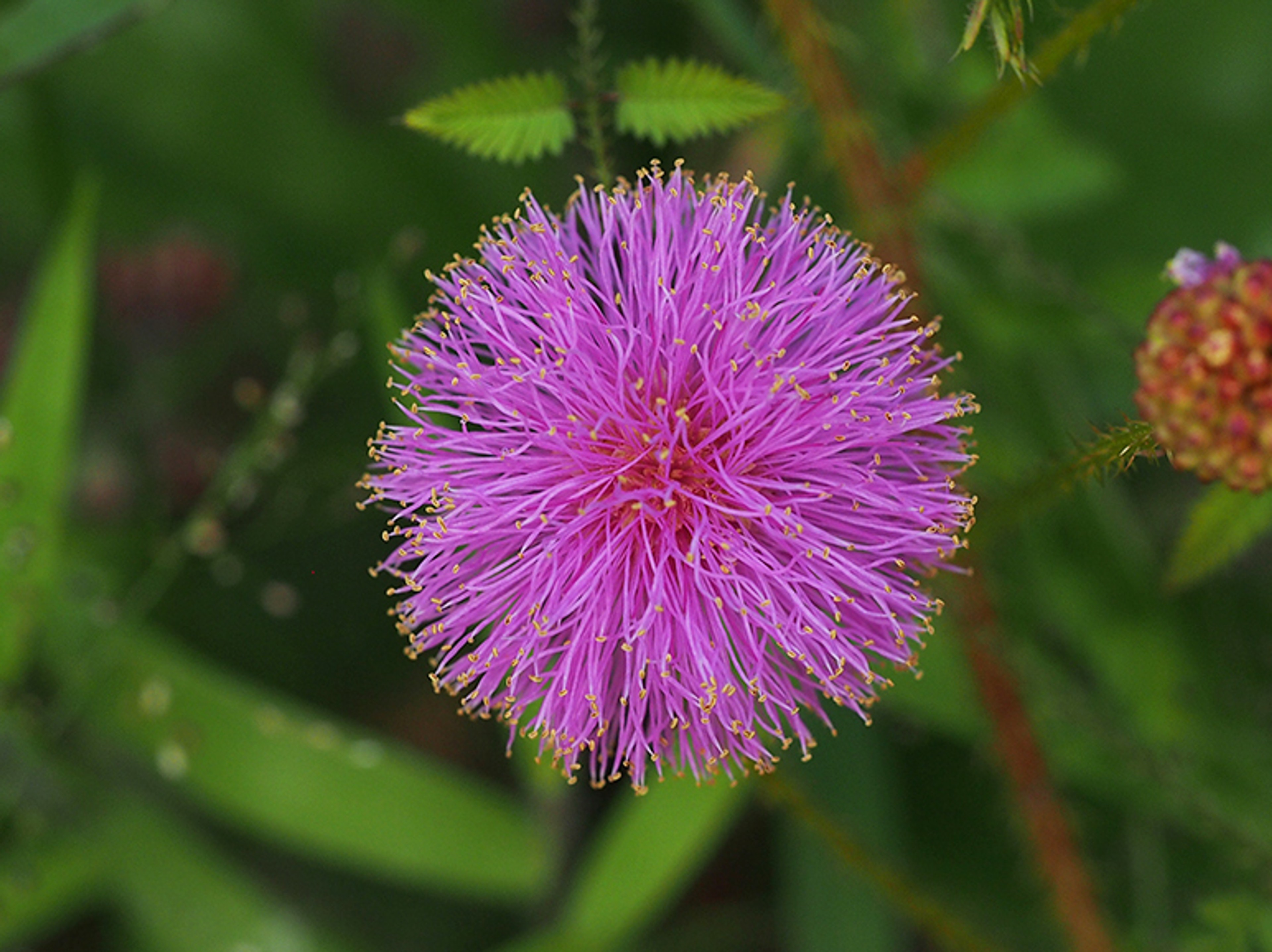
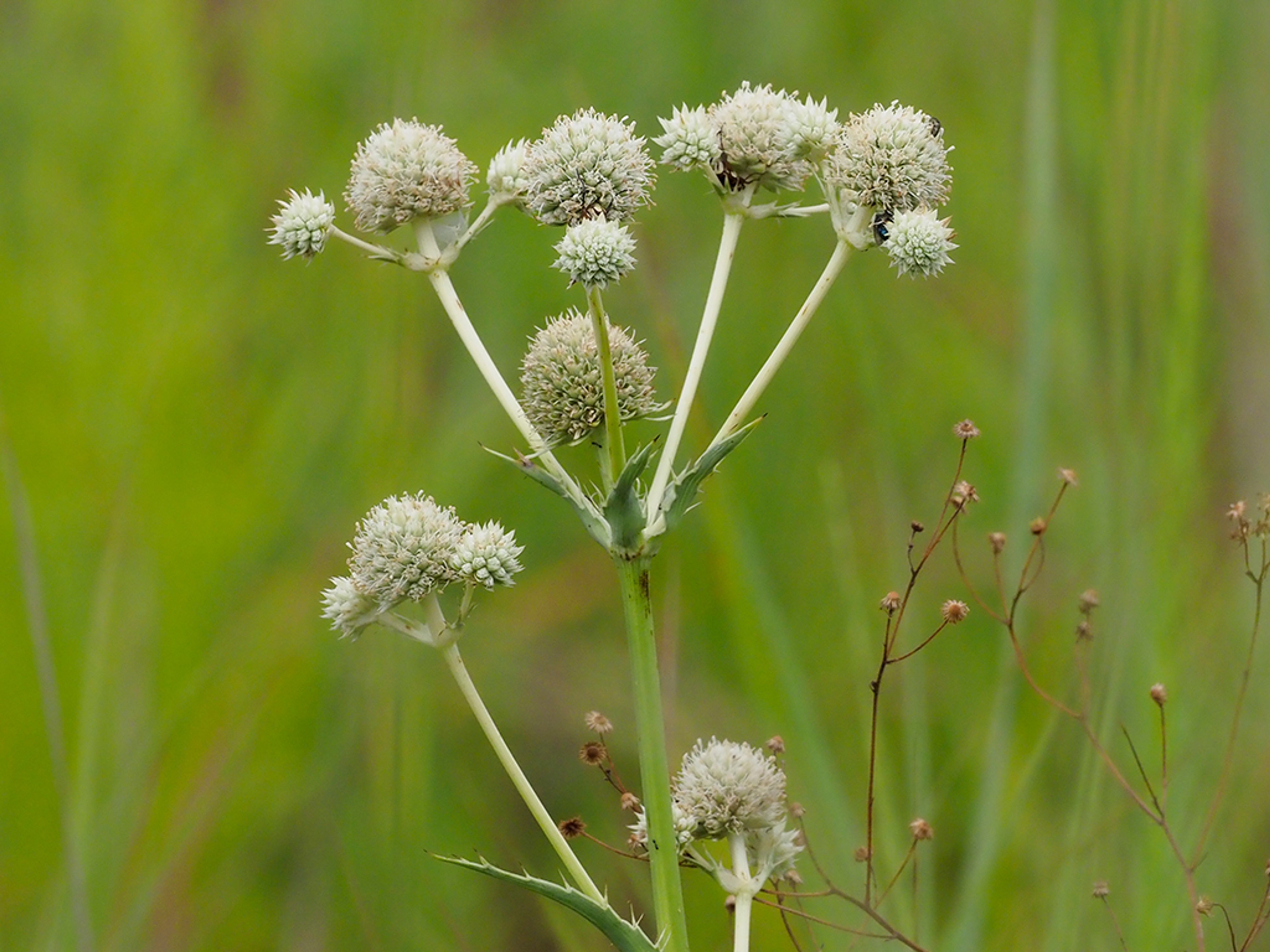
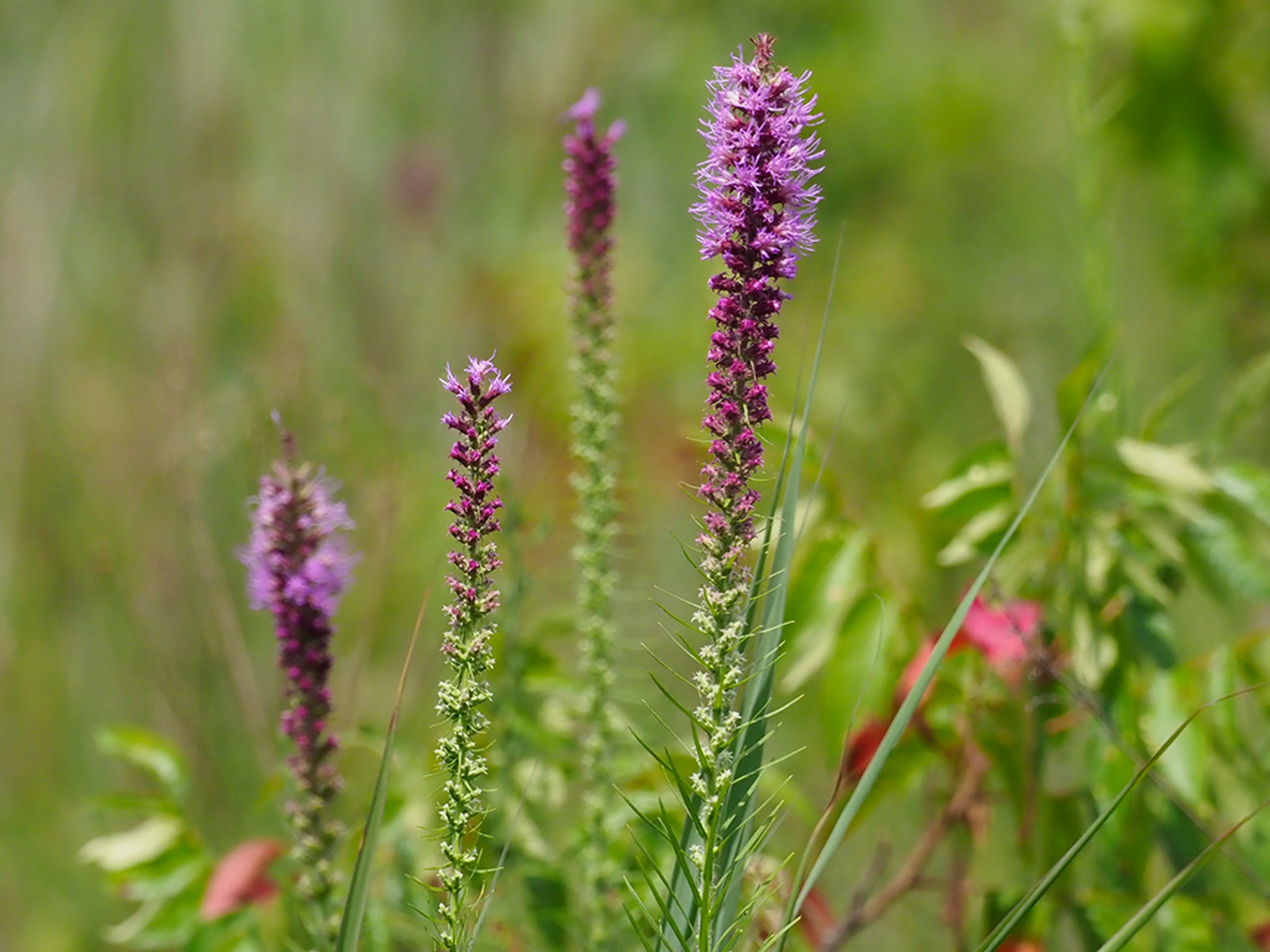
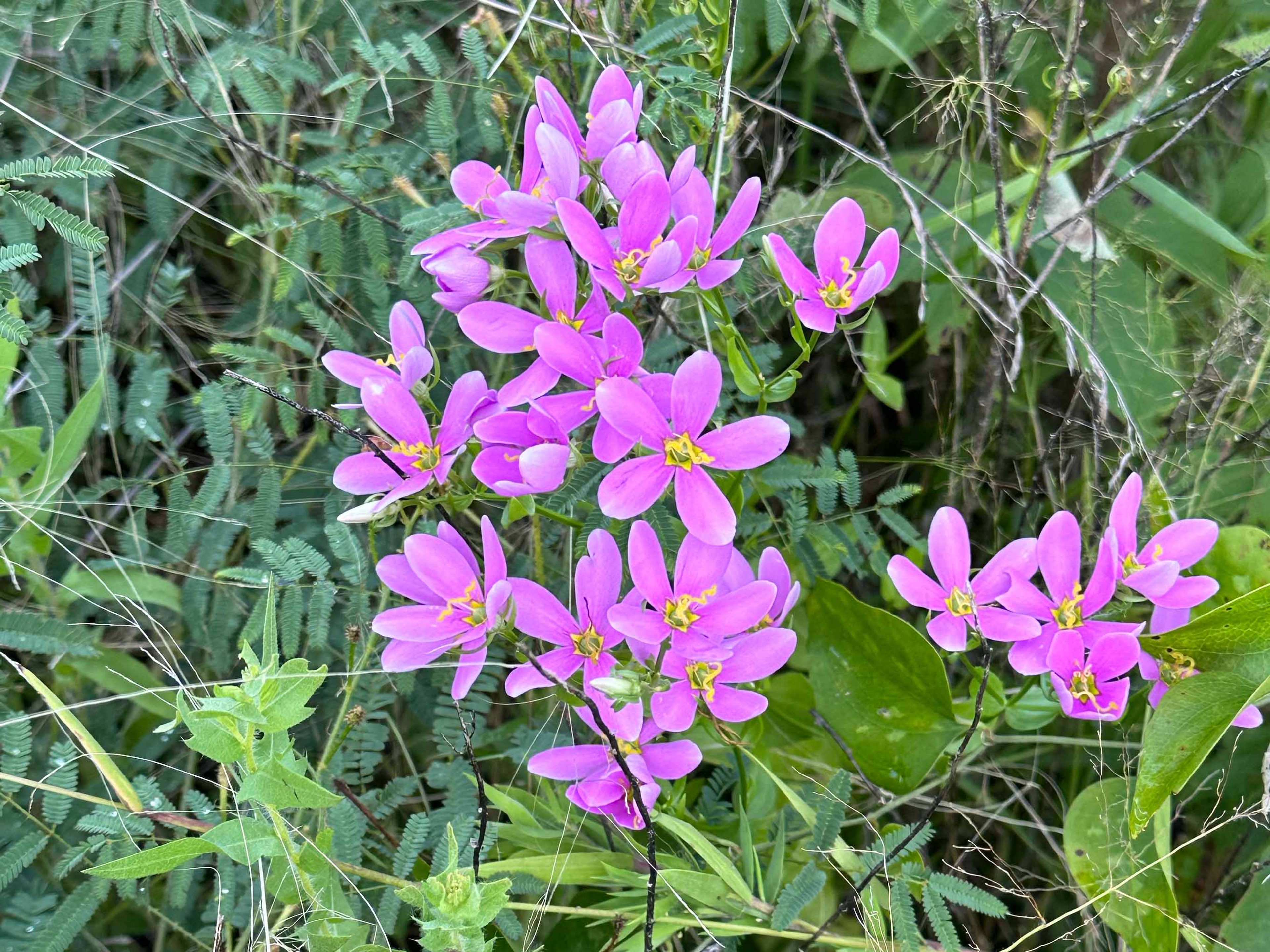
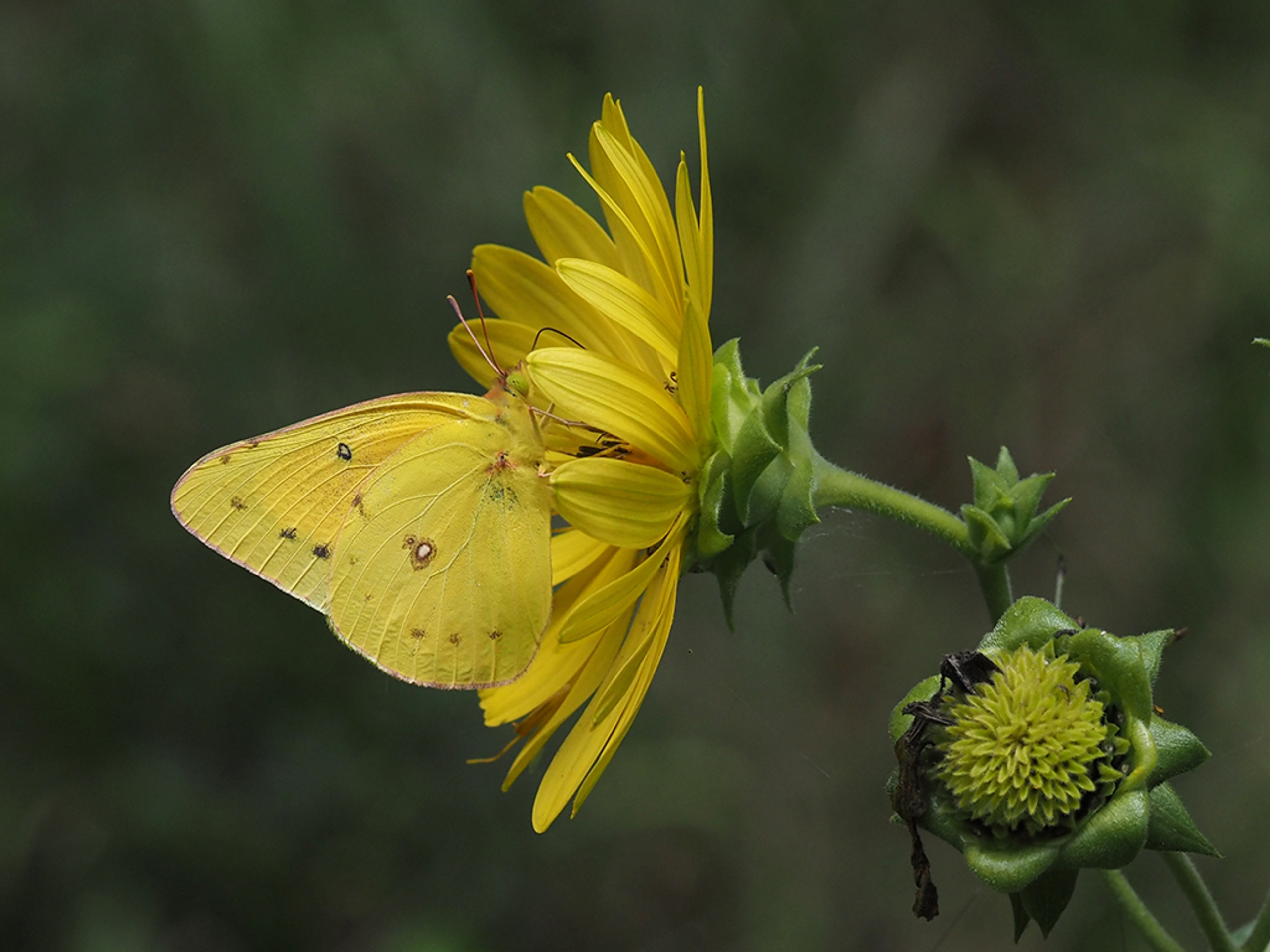
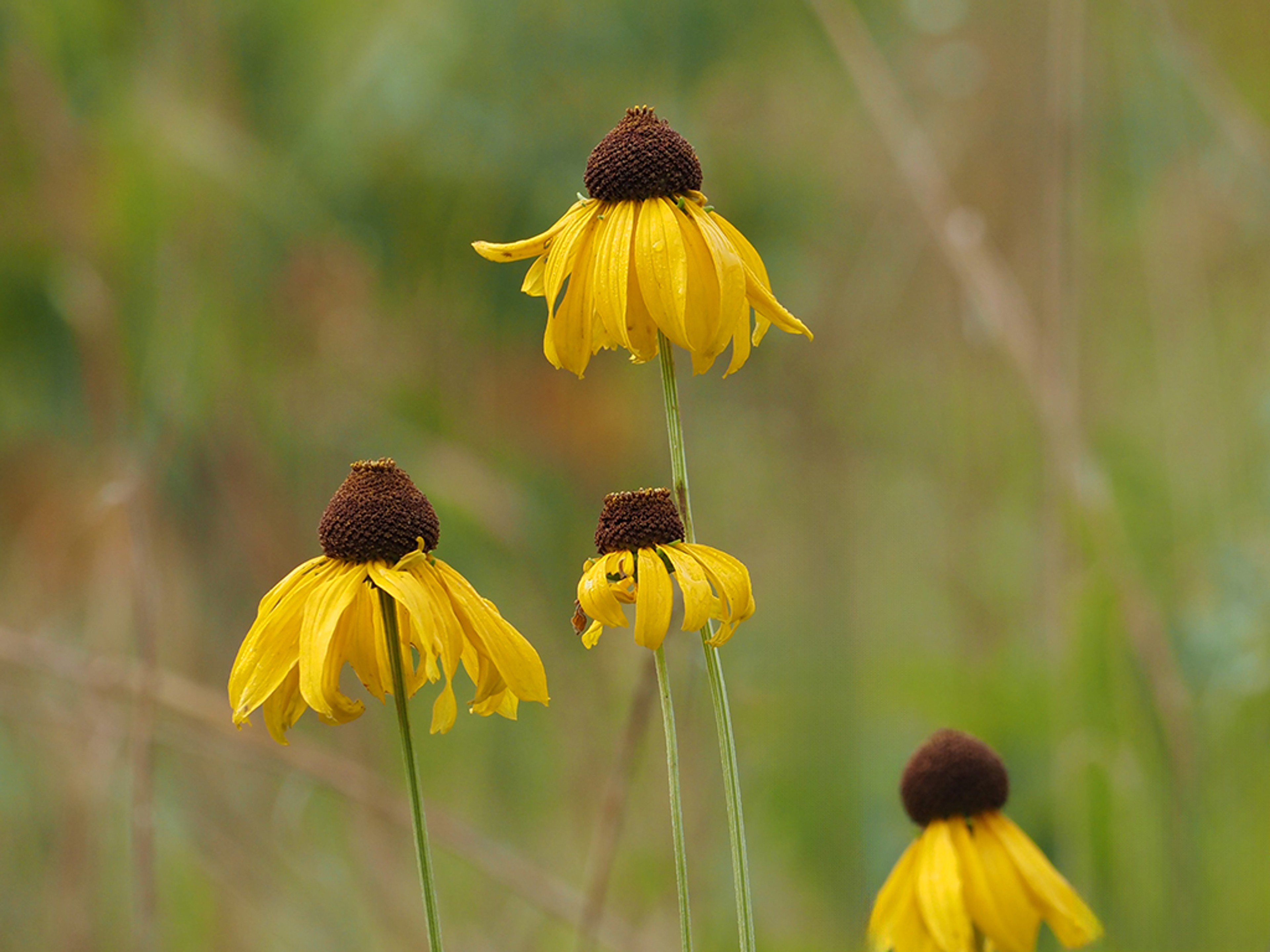
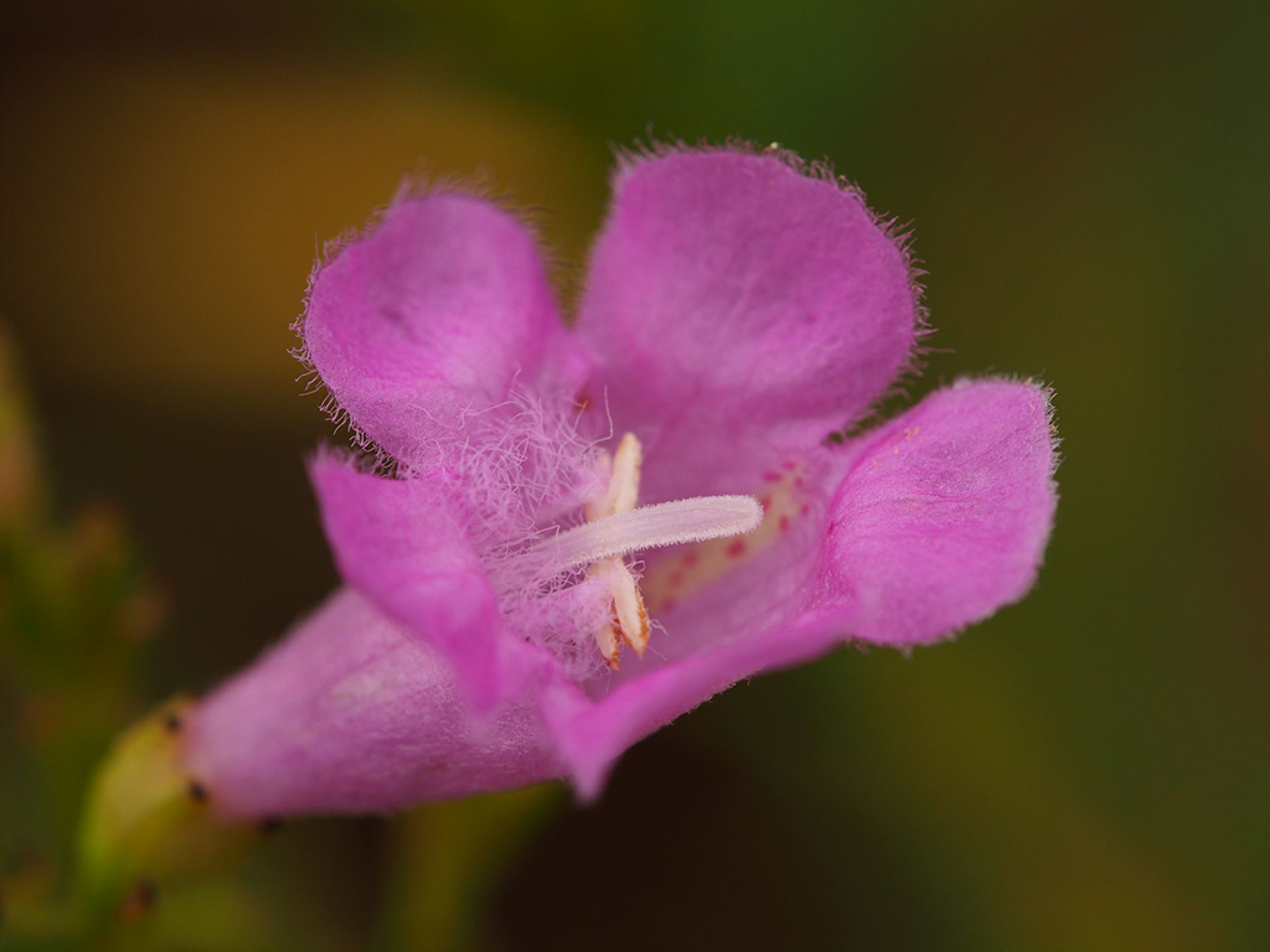
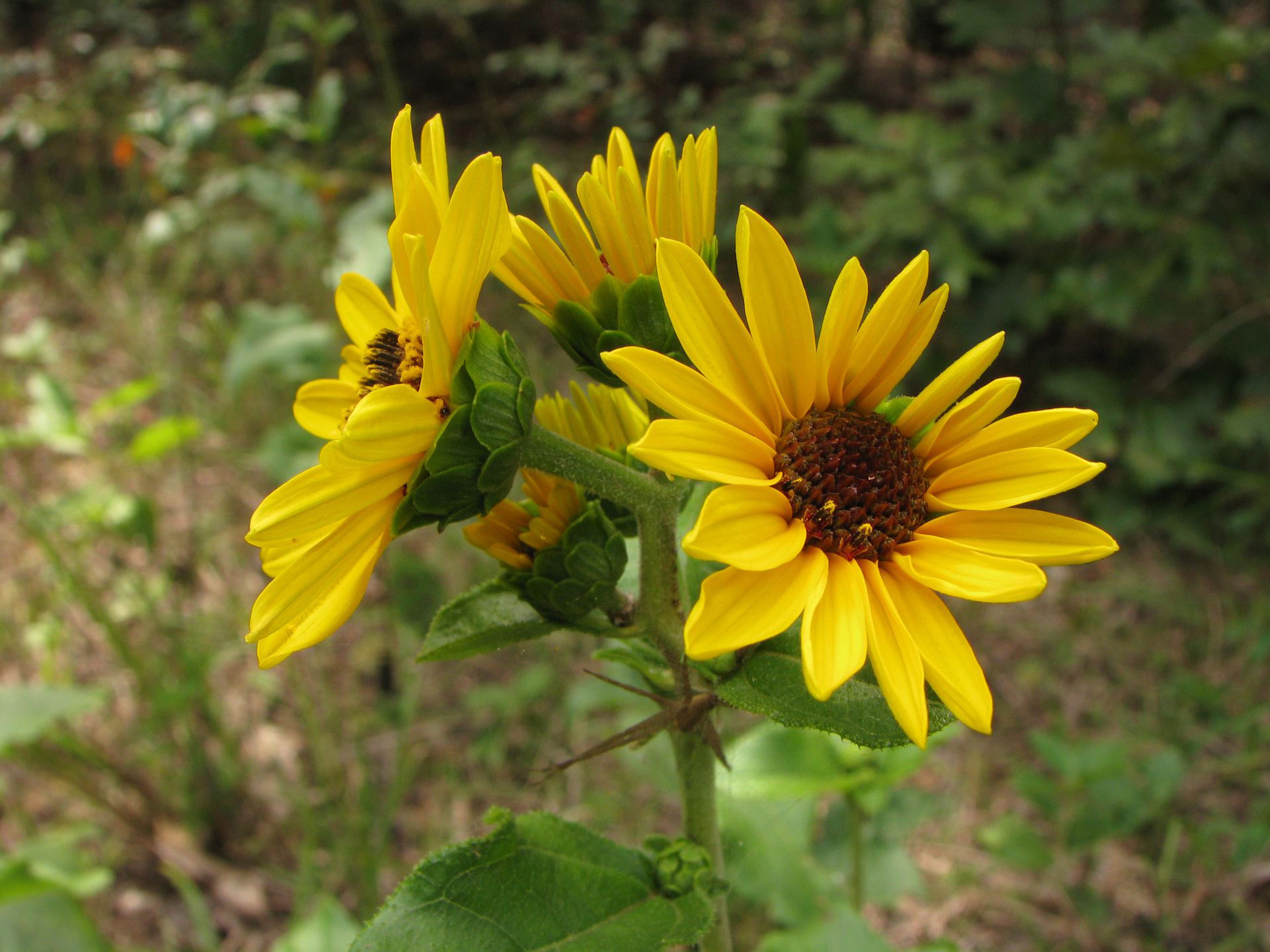
Since Slender bush clover is found in a wide variety of habitats, it has a wide variety of plant companions.
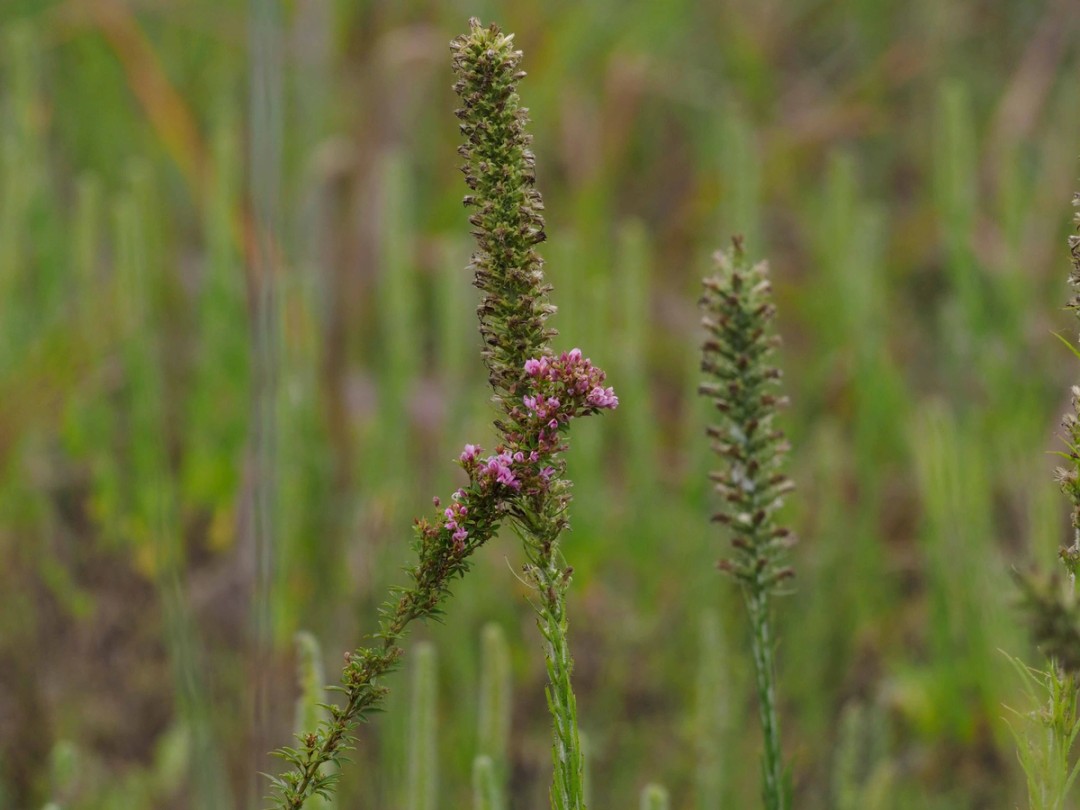
With Liatris pycnostachya 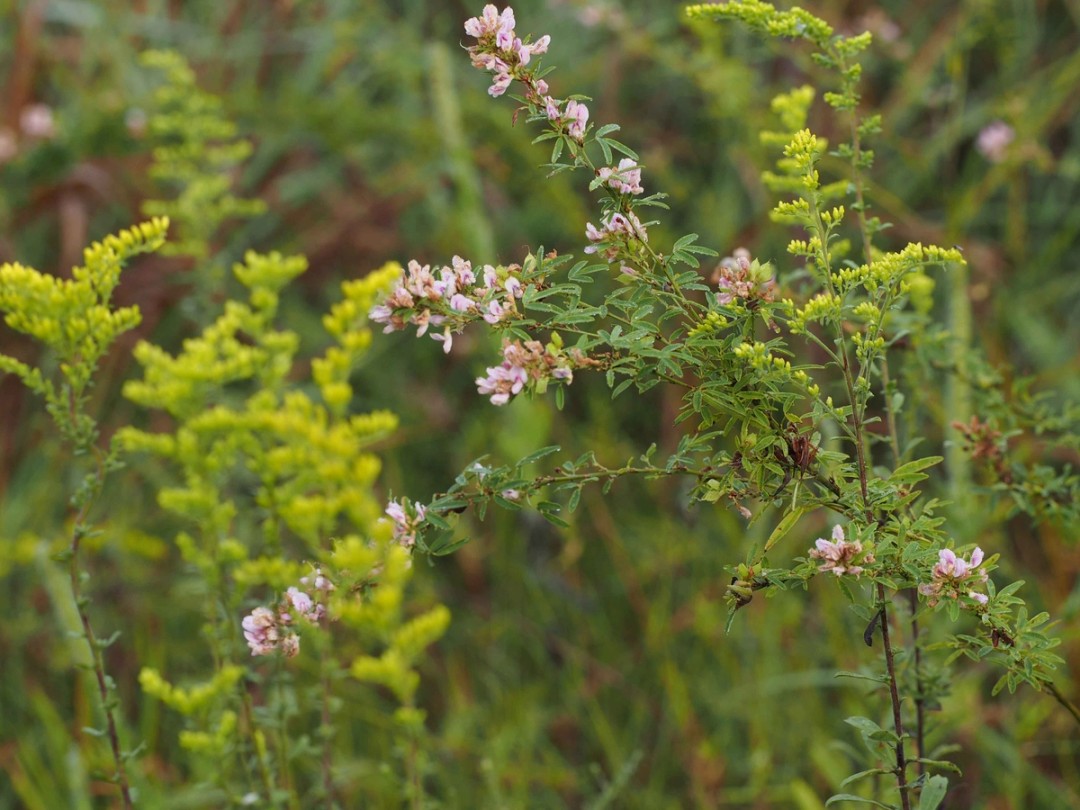
With Solidago species 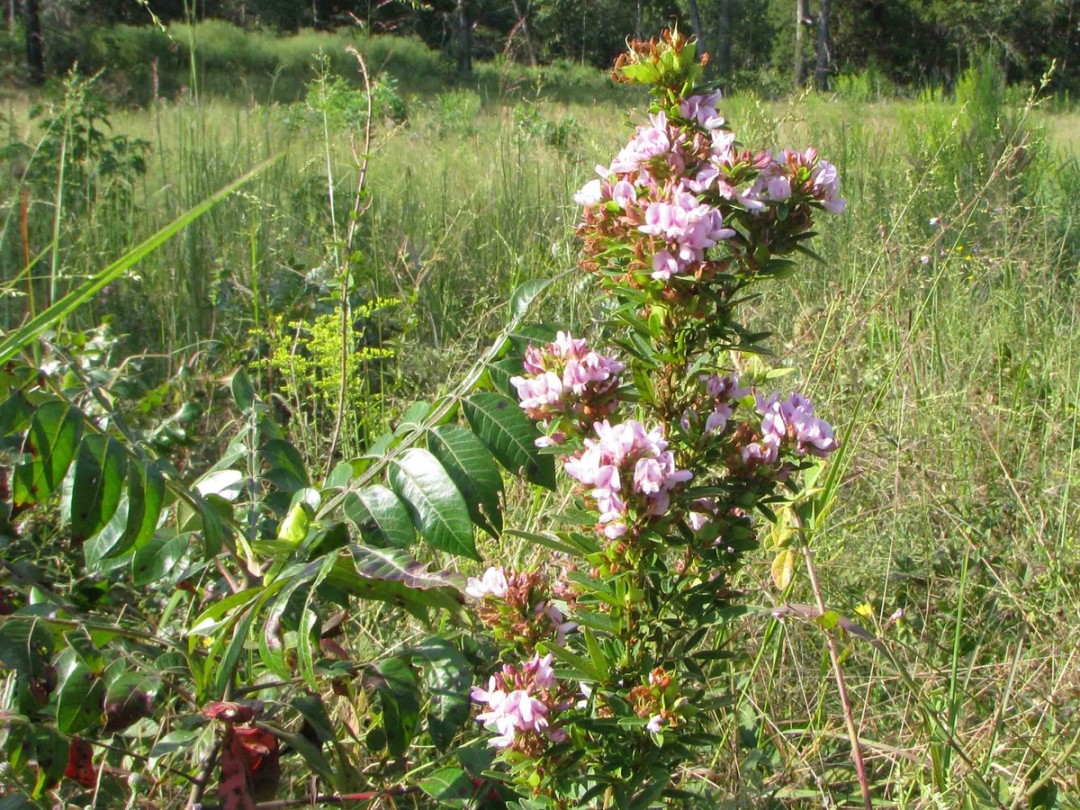
With Rhus copallinum 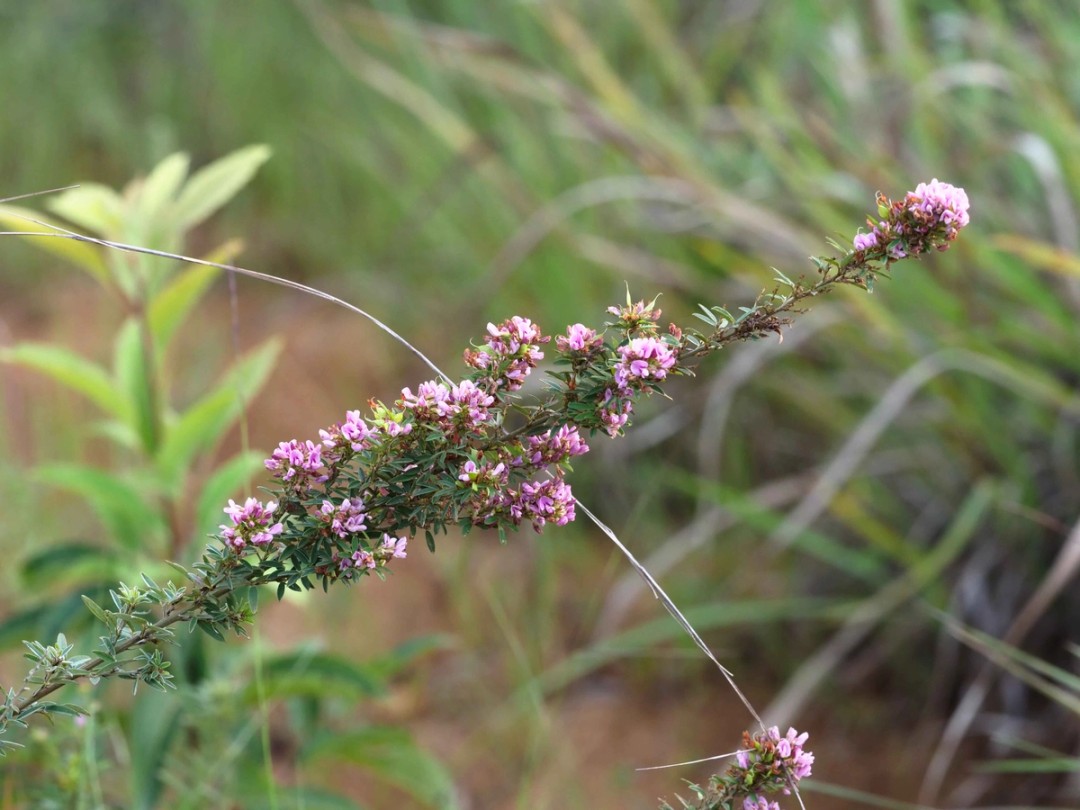
With Silphium integrifolium
A few other common companions include Spiranthes lacera (Slender Ladies' tresses), Helianthus silphioides (Ozark sunflower), Pseudognaphalium obtusifolium (Sweet everlasting), Agalinis fasciculata (Purple false foxglove), Desmodium species, and various asters.
HABITAT
Slender bush clover can be found in a wide variety of habitats including glades, grasslands, prairies, savannas, rocky woodlands, stream banks, and more. In woodlands, it is often associated with oak trees.
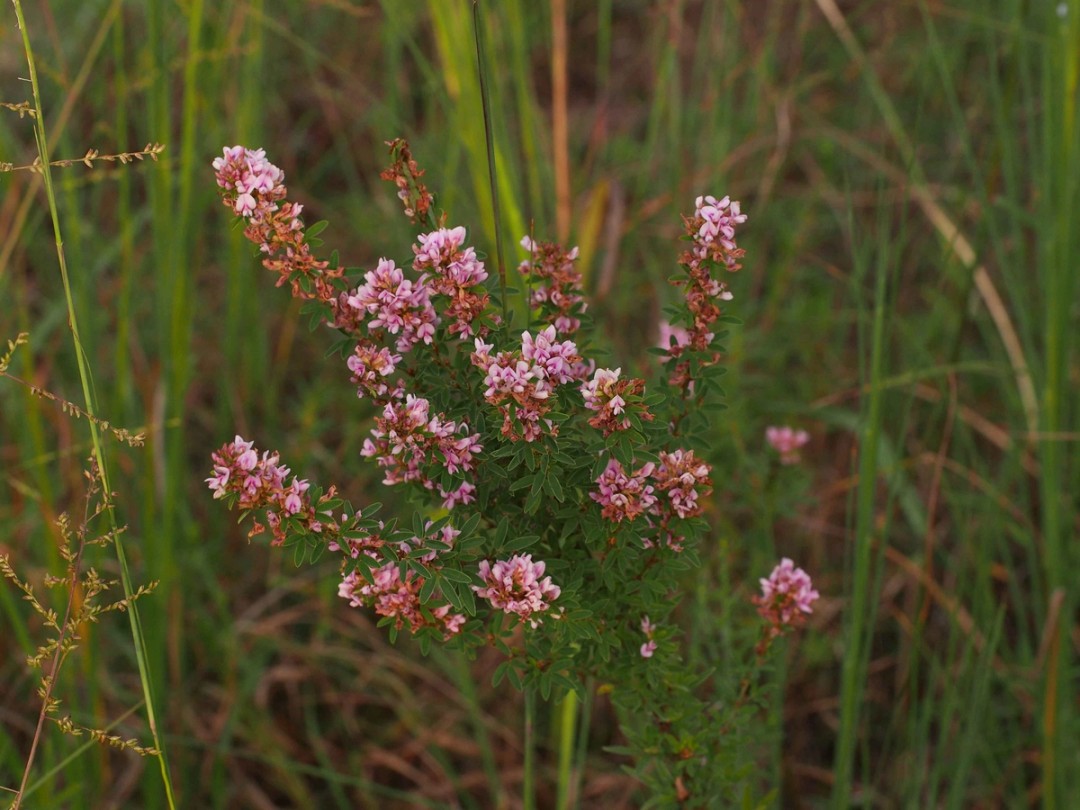
Grassland habitat 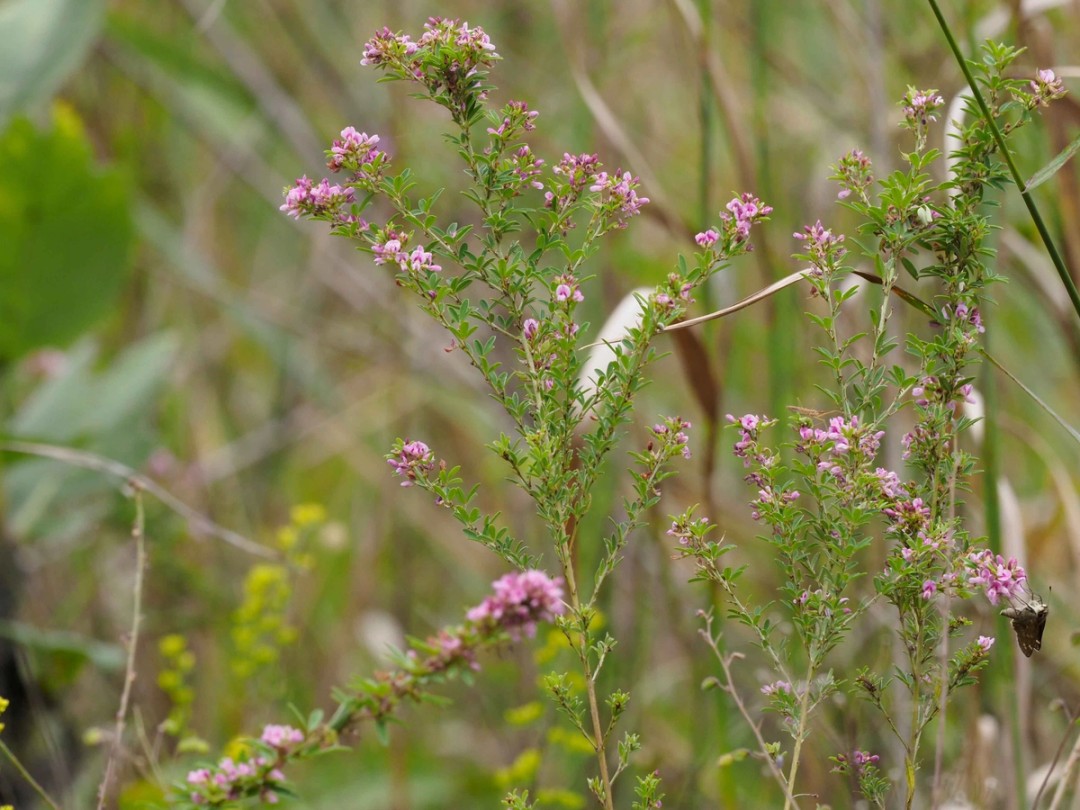
Glade habitat 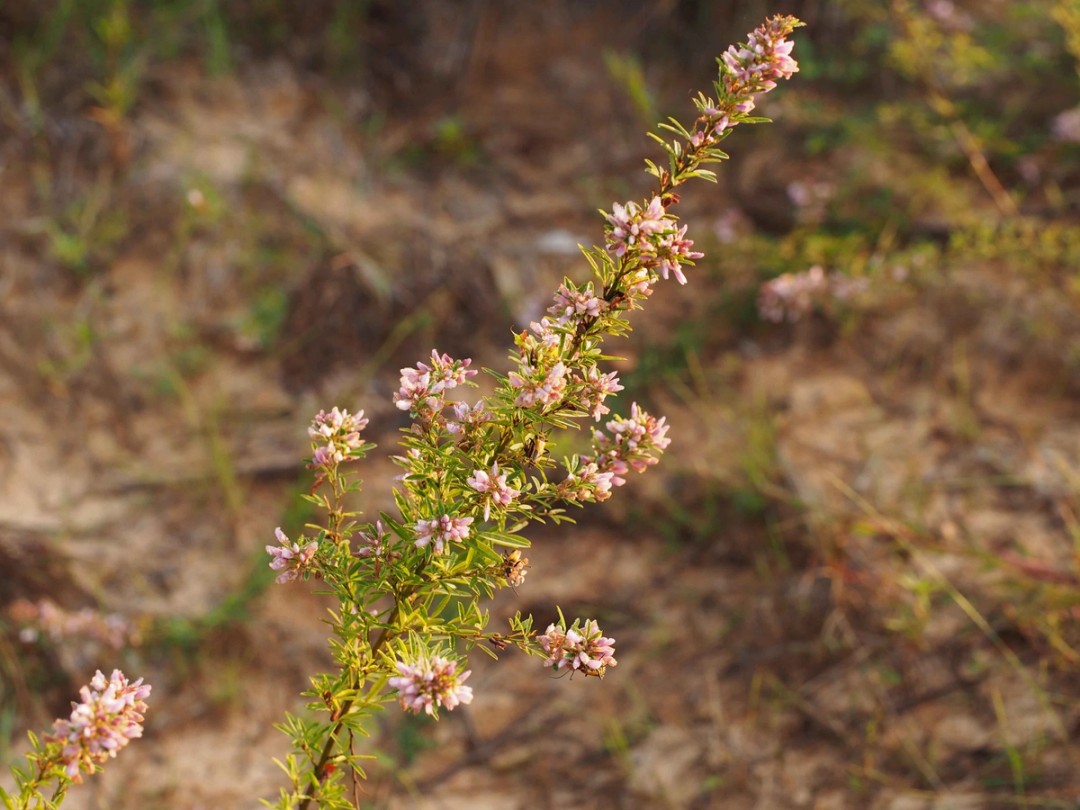
Thriving in poor soil 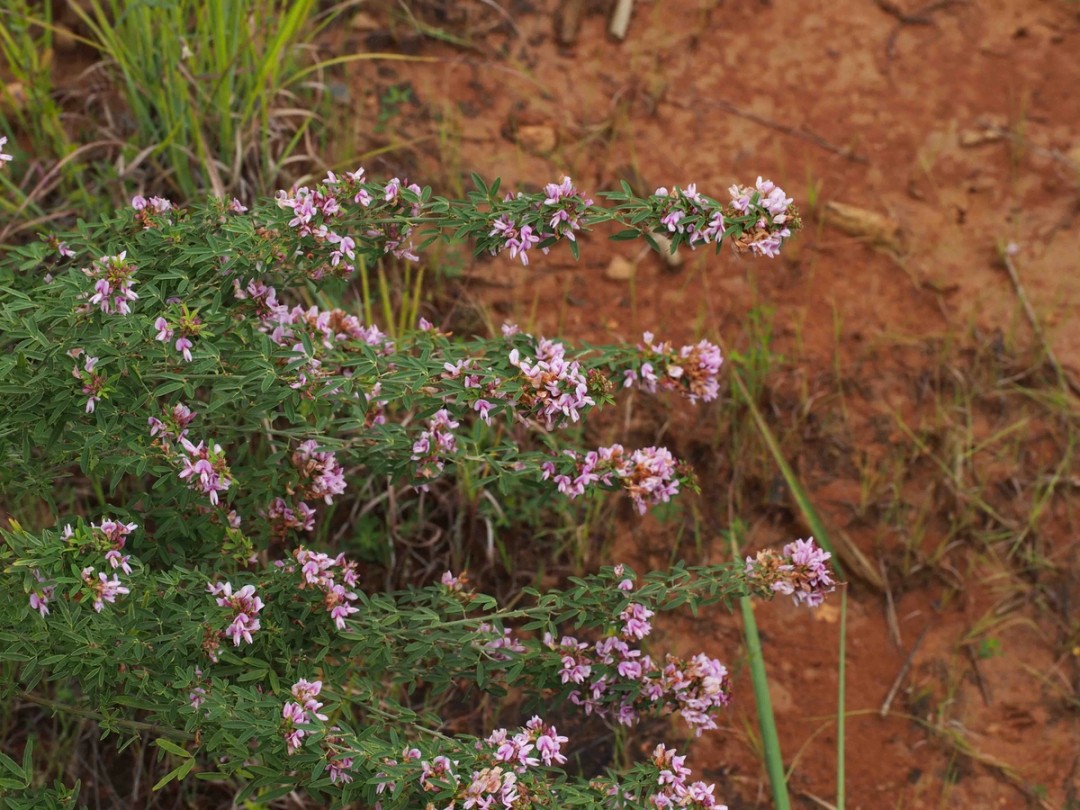
Eroded area
CONSERVATION STATUS
Lespedeza virginica is found across the Eastern half of the US and west to Kansas, Oklahoma and Texas. NatureServe shows it as Secure in Delaware, Kentucky, New Jersey, North Carolina and South Carolina. It is Apparently Secure in Iowa, Kansas, and West Virginia. New York has a Vulnerable status and both Michigan and New Hampshire have Imperiled status. All other states within its range have No Status Rank on NatureServe.
In Arkansas, Lespedeza virginica has a Conservation value of 7 in the group of 4-7, meaning- (typically matrix taxa in intact, stable habitats with some limited ability to respond to destabilizing forces and repopulate areas from which they have been extirpated).
INTERESTING TIDBITS
Lespedeza virginica has many attributes besides its beauty. It is used to aid in erosion control. Being a legume, it fixes nitrogen into the soil, which improves soil fertility. Its seeds are consumed by songbirds (Juncos and Mourning Doves are two examples) as well as Quail and Turkey. The leaves provide food for both rabbits and deer, and it is a nectar source for numerous butterflies, skippers, bees, and flies. In addition, it feeds the larvae of the Eastern Tailed-Blue and Gray Hairstreak butterflies.
On top of that, this is an easy to grow, nonaggressive plant with beautiful, long blooming flowers.