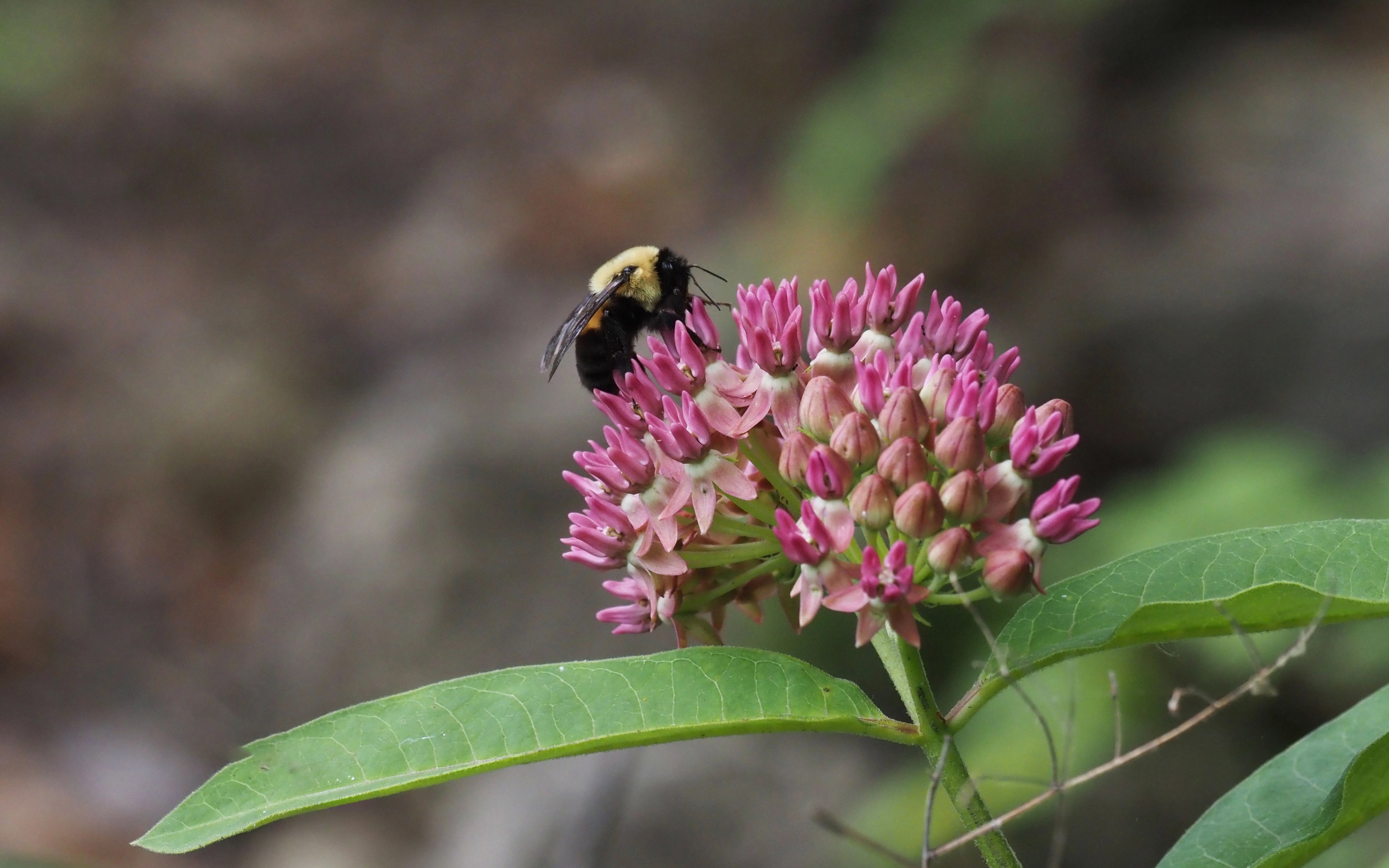
PLANT NAME
This perennial forb, scientifically known as 'Asclepias,' is named after the Greek god of medicine, Asklepios, reflecting its historical medicinal use. The word ‘purpurascens’ is a Latin term meaning “becoming purple” or “turning purple”.
The common name, Purple milkweed, is quite descriptive, as this plant bears large clusters of vibrant purple flowers.
BLOOM
A mature plant will have many flower clusters, with some having green to reddish buds while other flowers are completely open. The beautiful buds are initially green, transitioning to a peachy color with purplish stripes along the unopened buds.
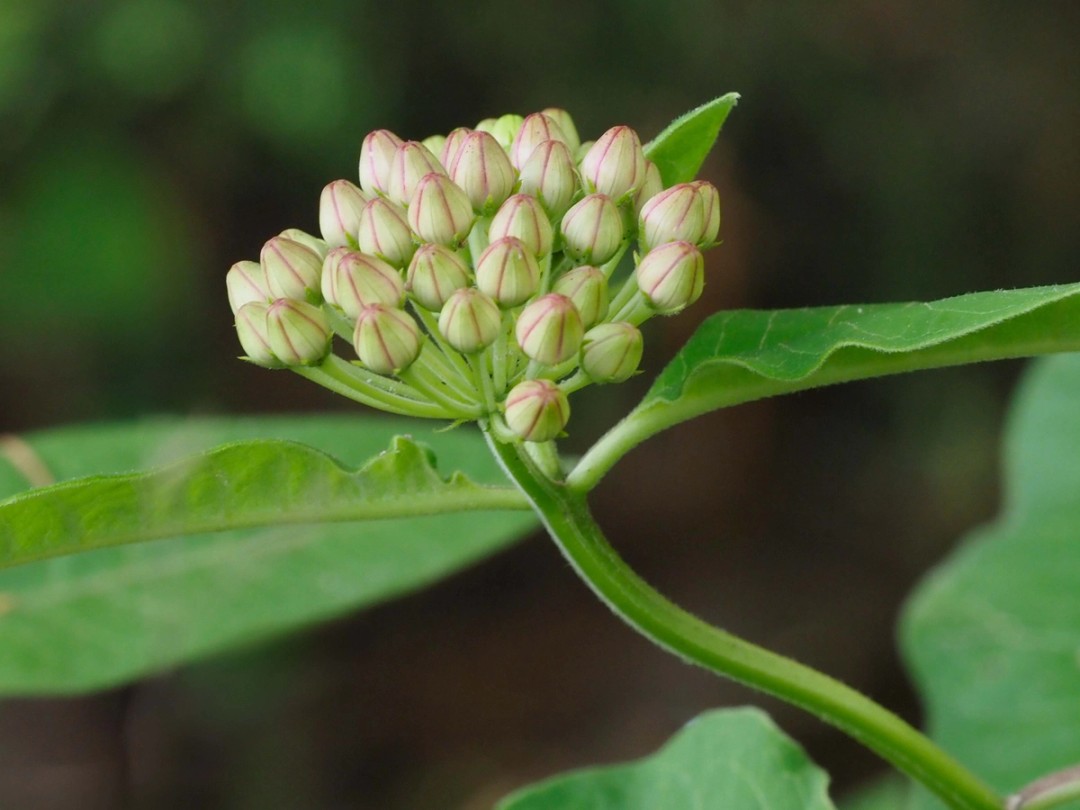
Young buds 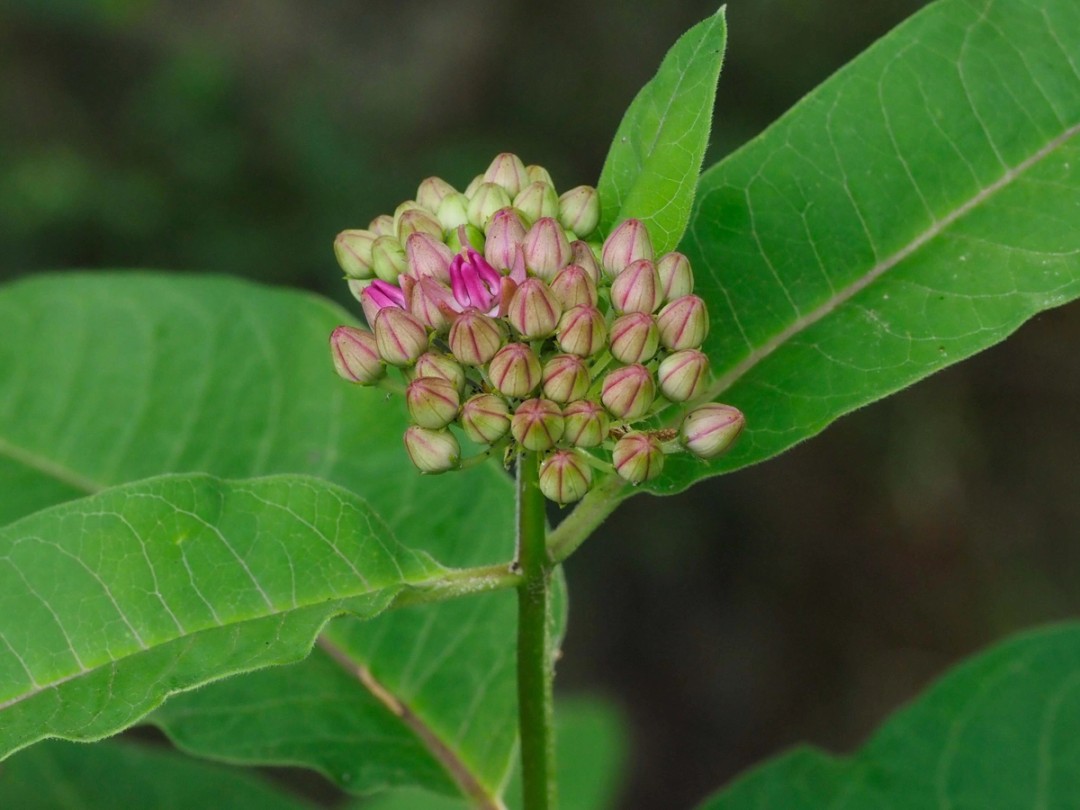
Buds in various stages
Flower clusters occur at the top of the central stem with up to 5 or 6 umbels. Individual umbels are large, with a width of 2-3 inches. The color varies from light to dark purple.
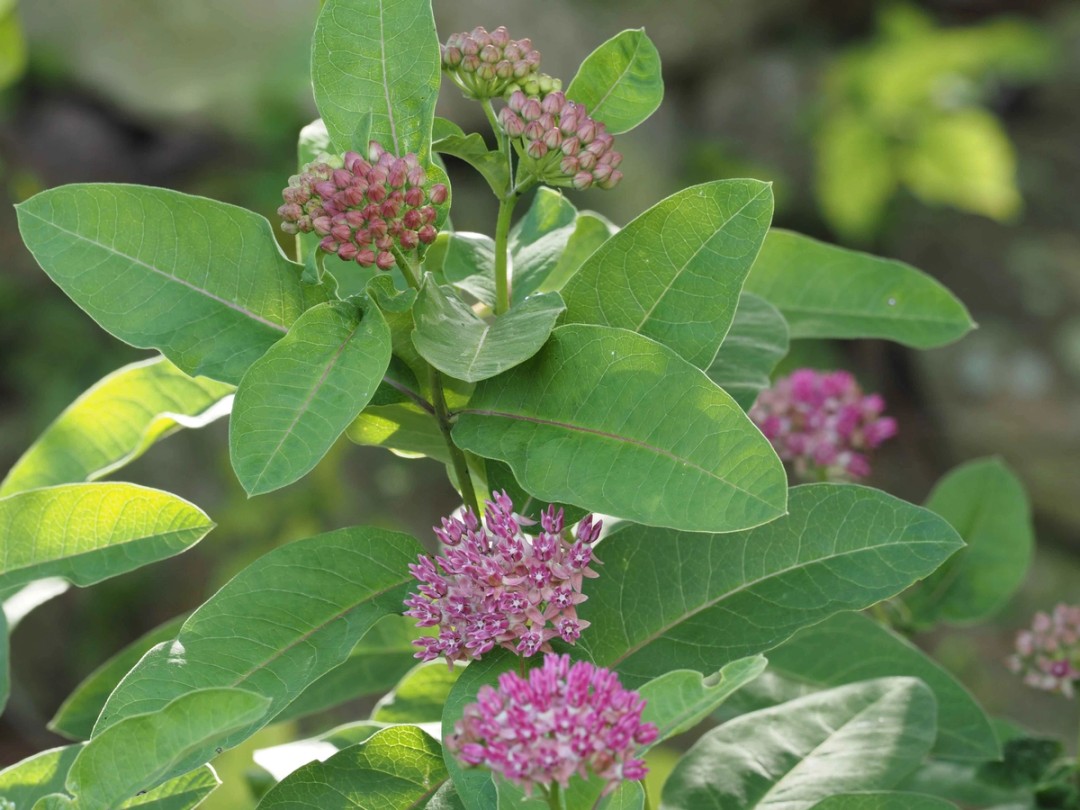
Flowers in various stages 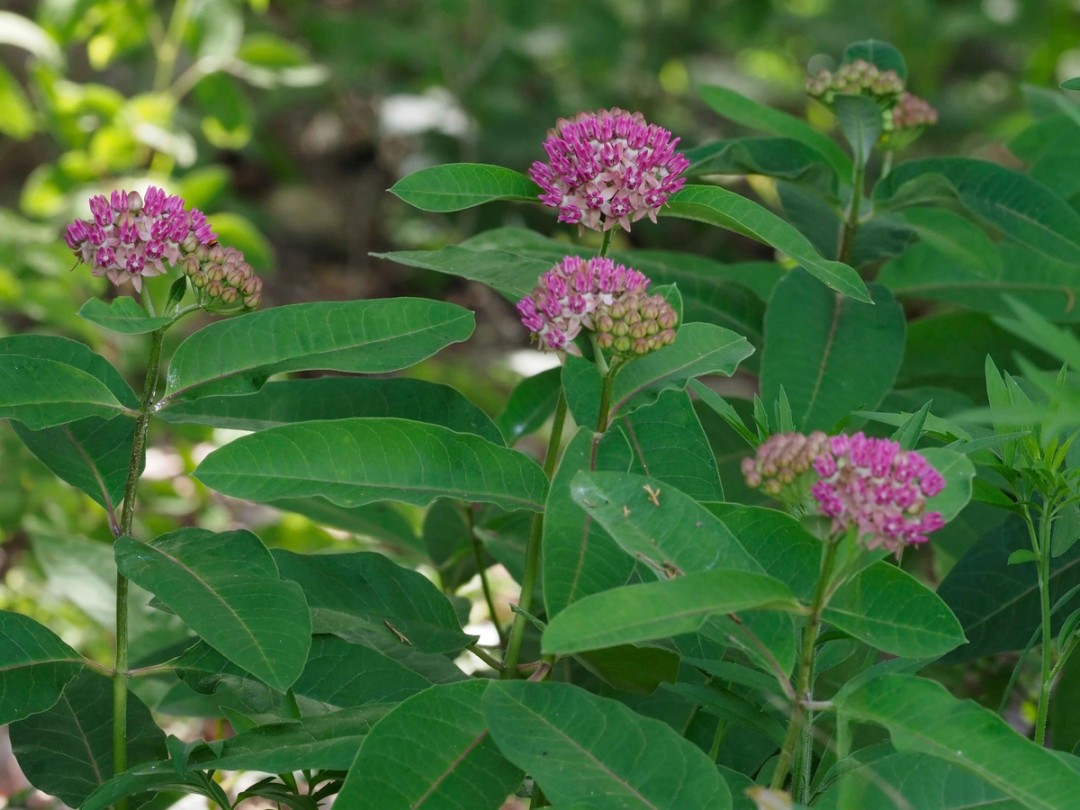
Beautiful purple flowers 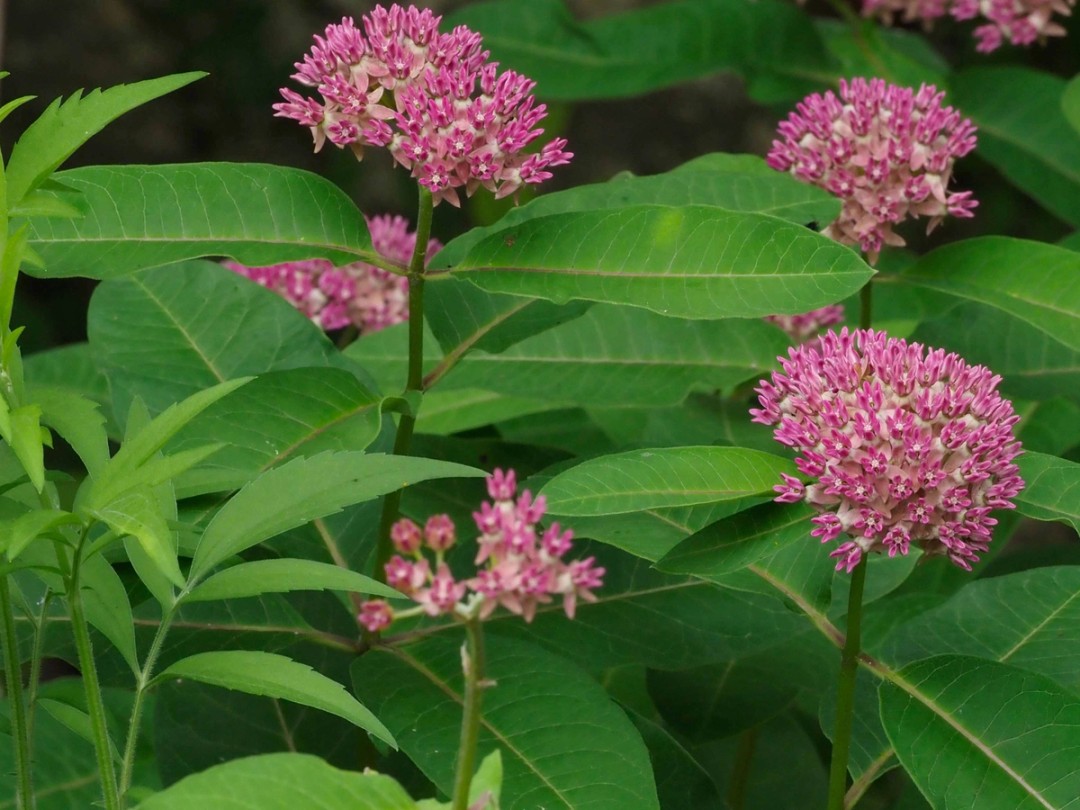
Plant in full bloom 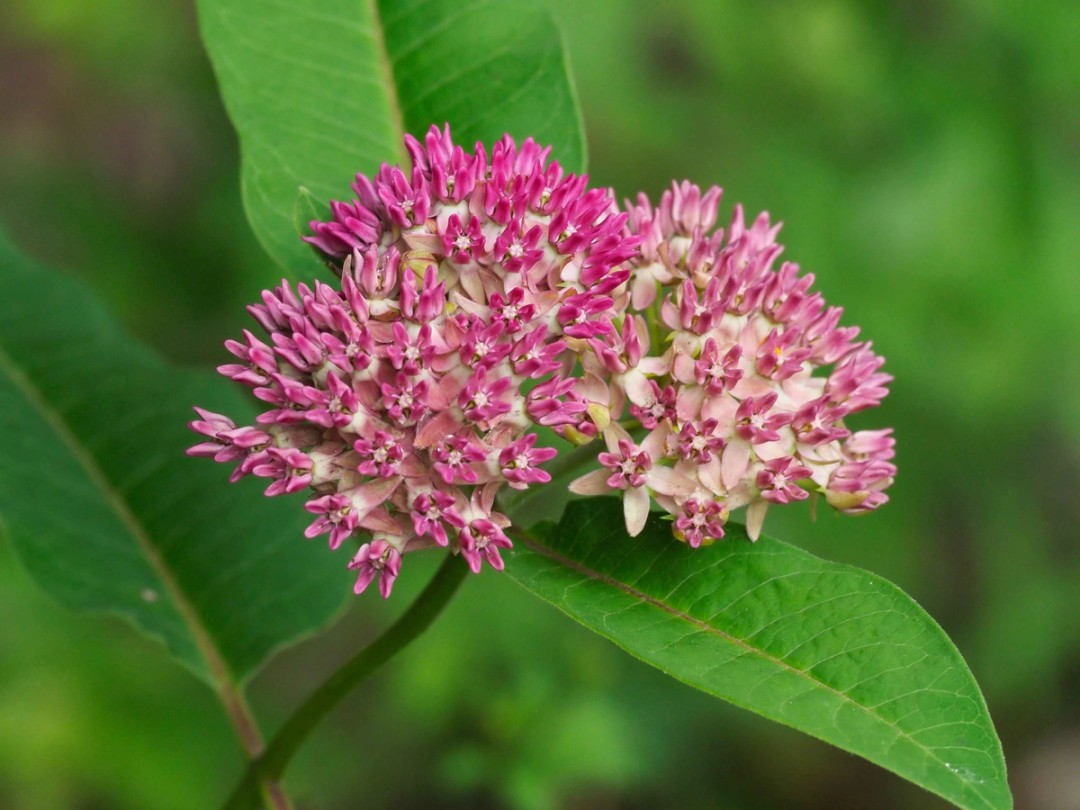
Close look at flowers
DESCRIPTION
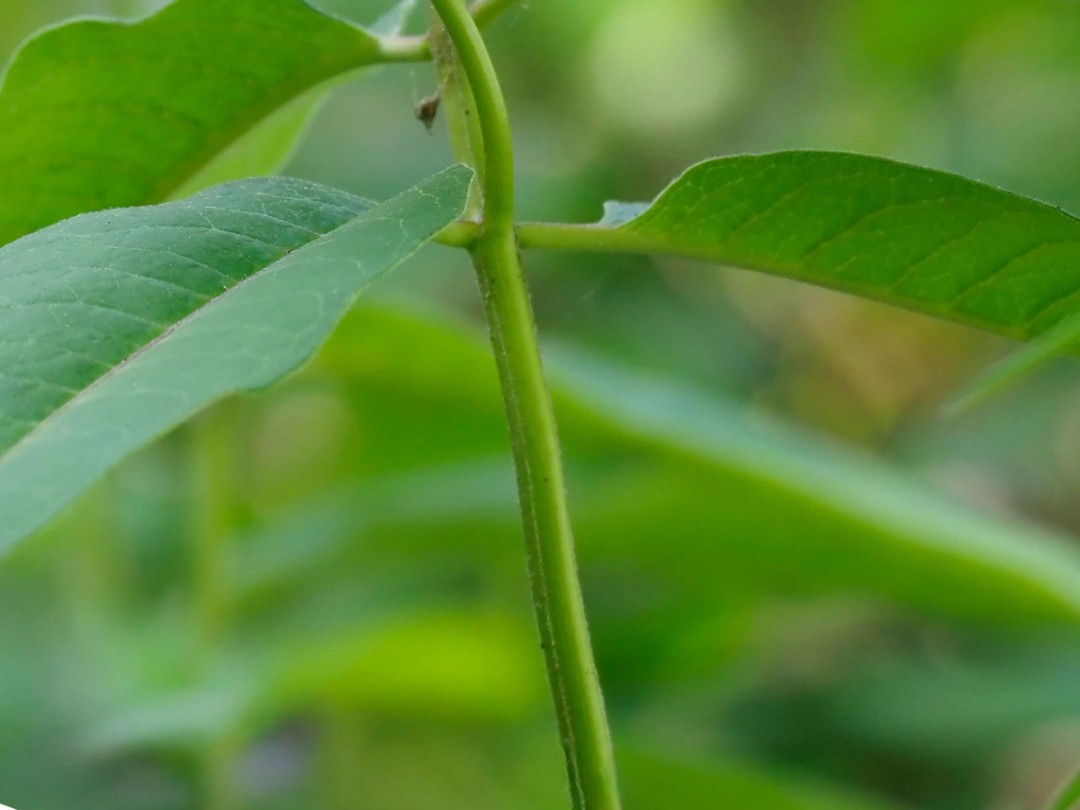
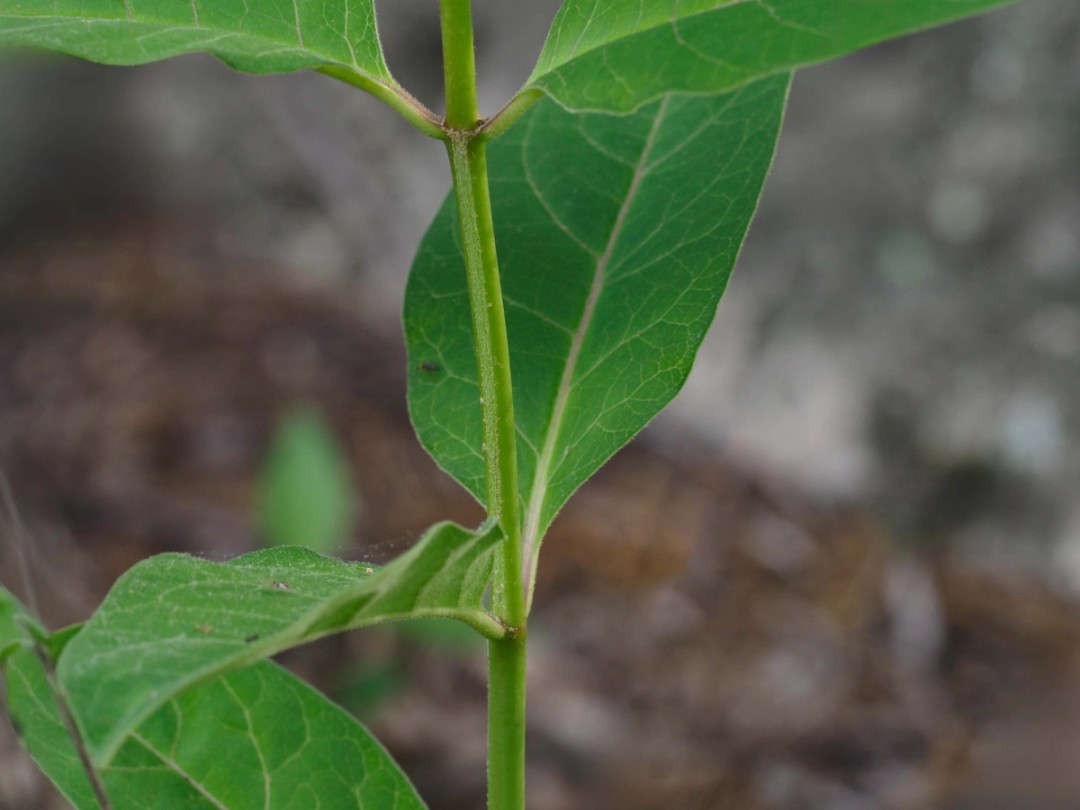
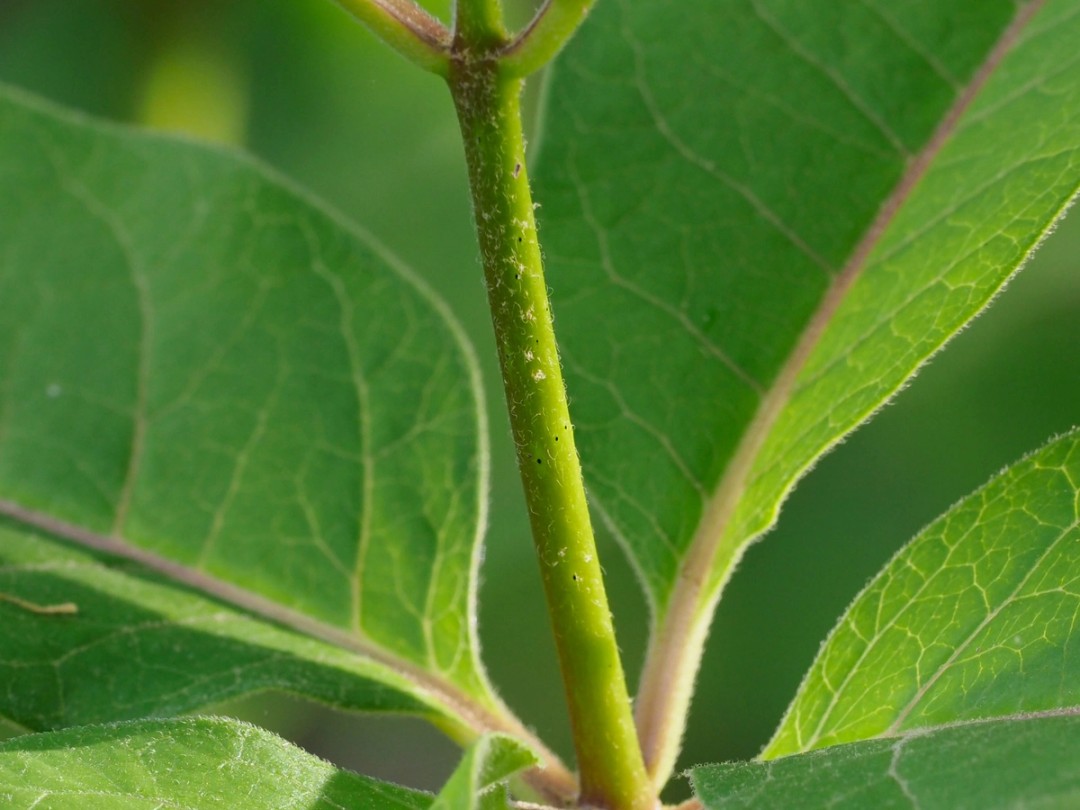
This perennial native plant typically grows to a height of 3 to 4 feet. The light green stem is unbranched (or may branch at its top). It often has a vertical line of hairs at the stem center, although it may be hairless. If the stem is broken, the sticky, milky substance associated with milkweeds can be seen leaking from the break. This sap is toxic to many animals (and also irritates the skin and eyes of humans). The photos below show examples of the variable stem pubescence.
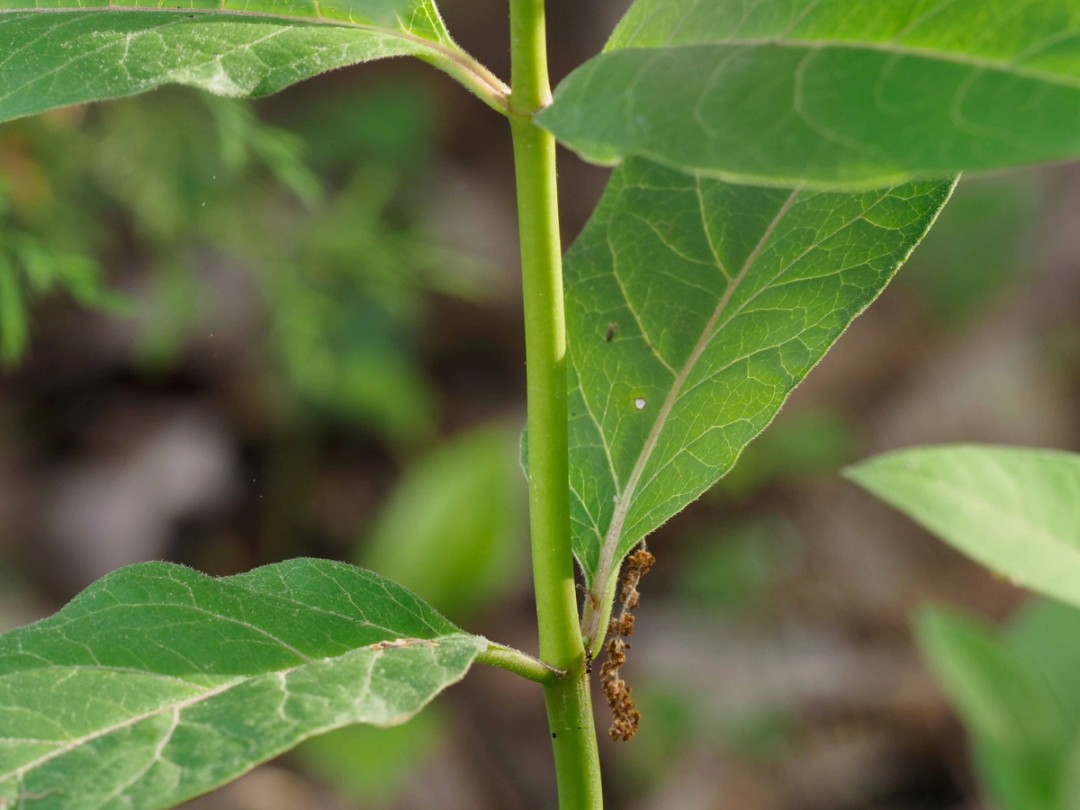
Leaves are opposite with short petioles and up to 6 inches long with a central vein.
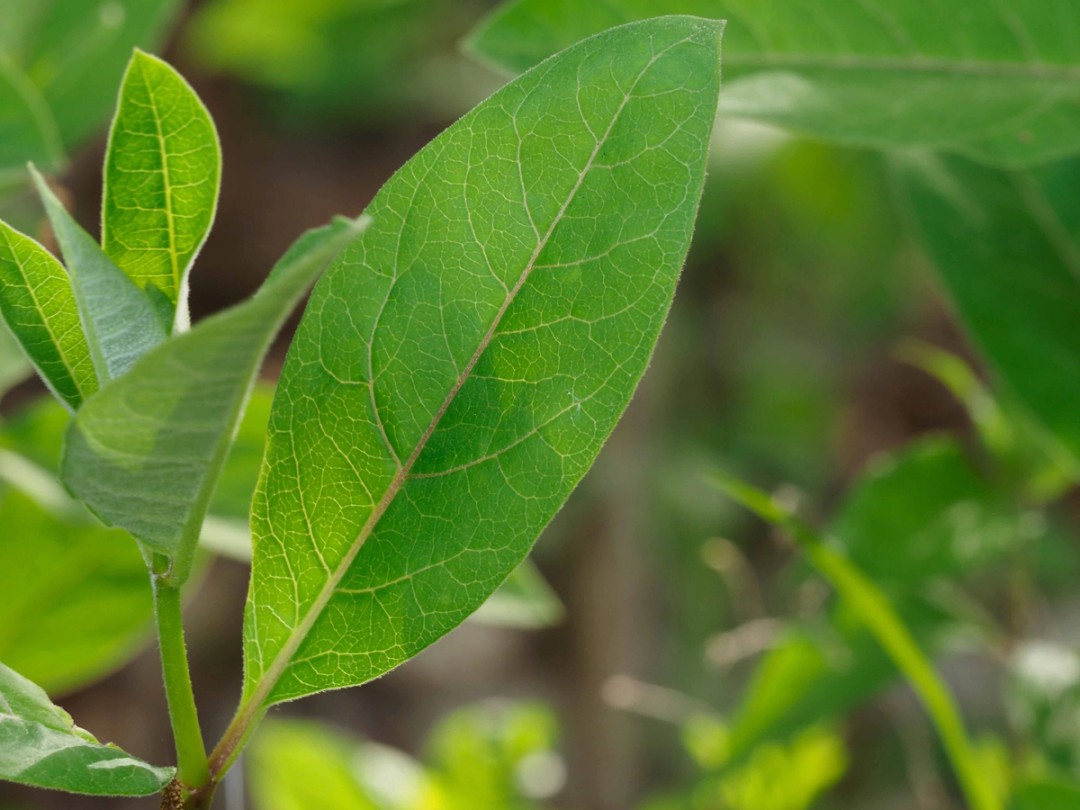
Close look at leaf 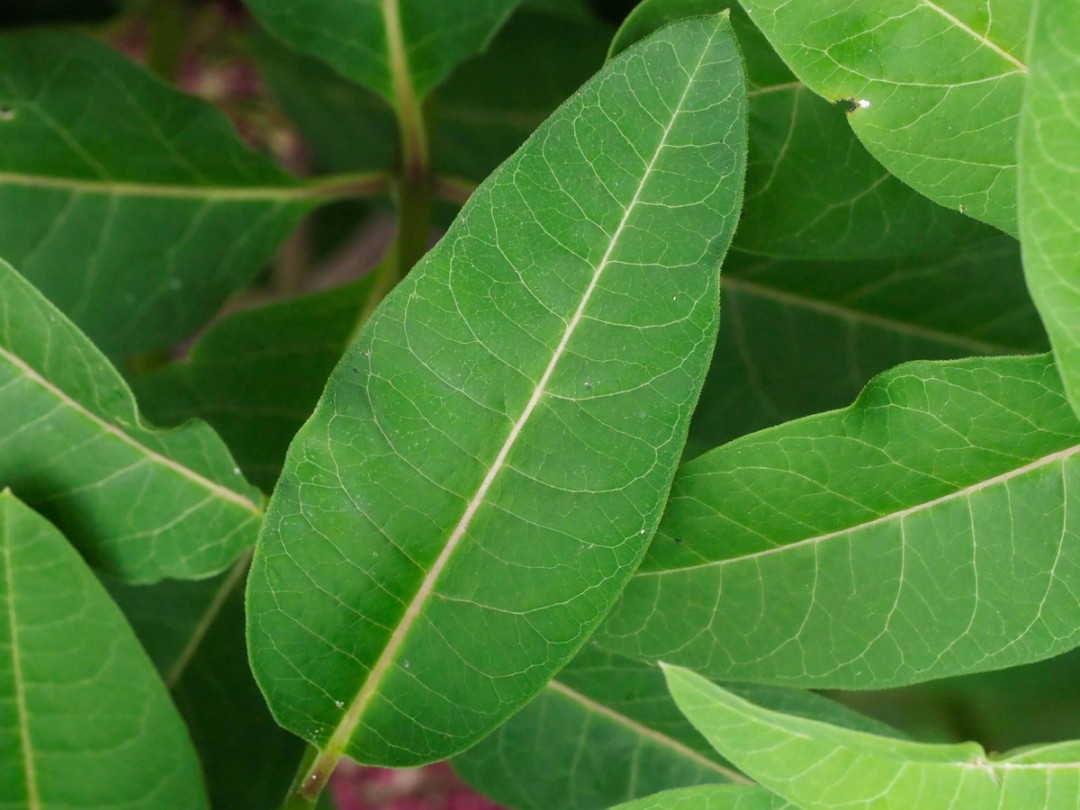
Bright green leaf
Asclepias purpurascens is known to have highly variable growth year to year with formation of seed pods and seed set being sporadic. Some pods start to form but never fully develop. Consequently, this species is rare in parts of its range being listed as Endangered, Threatened, or Imperiled (see Conservation Status below).
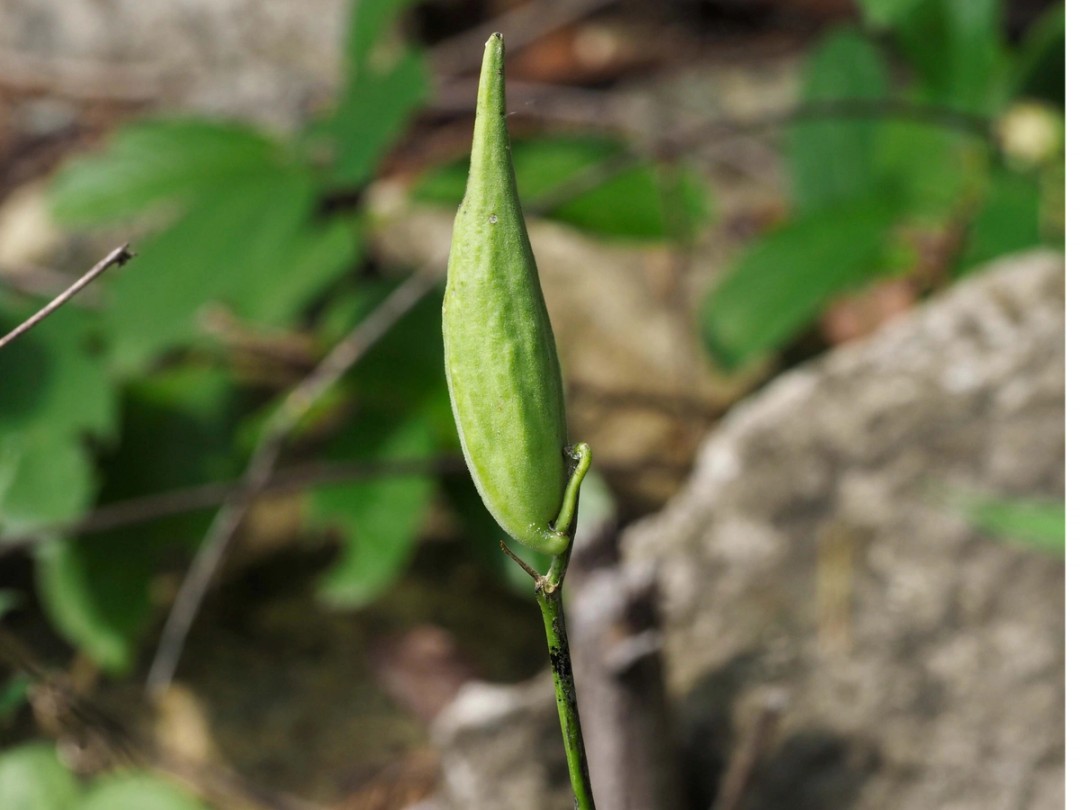
Seed pod 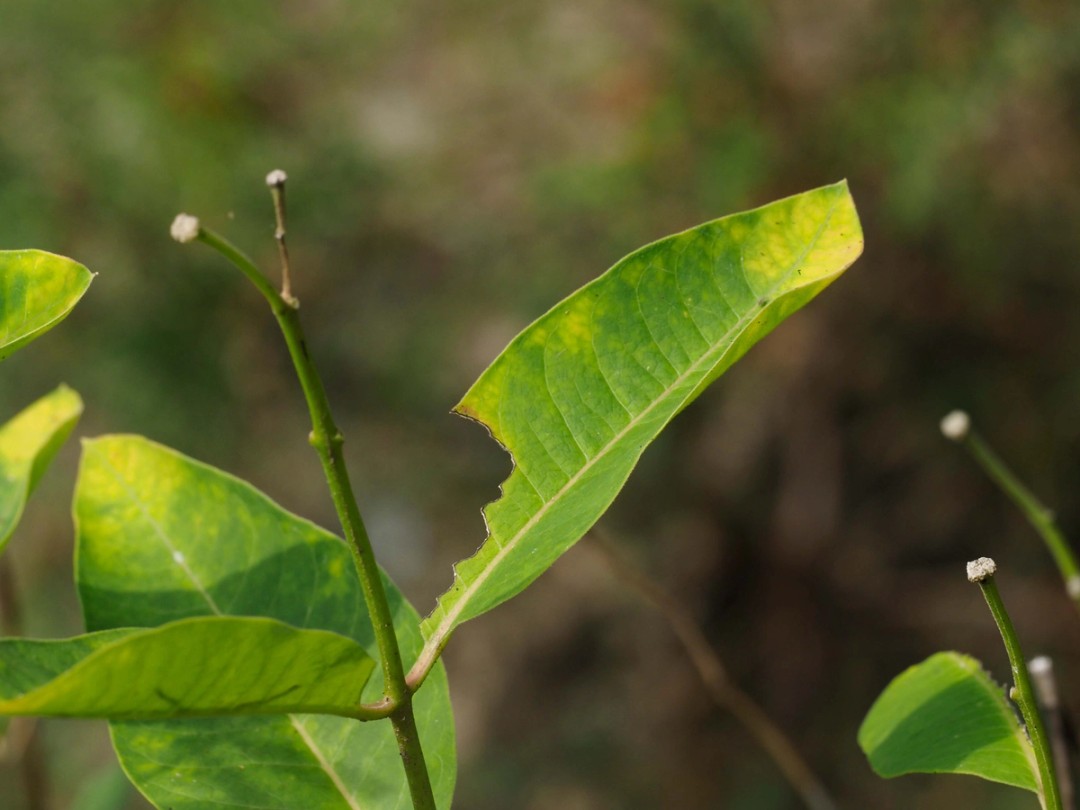
Seed pod did not form
POLLINATORS
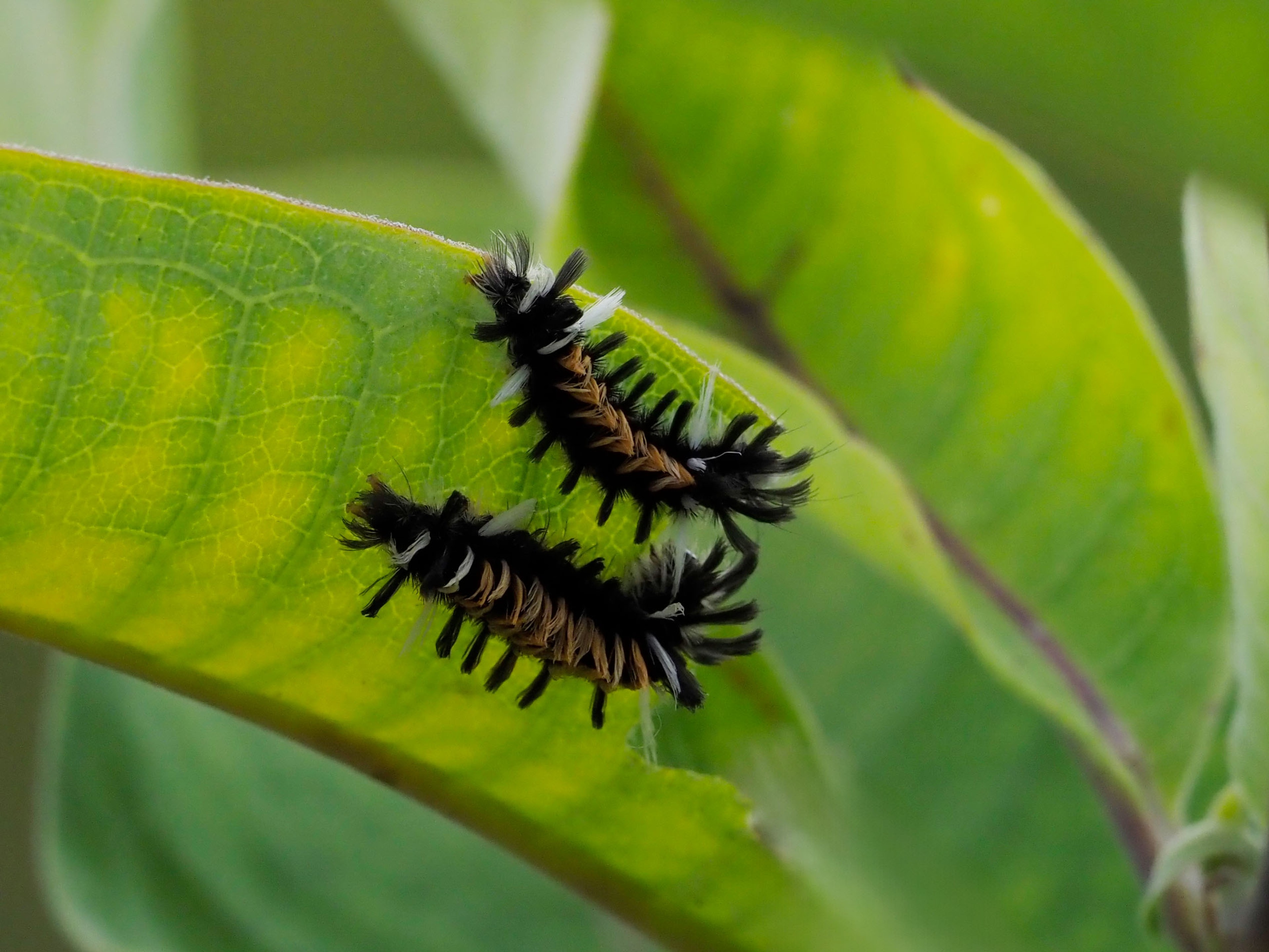
Not only are the flowers of Asclepias purpurascens beautiful, they support a wide range of insects. Numerous bumblebees, sweat bees, butterflies, skippers, bee flies, and even hummingbirds visit the flowers of Purple milkweed for nectar. In addition, it is a host plant for the caterpillars of the Milkweed tussock moth that feed on its foliage.
Butterflies and Skippers
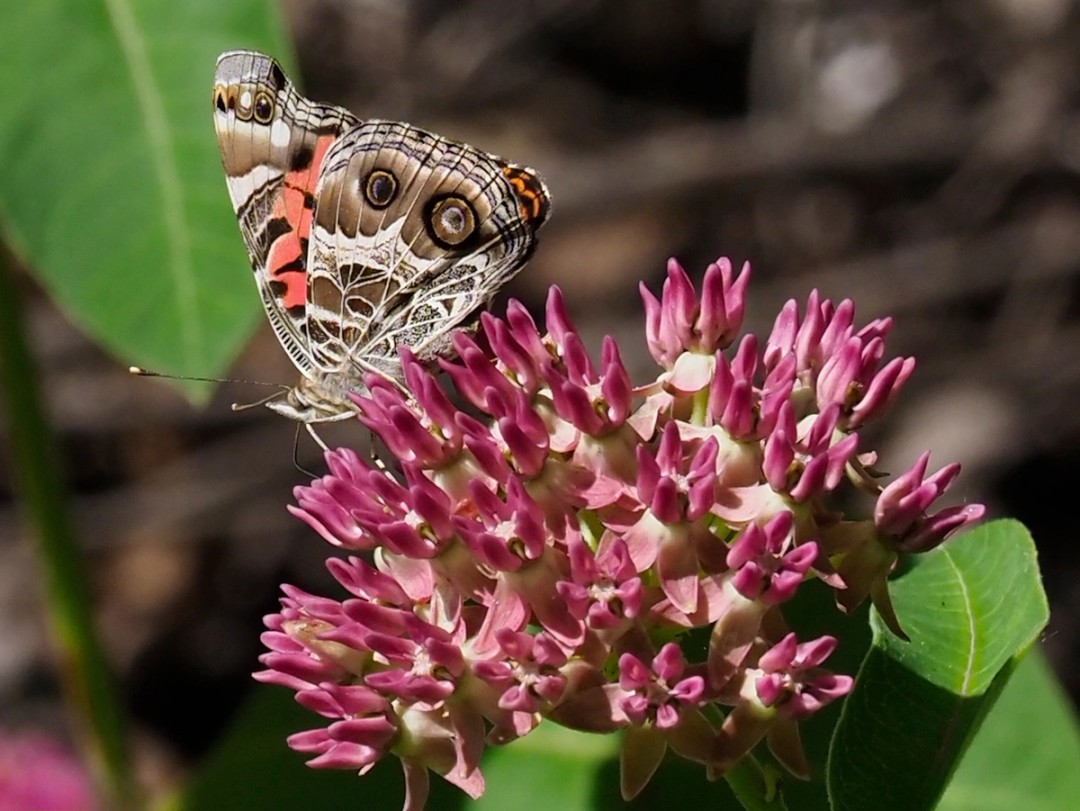
American lady 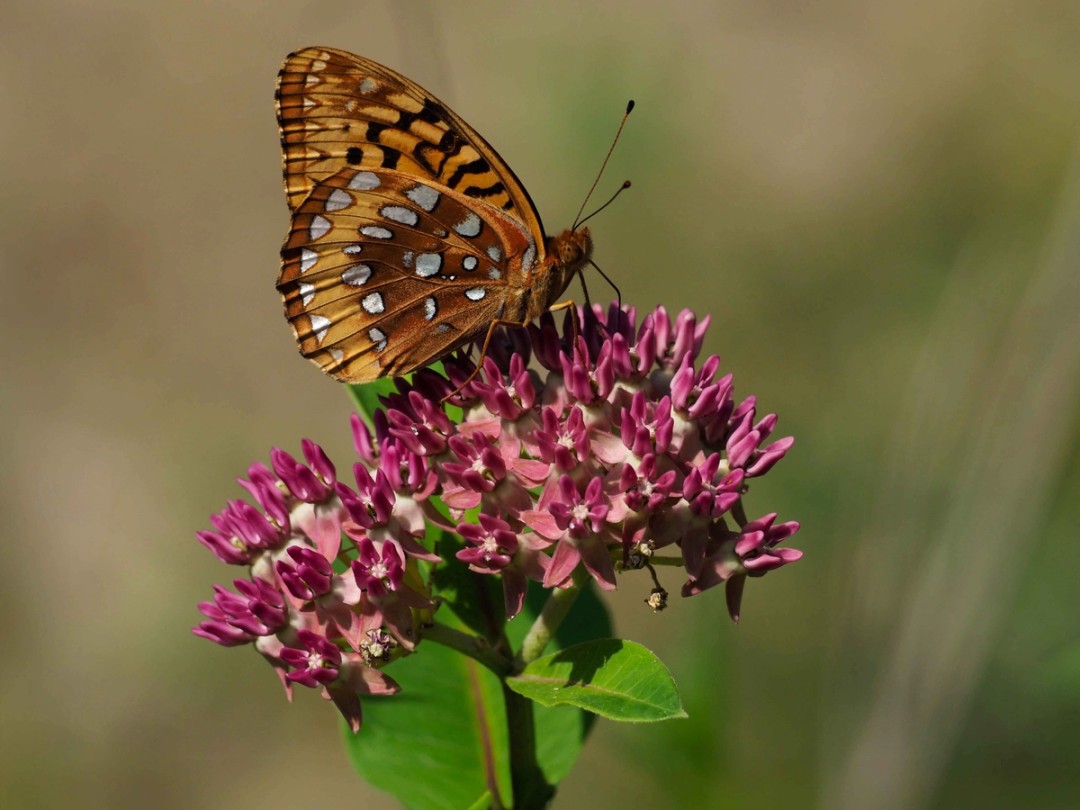
Great spangled fritillary 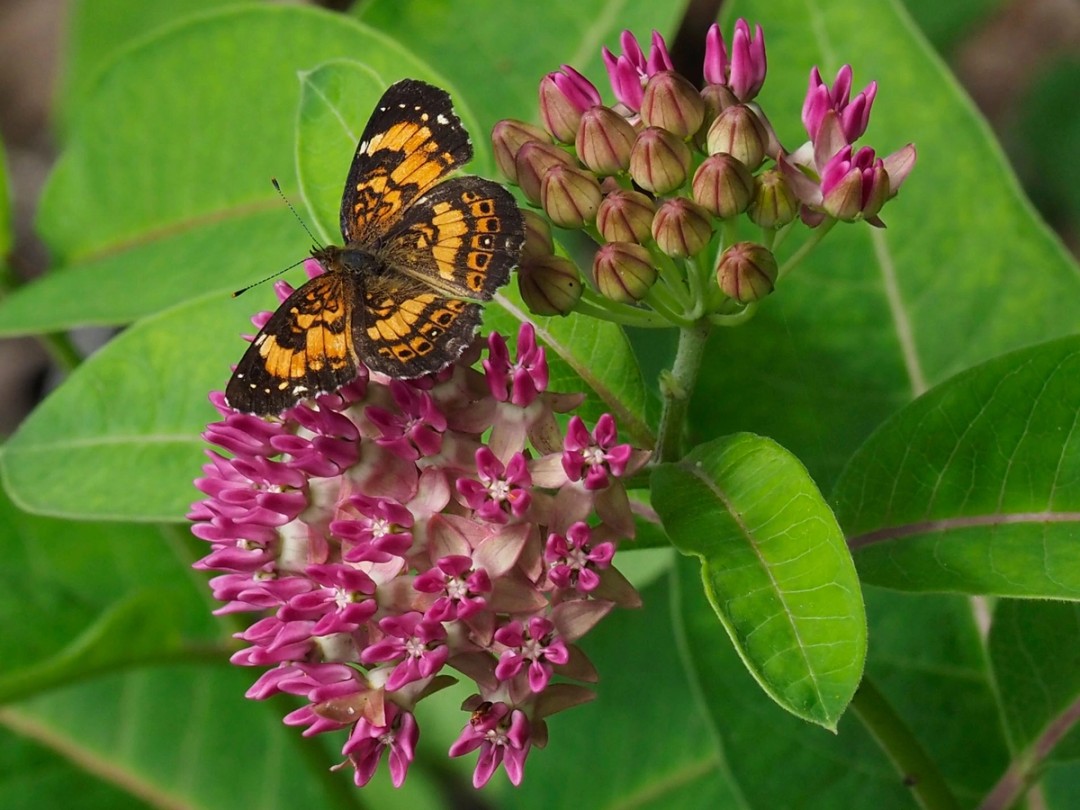
Silvery checkerspot 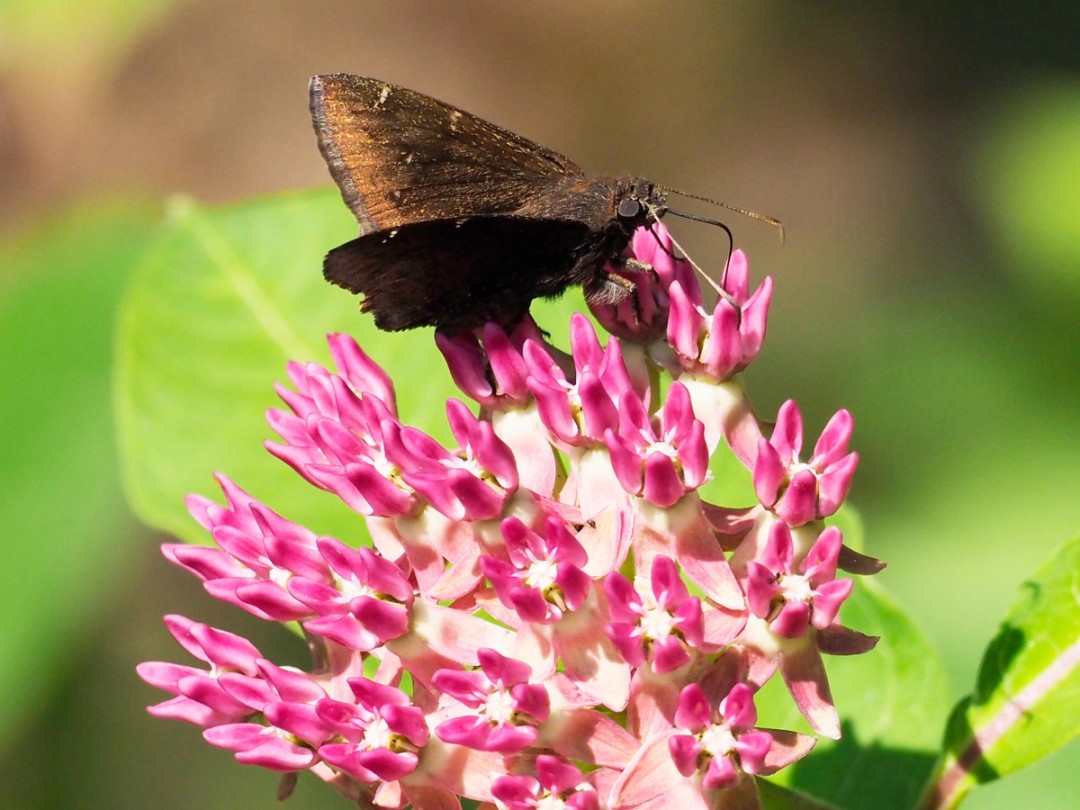
Northern cloudywing
In addition to the butterflies shown above, Monarch, Pipevine Swallowtail, Giant Swallowtail, Red Admiral, Eastern Tailed-Blue, and Regal Fritillary butterflies have been documented visiting the flowers.
Another unusual visitor to the flowers is the Ruby-throated Hummingbird.
Bees
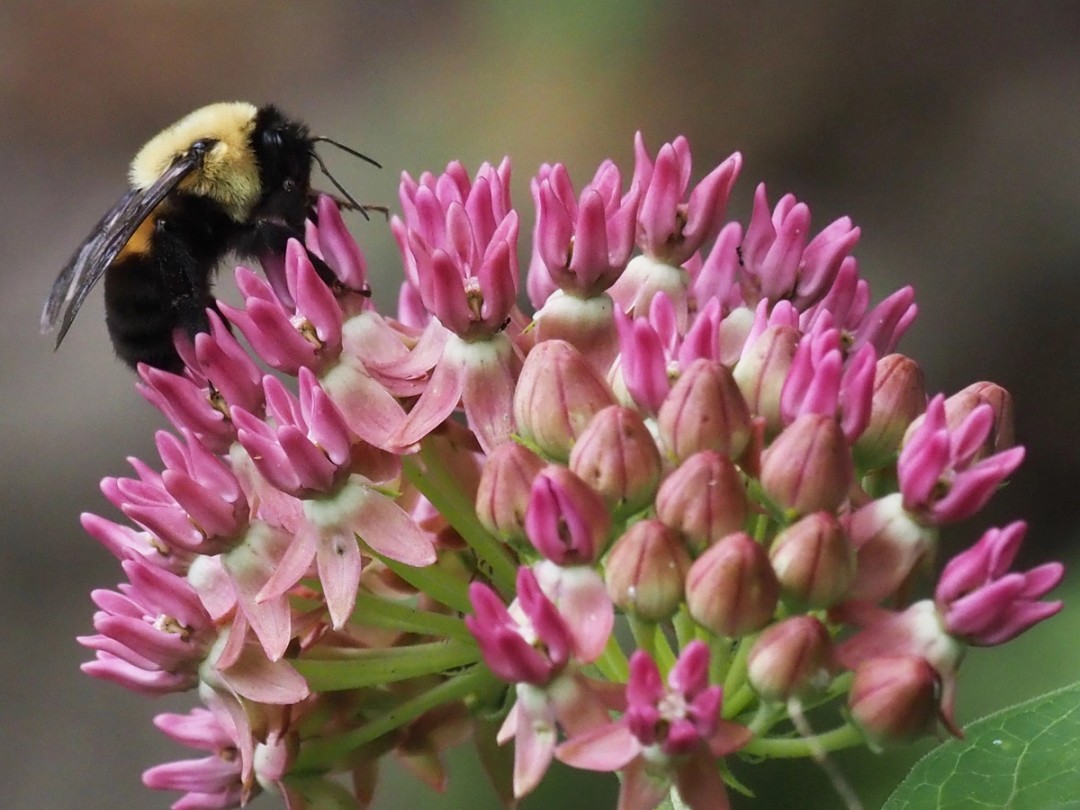
Brown belted bumble bee 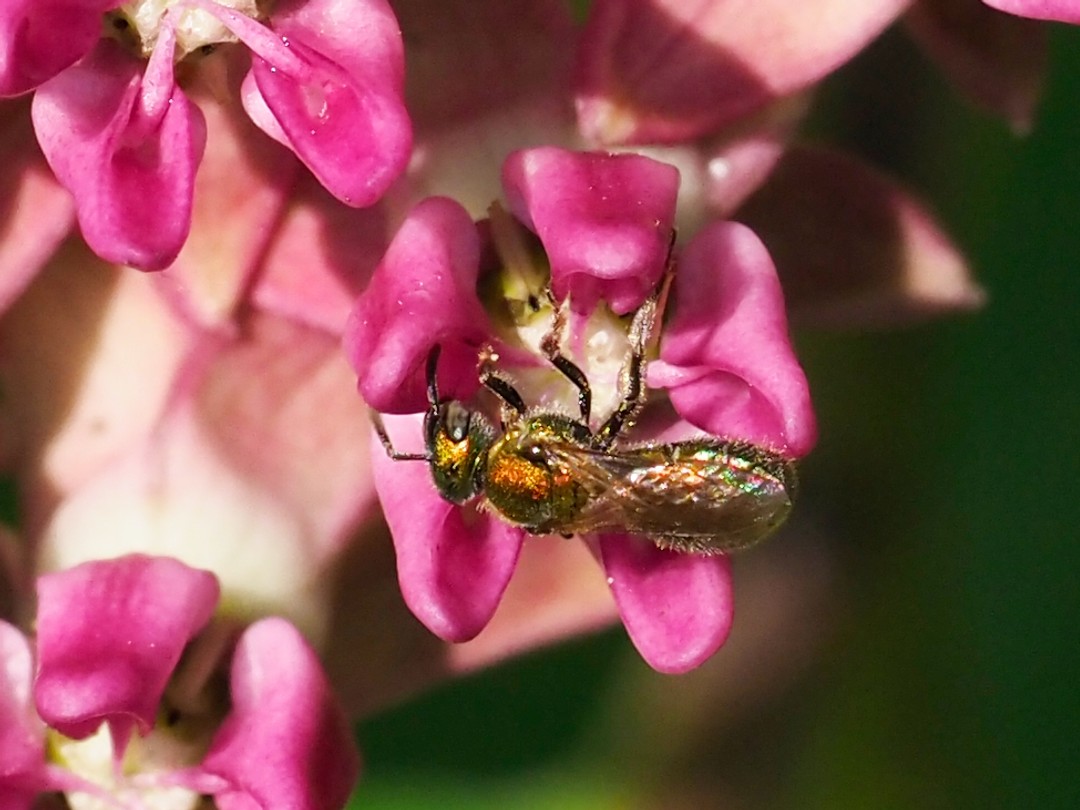
Metallic green sweat bee 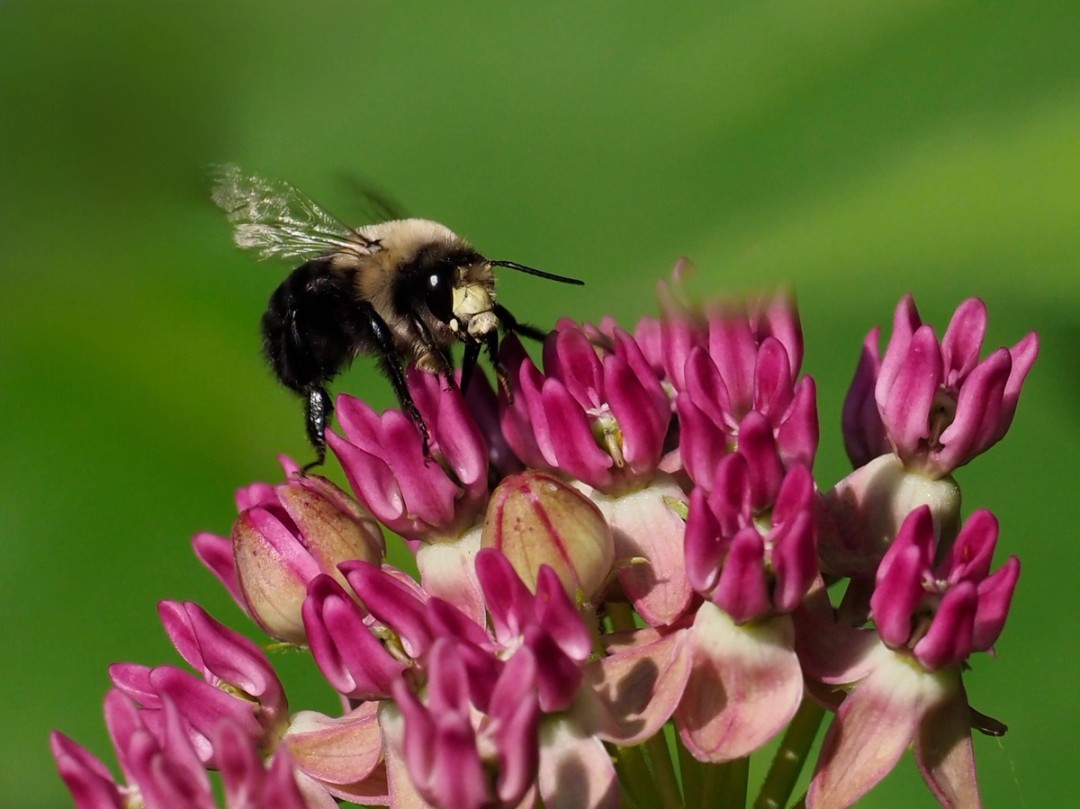
Anthophora abrupta (Abrupt digger bee) 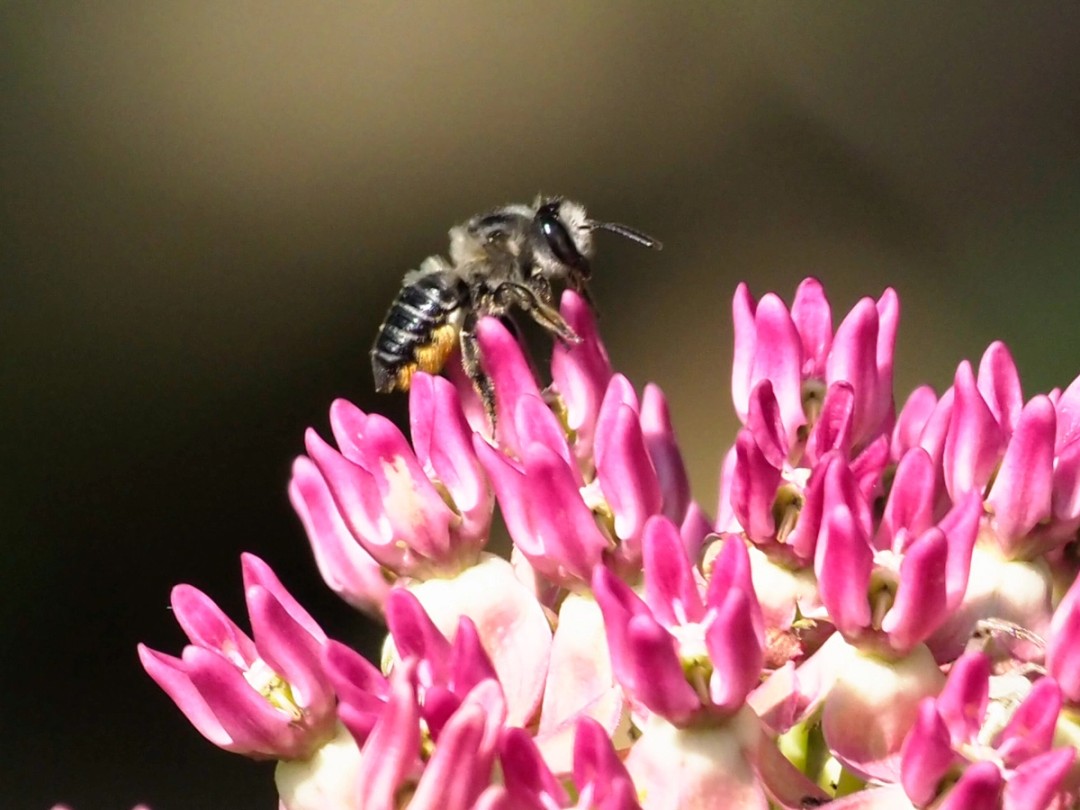
Megachile leafcutter bee
Other
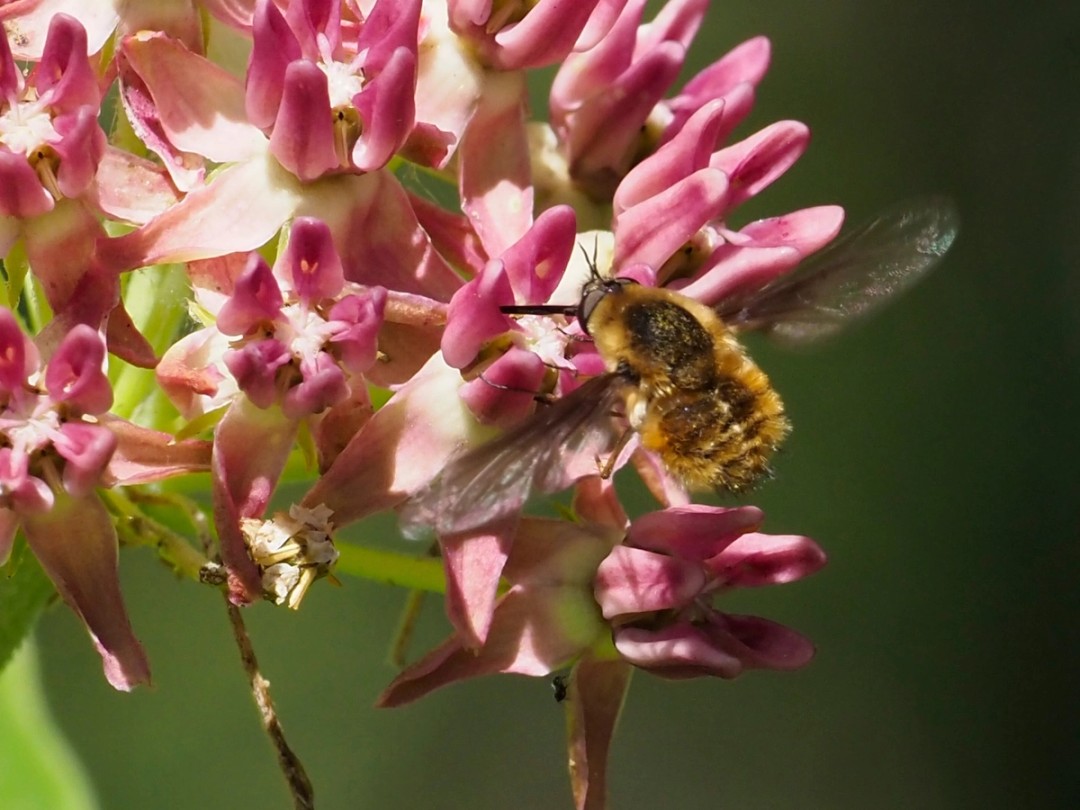
Bee fly 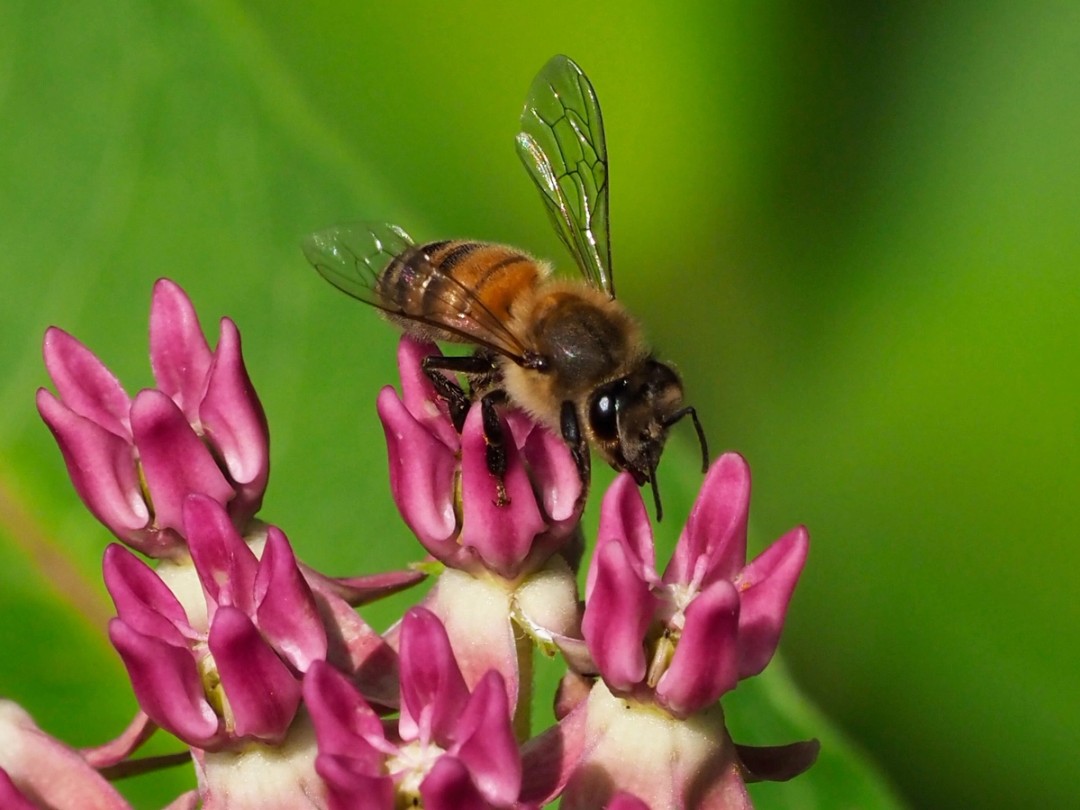
Honey bee
In addition, Purple milkweed is a host plant for Milkweed tussock moth. These fuzzy, colorful caterpillars are fun to watch as they munch on the leaves.
PLANTS GROWING NEARBY
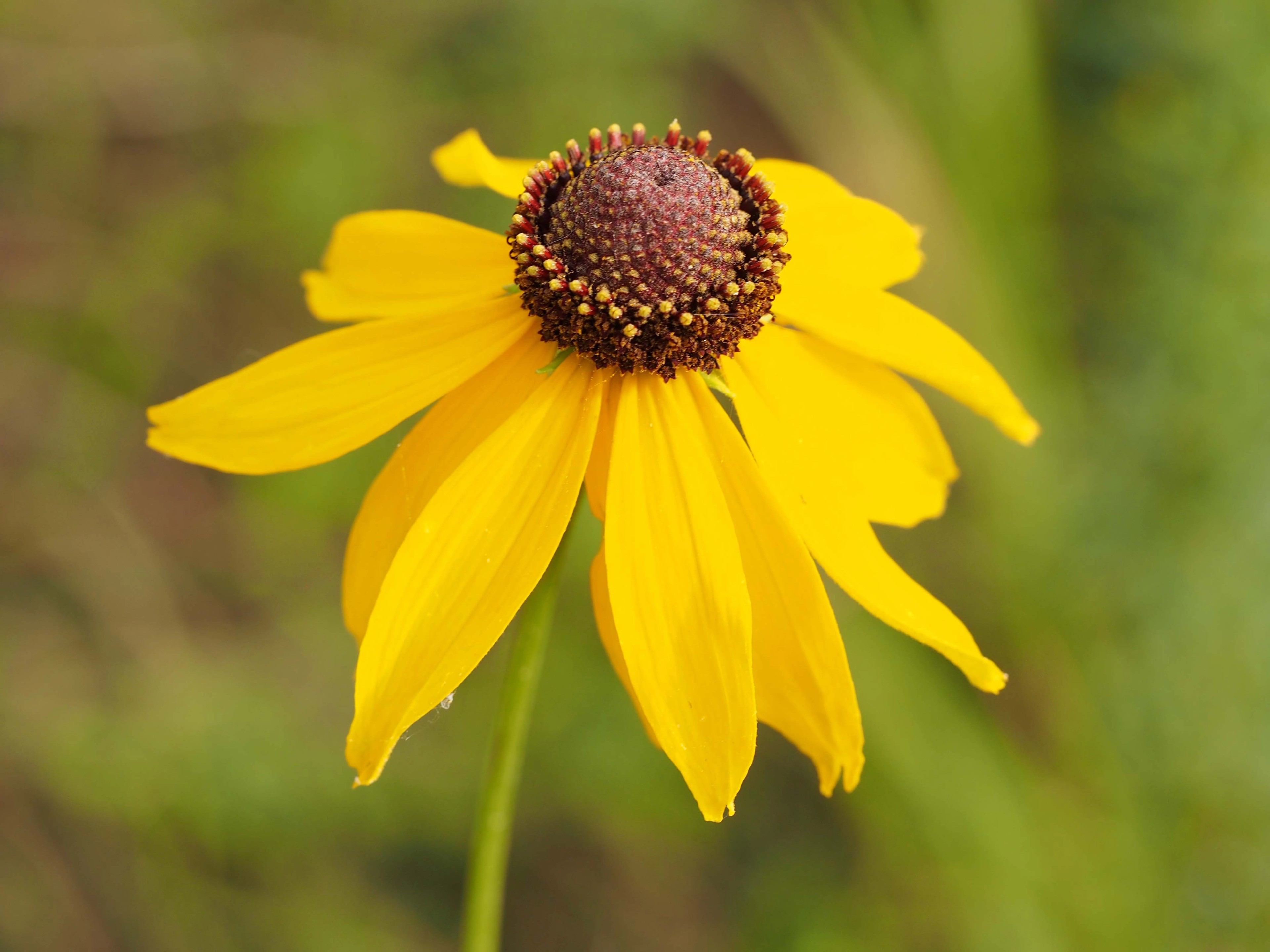
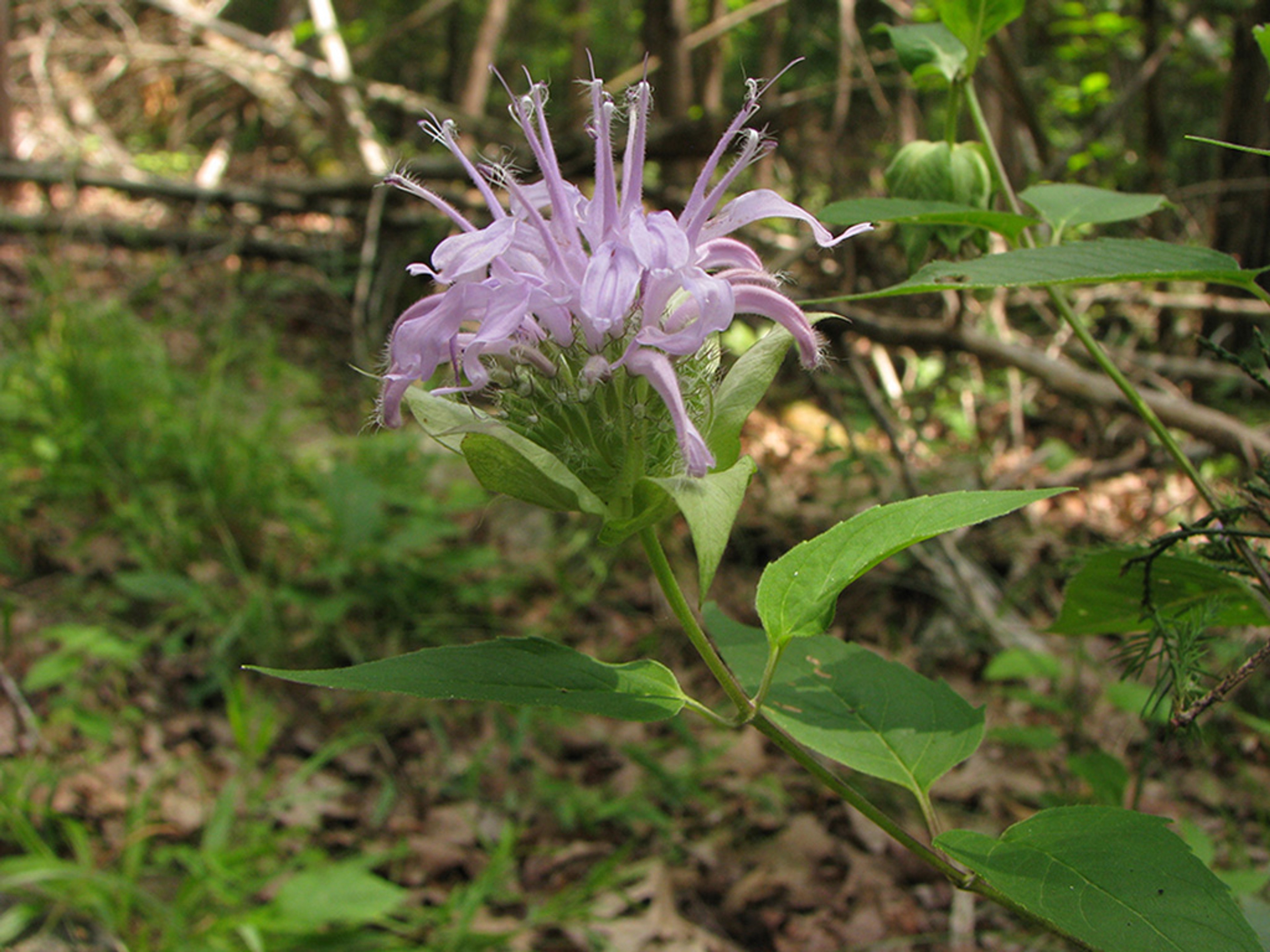
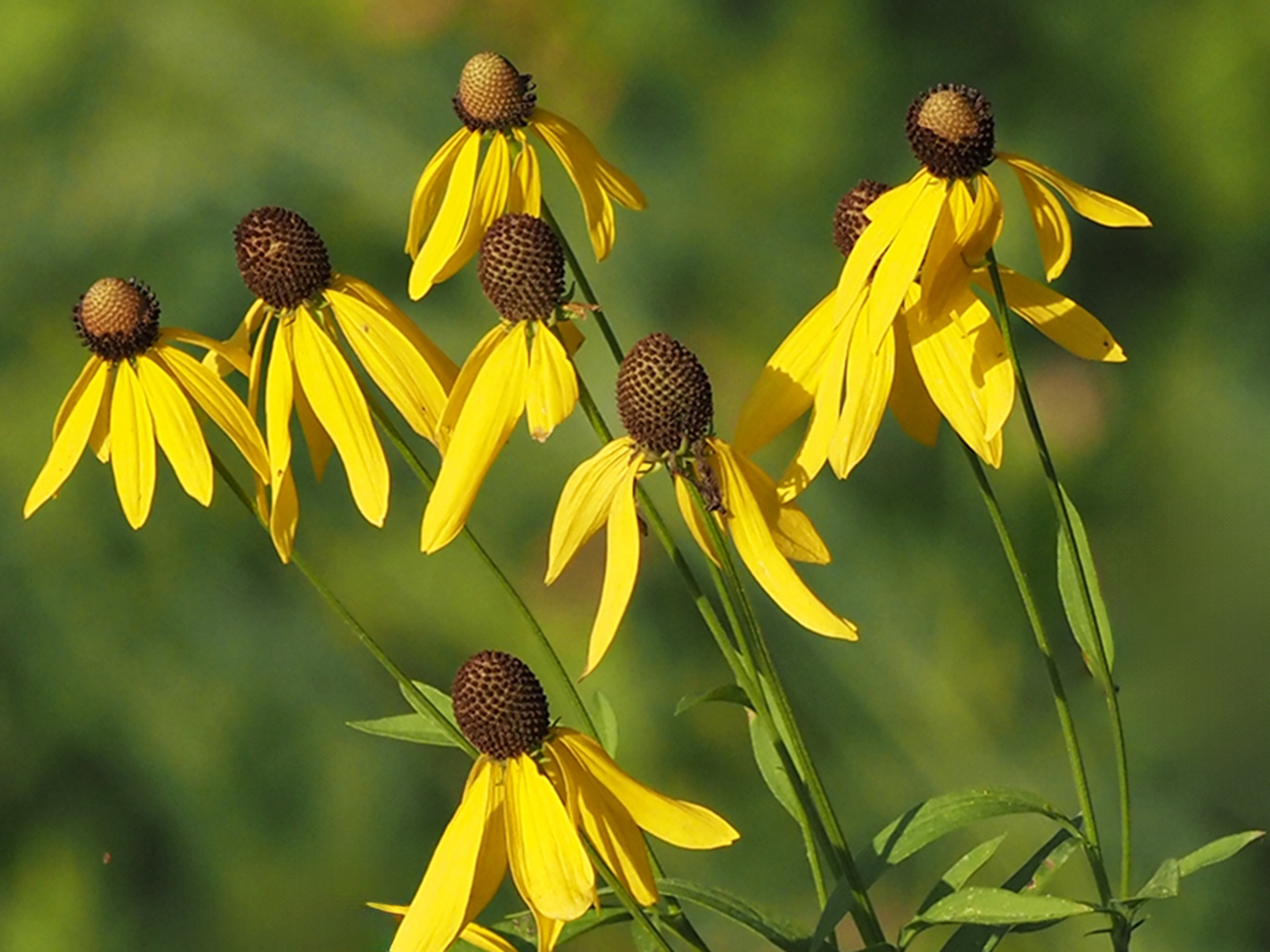
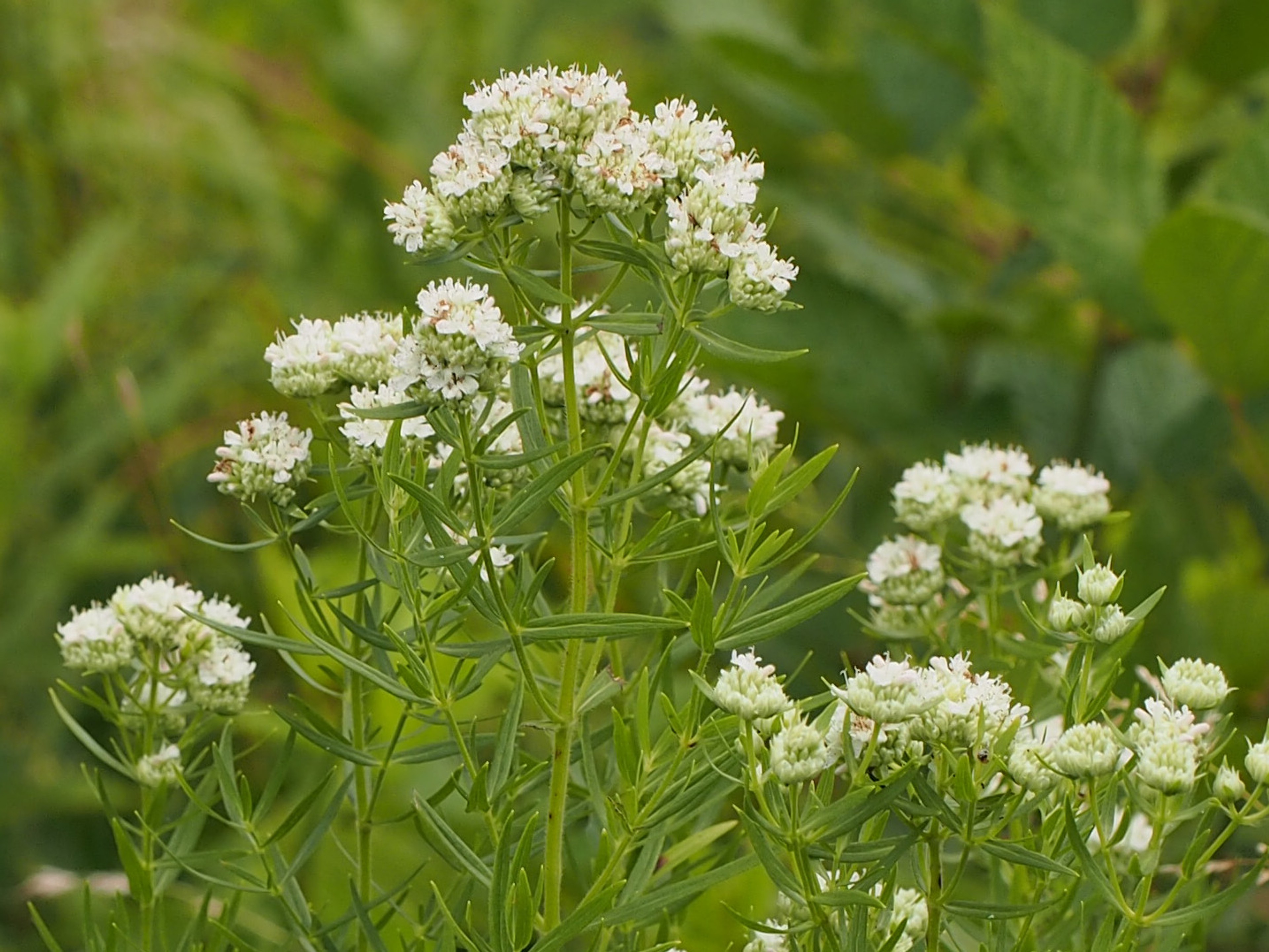
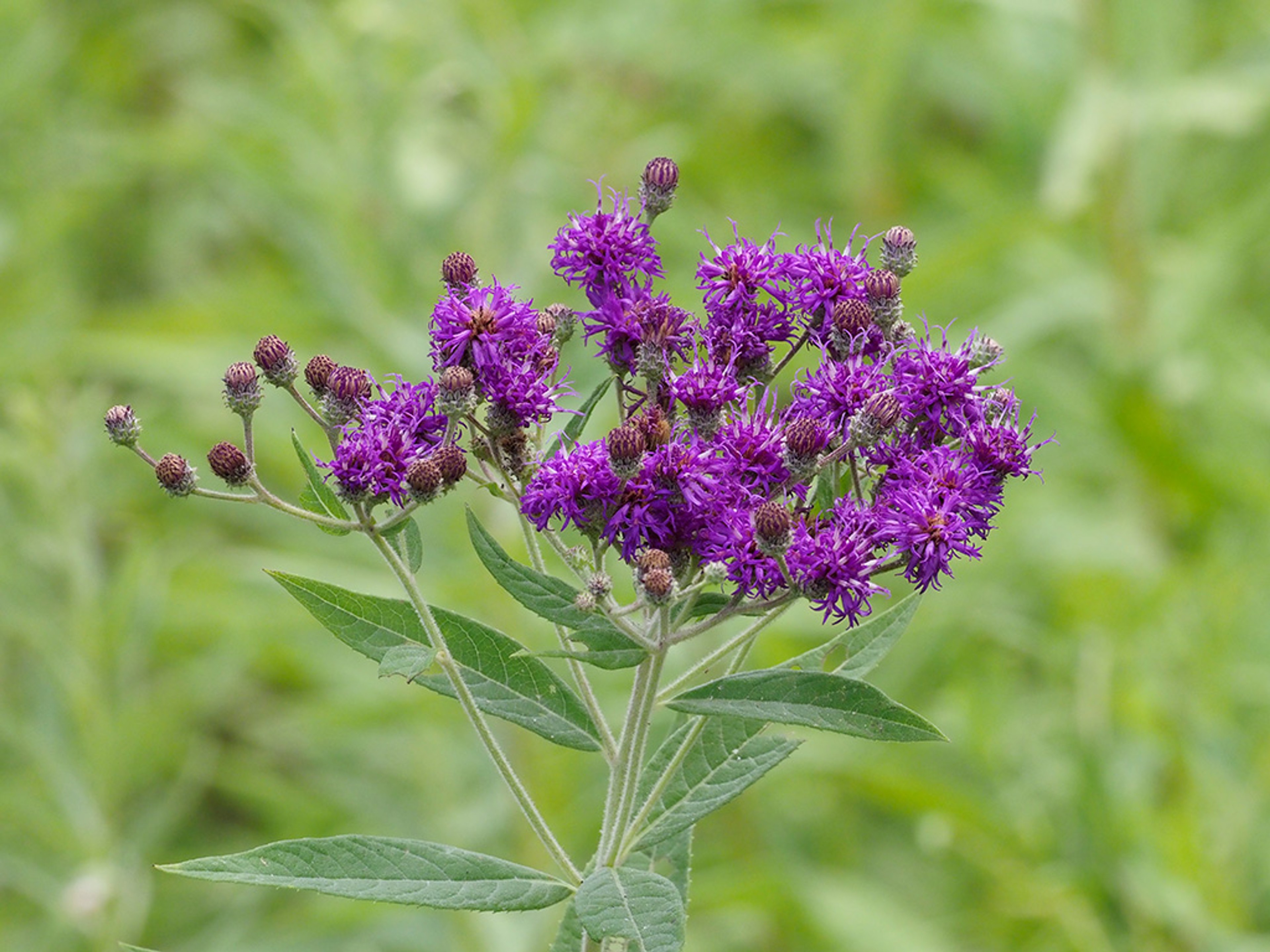
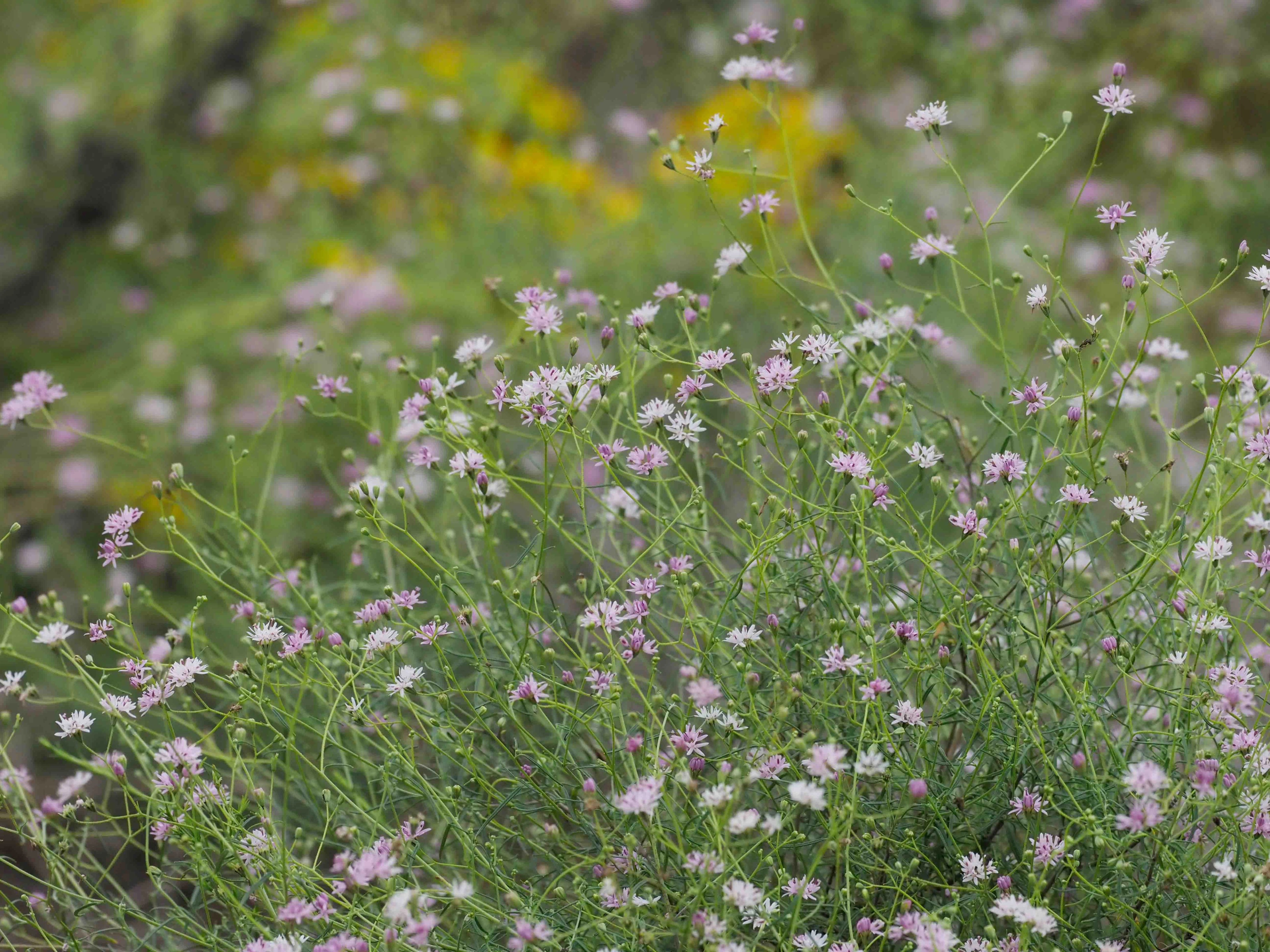
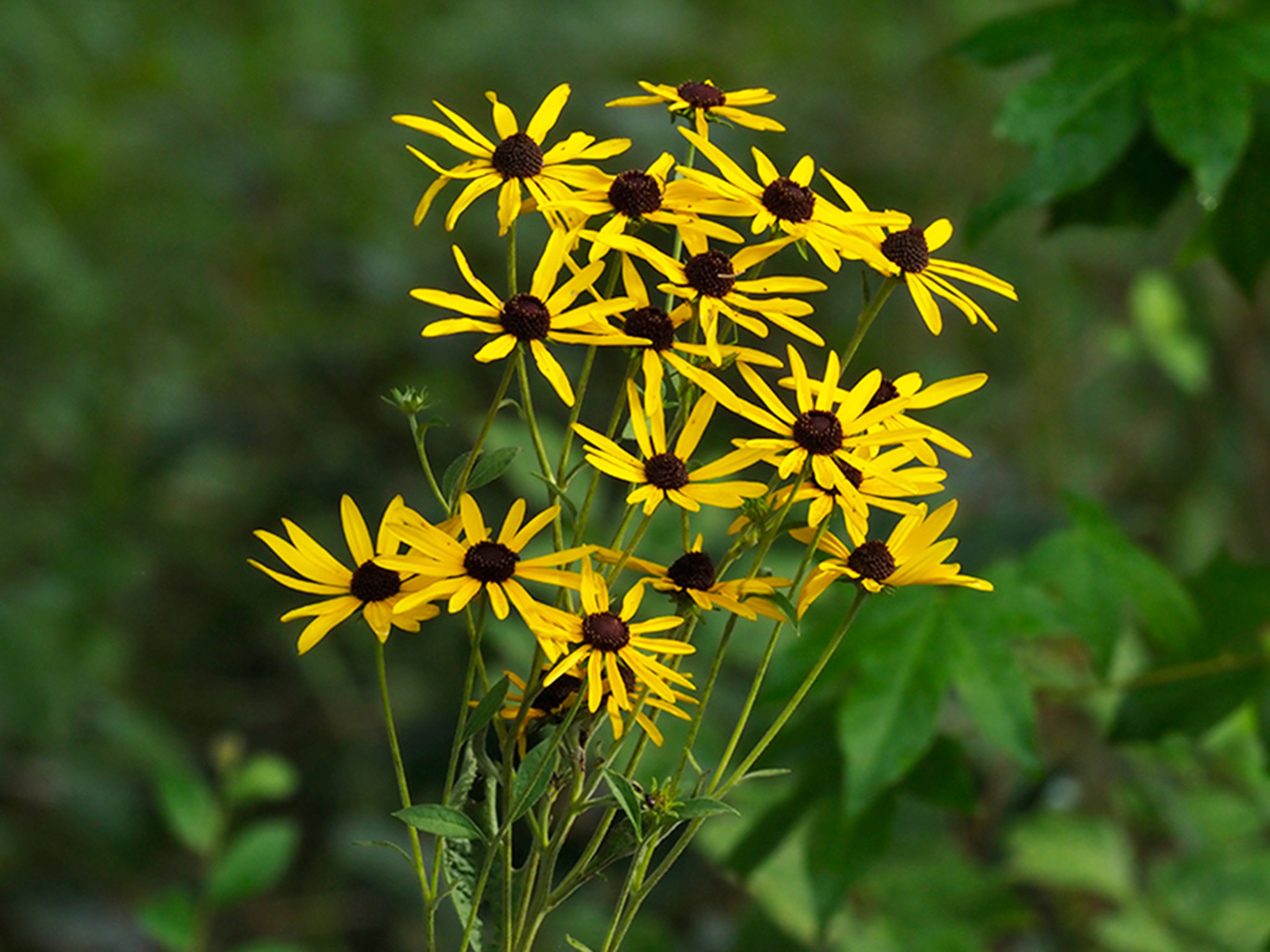
There are many lovely native wildflowers growing near Purple milkweed. In woodland edge habitat, I find Gray headed coneflower (Ratibida pinnata) as a common companion as well as Purple coneflower (Echinacea purpurea).
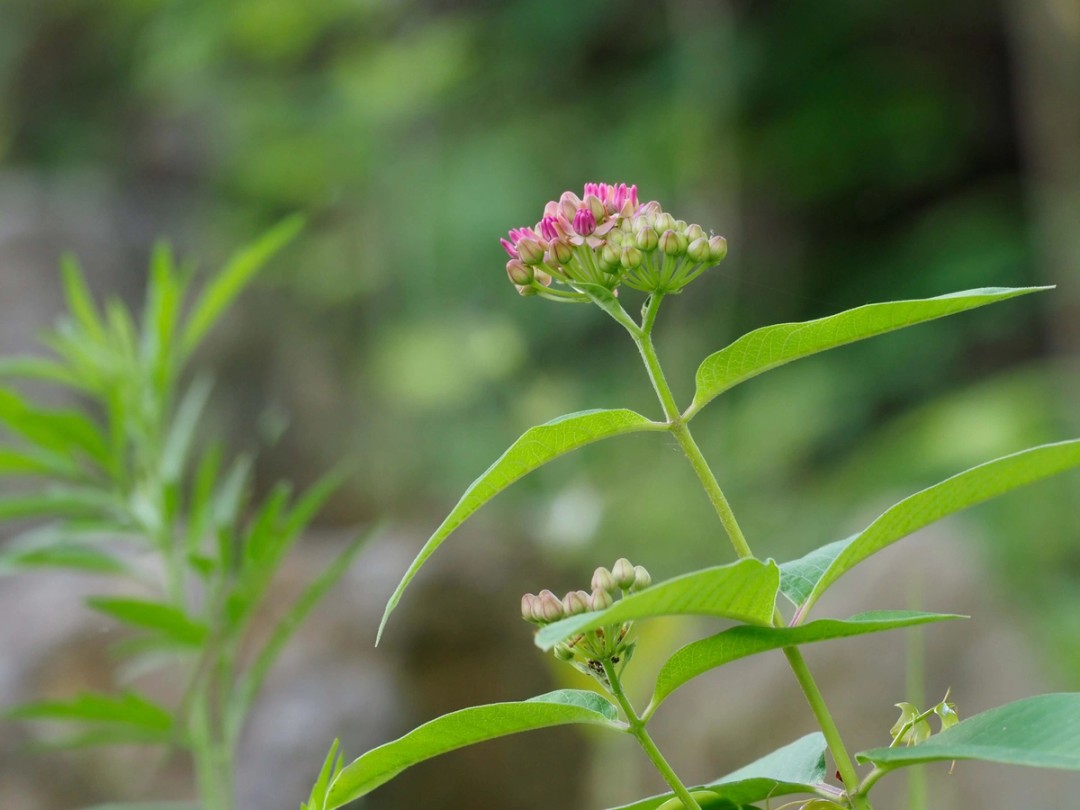
with Ratibida pinnata 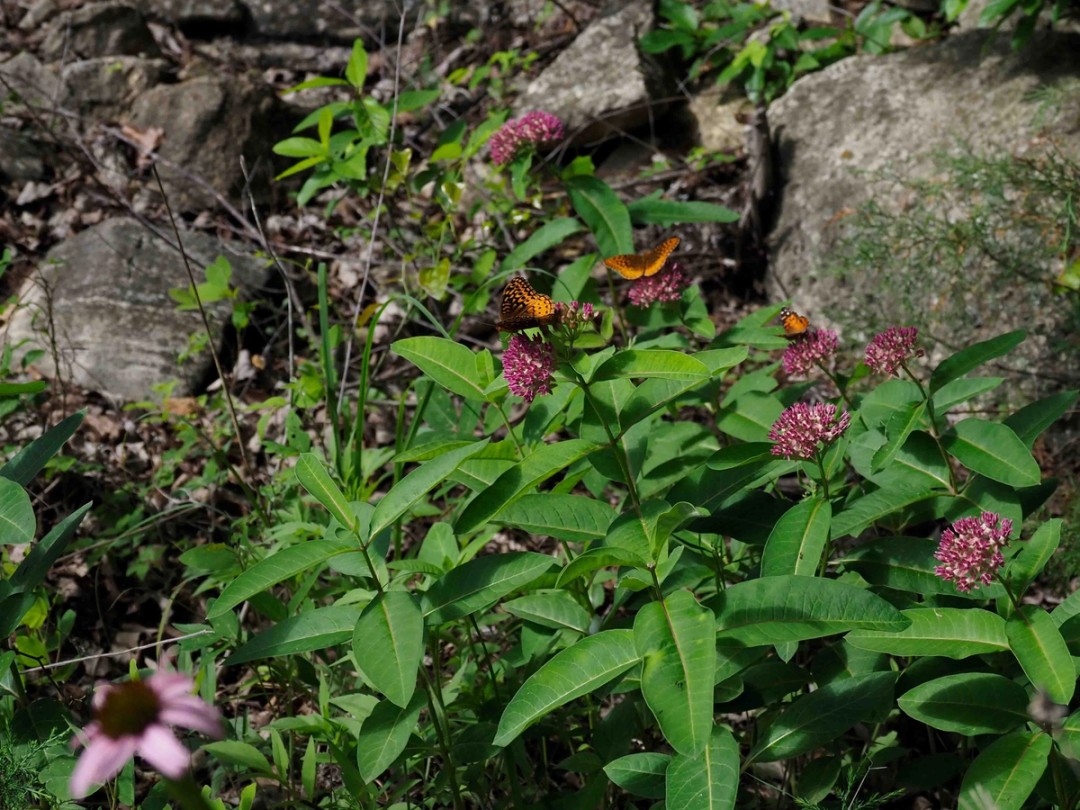
with Echinacea purpurea
Take a look at the Native plants growing nearby section to see a list of other common companion plants.
HABITAT
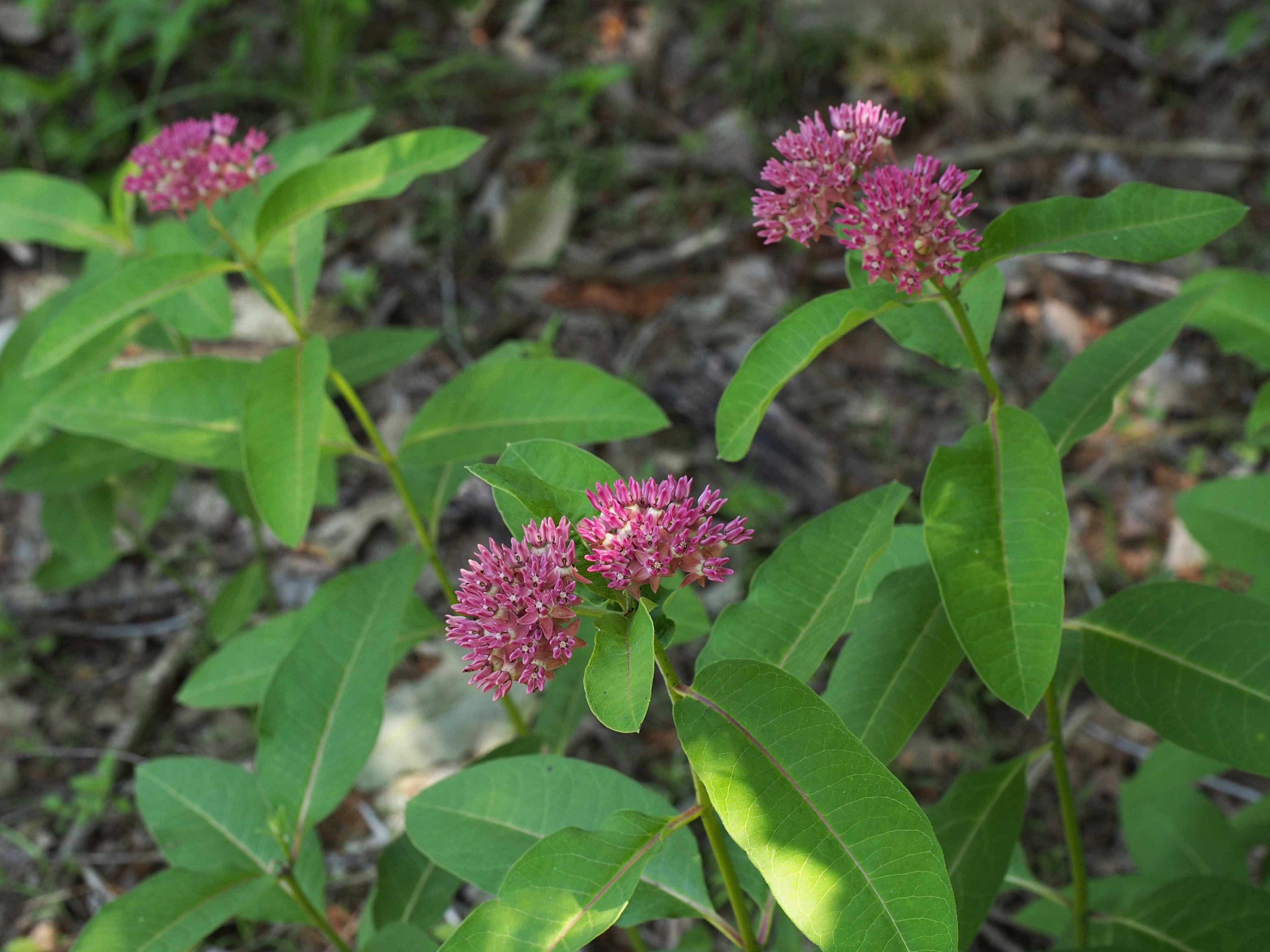
Purple milkweed does well in woodland edge and savanna habitats where it gets dappled sunlight. It thrives in oak-hickory savannas. It is also found at the edges of prairies adjacent to wooded spaces and in glades.
CONSERVATION STATUS
While NatureServe categorizes Asclepias purpurascens as G4, indicating its overall status as Apparently Secure, only two of the 33 states within its range are currently depicted as Apparently Secure.
The current status of the species is as follows:
SH (Possibly Extirpated)- Mississippi, New Hampshire, Rhode Island
S1 (Critically Imperiled)- Georgia, Louisiana, Massachusetts, Oklahoma, Tennessee, S1? North Carolina
S2 (Imperiled)- Delaware, Maryland, Michigan, Nebraska, Wisconsin
S2/S3- Connecticut, New York
S3 (Vulnerable)- Iowa, Kansas, Kentucky, New Jersey, Virginia
S3S4- Indiana
S4 (Apparently Secure)- Pennsylvania, West Virginia
SNR (No Status Rank)- Alabama, Arkansas, Illinois, Minnesota, Missouri, Ohio, South Dakota, Texas
SX (Presumed Extirpated)- District of Columbia
In Arkansas, Asclepias purpurascens has a C-value of 7 in the group of 4-7 meaning “Typically matrix taxa in intact, stable habitats, with some limited ability to respond to destabilizing forces and repopulate areas from which they have been extirpated.”
INTERESTING TIDBITS
Mammals tend to avoid consuming the leaves of Purple milkweed (along with other milkweeds) because the foliage contains toxic cardiac glycosides that have a very bitter taste. Hence, we can enjoy the plants in our gardens without worry they will be dinner for the deer!